EN
EN

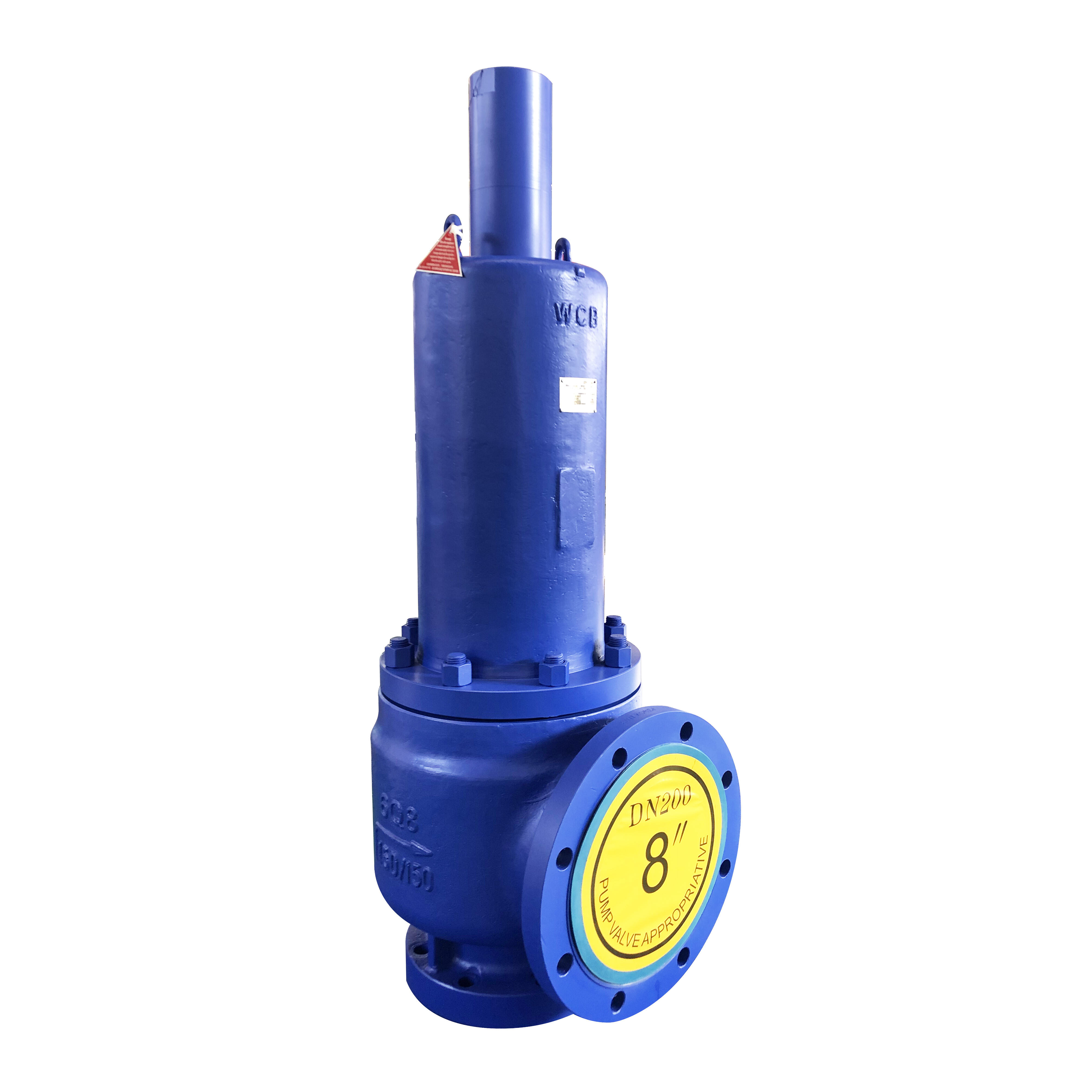
The spring loaded relief valve stands as one of the most fundamental pressure management devices in industrial engineering. From petrochemical processing plants to high-pressure hydraulic systems, this valve type provides a reliable, self-actuating mechanism that protects equipment and personnel from dangerous overpressure events. Understanding how these valves are manufactured gives engineers, procurement specialists, and plant operators a deeper appreciation for the precision and material science that goes into every unit that leaves the production floor.
Manufacturing a spring loaded relief valve is not a simple stamping or casting exercise. It demands tight dimensional tolerances, carefully selected alloys, and rigorous testing protocols that align with international pressure equipment standards. As industrial systems push toward higher operating pressures and more aggressive media, the manufacturing processes behind the spring loaded relief valve have evolved considerably, incorporating advanced machining centers, non-destructive testing, and computer-aided spring design. This article explores the full manufacturing journey of the spring loaded relief valve, from raw material selection through final certification.
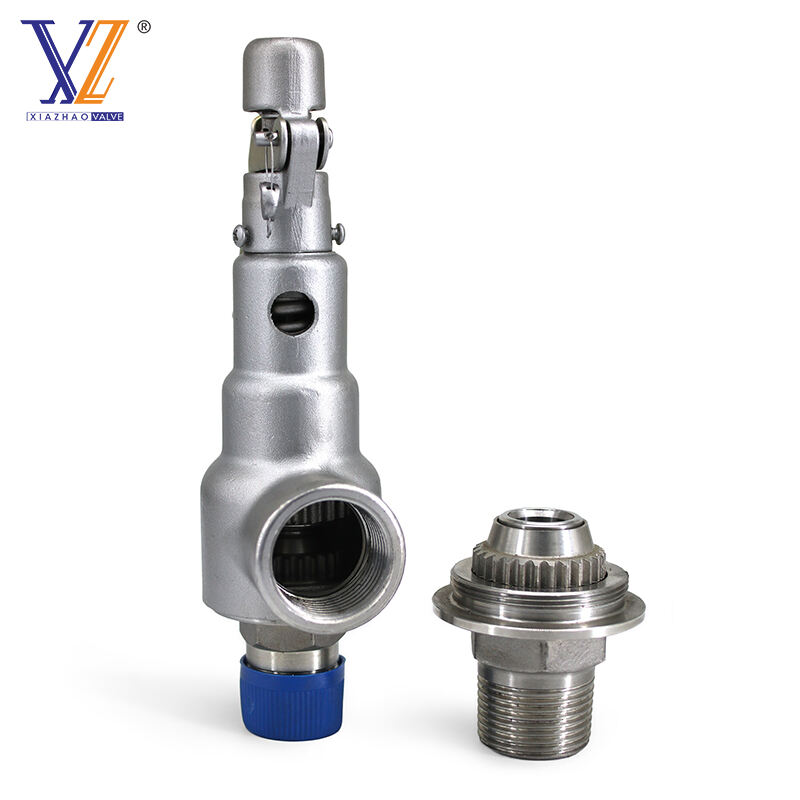
Core Components and Their Manufacturing Requirements
The Valve Body and Seat
The body of a spring loaded relief valve is typically machined from forged carbon steel, stainless steel, or high-alloy materials depending on the intended service environment. Forging is preferred over casting for critical pressure applications because it produces a denser, more homogeneous grain structure that resists fatigue cracking under cyclic pressure loading. The forged blank is then transferred to CNC machining centers where the internal flow passages, seat bore, and threaded connections are cut to precise dimensional specifications.
The valve seat is arguably the most critical surface in the entire spring loaded relief valve assembly. It must form a leak-tight seal against the disc when the valve is in the closed position, yet allow rapid, full-bore opening when system pressure reaches the set point. Seat surfaces are typically ground and lapped to surface finish values measured in microinches, and hardness treatments such as Stellite overlay or nitriding are applied in services where erosion or corrosion is a concern. Any imperfection in the seat geometry directly translates into seat leakage, which is one of the most common field complaints associated with poorly manufactured spring loaded relief valve units.
Dimensional inspection of the body and seat is performed using coordinate measuring machines that verify bore concentricity, seat angle, and thread pitch against engineering drawings. This level of metrology ensures that when the disc is loaded by the spring, the contact stress is distributed evenly around the full circumference of the seat, which is essential for achieving the bubble-tight or metal-to-metal seat leakage classifications required by standards such as API 527.
The Disc and Guide Assembly
The disc, sometimes called the poppet or plug, is the moving element that lifts off the seat when system pressure overcomes spring force. In a spring loaded relief valve, the disc must be guided precisely so that it travels in a perfectly axial path without canting or binding. Canting introduces uneven seat contact, which causes wire-drawing erosion and premature leakage. The guide, which is typically a close-tolerance cylindrical bore machined into the bonnet or a separate guide bushing, controls this axial motion.
Disc materials are selected based on the process fluid. Stainless steel discs are standard for general chemical service, while Hastelloy, Inconel, or PTFE-coated discs are used in highly corrosive or high-temperature applications. The disc geometry also influences the flow characteristics of the spring loaded relief valve. A flat disc produces a sharp, snap-action opening, while a contoured or huddling chamber disc design creates a more stable, full-lift opening that is preferred in steam and gas service where chatter can be a problem.
After machining, discs are inspected for surface finish on the seating face and for dimensional conformance to the guide clearance specification. Excessive guide clearance allows lateral disc movement, while insufficient clearance can cause the disc to stick in the guide, preventing the valve from opening at the correct set pressure. Both failure modes are unacceptable in a properly manufactured spring loaded relief valve.
Spring Design and Fabrication
Spring Engineering Fundamentals
The helical compression spring is the defining element of the spring loaded relief valve and the source of its name. The spring stores mechanical energy when compressed and releases it to reseat the disc once system pressure drops below the set point. Spring design begins with a detailed engineering calculation that accounts for the required set pressure, the valve's orifice area, the desired blowdown range, and the operating temperature. These parameters determine the spring rate, free length, solid height, number of active coils, wire diameter, and mean coil diameter.
Spring wire for a spring loaded relief valve is typically manufactured from chrome-silicon alloy steel, chrome-vanadium steel, or stainless steel grades such as 316 or 17-7 PH, depending on the temperature and corrosion requirements. The wire is cold-wound on CNC coiling machines that maintain consistent coil pitch and diameter throughout the spring length. After coiling, springs are stress-relieved in controlled atmosphere ovens to remove residual winding stresses that could cause set relaxation over time.
Shot peening is frequently applied to springs intended for high-cycle or high-pressure service. This process bombards the spring surface with small steel or ceramic shot, inducing compressive residual stresses in the surface layer that significantly improve fatigue life. For a spring loaded relief valve installed in a system that experiences frequent pressure fluctuations, shot-peened springs can extend service intervals and reduce the risk of spring fatigue fracture, which is a catastrophic failure mode.
Spring Rate Verification and Traceability
Every spring used in a spring loaded relief valve must be tested on a spring rate tester that measures the load-deflection relationship across the operating range. The measured spring rate is compared against the design specification, and springs that fall outside the tolerance band are rejected. This is not a sampling exercise in quality-conscious manufacturing environments — it is a 100% inspection requirement because spring rate directly determines the set pressure of the finished valve.
Material traceability is equally important. Each spring batch must be accompanied by a mill certificate that confirms the chemical composition and mechanical properties of the wire. This documentation is retained as part of the valve's quality record and is required for pressure equipment certification under directives such as the European Pressure Equipment Directive or ASME Section VIII. Without full material traceability, a spring loaded relief valve cannot be legally installed in many regulated industries.
Spring surface coatings such as epoxy, zinc phosphate, or PTFE are applied in environments where the spring is exposed to corrosive process fluids or humid atmospheres. These coatings must be applied uniformly without bridging between coils, which would alter the effective spring rate. Coating thickness is verified by magnetic or eddy-current gauges as part of the final spring inspection process.
Assembly, Set Pressure Adjustment, and Testing
Controlled Assembly Practices
Assembly of a spring loaded relief valve is performed in a controlled environment where cleanliness is strictly maintained. Contamination of the seat or disc surfaces during assembly is a leading cause of initial seat leakage, so assembly areas are typically equipped with filtered air systems and technicians wear lint-free gloves. Components are cleaned ultrasonically or with solvent wipes before assembly, and lubricants are applied only to specified surfaces such as thread engagements and guide bores, never to seating surfaces.
The spring is installed between the disc and the adjusting screw, which is threaded into the bonnet. Turning the adjusting screw compresses or relaxes the spring, raising or lowering the set pressure. This adjustment is the primary means of calibrating the spring loaded relief valve to the required set pressure, and it must be performed on a calibrated test bench rather than estimated by feel or calculation alone. The adjusting screw is locked with a locknut once the correct set pressure is achieved, and a tamper-evident seal is applied to prevent unauthorized field adjustment.
Torque values for all threaded connections are specified in the assembly procedure and verified with calibrated torque wrenches. Under-torqued connections can loosen under vibration, while over-torqued connections can distort the body and affect seat geometry. Both conditions compromise the performance of the spring loaded relief valve in service.
Set Pressure Testing and Seat Leakage Verification
Every spring loaded relief valve must be tested on a hydrostatic or pneumatic test bench before shipment. The test bench applies controlled pressure to the valve inlet while the outlet is monitored. The pressure is raised slowly until the valve opens, and the opening pressure is recorded as the set pressure. For gas service valves, the set pressure is typically verified using nitrogen or air, while water is used for liquid service valves. The measured set pressure must fall within the tolerance specified by the applicable standard, which is typically plus or minus 3% for set pressures above 70 psi under ASME Section VIII rules.
Seat leakage testing is performed after the set pressure test by applying a pressure equal to 90% of the set pressure to the valve inlet and observing the outlet for leakage. For metal-seated spring loaded relief valve designs, leakage is measured in bubbles per minute using a submerged outlet tube, and the allowable leakage rate is defined by API 527. Soft-seated valves with elastomeric or PTFE disc inserts are expected to achieve zero leakage at 90% of set pressure.
Body hydrostatic testing is performed separately at 1.5 times the maximum allowable working pressure to verify the structural integrity of the pressure-containing components. Any leakage through the body wall, bonnet joint, or threaded connections during this test results in rejection and investigation of the root cause before the valve is reworked and retested. This multi-stage testing protocol ensures that every spring loaded relief valve leaving the manufacturing facility meets both functional and structural requirements.
Material Selection and Compliance Standards
Matching Materials to Service Conditions
Material selection for a spring loaded relief valve is driven by three primary factors: the chemical compatibility of the process fluid with the valve materials, the operating temperature range, and the pressure class. Carbon steel bodies are suitable for non-corrosive services at moderate temperatures, while stainless steel is the default choice for aqueous, acidic, or oxidizing environments. For cryogenic service, austenitic stainless steels or specialized low-temperature carbon steels with verified impact toughness are required because standard carbon steel becomes brittle at sub-zero temperatures.
Elastomeric seals and soft seat inserts must also be matched to the process fluid. Nitrile rubber is compatible with petroleum-based fluids, EPDM is used for steam and hot water service, and Viton provides broad chemical resistance for aggressive solvents and acids. Selecting the wrong elastomer in a spring loaded relief valve can result in rapid seal degradation, swelling that prevents the disc from seating, or hardening that causes the valve to stick open or closed.
High-temperature service above 450°C introduces additional complexity because standard spring materials lose their elastic modulus at elevated temperatures, causing the set pressure to drift downward as the spring softens. Manufacturers address this by using high-temperature spring alloys and by applying a temperature correction factor during set pressure calibration so that the valve opens at the correct pressure when at operating temperature rather than at ambient temperature.
Compliance with International Standards
A spring loaded relief valve intended for regulated pressure equipment service must comply with one or more international standards depending on the market and application. ASME Section VIII and the associated ASME/ANSI standards govern pressure relief devices in the United States and many international markets. The API 520 and API 521 standards provide sizing and selection guidance, while API 526 defines the standard orifice sizes and pressure-temperature ratings for flanged spring loaded relief valve designs.
In Europe, the Pressure Equipment Directive and its successor the Pressure Equipment Regulation require that safety accessories including spring loaded relief valve products bear the CE marking, which is granted only after a conformity assessment by a notified body. This assessment reviews the manufacturer's quality management system, design calculations, material documentation, and test records. Maintaining this certification requires ongoing surveillance audits and retention of complete manufacturing records for each valve produced.
ISO 4126 provides an internationally harmonized framework for safety devices for protection against excessive pressure, and many manufacturers design their spring loaded relief valve product lines to comply simultaneously with ASME, API, and ISO requirements to serve global markets without maintaining separate product variants. This harmonization simplifies procurement for multinational operators who need consistent performance documentation across facilities in different regulatory jurisdictions.
Quality Assurance and Traceability in Production
In-Process Inspection and Documentation
Quality assurance in spring loaded relief valve manufacturing is not limited to final testing. It begins at incoming material inspection, where raw materials are verified against mill certificates and subjected to positive material identification using X-ray fluorescence or optical emission spectrometry. This step prevents the inadvertent use of incorrect alloys, which is a known failure mode in pressure equipment manufacturing and has been the root cause of several high-profile industrial accidents.
In-process inspection checkpoints are established at each major manufacturing stage: after forging, after rough machining, after finish machining, after heat treatment, and after surface treatment. Dimensional data collected at each checkpoint is recorded in the traveler document that accompanies each valve through the production process. This traveler becomes part of the permanent quality record and is referenced during final inspection and certification.
Non-destructive testing methods such as liquid penetrant inspection and magnetic particle inspection are applied to machined bodies and bonnets to detect surface-breaking cracks or discontinuities that could propagate under pressure cycling. Ultrasonic testing is used for thicker-walled components where surface inspection alone is insufficient to verify internal soundness. These inspections are performed by certified NDT technicians whose qualifications are maintained under programs such as ASNT SNT-TC-1A or ISO 9712.
Traceability and Certification Documentation
Full traceability is a non-negotiable requirement for a spring loaded relief valve used in safety-critical applications. Each valve is assigned a unique serial number that links it to all associated manufacturing records, including material certificates, machining inspection reports, spring test data, assembly records, and final test results. This serial number is stamped or engraved on the valve nameplate along with the set pressure, maximum allowable working pressure, temperature rating, orifice designation, and applicable standard markings.
The final documentation package delivered with each spring loaded relief valve typically includes a material test report, a dimensional inspection report, a spring test certificate, a hydrostatic test certificate, a set pressure test certificate, and a seat leakage test certificate. For valves supplied to nuclear, offshore, or other highly regulated industries, third-party witness testing by an independent inspection authority may also be required, adding an additional layer of verification to the manufacturing record.
Manufacturers who supply spring loaded relief valve products to multiple global markets maintain their quality management systems under ISO 9001 certification as a baseline, with additional certifications such as ASME U stamp, PED Module H, or SIL certification for functional safety applications layered on top. These certifications are not marketing credentials — they represent documented evidence that the manufacturing processes, inspection systems, and personnel competencies meet defined international benchmarks for pressure equipment safety.
FAQ
What is the difference between a spring loaded relief valve and a safety valve?
The terms are often used interchangeably, but there is a technical distinction in some standards. A safety valve is specifically designed for compressible fluids such as steam or gas and is characterized by a rapid, full-lift pop action. A relief valve is designed for liquid service and opens proportionally to overpressure. A spring loaded relief valve can refer to either type, as both use a helical compression spring as the actuating element. The specific application and fluid type determine which design and standard applies.
How often should a spring loaded relief valve be tested and recertified?
Testing intervals depend on the service environment, regulatory requirements, and the operator's risk management program. In general process industries, spring loaded relief valve units are tested and recertified every one to five years. Valves in severe service — high cycling frequency, corrosive media, or high-temperature steam — may require annual testing. Regulatory frameworks such as OSHA PSM in the United States and COMAH in the United Kingdom require documented inspection and testing programs with defined intervals based on process hazard analysis findings.
Can a spring loaded relief valve be repaired and recertified after it has lifted?
Yes, in most cases a spring loaded relief valve can be repaired and recertified by a qualified repair facility holding the appropriate authorization, such as an ASME VR stamp holder. After a lifting event, the valve should be removed from service and inspected for seat damage, disc erosion, spring set, and body corrosion. Worn or damaged components are replaced, the valve is reassembled, and it is retested to verify set pressure and seat leakage before being returned to service. Attempting to continue using a spring loaded relief valve that has lifted without inspection is a recognized safety risk.
What causes a spring loaded relief valve to chatter during operation?
Chatter is a rapid, repetitive opening and closing of the disc that occurs when the system pressure hovers near the set pressure without sufficient overpressure to achieve stable full lift. It is most common in gas and steam service and is damaging because the repeated impact of the disc against the seat causes rapid erosion of both surfaces. Common causes include an oversized valve relative to the relieving capacity required, insufficient system pressure drop between the source and the valve inlet, or excessive back pressure on the valve outlet. Correcting chatter typically requires resizing the spring loaded relief valve to better match the actual relieving load or addressing the piping configuration that creates the pressure instability.
Table of Contents
- Core Components and Their Manufacturing Requirements
- Spring Design and Fabrication
- Assembly, Set Pressure Adjustment, and Testing
- Material Selection and Compliance Standards
- Quality Assurance and Traceability in Production
-
FAQ
- What is the difference between a spring loaded relief valve and a safety valve?
- How often should a spring loaded relief valve be tested and recertified?
- Can a spring loaded relief valve be repaired and recertified after it has lifted?
- What causes a spring loaded relief valve to chatter during operation?