EN
EN

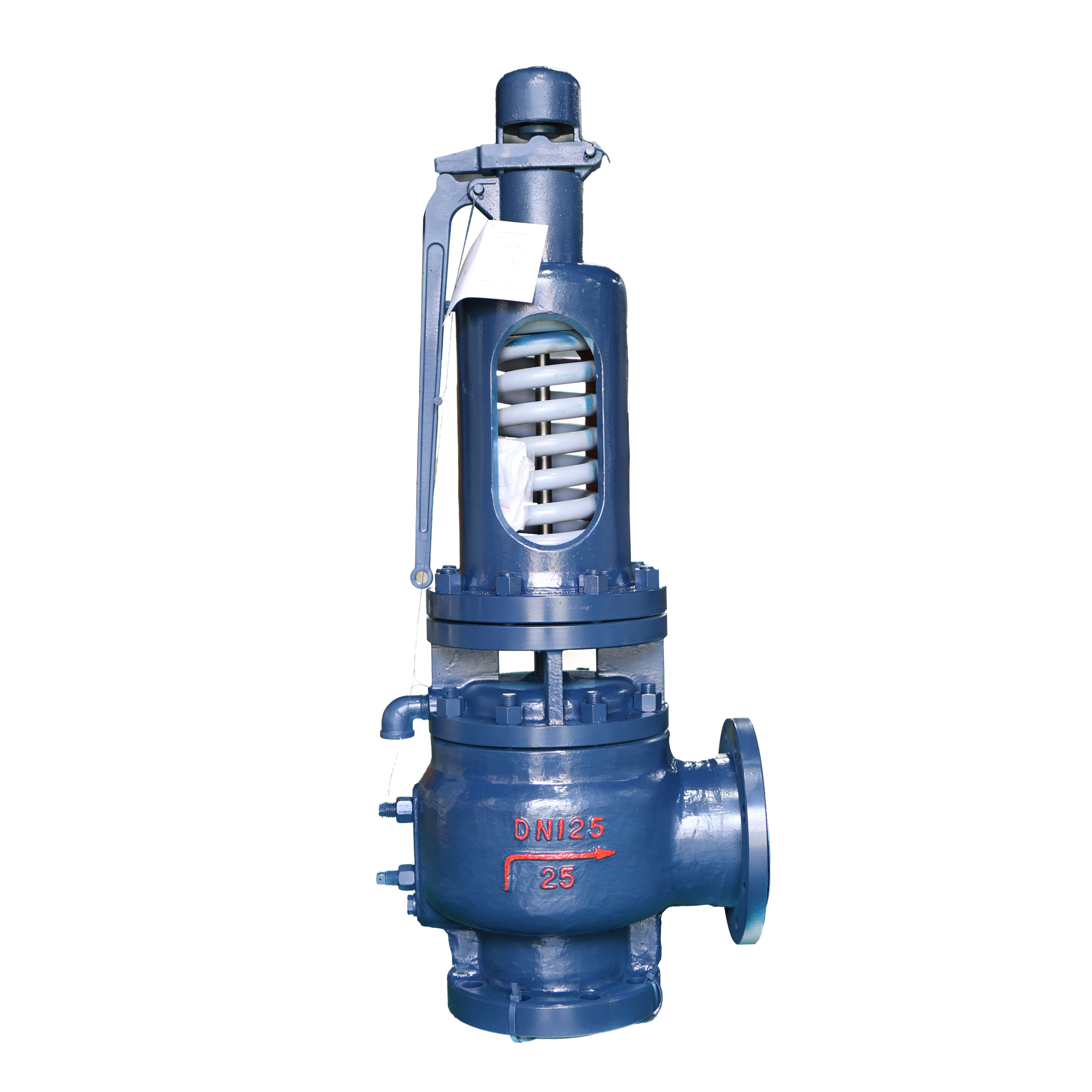
The industrial landscape is evolving rapidly, and safety valve manufacturing is no exception. From smarter materials to digitally integrated designs, the forces reshaping how these critical components are engineered and produced are accelerating at a pace that demands attention from procurement managers, plant engineers, and operations leaders alike. Understanding where the industry is heading is not just a matter of staying current — it is a matter of protecting assets, ensuring regulatory compliance, and making better capital decisions.
A safety valve is one of the most consequential components in any pressurized system. Its job is straightforward — release excess pressure before it causes catastrophic failure — but the engineering behind it is anything but simple. As industrial systems grow more complex, operate under more extreme conditions, and face tighter regulatory scrutiny, the manufacturing standards and design philosophies behind every safety valve are being fundamentally rethought. This article breaks down the most significant trends shaping safety valve manufacturing today and explains what they mean for the people who specify, purchase, and maintain them.
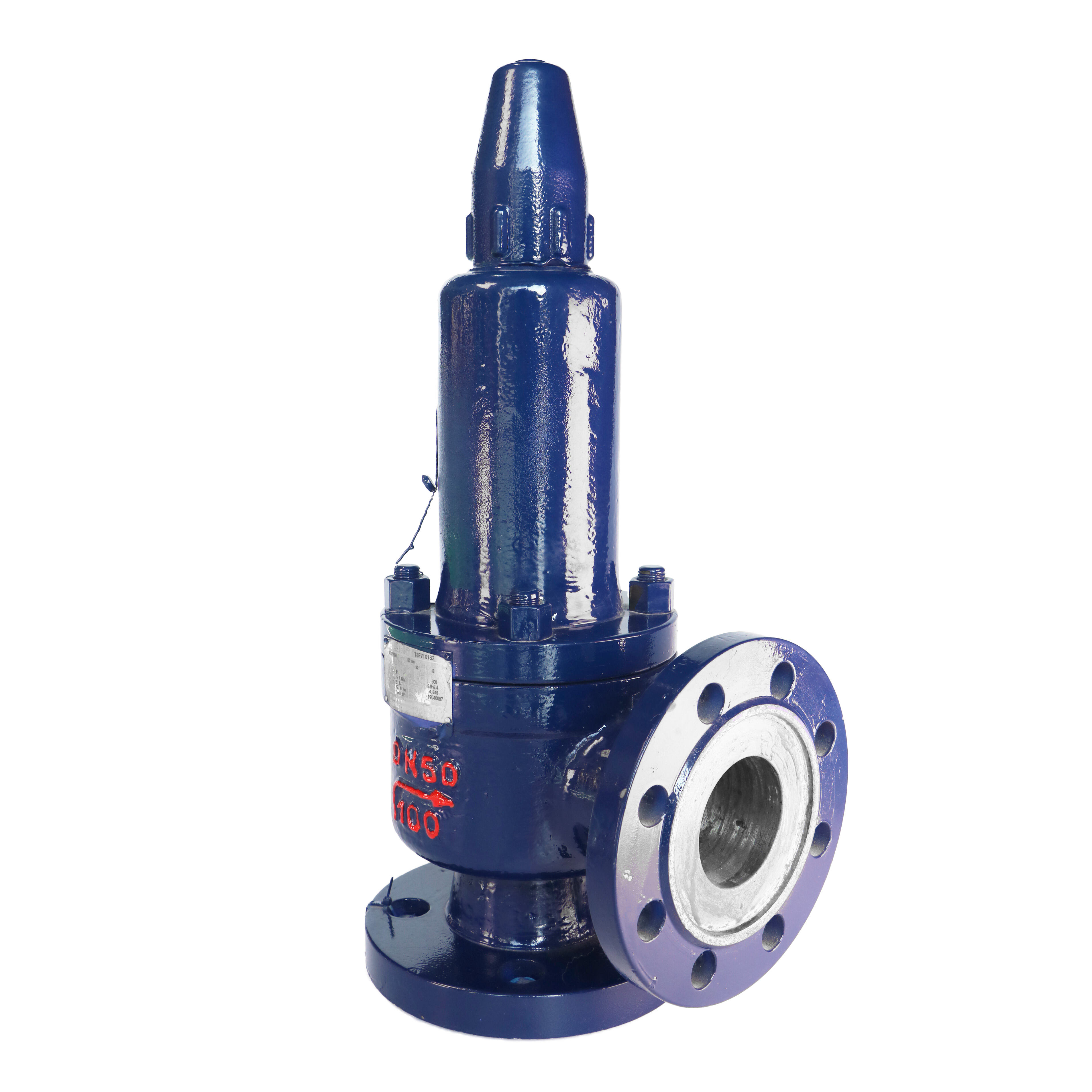
Advanced Materials Driving a New Generation of Safety Valve Design
High-Performance Alloys and Their Role in Extreme Environments
One of the most consequential shifts in safety valve manufacturing is the widespread adoption of high-performance alloys. Traditional carbon steel and standard stainless grades are giving way to duplex stainless steels, Inconel, Hastelloy, and other nickel-based alloys that can withstand far more aggressive operating conditions. This is not a trend driven by preference — it is driven by necessity. As refineries, chemical plants, and power generation facilities push operating pressures and temperatures higher, the materials used in every safety valve must keep pace.
Duplex stainless steels, for example, offer a combination of corrosion resistance and mechanical strength that makes them particularly well-suited for offshore and subsea applications where chloride exposure is a constant threat. Manufacturers are investing heavily in the metallurgical expertise and precision machining capabilities needed to work with these materials reliably. The result is a safety valve that can maintain its set pressure accuracy and seat tightness even after years of exposure to conditions that would degrade conventional materials.
For procurement teams, this trend has direct implications. A safety valve specified in a high-performance alloy will carry a higher upfront cost, but the total cost of ownership calculation often favors it decisively when maintenance intervals, unplanned downtime, and replacement frequency are factored in. Understanding the material science behind modern safety valve construction is increasingly a prerequisite for making sound sourcing decisions.
Polymer and Composite Seat Materials for Tighter Shutoff
Beyond metallic components, the seat and seal materials used in safety valve manufacturing have also undergone significant development. Soft-seat designs using PTFE, PEEK, and other engineered polymers are now common in applications where metal-to-metal seating would result in unacceptable leakage rates. These materials offer excellent chemical resistance and can achieve bubble-tight shutoff at lower differential pressures, which is critical in systems where even minor fugitive emissions carry regulatory or environmental consequences.
Composite materials are also entering the picture in specific niche applications, particularly where weight reduction is a priority without sacrificing pressure-handling capability. While composites have not yet displaced metals as the dominant structural material in safety valve bodies, their use in internal components and trim is growing. Manufacturers who have invested in the tooling and process knowledge to work with these materials are gaining a competitive edge in sectors like aerospace, advanced chemical processing, and hydrogen infrastructure.
Precision Manufacturing and Tighter Tolerances
CNC Machining and the Push for Dimensional Consistency
Modern safety valve manufacturing has become inseparable from advanced CNC machining capabilities. The tolerances required for a safety valve to open at precisely the correct set pressure and reseat reliably afterward are extremely tight. Even minor dimensional variation in the disc, nozzle, or guide can shift the cracking pressure by a meaningful margin, which in a regulated environment can mean the difference between compliance and a failed inspection.
Leading manufacturers are investing in multi-axis CNC machining centers that can produce complex internal geometries in a single setup, eliminating the cumulative error that comes from repositioning parts across multiple machines. This approach also reduces cycle time and improves repeatability across production runs. For buyers specifying safety valves for critical service, the manufacturing process behind the product is as important as the design itself, and asking suppliers about their machining capabilities and dimensional verification protocols is entirely appropriate.
Coordinate measuring machines and laser scanning systems are now standard quality control tools in well-equipped safety valve manufacturing facilities. These technologies allow manufacturers to verify that every critical dimension on every safety valve meets specification before it leaves the factory, rather than relying on statistical sampling alone. This shift toward 100% dimensional verification is a meaningful quality improvement that reduces the risk of field failures.
Surface Finishing and Lapping Technology
The seating surfaces of a safety valve are among the most precision-critical features in the entire assembly. Even microscopic surface irregularities can prevent proper seating, leading to leakage that wastes product, creates safety hazards, and triggers maintenance interventions. Advanced lapping and surface finishing technologies are now being applied to safety valve seating surfaces as a standard manufacturing step rather than an exception reserved for premium products.
Automated lapping machines using controlled abrasive compounds can achieve surface finishes measured in microinches, producing seating surfaces that mate with exceptional precision. Some manufacturers are also applying hard coatings — including tungsten carbide and chrome oxide — to seating surfaces to extend service life in abrasive or erosive service conditions. These coatings are applied using thermal spray or physical vapor deposition processes that require specialized equipment and process expertise.
Digital Integration and Smart Safety Valve Technology
Condition Monitoring and Predictive Maintenance Capabilities
Perhaps the most transformative trend in safety valve manufacturing is the integration of digital monitoring capabilities directly into the valve assembly. Traditional safety valves are passive mechanical devices — they open when pressure exceeds the set point and close when it drops below it, with no data generated and no communication with plant control systems. Smart safety valve designs are changing this fundamentally.
Acoustic emission sensors, vibration monitors, and position indicators can now be integrated into safety valve assemblies to provide real-time data on valve condition and operating history. This data feeds into plant asset management systems, allowing maintenance teams to detect early signs of seat degradation, spring fatigue, or disc wear before they result in a functional failure. For facilities operating under risk-based inspection frameworks, this kind of continuous condition data is enormously valuable because it allows inspection intervals to be optimized based on actual valve condition rather than fixed calendar schedules.
The business case for smart safety valve technology is strongest in facilities where valve access is difficult, where process interruptions are costly, or where regulatory requirements demand detailed documentation of valve performance history. As sensor costs continue to fall and wireless communication protocols become more standardized, the adoption of condition monitoring in safety valve applications is expected to accelerate significantly over the next several years.
Digital Twins and Simulation-Driven Design
On the manufacturing side, digital twin technology is reshaping how safety valve designs are developed and validated. A digital twin is a high-fidelity computational model of a physical product that can be used to simulate its behavior under a wide range of operating conditions before a single physical prototype is built. For safety valve manufacturers, this means that new designs can be tested against extreme pressure transients, thermal cycling, and corrosive media exposure in a virtual environment, dramatically reducing the time and cost of the development cycle.
Computational fluid dynamics simulations are particularly valuable in safety valve design because the flow behavior inside a valve during an opening event is highly complex and difficult to predict analytically. CFD allows engineers to visualize flow patterns, identify potential sources of instability or chatter, and optimize nozzle and disc geometries for stable, predictable performance. Manufacturers who have built strong simulation capabilities are able to bring better-performing safety valve designs to market faster than those relying on traditional empirical development methods.
Regulatory Evolution and Its Impact on Manufacturing Standards
Tightening Emissions and Fugitive Emission Requirements
Regulatory pressure on industrial facilities to reduce fugitive emissions is intensifying globally, and this is having a direct effect on safety valve manufacturing standards. Regulations governing volatile organic compound emissions, greenhouse gas reporting, and process safety management are all driving demand for safety valves with tighter shutoff performance and more robust leak detection capabilities. Manufacturers are responding by developing low-emission packing systems, improved seat designs, and enhanced testing protocols that can demonstrate compliance with these requirements.
The API 527 standard for seat tightness of pressure relief valves has become a baseline expectation rather than a premium specification in many industries. Some end users are now specifying tighter leakage limits than API 527 requires, particularly in applications involving toxic or high-value process fluids. Meeting these requirements demands not only better designs but also more rigorous factory acceptance testing, including helium leak testing and high-sensitivity bubble testing protocols that go beyond traditional hydrostatic methods.
Traceability and Documentation Requirements
Modern safety valve manufacturing must also satisfy increasingly demanding traceability and documentation requirements. Pressure equipment directives, ASME code requirements, and industry-specific standards all require manufacturers to maintain detailed records of material certifications, heat treatment records, dimensional inspection results, and pressure test data for every safety valve produced. This documentation burden has driven significant investment in manufacturing execution systems and quality management software that can capture, store, and retrieve this data efficiently.
For buyers, the quality of a manufacturer's documentation system is a meaningful indicator of their overall manufacturing discipline. A safety valve backed by complete, traceable documentation is not just easier to manage from a compliance standpoint — it is also more likely to have been manufactured to a consistently high standard throughout the production process. Requesting sample documentation packages as part of the supplier qualification process is a practical way to assess this capability.
FAQ
What is driving the shift toward smarter safety valve designs in industrial applications?
The primary drivers are the growing cost of unplanned downtime, tightening regulatory requirements for documented valve performance, and the falling cost of sensors and wireless communication technology. As facilities adopt risk-based inspection frameworks and digital asset management systems, the ability to collect real-time condition data from a safety valve becomes a practical operational advantage rather than a luxury. Manufacturers are responding to this demand by integrating monitoring capabilities into standard product lines rather than treating them as custom options.
How do material choices in safety valve manufacturing affect total cost of ownership?
Material selection has a significant impact on maintenance frequency, service life, and replacement cost. A safety valve specified in a standard material for a corrosive or high-temperature application may require more frequent inspection and replacement, which drives up total cost even if the initial purchase price is lower. High-performance alloys and engineered seat materials typically extend service intervals and reduce the risk of in-service degradation, making them the more economical choice over the full asset lifecycle in demanding applications.
Why is dimensional precision so critical in safety valve manufacturing?
A safety valve must open at a precisely defined set pressure and reseat reliably once the overpressure condition has been resolved. Even small dimensional deviations in the disc, nozzle, or spring assembly can shift the cracking pressure outside the acceptable tolerance band, which can result in either premature opening — causing unnecessary process interruptions — or delayed opening, which creates a genuine safety hazard. Tight dimensional control throughout the manufacturing process is the foundation of reliable, repeatable safety valve performance.
What should procurement teams look for when evaluating safety valve manufacturers?
Key evaluation criteria include the manufacturer's material capabilities and alloy expertise, their machining and surface finishing technology, the rigor of their factory acceptance testing protocols, and the completeness of their traceability documentation. It is also worth assessing whether the manufacturer has invested in simulation and digital twin capabilities, as this is an indicator of engineering depth and the ability to support custom or challenging applications. A manufacturer who can demonstrate all of these capabilities is well-positioned to supply a safety valve that performs reliably throughout its service life.
Table of Contents
- Advanced Materials Driving a New Generation of Safety Valve Design
- Precision Manufacturing and Tighter Tolerances
- Digital Integration and Smart Safety Valve Technology
- Regulatory Evolution and Its Impact on Manufacturing Standards
-
FAQ
- What is driving the shift toward smarter safety valve designs in industrial applications?
- How do material choices in safety valve manufacturing affect total cost of ownership?
- Why is dimensional precision so critical in safety valve manufacturing?
- What should procurement teams look for when evaluating safety valve manufacturers?