EN
EN

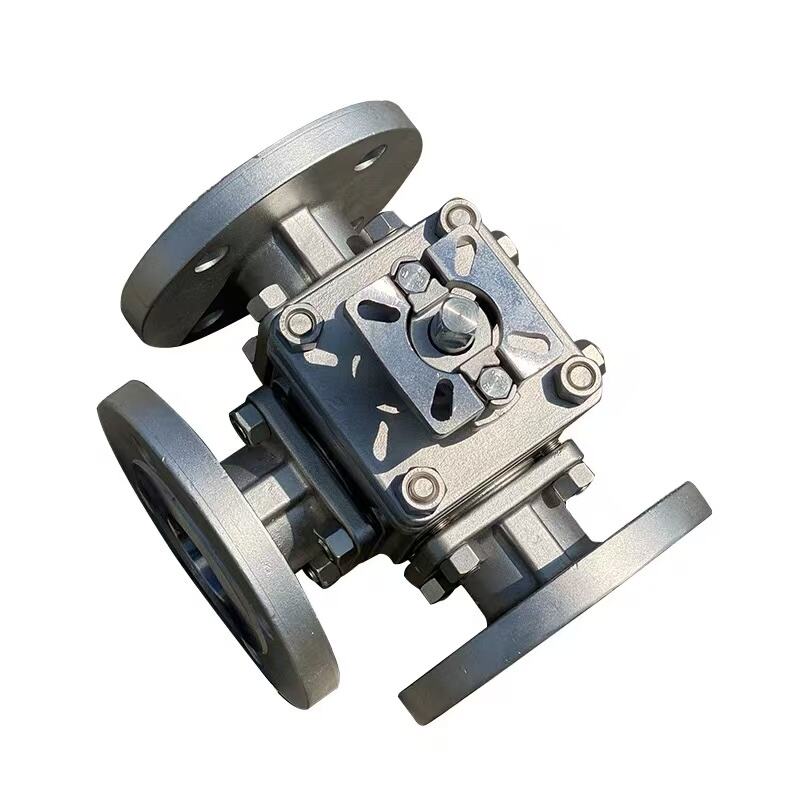
When it comes to selecting the right valve for an industrial fluid control system, few decisions carry more long-term consequence than the choice of material. The stainless steel ball valve is one of the most widely specified options across process industries, but it is far from the only choice available. Carbon steel, brass, PVC, and exotic alloys like titanium all compete for the same applications, each offering a distinct combination of mechanical properties, corrosion resistance, cost, and service life. Understanding which material genuinely fits your system requirements — rather than defaulting to the most familiar option — is the foundation of sound engineering practice.
This article provides a detailed, practical framework for choosing between a stainless steel ball valve and its most common alternatives. Rather than offering a simple ranking, it examines the specific conditions under which each material type excels, where each falls short, and what decision criteria should guide engineers, procurement teams, and plant managers when specifying valves for demanding service environments. Whether you are upgrading an aging pipeline, specifying a new system, or troubleshooting premature valve failures, understanding the relative strengths of each material category will lead to more confident, cost-effective decisions.
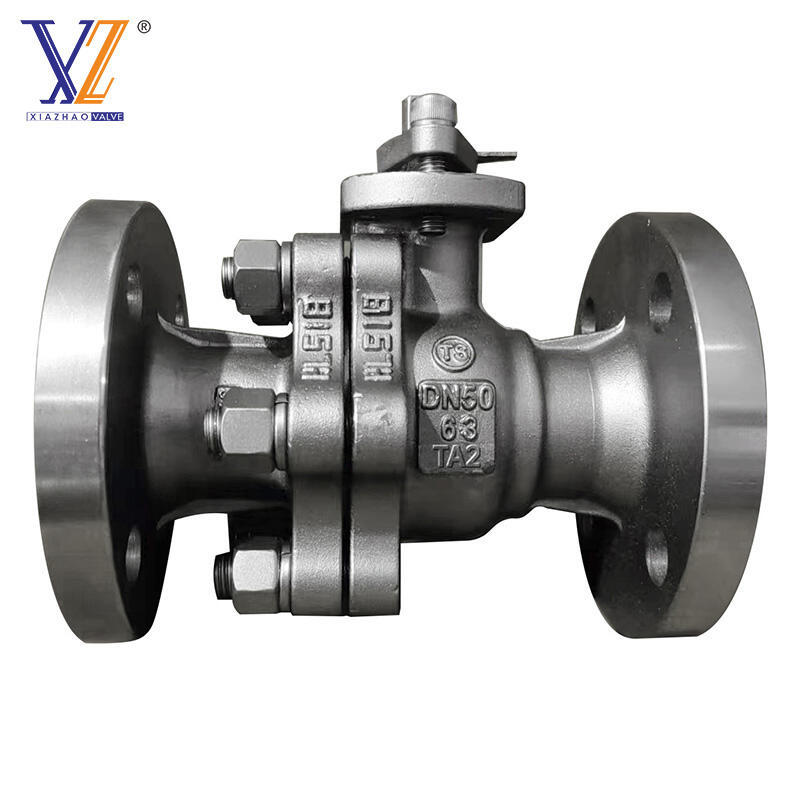
Understanding the Core Properties of a Stainless Steel Ball Valve
Corrosion Resistance and Alloy Composition
The stainless steel ball valve derives its primary advantage from the chromium content in its alloy — typically a minimum of 10.5% chromium, which forms a passive oxide layer on the surface that resists oxidation and corrosion. The most common grades used in valve manufacturing are 304 and 316 stainless steel. Grade 316 incorporates molybdenum, which significantly enhances resistance to chloride-induced pitting and crevice corrosion, making it more suitable for marine, chemical processing, and offshore environments. This built-in corrosion resistance is a key reason why the stainless steel ball valve has become a default specification in industries where fluid purity and pipeline longevity are critical concerns.
However, it is important to recognize that stainless steel is not universally corrosion-proof. In highly concentrated sulfuric acid, hydrofluoric acid, or strong caustic solutions at elevated temperatures, standard stainless steel grades can suffer accelerated degradation. Engineers specifying a stainless steel ball valve for aggressive chemical service must consult corrosion compatibility data to confirm the alloy's suitability for the specific media, concentration, temperature, and pressure involved.
Mechanical Strength and Temperature Range
A stainless steel ball valve offers a strong combination of tensile strength, hardness, and ductility that suits it well to moderate-to-high pressure applications. Standard grades like 316L stainless steel maintain reliable mechanical integrity across a broad temperature range, from cryogenic conditions down to approximately -196°C up to service temperatures approaching 400°C, depending on the grade and pressure class. This temperature versatility makes the stainless steel ball valve a practical all-rounder for steam, hot oil, cryogenic gas, and general process fluid services.
When compared directly against carbon steel, stainless steel delivers equivalent or superior strength in many configurations, with the added benefit of not requiring protective coatings to prevent rust. This eliminates maintenance steps and reduces the risk of coating failure leading to sudden corrosion. For systems that cycle between hot and cold conditions, the consistent thermal behavior of stainless steel alloys contributes to dimensional stability and reliable sealing over time.
Carbon Steel Ball Valves: Where Cost Meets Limitation
The Cost Advantage and Its Boundaries
Carbon steel ball valves are commonly chosen for their lower upfront material cost compared to a stainless steel ball valve. In dry or non-corrosive service environments — such as natural gas distribution lines, compressed air systems, or hydraulic oil circuits — carbon steel can deliver reliable performance at a reduced procurement price. For large-volume installations where the fluid media carries no significant corrosion risk, carbon steel may offer a legitimate cost-saving alternative.
The limitation becomes apparent the moment moisture, process acids, or chlorinated media enter the equation. Carbon steel is highly susceptible to oxidation and requires either internal lining, external coating, or cathodic protection to remain functional in wet or chemically active environments. The total cost of ownership for a carbon steel valve in a corrosive service often exceeds that of a stainless steel ball valve once maintenance, replacement cycles, and unplanned downtime are factored in. The initial saving frequently evaporates over a three-to-five year service horizon.
Applications Where Carbon Steel Remains Appropriate
Carbon steel ball valves continue to be a rational choice in high-pressure, high-temperature oil and gas pipelines where the fluid is dry hydrocarbon and where the system is engineered for cathodic protection and scheduled inspection. Refineries and upstream production facilities frequently operate carbon steel valves at pressure classes of ANSI 600 and above, benefiting from the alloy's well-understood behavior under cyclic stress and high-pressure differential conditions. In these environments, the engineering controls in place compensate for the material's corrosion vulnerability.
The decision between carbon steel and a stainless steel ball valve in these settings is rarely driven by corrosion alone — it also involves weldability, availability of compatible fittings, material certification requirements, and project specification standards. Procurement teams working in regulated industries must also consider the full documentation trail associated with each material, since stainless steel often comes with more comprehensive mill certifications and traceability records that simplify compliance audits.
Brass and Bronze Ball Valves: Smaller Scale, Specific Fit
Where Brass Valves Perform Well
Brass ball valves occupy a specific niche in low-pressure, smaller-diameter applications such as plumbing, HVAC systems, water treatment equipment, and light industrial fluid handling. Brass offers reasonable corrosion resistance in neutral water service, is easily machined to tight tolerances, and carries a lower material cost than a stainless steel ball valve in small sizes. For building services applications and instrumentation lines carrying clean water or compressed air, brass valves remain a cost-effective and reliable specification.
The critical limitation of brass in industrial service is its vulnerability to dezincification — a process in which zinc leaches from the alloy, leaving a porous, weakened copper structure behind. This phenomenon is accelerated by slightly acidic water, high chlorine content, or elevated temperatures. Brass valves are also generally limited to lower pressure ratings and smaller nominal bore sizes, which restricts their applicability in process industries. When service conditions exceed the comfort zone of brass, engineers typically step up to a stainless steel ball valve as the logical next tier.
Bronze as an Alternative in Marine Contexts
Bronze ball valves, formulated with tin instead of zinc, offer better resistance to dezincification and have historically been used in marine service, shipbuilding, and seawater handling systems. Bronze provides good corrosion resistance in saltwater environments at moderate temperatures and pressures. However, the weight of bronze, its limited availability in larger bore sizes, and the superior chloride resistance of molybdenum-bearing stainless steel grades have steadily reduced the dominance of bronze in modern marine valve specifications. A 316 stainless steel ball valve now frequently displaces bronze in offshore and coastal installations where chloride exposure is a primary concern.
The choice between bronze and stainless steel in marine contexts often comes down to the specific water chemistry, temperature, velocity, and the presence of any galvanic coupling risks with adjacent piping materials. Both materials have a legitimate place in well-designed marine systems, but the broader compatibility and higher mechanical ratings of stainless steel make it the more flexible long-term choice across diverse marine applications.
Titanium Ball Valves: The High-Performance Alternative
When Stainless Steel Reaches Its Limits
There are service conditions where even a well-specified stainless steel ball valve is not adequate, and this is where titanium alloy valves become relevant. Titanium offers exceptional corrosion resistance in environments that aggressively attack stainless steel — including wet chlorine gas, hypochlorite solutions, oxidizing acids, and highly concentrated seawater systems. Its oxide layer is more stable and regenerates faster than that of stainless steel, providing a higher baseline of protection in chemically hostile media. For applications in chlor-alkali plants, desalination systems, pharmaceutical manufacturing with aggressive solvents, and offshore processing of produced water with high chloride content, titanium valves deliver measurably longer service life.
Titanium also offers a favorable strength-to-weight ratio compared to both stainless steel and carbon steel, which can be significant in weight-sensitive installations such as offshore platforms or aerial piping systems. Its biocompatibility makes it attractive for pharmaceutical and food-grade applications where metallic contamination is an absolute concern. For engineers working at the edge of what a stainless steel ball valve can handle, titanium represents a well-proven upgrade path rather than an experimental choice.
Cost-Benefit Perspective on Titanium
The higher initial procurement cost of titanium valves relative to a standard stainless steel ball valve is a real consideration, but it must be evaluated against the total cost of failure. In services where a corroded valve can trigger a process shutdown, a product contamination event, or a safety incident, the premium for titanium is often absorbed within the first or second avoided incident. Industries with strict uptime requirements — such as continuous chemical production, offshore extraction, and pharmaceutical filling lines — consistently find the economics of titanium favorable when the full lifecycle cost model is applied.
It is also worth noting that titanium valves are not universally more expensive in total cost terms. When the maintenance interval of a titanium valve extends three or four times beyond that of a stainless steel ball valve in the same corrosive service, the annualized material, labor, and downtime costs may actually favor titanium. Procurement decisions made purely on line-item price often miss this calculation, leading to repeated valve replacements that cumulatively far exceed the one-time cost of the more durable option.
PVC and Polymer Ball Valves: Non-Metallic Considerations
Strengths and Typical Use Cases
Polymer ball valves, most commonly manufactured from PVC, CPVC, or PVDF, offer excellent resistance to a wide range of acids, bases, and oxidizing chemicals that would damage even a high-grade stainless steel ball valve. In chemical dosing systems, laboratory fluid handling, water treatment plants, and semiconductor manufacturing, polymer valves provide reliable, cost-effective service in highly aggressive media. They are also electrically non-conductive, which is an important property in environments where stray electrical currents could accelerate corrosion in metal valves.
The fundamental trade-off with polymer valves is their significantly lower mechanical strength, limited temperature resistance, and reduced pressure ratings compared to any metal valve, including a stainless steel ball valve. Standard PVC valves typically cannot be used above 60°C, and their impact resistance is substantially lower than metal, making them unsuitable for services with mechanical shock, high-velocity flow, or significant thermal cycling. They are a specific-purpose tool, not a general-purpose substitute for metal valves in demanding industrial settings.
Making the Transition Back to Metal
In many chemical plants, the same piping system may use polymer valves in low-pressure dosing sections and a stainless steel ball valve in the higher-pressure distribution headers. This hybrid approach allows designers to match material properties to the specific demands at each point in the system, rather than applying a single material specification throughout. Understanding the service boundaries of each valve type is what enables this kind of optimized system design.
When temperature increases, pressure ratings rise, or mechanical integrity becomes the governing concern, the case for transitioning from polymer to a stainless steel ball valve becomes clear. The decision is not about which material is generally superior — it is about which material property profile aligns with the actual service condition at each specific point in the system. This is precisely the kind of context-specific thinking that distinguishes experienced valve engineers from those who simply apply a blanket specification.
FAQ
What makes a stainless steel ball valve better than carbon steel for chemical service?
A stainless steel ball valve contains chromium and, in the case of 316 grade, molybdenum, which together form a stable passive layer that resists corrosion from most process chemicals, moisture, and chlorides. Carbon steel lacks this intrinsic corrosion resistance and requires protective coatings or cathodic protection to survive in wet or chemically active environments. Over a full service lifecycle, the stainless steel option typically delivers lower total cost in corrosive service due to reduced maintenance, longer replacement intervals, and fewer unplanned shutdowns.
When should a titanium valve be chosen over a stainless steel ball valve?
Titanium valves are the appropriate choice when the process media is known to attack stainless steel — such as wet chlorine, concentrated hypochlorite, high-chloride produced water, or certain oxidizing acids. A stainless steel ball valve may fail prematurely in these environments due to pitting or stress corrosion cracking, while titanium maintains its structural and sealing integrity. The decision is typically driven by corrosion compatibility data, service history in similar plants, and a lifecycle cost analysis that accounts for replacement and downtime costs.
Is a stainless steel ball valve suitable for high-temperature steam service?
Yes, a stainless steel ball valve in appropriate grades — such as 316 or 321 — can handle steam service across a range of temperatures and pressures, provided the seat and seal materials are selected for high-temperature compatibility. Standard PTFE seats are typically limited to around 200°C, while metal-seated configurations extend the usable range significantly. Engineers specifying a stainless steel ball valve for steam should confirm the complete assembly's temperature and pressure rating, not just the body material, to ensure reliable long-term sealing performance.
Can a stainless steel ball valve replace brass in water supply systems?
A stainless steel ball valve can directly replace brass in most water supply applications and is generally the preferred choice where water chemistry is aggressive — such as slightly acidic pH, high chlorine content, or elevated temperature domestic hot water. Stainless steel is immune to dezincification, which is the most common failure mode for brass valves in challenging water conditions. While brass remains cost-competitive in benign water services, upgrading to a stainless steel ball valve in municipal, industrial, or potable water systems with variable or aggressive chemistry eliminates a known risk factor with modest additional investment.
Table of Contents
- Understanding the Core Properties of a Stainless Steel Ball Valve
- Carbon Steel Ball Valves: Where Cost Meets Limitation
- Brass and Bronze Ball Valves: Smaller Scale, Specific Fit
- Titanium Ball Valves: The High-Performance Alternative
- PVC and Polymer Ball Valves: Non-Metallic Considerations
-
FAQ
- What makes a stainless steel ball valve better than carbon steel for chemical service?
- When should a titanium valve be chosen over a stainless steel ball valve?
- Is a stainless steel ball valve suitable for high-temperature steam service?
- Can a stainless steel ball valve replace brass in water supply systems?