EN
EN

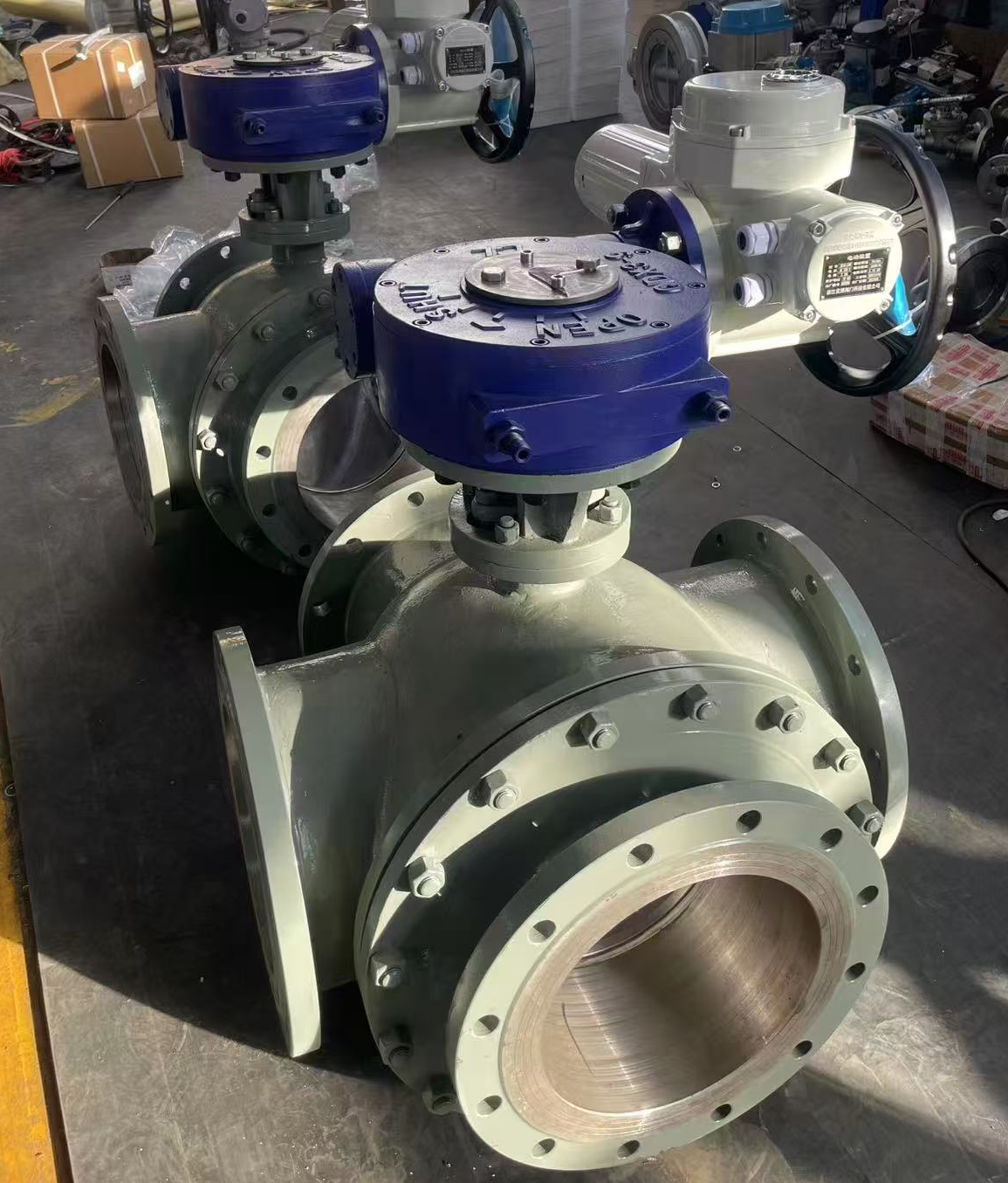
When evaluating flow control solutions for industrial pipelines, one of the most common questions engineers and procurement teams face is whether a carbon steel flanged ball valve is the right fit for their specific application. The answer is not always straightforward. It depends on operating pressure, temperature range, media compatibility, and the mechanical demands of the system. Understanding what this valve type offers — and where it has limitations — is the foundation of a sound specification decision.
A carbon steel flanged ball valve combines the structural strength of carbon steel with the reliable shutoff performance of a ball valve mechanism and the secure, leak-resistant connection of a flanged end. This combination makes it a widely used component across oil and gas, petrochemical, power generation, and water treatment industries. But suitability is always context-dependent, and this article is designed to help you make that judgment with clarity and confidence.
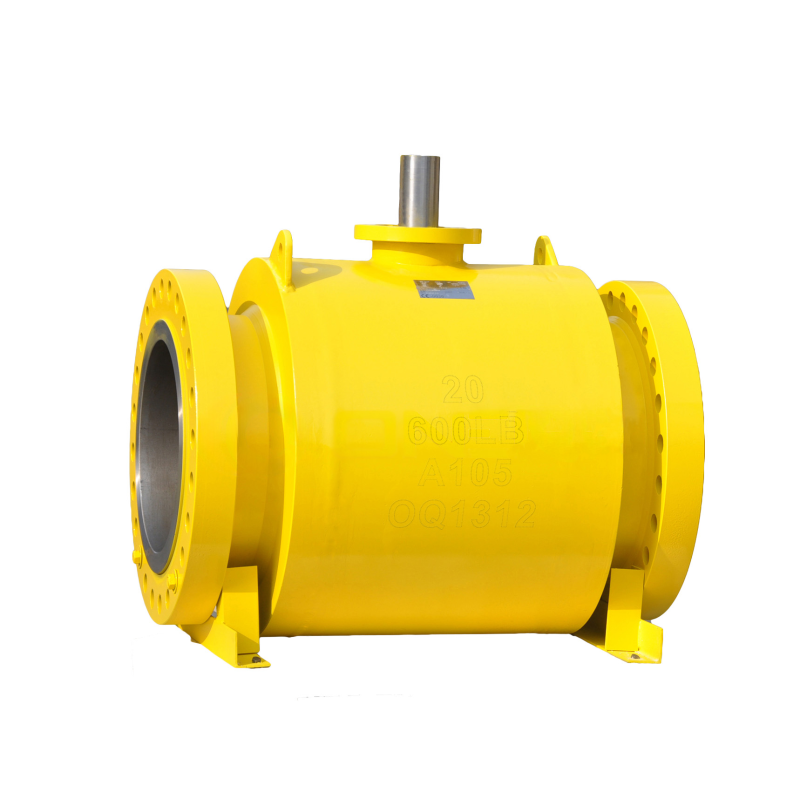
What Defines a Carbon Steel Flanged Ball Valve
Material Composition and Mechanical Properties
Carbon steel is an iron-carbon alloy with carbon content typically ranging from 0.05% to 2.0%. In valve manufacturing, grades such as ASTM A216 WCB and A105 are the most commonly specified for pressure-containing components. These materials offer a strong balance of tensile strength, hardness, and machinability, making them well-suited for demanding industrial environments where mechanical integrity is non-negotiable.
The carbon steel flanged ball valve body fabricated from these grades can handle significant mechanical stress without deformation. This is particularly important in high-pressure systems where valve bodies are subjected to both internal fluid pressure and external pipeline loads. The material's predictable behavior under stress makes it easier to engineer safe, reliable installations.
It is worth noting that carbon steel has lower corrosion resistance compared to stainless steel or duplex alloys. This means the suitability of a carbon steel flanged ball valve is closely tied to the nature of the process fluid and the environmental conditions surrounding the installation. For dry gases, hydrocarbons, and non-corrosive liquids, carbon steel performs exceptionally well over long service lives.
The Flanged End Connection Advantage
The flanged end configuration is one of the defining features of this valve type. Flanged connections, governed by standards such as ASME B16.5, allow the valve to be bolted directly into a pipeline using mating flanges. This creates a robust, pressure-rated joint that can be disassembled for maintenance, inspection, or replacement without cutting the pipe.
For a carbon steel flanged ball valve, this means the valve can be removed from service and reinstalled multiple times without compromising the integrity of the pipeline connection. In industrial facilities where maintenance schedules are critical and downtime is costly, this feature has significant operational value. It also simplifies valve replacement when wear or damage occurs over time.
Flanged ends are available in raised face (RF), ring-type joint (RTJ), and flat face configurations, each suited to different pressure classes and sealing requirements. The choice of face type affects gasket selection and the overall sealing performance of the assembly, which is why matching the valve's flange specification to the pipeline standard is an essential step in the procurement process.
When a Carbon Steel Flanged Ball Valve Is the Right Choice
High-Pressure and High-Temperature Applications
One of the strongest arguments for selecting a carbon steel flanged ball valve is its performance in high-pressure service. Carbon steel valve bodies rated to ASME pressure classes from 150 to 2500 can handle pressures that would be impractical or cost-prohibitive with other materials. This makes the carbon steel flanged ball valve a natural fit for upstream oil and gas pipelines, refinery process lines, and high-pressure steam systems.
Temperature performance is equally important. Carbon steel maintains its mechanical properties across a broad temperature range, typically from -29°C to 425°C depending on the specific grade and heat treatment. For applications operating within this envelope, a carbon steel flanged ball valve provides reliable performance without the need for more exotic alloys. Beyond this range, engineers should evaluate alternative materials to avoid embrittlement or creep-related failures.
In trunnion-mounted designs, the ball is supported by upper and lower trunnions, which reduces the operating torque required and improves sealing consistency under high differential pressure. This design is particularly relevant for large-diameter or high-pressure applications where a floating ball design would place excessive load on the downstream seat.
Non-Corrosive and Hydrocarbon Media
The carbon steel flanged ball valve is well-matched to media that do not aggressively attack carbon steel. Crude oil, natural gas, refined petroleum products, compressed air, and steam are all common service fluids where carbon steel performs reliably over extended service periods. The material's resistance to these media, combined with its mechanical strength, makes it a cost-effective choice compared to higher-alloy alternatives.
For wet or sour service environments containing hydrogen sulfide (H₂S), additional material qualifications under NACE MR0175 / ISO 15156 may be required. In these cases, the carbon steel used in the valve body and trim must meet specific hardness and heat treatment requirements to prevent sulfide stress cracking. A properly specified carbon steel flanged ball valve can still be used in sour service, but the specification process requires more careful attention to material certification.
Where the process fluid contains significant water content, chlorides, or acidic compounds, the corrosion risk to carbon steel increases substantially. In these scenarios, the engineer must weigh whether internal coatings, inhibitors, or a switch to a more corrosion-resistant alloy is the more practical long-term solution. The carbon steel flanged ball valve is not universally suitable, and honest material selection is always preferable to a costly in-service failure.
Key Standards and Specifications to Understand
API 6D and ASME B16.5 Compliance
For pipeline applications, API 6D is the governing standard for pipeline valves, covering design, manufacturing, testing, and documentation requirements. A carbon steel flanged ball valve manufactured to API 6D provides assurance that the valve has been designed and tested to meet the rigorous demands of pipeline service. This includes requirements for pressure testing, seat leakage, and operational cycle testing that go beyond general industrial valve standards.
ASME B16.5 governs the dimensional and pressure-temperature rating requirements for flanged fittings and valves in sizes NPS ½ through NPS 24. When a carbon steel flanged ball valve is specified to ASME B16.5, the buyer can be confident that the flange dimensions, bolt circle, and pressure ratings are standardized and compatible with the existing pipeline infrastructure. This interchangeability is a significant practical benefit in large industrial facilities.
Together, API 6D and ASME B16.5 form the backbone of most pipeline valve specifications in the oil and gas sector. Understanding which standards apply to your application — and verifying that the valve supplier can provide the corresponding documentation and test certificates — is a fundamental part of responsible procurement for any carbon steel flanged ball valve purchase.
Fire-Safe Design Requirements
In hydrocarbon service, fire safety is a critical design consideration. A fire-safe carbon steel flanged ball valve is designed to maintain a degree of sealing integrity even when the primary soft seats have been damaged or destroyed by fire. This is achieved through the use of metal-to-metal secondary seats or fire-safe seat designs that activate under elevated temperature conditions.
API 607 is the standard that defines fire testing requirements for soft-seated quarter-turn valves. A carbon steel flanged ball valve certified to API 607 has been subjected to controlled fire testing to verify that it can limit leakage to acceptable levels during and after a fire event. For facilities handling flammable or combustible fluids, specifying a fire-safe valve is not just a best practice — it is often a regulatory requirement.
When reviewing valve datasheets and certifications, buyers should confirm that the fire-safe certification applies to the specific valve configuration being purchased, including the size, pressure class, and seat material. A general reference to API 607 compliance without a specific test certificate for the valve configuration in question should be treated with caution during the qualification process.
Limitations and Scenarios Where Carbon Steel May Not Be Ideal
Corrosive and Chemically Aggressive Media
The most significant limitation of the carbon steel flanged ball valve is its vulnerability to corrosion in aggressive chemical environments. Strong acids, alkalis, seawater, and chloride-rich fluids can cause rapid deterioration of carbon steel valve bodies, leading to wall thinning, pitting, and eventual failure. In these applications, stainless steel, duplex stainless steel, or exotic alloys such as Inconel or Hastelloy are more appropriate choices.
External corrosion is also a concern in offshore, coastal, or buried pipeline applications where the valve is exposed to moisture, salt spray, or soil corrosion. While protective coatings and cathodic protection systems can extend the service life of a carbon steel flanged ball valve in these environments, the maintenance burden is higher than for inherently corrosion-resistant materials. This lifecycle cost consideration should be factored into the total cost of ownership analysis.
For cryogenic applications below -29°C, standard carbon steel grades lose ductility and become susceptible to brittle fracture. Low-temperature carbon steel (LTCS) grades such as ASTM A352 LCB can extend the lower temperature limit, but for very low temperature service, austenitic stainless steel or nickel alloy materials are generally preferred. The carbon steel flanged ball valve is not the default choice for cryogenic service without careful material verification.
Low-Pressure and Small-Bore Applications
In low-pressure utility systems, instrument lines, or small-bore piping where the mechanical demands are modest, the cost and weight of a full carbon steel flanged ball valve may not be justified. Threaded or socket-weld end valves in smaller sizes, or valves in lighter-duty materials, may offer a more economical and practical solution without sacrificing reliability.
The flanged end configuration itself adds cost and installation complexity compared to threaded or butt-weld connections. For applications where the pipeline will not require frequent valve removal, and where the pressure class does not mandate flanged connections, alternative end configurations may be more appropriate. The carbon steel flanged ball valve delivers its greatest value in medium to large bore, high-pressure applications where its strengths are fully utilized.
Procurement teams should also consider the weight implications of carbon steel flanged valves in large sizes. A Class 600 or Class 900 carbon steel flanged ball valve in sizes above NPS 12 can be extremely heavy, requiring appropriate structural support and lifting equipment during installation and maintenance. This is a practical consideration that affects both installation cost and long-term maintenance planning.
How to Evaluate Fit for Your Specific Application
Building a Clear Service Specification
The most reliable way to determine whether a carbon steel flanged ball valve is right for your application is to build a complete service specification before engaging suppliers. This specification should include the process fluid composition, operating pressure and temperature range, design pressure and temperature, flow rate, and any special service conditions such as sour service, fire hazard classification, or cyclic operation requirements.
With this information in hand, the material selection process becomes systematic rather than intuitive. Carbon steel can be confirmed as suitable or ruled out based on objective criteria rather than general assumptions. The same specification also drives the selection of seat materials, stem packing, and end connection type, ensuring that the complete valve assembly is matched to the service conditions rather than just the body material.
Engaging a qualified valve engineer or technical sales specialist early in the specification process can prevent costly misspecifications. A carbon steel flanged ball valve that is correctly specified for its service conditions will deliver years of reliable performance. One that is underspecified or applied outside its design envelope can become a maintenance liability or a safety risk.
Reviewing Supplier Documentation and Certifications
Once the service specification is defined, evaluating supplier documentation is the next critical step. For a carbon steel flanged ball valve in critical service, buyers should request material test reports (MTRs) confirming the chemical composition and mechanical properties of the valve body and trim materials. These reports should trace back to the specific heat of steel used in manufacturing.
Pressure test certificates, dimensional inspection reports, and third-party inspection records are also standard documentation requirements for valves in pipeline and process service. For fire-safe valves, the API 607 test certificate should identify the specific valve model, size, and pressure class that was tested. Accepting documentation that does not clearly match the valve being purchased introduces unnecessary risk into the procurement process.
Quality management system certifications such as ISO 9001, combined with product-specific certifications like API 6D monogram licensing, provide additional assurance that the manufacturer operates under a controlled quality system. For a carbon steel flanged ball valve destined for critical pipeline service, these certifications are not optional extras — they are baseline requirements that protect both the buyer and the end user.
FAQ
What pressure classes are available for carbon steel flanged ball valves?
A carbon steel flanged ball valve is available across a wide range of ASME pressure classes, typically from Class 150 through Class 2500. The appropriate pressure class depends on the maximum allowable operating pressure and temperature of the system. Higher pressure classes require heavier wall thicknesses and larger flange dimensions, which increases both cost and weight. Always verify the pressure-temperature rating table for the specific material grade and class before finalizing the specification.
Can a carbon steel flanged ball valve be used in steam service?
Yes, a carbon steel flanged ball valve can be used in steam service within the temperature limits of the carbon steel grade specified. For saturated or superheated steam applications, the valve body material, seat design, and stem packing must all be rated for the operating temperature. PTFE seats are not suitable for high-temperature steam; graphite or metal seats are typically required. Always confirm the complete valve assembly rating, not just the body material, when specifying for steam service.
What is the difference between a trunnion-mounted and floating ball design in a carbon steel flanged ball valve?
In a floating ball design, the ball is not mechanically fixed and is pushed against the downstream seat by line pressure, which creates the seal. In a trunnion-mounted carbon steel flanged ball valve, the ball is supported by fixed trunnions above and below, and the seats are spring-loaded against the ball. Trunnion designs are preferred for larger sizes and higher pressure classes because they reduce operating torque and provide more consistent sealing performance under varying pressure conditions.
How do I know if I need a fire-safe carbon steel flanged ball valve?
Fire-safe certification is typically required when the valve is installed in a system handling flammable or combustible hydrocarbons, particularly in refineries, petrochemical plants, offshore platforms, and LNG facilities. Many industry standards and facility safety regulations mandate fire-safe valves in these environments. If your application involves flammable media and the valve is located in an area classified as a fire hazard zone, specifying a carbon steel flanged ball valve certified to API 607 is the appropriate course of action. Consult your facility's safety and engineering standards for specific requirements.
Table of Contents
- What Defines a Carbon Steel Flanged Ball Valve
- When a Carbon Steel Flanged Ball Valve Is the Right Choice
- Key Standards and Specifications to Understand
- Limitations and Scenarios Where Carbon Steel May Not Be Ideal
- How to Evaluate Fit for Your Specific Application
-
FAQ
- What pressure classes are available for carbon steel flanged ball valves?
- Can a carbon steel flanged ball valve be used in steam service?
- What is the difference between a trunnion-mounted and floating ball design in a carbon steel flanged ball valve?
- How do I know if I need a fire-safe carbon steel flanged ball valve?