EN
EN

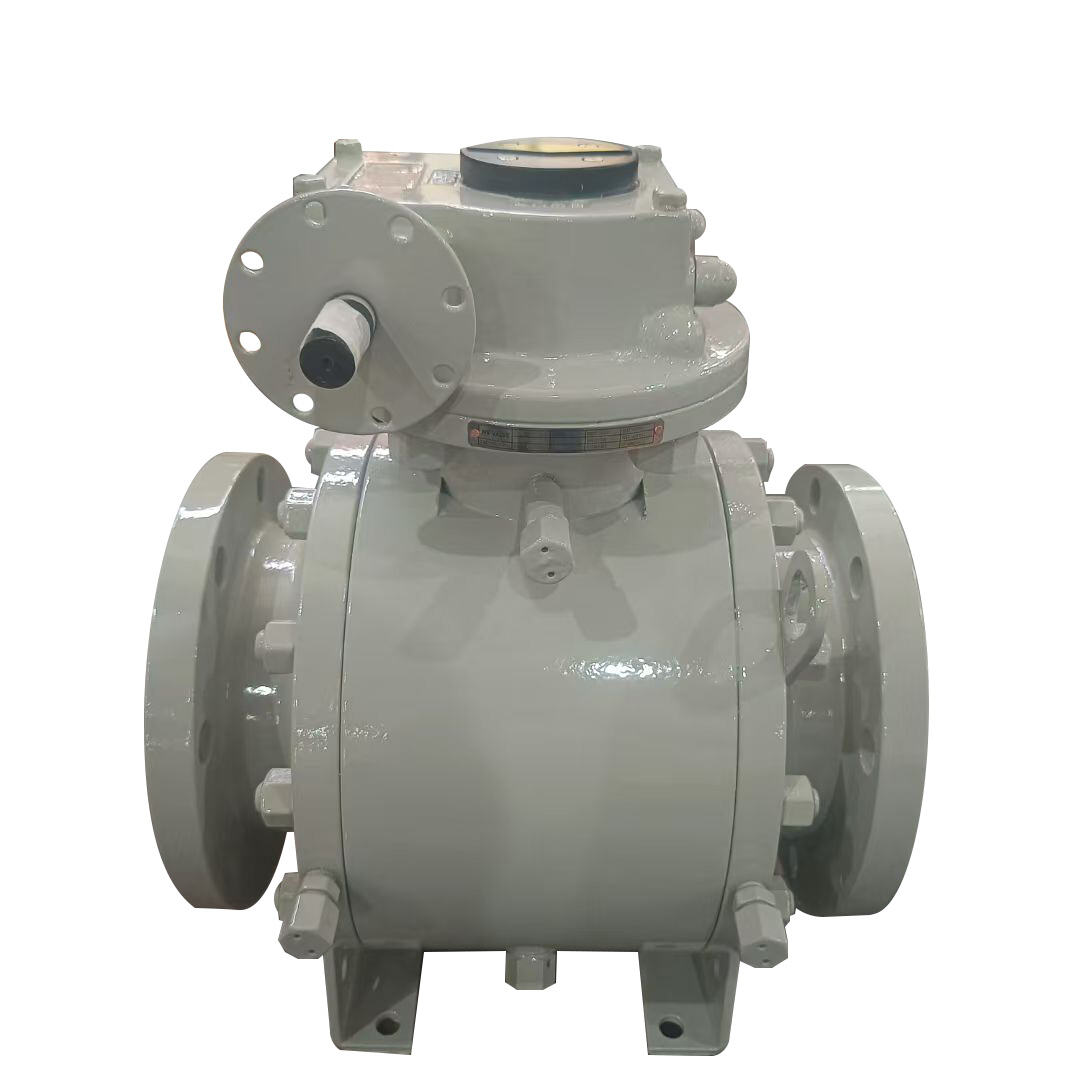
When engineers and procurement specialists evaluate valve materials for demanding industrial pipelines, the carbon steel flanged ball valve consistently emerges as a leading choice. Its combination of mechanical strength, pressure tolerance, and cost efficiency makes it a practical solution across oil and gas, petrochemical, power generation, and water treatment industries. Understanding exactly why this material outperforms alternatives helps procurement teams and engineers make more confident, specification-driven decisions.
The material selection behind a carbon steel flanged ball valve is not simply a matter of tradition or cost-cutting. Carbon steel offers a well-documented set of physical and chemical properties that translate directly into operational reliability, long service life, and compatibility with a wide range of industrial media. This article breaks down the top material benefits that make carbon steel the preferred body material for flanged ball valves in high-stakes pipeline systems.
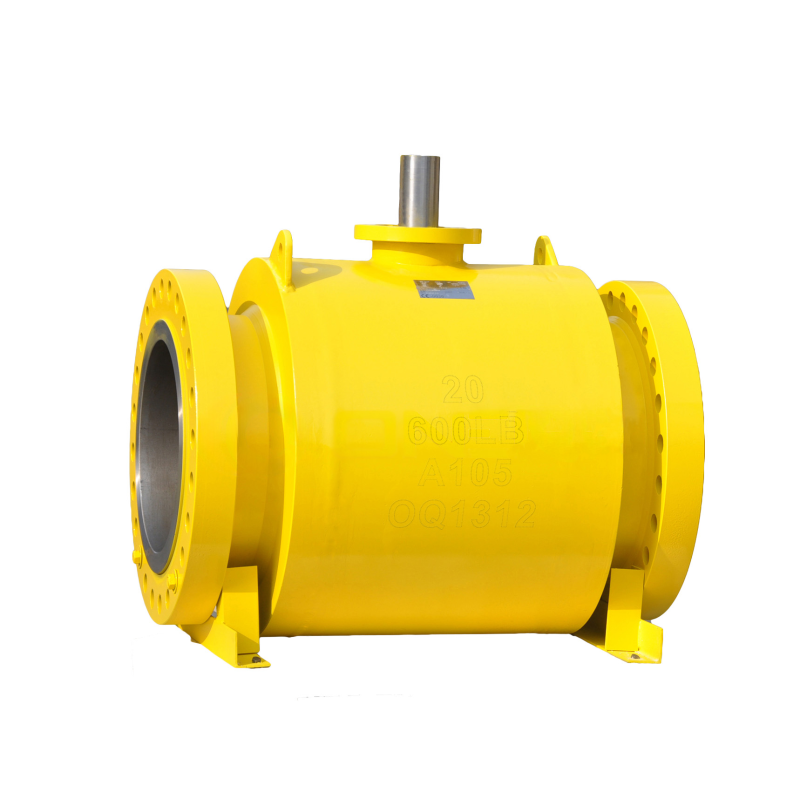
Mechanical Strength and Pressure Handling Capability
High Tensile Strength Under Operating Loads
One of the most critical material benefits of a carbon steel flanged ball valve is its high tensile strength. Carbon steel, particularly grades such as ASTM A216 WCB and A105, delivers tensile strength values that comfortably exceed the demands of most industrial pipeline systems. This means the valve body can withstand significant internal pressure without deforming, cracking, or failing under sustained load conditions.
In high-pressure applications such as oil transmission lines or steam systems, the structural integrity of the valve body is non-negotiable. A carbon steel flanged ball valve maintains dimensional stability even when subjected to pressure surges, water hammer events, or thermal cycling. This resilience reduces the risk of catastrophic failure and supports the overall safety of the pipeline system.
The flanged connection design further reinforces this strength advantage. Flanged ends distribute mechanical stress more evenly across the joint compared to threaded or socket-weld connections, making the carbon steel flanged ball valve particularly well-suited for large-diameter, high-pressure service lines where joint integrity is critical.
Pressure Class Versatility Across Applications
Carbon steel as a body material supports a broad range of pressure class ratings, from ASME Class 150 through Class 2500. This versatility means a single material choice can serve across multiple pressure tiers within the same facility or project, simplifying procurement, inventory management, and maintenance planning.
For project engineers specifying valves across different service conditions, the ability to rely on carbon steel flanged ball valve designs across pressure classes reduces the complexity of managing multiple material specifications. It also ensures that replacement parts and maintenance procedures remain consistent, which lowers long-term operational costs.
This pressure class range also aligns well with international standards such as API 6D and ASME B16.5, which are commonly referenced in industrial valve specifications. A carbon steel flanged ball valve manufactured to these standards provides engineers with a reliable, auditable performance baseline.
Temperature Performance and Thermal Stability
Reliable Performance Across a Wide Temperature Range
Carbon steel maintains its mechanical properties across a wide service temperature range, typically from approximately -29°C to 425°C depending on the specific grade and heat treatment. This thermal range covers the majority of industrial process conditions encountered in refining, power generation, and chemical processing environments.
A carbon steel flanged ball valve operating within this temperature envelope retains its yield strength, impact resistance, and dimensional accuracy. Unlike some alternative materials that soften or become brittle at temperature extremes, carbon steel grades used in valve manufacturing are specifically selected and tested to maintain consistent performance throughout their rated service range.
For steam service, hot oil systems, and high-temperature gas lines, the thermal stability of a carbon steel flanged ball valve provides engineers with confidence that the valve will not experience premature seat leakage, body distortion, or stem binding due to thermal expansion mismatches between components.
Thermal Conductivity and Its Practical Implications
Carbon steel has relatively high thermal conductivity compared to stainless steel or exotic alloys. In practical terms, this means a carbon steel flanged ball valve responds more quickly to temperature changes in the process fluid, which can be advantageous in systems where thermal equilibration is important for process control or where heat tracing is applied to prevent fluid solidification.
The thermal conductivity of carbon steel also plays a role in fire-safe valve design. When a carbon steel flanged ball valve is specified with fire-safe certification per API 607, the material's thermal behavior is factored into the design to ensure that the valve maintains a degree of sealing integrity even when exposed to fire conditions. This is a critical safety consideration in hydrocarbon processing facilities.
Understanding the thermal characteristics of the valve body material helps engineers design more effective insulation, heat tracing, and thermal management systems around the valve, contributing to both process efficiency and personnel safety.
Cost Efficiency and Availability in Industrial Supply Chains
Lower Raw Material and Manufacturing Costs
From a procurement perspective, one of the most compelling material benefits of a carbon steel flanged ball valve is its cost efficiency relative to stainless steel, duplex steel, or nickel alloy alternatives. Carbon steel raw material is widely available globally, and the established manufacturing infrastructure for casting, forging, and machining carbon steel valve bodies keeps production costs competitive.
For large-scale projects requiring hundreds or thousands of valves, the cost differential between carbon steel and higher-alloy materials can represent a significant portion of the total project budget. Specifying a carbon steel flanged ball valve where the process conditions permit is a straightforward way to optimize capital expenditure without compromising on performance or safety standards.
The cost advantage extends beyond the initial purchase price. Carbon steel valve bodies are easier and less expensive to repair, re-machine, or refurbish compared to exotic alloy valves, which means lower lifecycle costs over the operational life of the installation.
Supply Chain Depth and Lead Time Advantages
Carbon steel is one of the most widely produced and stocked engineering materials in the world. This depth of supply chain availability translates directly into shorter lead times for carbon steel flanged ball valve procurement, which is a meaningful advantage in project-driven industries where schedule delays carry significant financial consequences.
Replacement valves, spare parts, and maintenance components for carbon steel flanged ball valve installations are generally easier to source quickly compared to valves made from specialty alloys. This availability reduces the risk of extended downtime during unplanned maintenance events, supporting higher plant availability and operational continuity.
For facilities operating in regions with developing industrial supply chains, the global availability of carbon steel materials and the widespread manufacturing capability for carbon steel flanged ball valve production provides additional procurement flexibility and reduces dependency on single-source suppliers.
Weldability and Integration with Pipeline Systems
Ease of Field Modification and Repair Welding
Carbon steel is one of the most weldable engineering materials available, and this property has direct practical value in industrial pipeline installations. While a carbon steel flanged ball valve uses flanged connections by design, the surrounding pipeline infrastructure is often welded, and the compatibility of carbon steel with standard welding procedures simplifies system integration and field modification work.
When pipeline systems require modification, extension, or repair, the ability to work with carbon steel components using standard welding procedures and consumables reduces the skill requirements, equipment needs, and procedural complexity involved. This is particularly relevant in remote or offshore installations where specialized welding resources may be limited.
The weldability of carbon steel also supports the fabrication of custom spool pieces, valve bypass assemblies, and instrumentation connections that are commonly required around a carbon steel flanged ball valve installation. These fabrication tasks can be completed efficiently using widely available welding processes such as SMAW, GTAW, and FCAW.
Compatibility with Standard Pipeline Materials
Most industrial pipelines in oil and gas, petrochemical, and power generation applications are constructed from carbon steel pipe and fittings. Specifying a carbon steel flanged ball valve ensures material compatibility throughout the pipeline system, eliminating concerns about galvanic corrosion at dissimilar metal interfaces and simplifying the documentation of material traceability for regulatory compliance purposes.
Material compatibility also simplifies the selection of gaskets, bolting, and flange facing specifications. When the valve body and the connecting pipeline share the same base material, the thermal expansion characteristics are matched, which reduces the risk of flange joint leakage due to differential thermal movement during startup, shutdown, or process upsets.
For engineers working within established material specifications on large projects, the straightforward compatibility of a carbon steel flanged ball valve with standard pipeline materials reduces the number of material interface reviews required during design and procurement, streamlining the overall project execution process.
Corrosion Management and Surface Protection Options
Coating and Lining Strategies for Corrosive Service
Carbon steel is susceptible to corrosion in the presence of moisture, oxygen, and certain chemical media, and this is a factor that must be addressed in valve specification. However, the carbon steel flanged ball valve benefits from a well-developed ecosystem of surface protection technologies that extend service life significantly in corrosive environments.
External coatings such as epoxy, polyurethane, and fusion-bonded epoxy systems provide effective protection against atmospheric corrosion and soil-side corrosion in buried or submerged installations. These coating systems are well-established, widely available, and can be applied to carbon steel flanged ball valve bodies during manufacturing or in the field during installation.
For internal corrosion protection in mildly corrosive service, internal lining options including epoxy coatings and electroless nickel plating can be applied to the flow path surfaces of a carbon steel flanged ball valve. These treatments extend the useful service life of the valve in applications where the process fluid has moderate corrosive potential but does not justify the cost of a full stainless steel or alloy valve body.
Corrosion Allowance in Design Standards
Industrial valve design standards explicitly account for the corrosion characteristics of carbon steel by incorporating corrosion allowances into wall thickness calculations. This means that a carbon steel flanged ball valve designed to ASME or API standards already includes a built-in material reserve that accommodates a defined level of corrosion over the expected service life of the valve.
Understanding and applying the appropriate corrosion allowance during specification ensures that the carbon steel flanged ball valve will maintain its pressure-containing integrity throughout its design life, even in environments where some degree of corrosion is anticipated. This approach allows engineers to use carbon steel confidently in a wider range of service conditions than might initially appear appropriate.
Regular inspection programs using ultrasonic thickness measurement and visual examination allow operators to monitor the actual corrosion rate of carbon steel flanged ball valve installations and adjust maintenance intervals accordingly. This data-driven approach to corrosion management supports informed decisions about valve replacement timing and helps avoid both premature replacement and unexpected failures.
FAQ
What grades of carbon steel are most commonly used in flanged ball valve manufacturing?
The most widely used carbon steel grades for carbon steel flanged ball valve bodies are ASTM A216 Grade WCB for cast valves and ASTM A105 for forged valves. These grades offer a well-balanced combination of tensile strength, impact toughness, weldability, and machinability that suits the majority of industrial pipeline service conditions. Both grades are recognized under major international standards including API 6D and ASME B16.34.
Is a carbon steel flanged ball valve suitable for corrosive chemical service?
A carbon steel flanged ball valve is generally not recommended for highly corrosive chemical service without additional protection measures such as internal lining or coating. For strongly acidic, alkaline, or chloride-rich media, stainless steel or alloy body materials are typically more appropriate. However, with proper coating systems and corrosion allowances, a carbon steel flanged ball valve can perform reliably in mildly corrosive environments and in services where the corrosive medium is well-characterized and manageable.
How does the flanged connection design benefit a carbon steel ball valve installation?
The flanged connection design of a carbon steel flanged ball valve provides several practical advantages over alternative end connections. Flanged joints allow the valve to be removed and replaced without cutting the pipeline, which simplifies maintenance and inspection activities. The bolted flange connection also distributes mechanical loads more evenly than threaded connections, reducing stress concentrations at the joint. Additionally, flanged connections are compatible with a wide range of gasket materials, allowing the joint sealing system to be optimized for the specific process fluid and temperature conditions.
What pressure classes are available for carbon steel flanged ball valves?
Carbon steel flanged ball valve designs are available across the full range of ASME pressure classes defined in ASME B16.5, from Class 150 through Class 2500. The specific pressure-temperature rating for a given valve depends on the carbon steel grade, the valve body wall thickness, and the design standard applied. Engineers should always verify the pressure-temperature rating table for the specific valve grade and class when specifying a carbon steel flanged ball valve for a given service condition, as ratings vary with temperature.
Table of Contents
- Mechanical Strength and Pressure Handling Capability
- Temperature Performance and Thermal Stability
- Cost Efficiency and Availability in Industrial Supply Chains
- Weldability and Integration with Pipeline Systems
- Corrosion Management and Surface Protection Options
-
FAQ
- What grades of carbon steel are most commonly used in flanged ball valve manufacturing?
- Is a carbon steel flanged ball valve suitable for corrosive chemical service?
- How does the flanged connection design benefit a carbon steel ball valve installation?
- What pressure classes are available for carbon steel flanged ball valves?