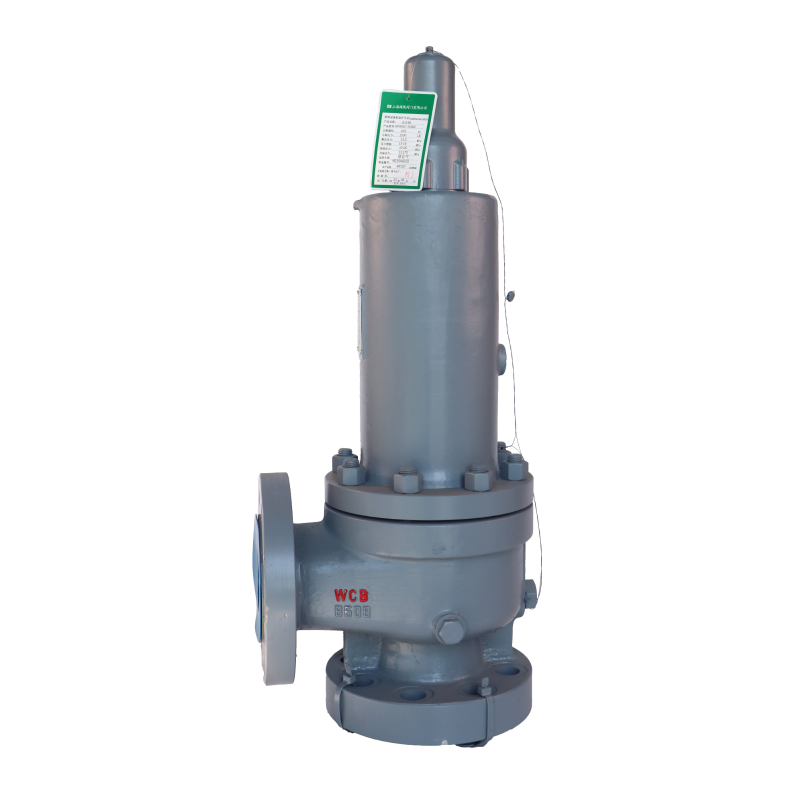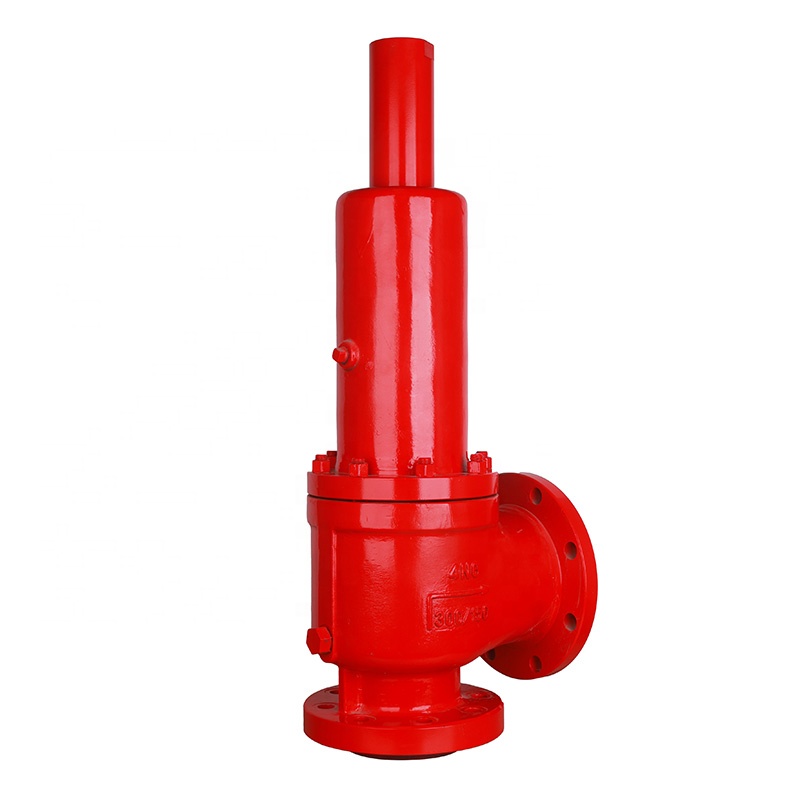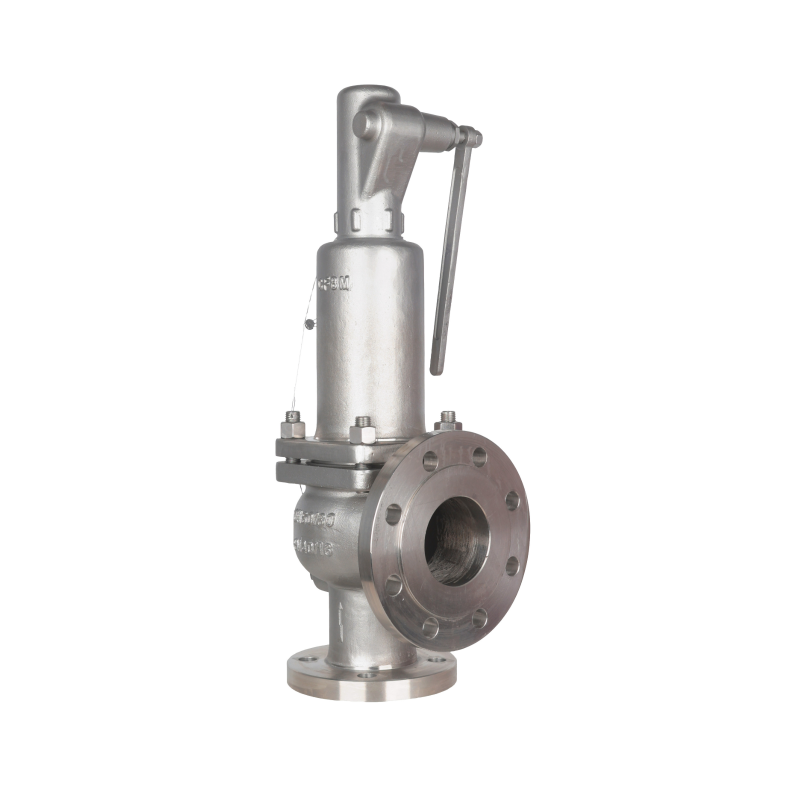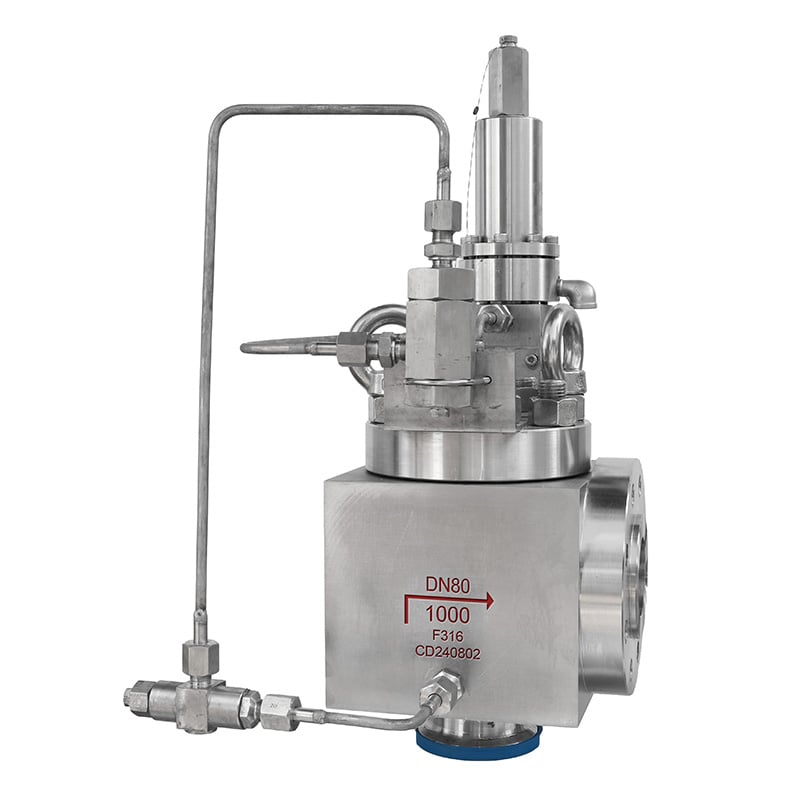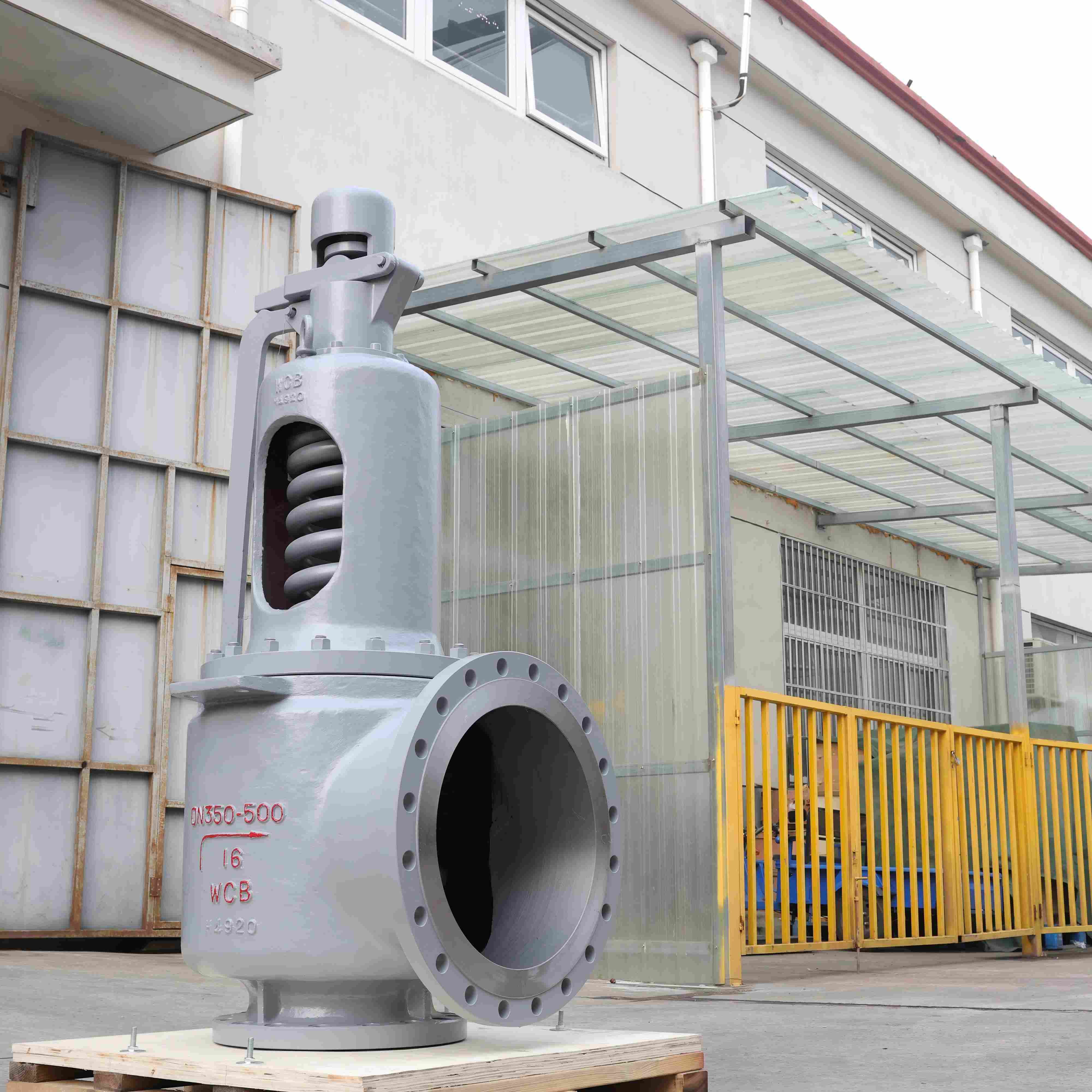
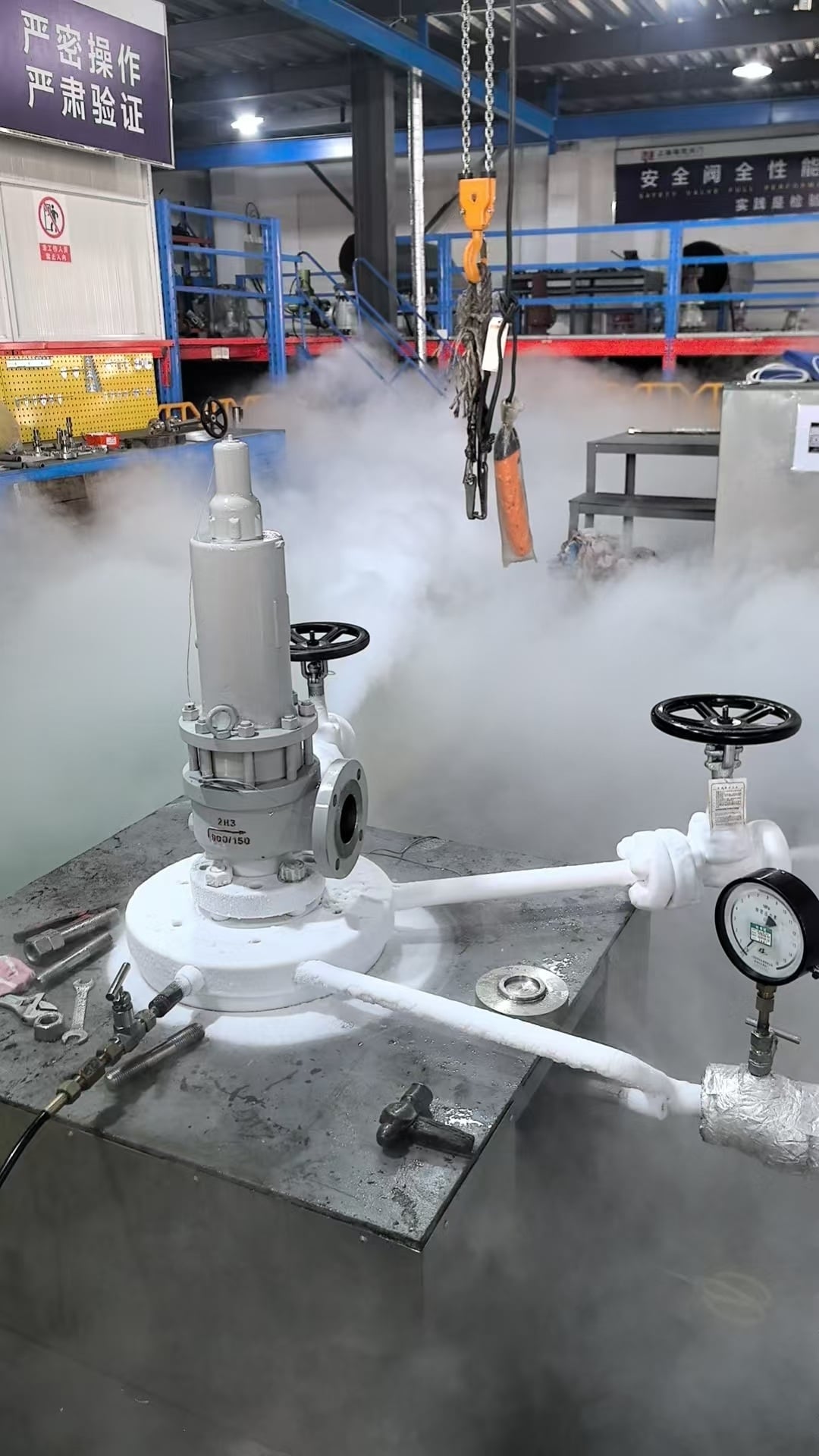
API cryogenic safety valves are widely used in high-risk fields such as LNG terminals and air separation plants, and their performance under ultra-low temperature conditions is directly related to the safety of the entire system. Cryogenic medium testing, as the core means to verify the performance of API cryogenic safety valves, has strict requirements on test standards, equipment, and processes. This blog focuses on the key points of cryogenic medium testing for API cryogenic safety valves, helping industry peers grasp the core of testing and avoid common mistakes.
1. Test Standards for API Cryogenic Safety Valves
The cryogenic medium testing of API cryogenic safety valves must strictly comply with API 527 (Sealing Performance Standards for Pressure Relief Valves) and API 526 (Dimension Standards for Pressure Relief Valves), and at the same time meet the requirements of Chinese national standards GB/T 29026-2012 and JB/T 7248, as well as GB/T 24925-2019 (Technical Conditions for Cryogenic Valves). Among them, API 527 clearly stipulates the leakage rate standard of cryogenic safety valves: for valves with DN≤16mm, the maximum allowable leakage rate is ≤12 cm³/min; for valves with DN16mm, the maximum allowable leakage rate is ≤36 cm³/min. In addition, the test temperature must cover the actual working temperature of the valve, generally -196°C (liquid nitrogen medium) to -50°C (low-temperature hydrocarbon medium). For LNG terminal safety valves, the test temperature must be set to -162°C, consistent with the actual working temperature of LNG.
2. Key Test Items and Requirements
The cryogenic medium testing of API cryogenic safety valves mainly includes four key test items, each of which has clear technical requirements:
2.1 Low-Temperature Material Toughness Test
The valve body, valve disc, stem, and other core components of API cryogenic safety valves must use cryogenic-resistant materials such as austenitic stainless steel (CF3/CF3M) or low-temperature alloy steel (LC3/LCB). The test requires that the components pass the Charpy V-notch impact toughness test at -196°C, and the impact toughness value must be ≥27 J/cm² to avoid brittle fracture under ultra-low temperature conditions. This test is the foundation to ensure the structural integrity of the valve. The qualification rate of material toughness test for qualified API cryogenic safety valves is 100%.
2.2 Cryogenic Sealing Performance Test
Sealing performance is the core performance indicator of API cryogenic safety valves. The test is carried out under the set ultra-low temperature conditions. The valve is pressurized to 90% of the set pressure, and the leakage rate is detected by a high-precision helium mass spectrometry leakage detection system. It is required that the leakage rate does not exceed the standard specified by API 527. At the same time, the sealing performance of the valve stem packing and valve body connection must also be tested to avoid leakage caused by cold shrinkage of the packing. The qualified rate of cryogenic sealing performance test for API cryogenic safety valves is required to be ≥99%.
2.3 Cryogenic Operational Reliability Test
This test verifies the reliability of the valve's opening, pressure relief, and automatic reseating functions under cryogenic conditions. The test temperature is set to the actual working temperature of the valve, and the pressure is gradually boosted to the set pressure until the valve disc lifts and releases pressure. The opening pressure and pressure relief time are recorded, and the opening and closing cycle is repeated at least 3 times. It is required that the opening pressure error is within ±3% of the set pressure, the pressure relief is smooth, and the automatic reseating is reliable without leakage. The average pressure relief time of qualified valves is ≤5 seconds, and the reseating leakage rate is ≤5 cm³/min.
2.4 Temperature Uniformity Test
During the cryogenic test, the temperature distribution of the valve must be uniform to avoid local overcooling or insufficient cooling affecting the test results. The test uses a high-precision thermocouple array to arrange 8-12 thermocouples on the valve body, valve seat, and stem to monitor the temperature in real time. It is required that the temperature difference between the valve inlet and the test window does not exceed 30°C, ensuring that the entire valve is in a uniform ultra-low temperature environment. The temperature uniformity error of the test environment is ≤±2°C.
3. Common Mistakes in Cryogenic Medium Testing and Avoidance Methods
In the actual testing process, many enterprises will have test deviations due to improper operation, which affects the accuracy of test results. According to industry surveys, 68% of test errors are caused by the following three common mistakes:
● Mistake 1: Insufficient degreasing and drying of the valve, resulting in ice formation during the test, jamming the valve components. Avoidance method: Use professional degreasing agents and high-temperature drying ovens to completely remove grease and moisture, and check the drying effect before the test to ensure the moisture content is ≤0.05%.
● Mistake 2: The test medium does not match the actual working medium, resulting in inconsistent test results with the actual use. Avoidance method: According to the actual working medium of the valve, select the corresponding test medium (such as liquid nitrogen for LNG valves, helium for low-temperature hydrocarbon valves).
● Mistake 3: The test equipment is not calibrated, resulting in inaccurate pressure and temperature measurement. Avoidance method: Calibrate all testing equipment before the test, and issue a calibration certificate to ensure the accuracy of the measurement data. The calibration cycle of pressure and temperature equipment shall not exceed 6 months.
4. Conclusion
The cryogenic medium testing of API cryogenic safety valves is a rigorous and professional work, which requires strict compliance with API standards, advanced testing equipment, and standardized operation procedures. Only by grasping the key points of the test and avoiding common mistakes can we ensure the accuracy of the test results, verify the performance of the valve, and provide a reliable guarantee for the safe operation of the cryogenic system. API cryogenic safety valves that have passed strict cryogenic testing can reduce the failure rate by 92% during actual operation, and their service life can reach more than 8000 hours.
 Hot News
2026-09-08
2026-07-01
2026-06-22
2026-06-08
2026-05-26
2026-05-14

Shanghai Xiazhao Valve Co., LTD. provides high-performance ball and safety valves for petrochemical, natural gas, and industrial automation. Our API 6D, ANSI 600LB, and fire-safe designs ensure reliability. 95% on-time delivery. Request a quote.
Building 12, 6133 Huyi Road, Jiading District, Shanghai
Copyright © 2026 China Shanghai Xiazhao Valve Co., LTD. All rights reserved. Privacy Policy
 EN
EN