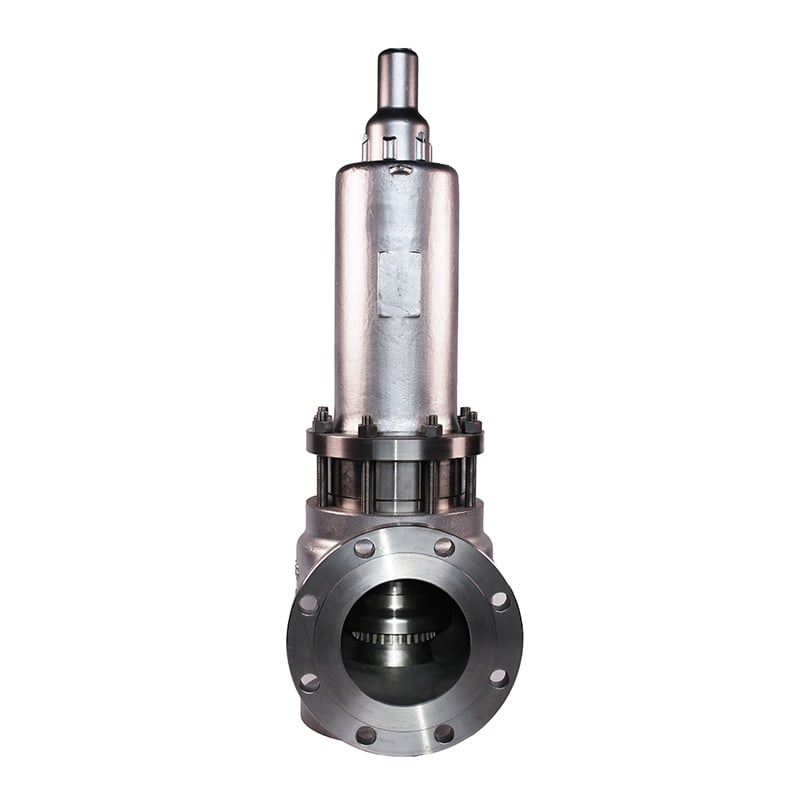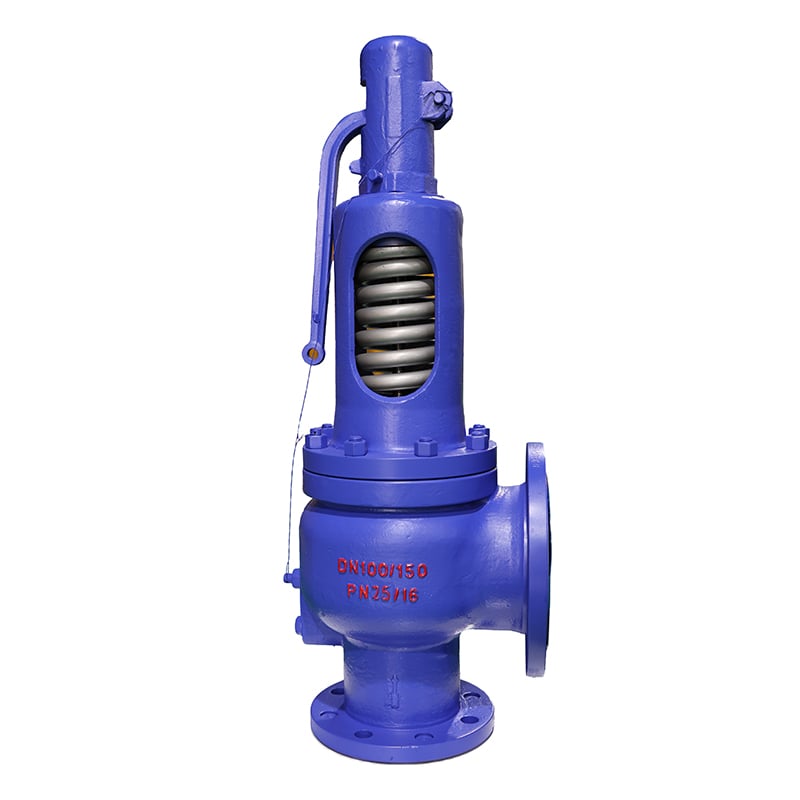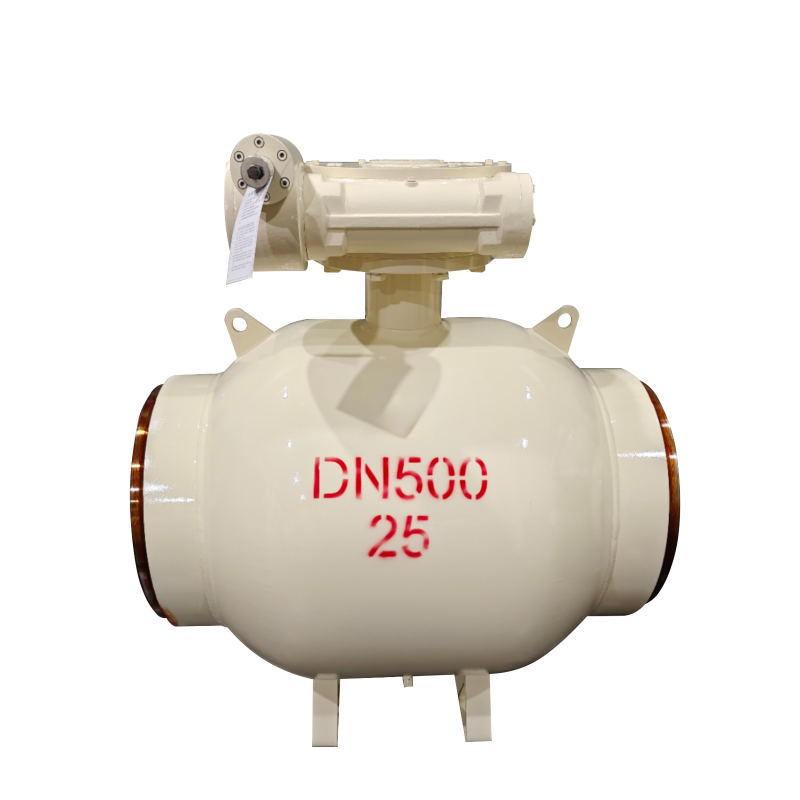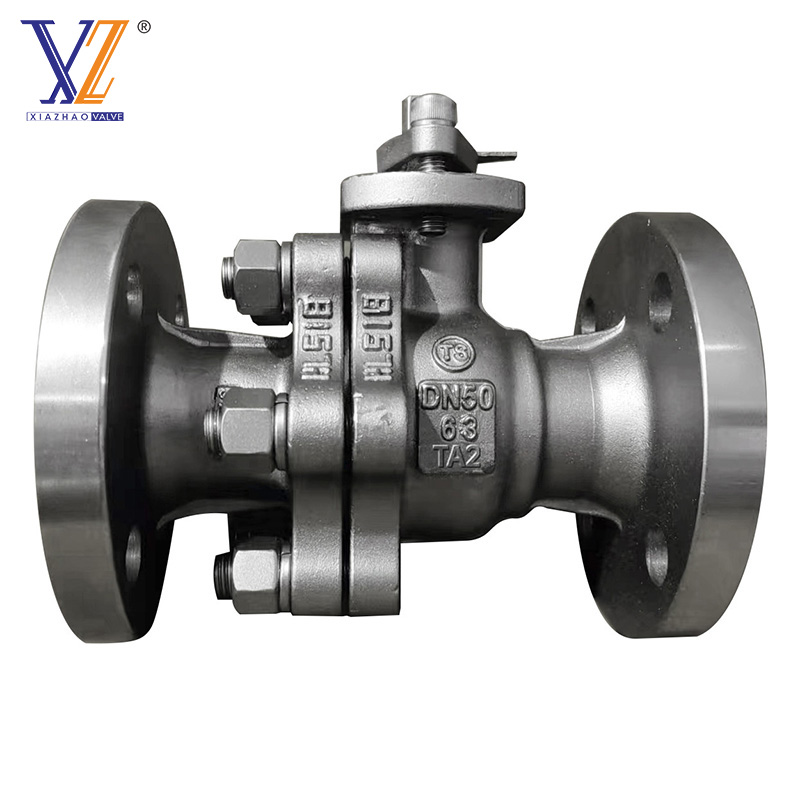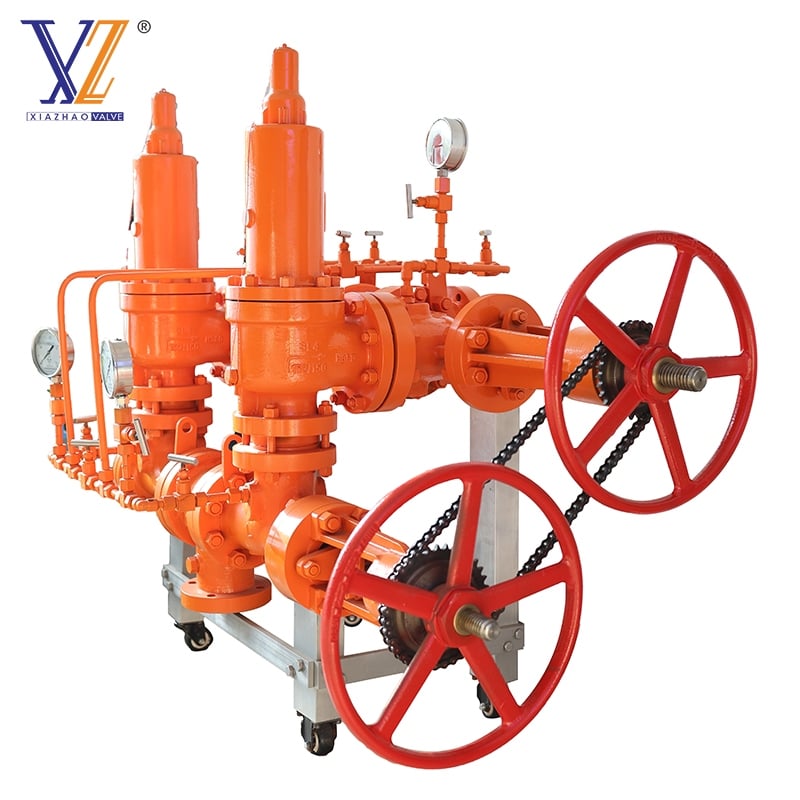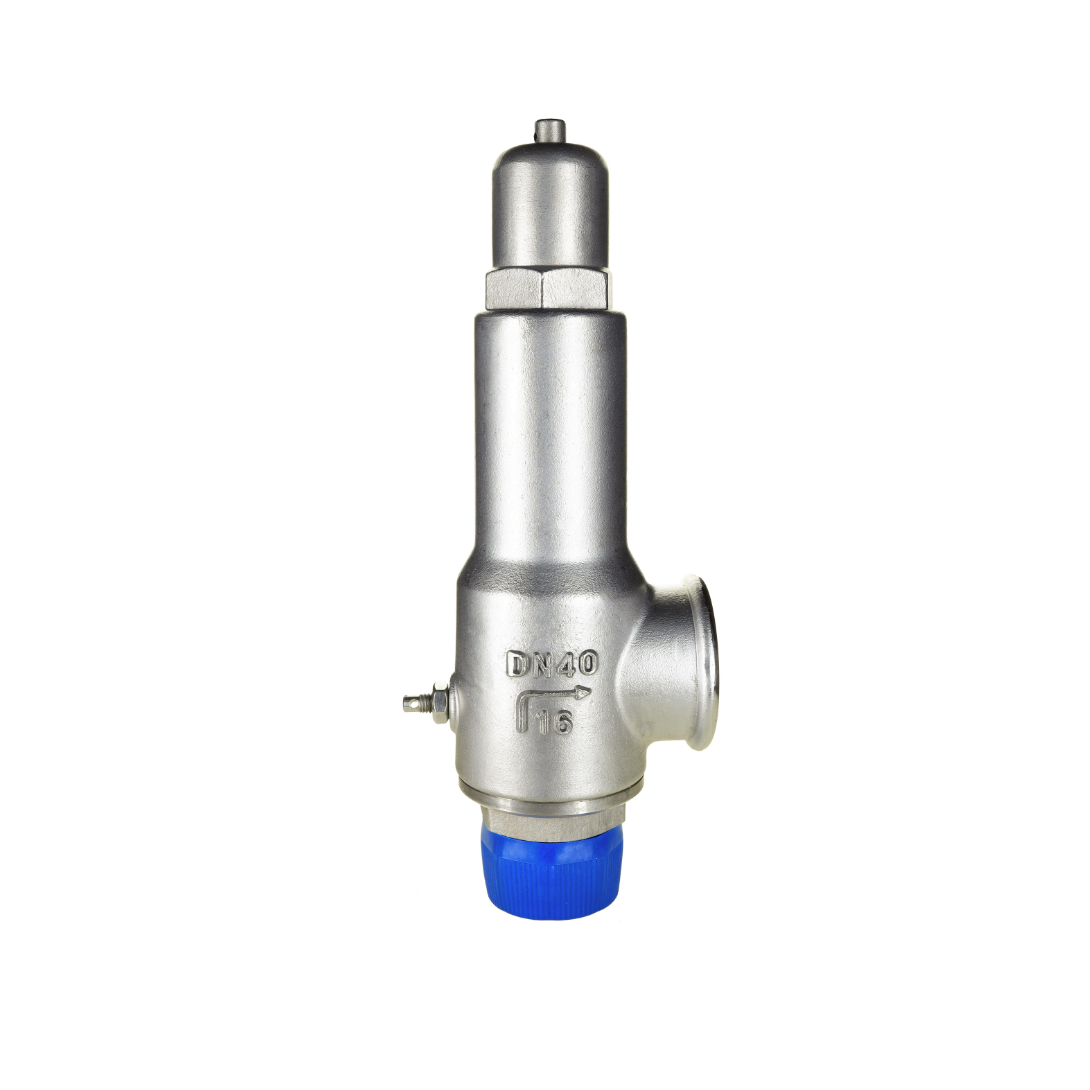
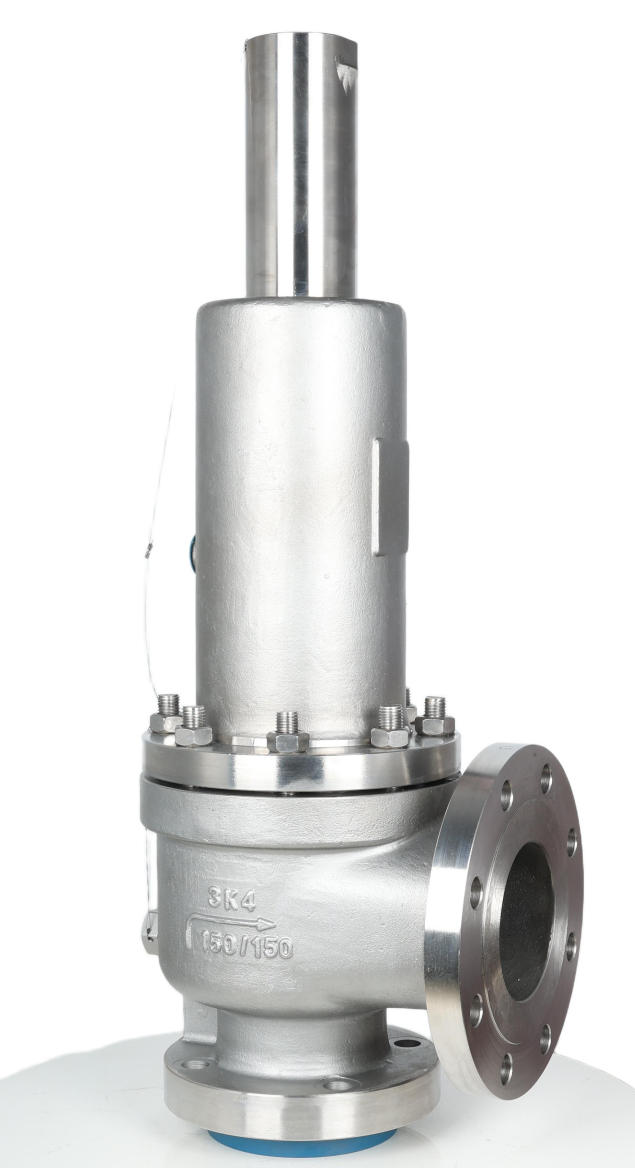
In industrial process safety engineering and chemical pressure relief system design, the combined installation of rupture disk and safety relief valve (SRV) is the most reliable dual pressure relief device solution for harsh and complex process conditions. This classic dual protection configuration effectively compensates for the functional defects of single overpressure protection equipment, fully meeting the strict safety design requirements of petrochemical, pharmaceutical, energy and fine chemical industries.
Standard safety relief valves deliver stable automatic reseating performance, minimizing material waste and unnecessary plant shutdowns during minor overpressure incidents. Nevertheless, conventional SRVs are prone to micro leakage, media corrosion, fouling and blockage in complex working conditions. According to API industrial statistical data, more than 68% of safety valve failures in chemical plants are caused by medium corrosion and fouling blockage. In comparison, rupture disks feature zero leakage tightness and instantaneous burst response (burst response time ≤ 2ms) for emergency pressure relief. As a one-time fail-safe component, it will trigger full system discharge and equipment shutdown once activated, which limits its independent application in continuous production lines.
To optimize overpressure protection performance and comply with global industrial specifications, three standardized rupture disk and safety valve combination configurations are widely adopted in full accordance with ASME BPVC Section VIII and API 520 process safety standards. Industry data shows that combined protection solutions cover 92% of high-pressure chemical process working scenarios, effectively reducing overpressure safety accidents by 85% compared with single protection devices. These three mainstream installation modes cover all working scenarios from daily operational overpressure to extreme thermal runaway hazards, serving as the core design scheme for modern industrial pressure relief systems.
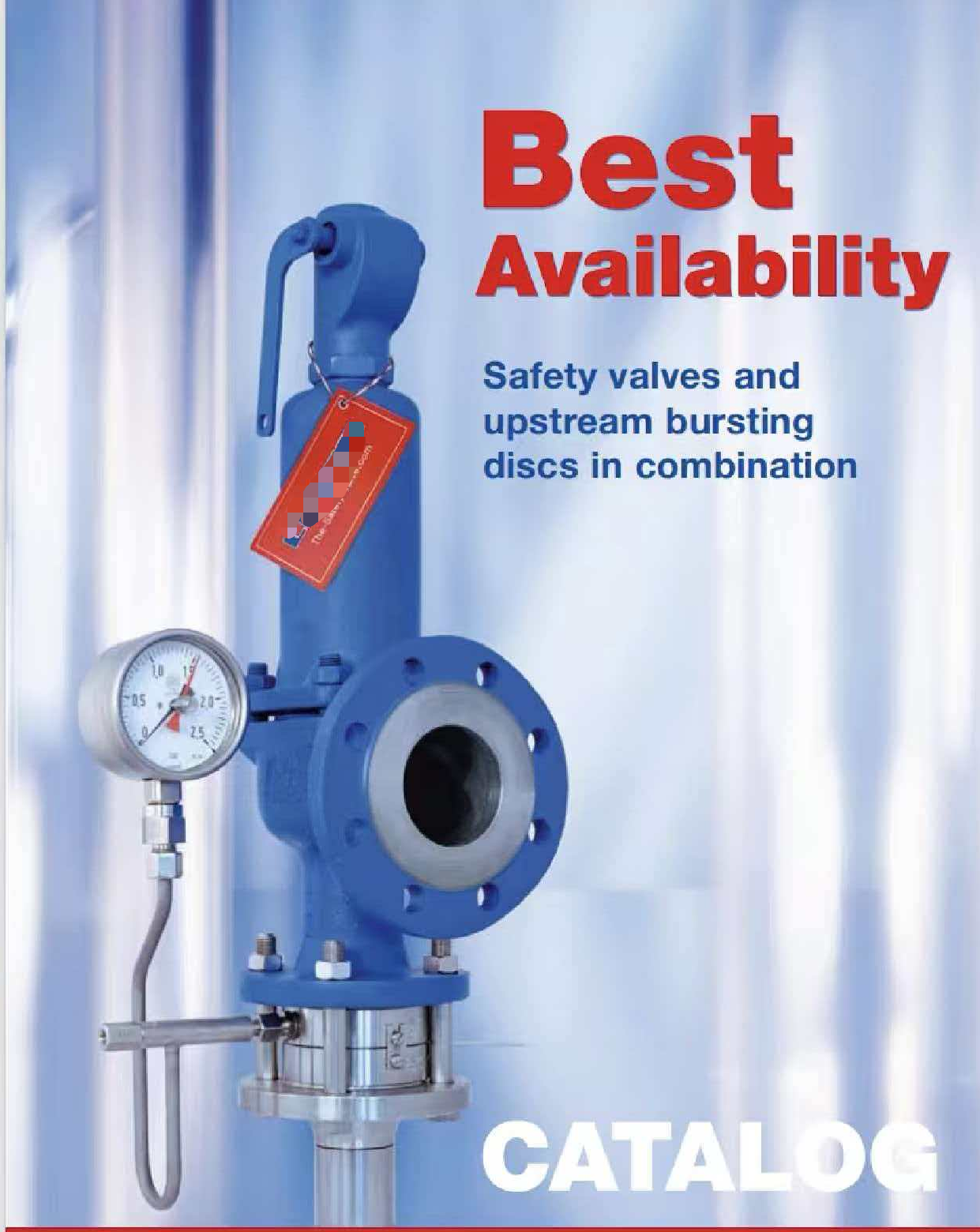
[Image: Upstream Series Installation – Rupture Disk Front-End Protection for Safety Valve | ALT: Upstream series rupture disk safety valve combination, zero leakage corrosion
pressure relief device]
This setup completely isolates the safety valve from highly corrosive, high-viscosity, crystallizable and polymerizable media, preventing valve seat fouling, spring failure and internal component corrosion. Field application data verifies that this configuration can extend the service life of safety valves by 3–5 times and reduce equipment failure rates by 90%. It achieves absolute zero leakage pressure relief (leakage rate ≤ 10⁻⁶ mbar·l/s), fully satisfying strict environmental and safety standards for handling highly toxic substances and high VOCs volatile emissions in chemical processing.
System abnormal overpressure occurs → rupture disk instantaneous bursting (response time ≤ 2ms) → pressure signal transmission to safety valve → SRV lifts to release excess system pressure → pipeline and vessel pressure returns to rated working pressure (pressure recovery accuracy ±5%) → safety valve automatically reseats. The burst rupture disk requires replacement during scheduled maintenance, while the production system maintains continuous operation without material loss.
The cavity dead zone between the upstream rupture disk and safety valve must be equipped with a pressure gauge and vent valve or pressure alarm sensor. According to API 520 standard requirements, dead zone pressure monitoring accuracy must reach ±0.01MPa. Tiny micro-leakage of the rupture disk will cause pressure accumulation in the dead zone. When the dead zone pressure exceeds 10% of the disk’s rated bursting pressure, the pressure differential will be insufficient, leading to rupture disk fail-to-burst under dangerous overpressure, forming a fatal hidden danger for process system safety.
[Image: Downstream Series Installation – Rupture Disk Back-End Protection for Safety Valve | ALT: Downstream series rupture disk safety valve setup, flare header backpressure protection for petrochemical system]
In this professional configuration, the rupture disk is installed on the SRV outlet side, between the safety relief valve and the flare relief header. It is specially designed for multi-equipment shared flare header systems with complex downstream pipeline conditions, applicable to 60% of petrochemical flare recovery systems.
Industrial shared flare headers commonly face severe backpressure fluctuation (fluctuation range 0.1–0.8MPa) and corrosive residual gas backflow problems. The downstream rupture disk effectively blocks reverse invasion of corrosive media, protects the safety valve spring and sealing seat from downstream corrosion, and stabilizes the SRV set pressure with a pressure deviation control accuracy within ±3%, avoiding pressure relief failure caused by backpressure interference.
Overpressure inside pressure vessel triggers safety valve lifting → discharged process medium breaks through the downstream rupture disk → hazardous gas and fluid are delivered to the flare header for centralized harmless treatment. The overall pressure relief response cycle is controlled within 30ms, meeting ASME emergency pressure relief time standards.
The intermediate dead zone must be equipped with professional drainage and venting devices to eliminate liquid and gas accumulation. According to ASME BPVC standards, dead zone residual liquid volume must not exceed 0.5% of the pipeline cavity volume. Only fragment-free reverse buckling rupture disks are allowed for this installation mode, ensuring zero metal fragments generation after bursting to prevent relief pipeline blockage and secondary system safety accidents. This specification reduces downstream pipeline blockage failures by 95% in actual industrial applications.
[Image: Parallel Dual Protection Installation – Rupture Disk & Safety Valve Graded Overpressure Protection | ALT: Parallel installed rupture disk safety valve dual overpressure protection for reactor thermal runaway]
The parallel installation combination adopts independent rupture disks and safety relief valves with separate relief pipelines on a single pressure vessel, building a graded dual redundant safety barrier for different levels of overpressure risks. It is the standard safety configuration for high-risk reactors, with a market application rate of 88% in polymerization and fine chemical industries.
This dual-protection scheme realizes classified response to industrial overpressure hazards. The safety valve copes with common low-flow overpressure faults caused by daily operational errors, including cooling water interruption and excessive feedstock, with automatic reseating to reduce operational loss and maintenance costs. The large-caliber rupture disk serves as the final overpressure defense line, with a set pressure 5%–10% higher than the SRV in strict accordance with API 521 grading standards. It targets extreme catastrophic working conditions such as thermal runaway reaction and external fire, which trigger exponential pressure surge and cannot be fully relieved by conventional safety valves.
Combination Mode |
Core Application Scenarios |
Key Engineering Advantages & Data |
Design Risks & Compliance Notes |
Upstream Series Installation |
Chemical systems with highly toxic media, zero-leakage requirements, strong corrosion, easy fouling and coking process conditions |
Zero leakage rate ≤10⁻⁶ mbar·l/s; extend SRV service life 3–5 times; reduce valve failure rate by 90%; fully compliant with VOCs emission standards |
Mandatory dead zone pressure monitoring (accuracy ±0.01MPa); control dead zone pressure below 10% of disk bursting pressure to prevent fail-to-burst failure |
Downstream Series Installation |
Multi-unit shared flare header systems with severe backpressure fluctuation (0.1–0.8MPa) and downstream corrosive gas backflow risks |
Stabilize SRV set pressure deviation within ±3%; reduce pipeline blockage failure rate by 95%; adapt to fluctuating backpressure working conditions |
Adopt fragment-free rupture disk; control dead zone residual liquid volume ≤0.5%; verify transient impact resistance under 30ms quick pressure relief |
Parallel Dual Protection Installation |
Polymerization reactors and high-pressure process equipment with explosion, thermal runaway and external fire potential risks |
Dual redundant protection, 85% reduction in extreme safety accidents; graded pressure design covers 100% overpressure hazard levels; balance operation cost and extreme safety |
Maintain 5%–10% graded pressure difference between SRV and rupture disk; strictly avoid false bursting and delayed protection failures |
Scientific selection of rupture disk and safety valve combination is the key to reliable operation of industrial pressure relief systems. Designers must match installation modes according to process media properties, overpressure risk grades and pipeline layout specifications, strictly complying with ASME BPVC Section VIII and API 520 international process safety standards. Industry data proves that standardized combination design effectively avoids the inherent defects of single pressure relief devices, improves system safety stability by 85%+, maximizes the safety stability of chemical process systems, and helps global industrial enterprises reduce long-term equipment operation and maintenance costs by 30%–45%.
 Hot News
2026-09-08
2026-07-01
2026-06-22
2026-06-08
2026-05-26
2026-05-14
Shanghai Xiazhao Valve Co., LTD. provides high-performance ball and safety valves for petrochemical, natural gas, and industrial automation. Our API 6D, ANSI 600LB, and fire-safe designs ensure reliability. 95% on-time delivery. Request a quote.
Building 12, 6133 Huyi Road, Jiading District, Shanghai
Copyright © 2026 China Shanghai Xiazhao Valve Co., LTD. All rights reserved. Privacy Policy
 EN
EN