Cryogenic Valve Testing Guide: GB/T 29026-2012 Specifications & Equipment
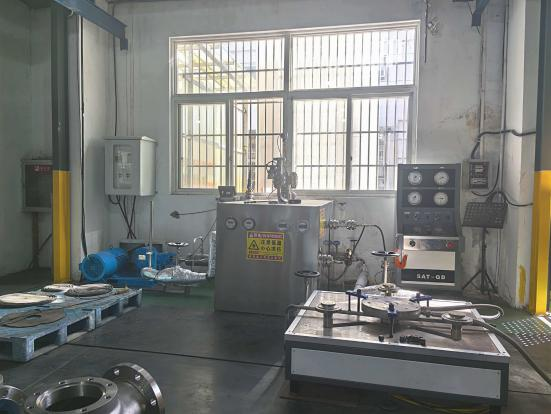
Meta Description: Professional cryogenic medium testing for valves and cryogenic safety valves—core equipment (XZ‑CRYO‑196, XZ‑PRESS‑100), standardized procedures, and compliance with GB/T 29026‑2012, API 527 for LNG, air separation, and cryogenic engineering.
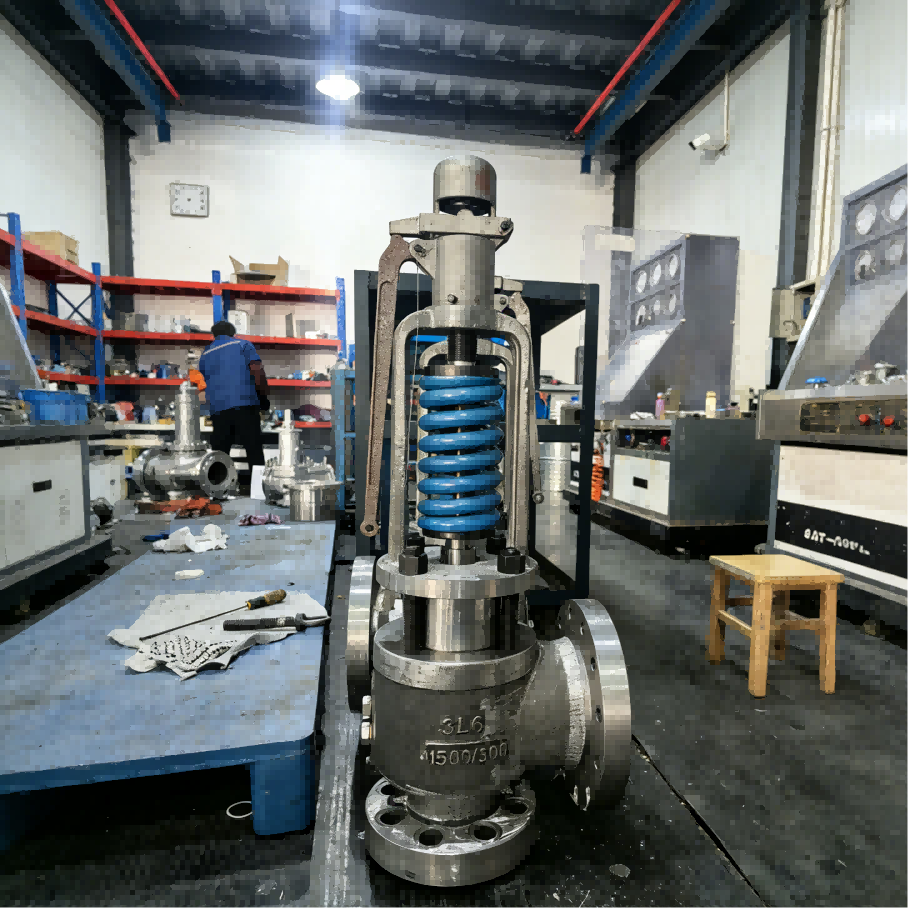
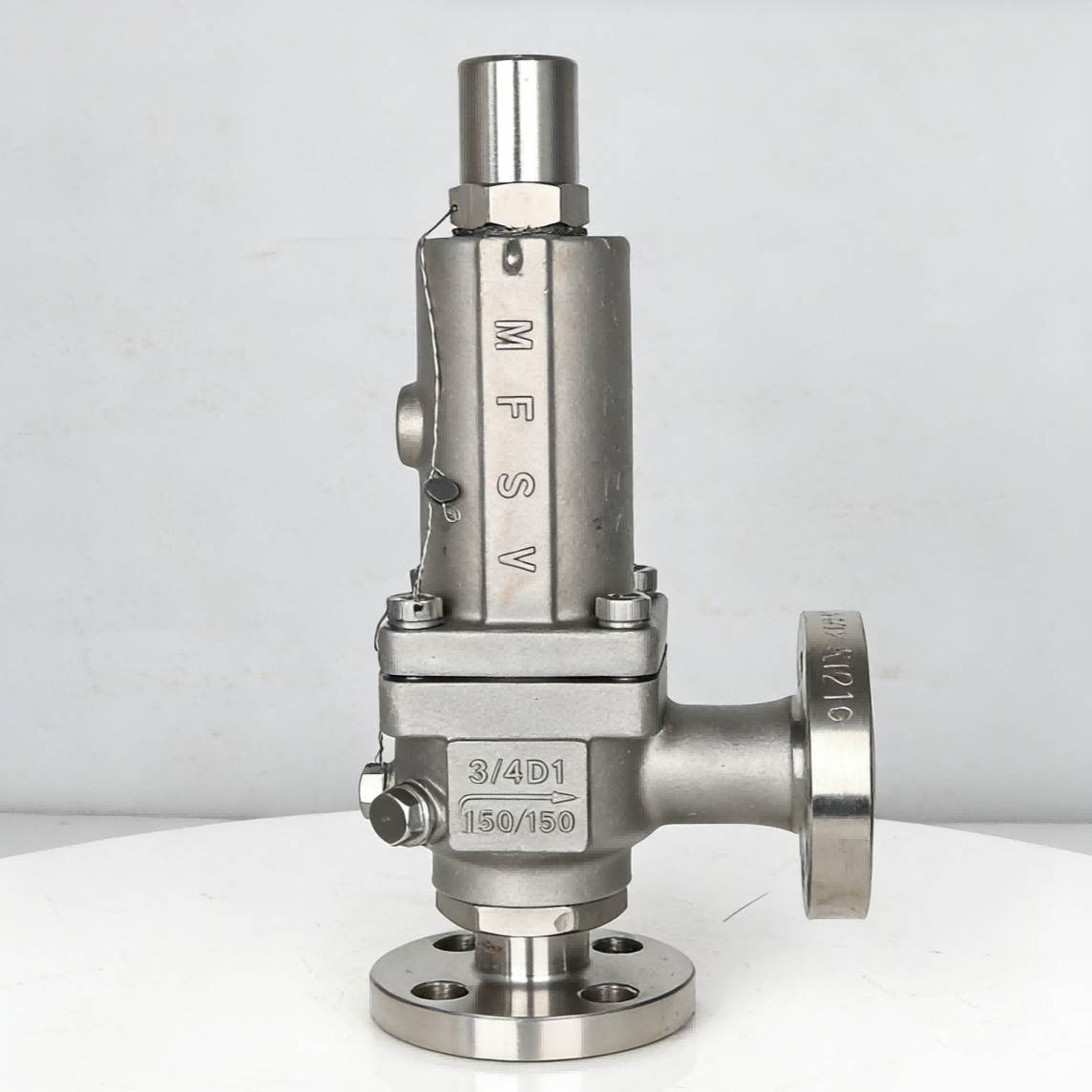
In industrial sectors including Liquefied Natural Gas (LNG), air separation, and cryogenic chemical engineering, the performance of cryogenic components directly defines system safety and stability. Cryogenic medium testing verifies component adaptability in ultra‑low‑temperature environments down to ‑196°C, relying on advanced equipment and standardized procedures. This blog integrates cryogenic safety valve low‑temperature test specifications to clarify testing essentials, compliance standards, and quality control value for global industrial users.
1. Why Cryogenic Medium Testing Is Critical
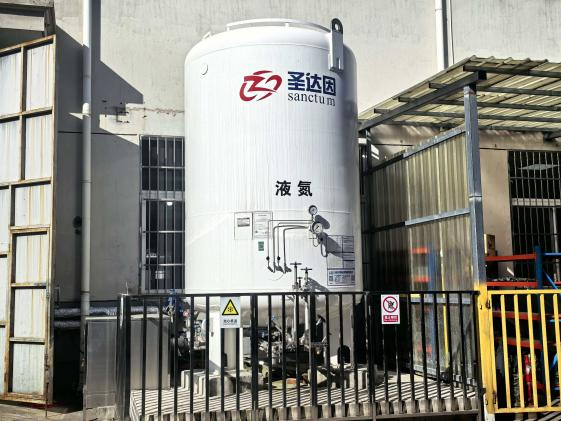
Unlike conventional temperature testing, cryogenic medium testing simulates extreme conditions for liquid nitrogen, LNG, liquid oxygen, and other cryogenic fluids. At ultra‑low temperatures:
• Materials risk brittle fracture
• Seals fail from cold shrinkage
• Moving parts may seize due to freezing
These failures cause catastrophic system downtime. Cryogenic testing is mandatory under API 527 and GB/T 29026‑2012 (Direct‑loaded spring safety valve for low‑temperature media), and is foundational for long‑term reliable operation. Industry data shows 85% of cryogenic component failures link to insufficient testing, with average enterprise losses of $2.3 million per incident.
2. Core Cryogenic Testing Equipment
A professional cryogenic testing lab requires dedicated, high‑precision equipment to ensure accurate, repeatable results.
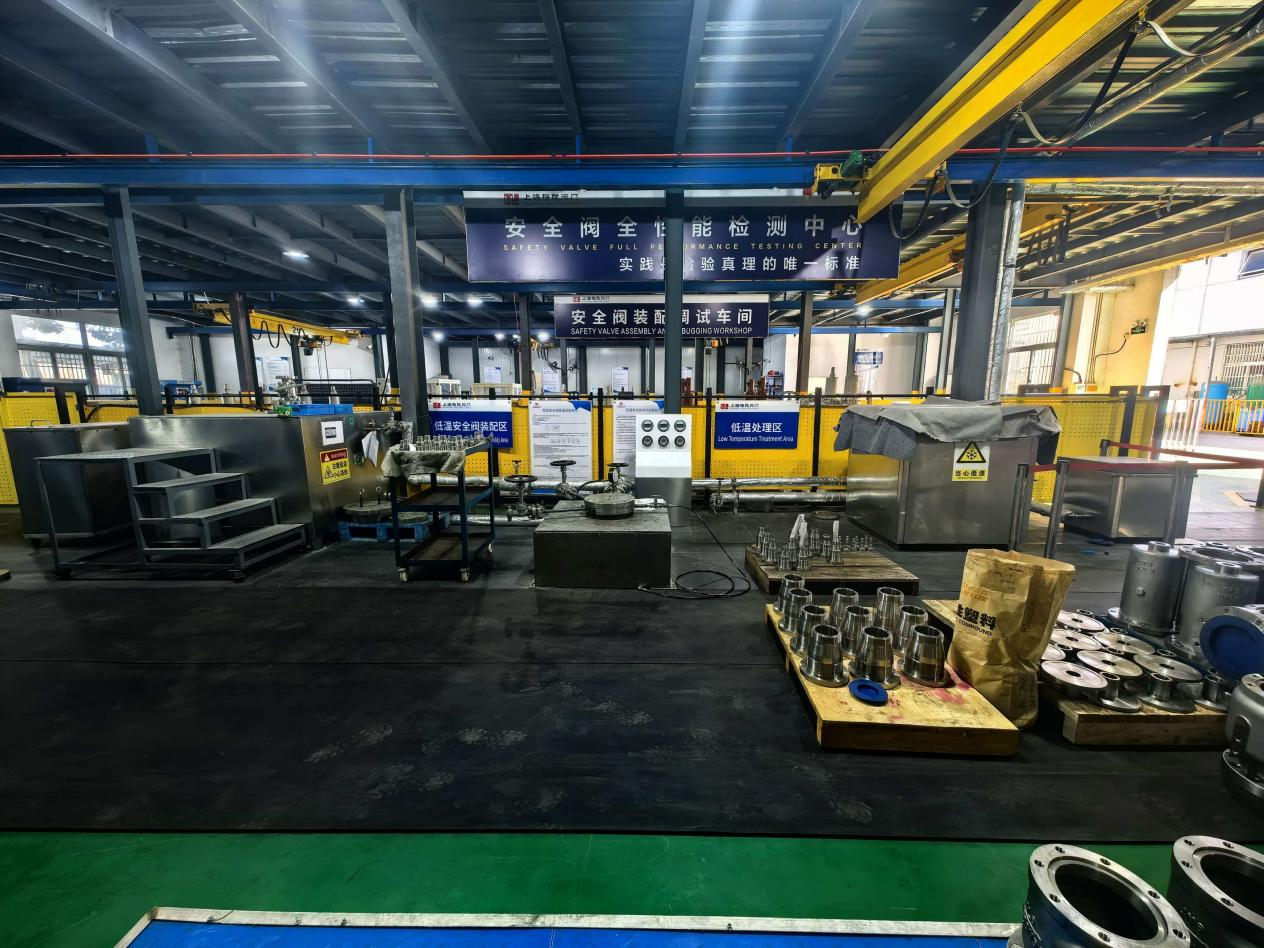
2.1 Ultra‑Low Temperature Test Chamber (XZ‑CRYO‑196)
• Temp range: ‑196°C to ‑50°C (1°C adjustable steps)
• Temp fluctuation: ≤±1°C
• Internal dimensions: 1200mm×800mm×1000mm (fits DN15–DN200 valves)
• Cooling rate: 10°C/min; reaches target temp in ~20 mins (30% faster than traditional units)
• Uses liquid nitrogen direct‑injection cooling with uniform temperature distribution
2.2 High‑Precision Cryogenic Pressure Test Bench (XZ‑PRESS‑100)
• Pressure range: 0–100MPa
• Accuracy: ±0.1% FS (supports ANSI 150–2500 flange class)
• Material: CF3M austenitic stainless steel (excellent low‑temperature toughness & corrosion resistance)
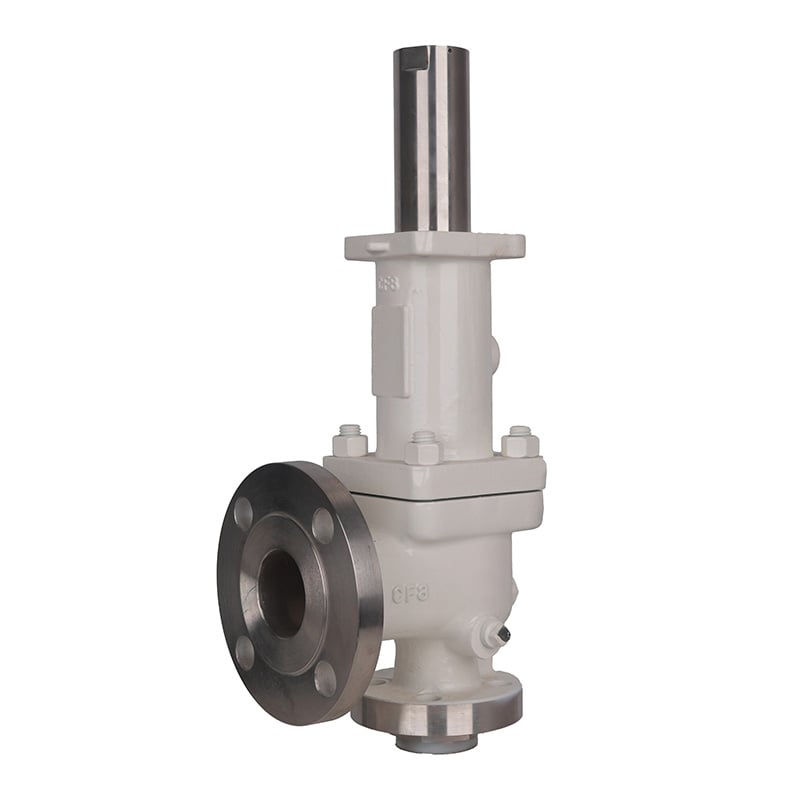
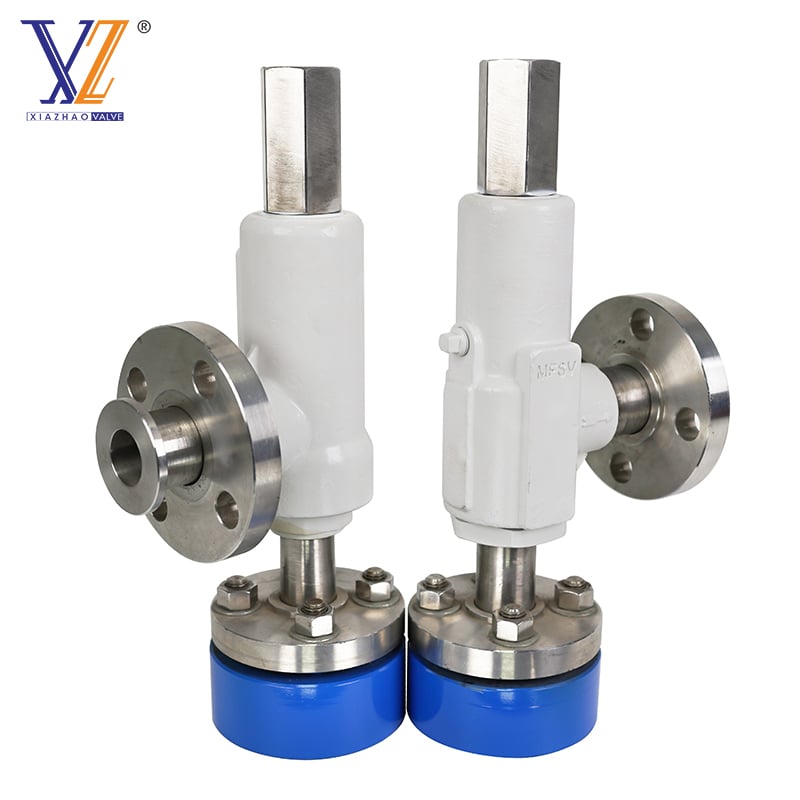
3. Cryogenic Safety Valve Low‑Temperature Test Specifications (GB/T 29026‑2012)
This section adds mandatory test rules for cryogenic safety valves (direct‑loaded spring type) per GB/T 29026‑2012, GB/T 12241‑2005, and GB/T 12243‑2005.
3.1 Applicable Scope
Covers sealing performance and operational performance testing of cryogenic safety valves under low‑temperature conditions.
3.2 Pre‑Test Requirements
1. Complete room‑temperature performance testing first
2. Full degreasing & drying (remove all grease/moisture to prevent icing and seal damage)
3. Calibrate all instruments within valid period
4. Pipeline gas‑tightness check; inject 0.1–0.2MPa nitrogen/helium during cooling to avoid moisture buildup
5. For stainless‑steel safety valves, hydrostatic test water chloride ≤30 ppm
3.3 Cooling Medium & Temperature Ranges
• ‑49°C to ‑30°C: Dry ice + alcohol mixture
• ‑196°C to ‑50°C: Liquid nitrogen + alcohol or pure liquid nitrogen
3.4 Key Test Procedures (Safety Valves)
1. Set Pressure Test
2. Conduct ≥3 cycles; verify opening pressure and reseating performance
3. Pressure deviation limits:
4. ≤0.5MPa: ±0.015MPa
5. 0.5MPa: ±3% of set pressure
6. Inlet liquid vs. chamber temp difference ≤30°C
7. Low‑Temp Sealing Leakage Test
8. Reduce pressure to 70% of set pressure; hold at 90% set pressure
9. Max allowable leakage rate (cryogenic service):
10. ≤6.9MPa: ≤24 cm³/min (bore ≤16mm) / ≤12 cm³/min (bore 16mm)
11. 6.9–10.0MPa: ≤36 cm³/min (bore ≤16mm) / ≤18 cm³/min (bore 16mm)
12. Low‑Temp Soak Test
13. Immerse in liquid nitrogen; stabilize at ‑190°C before testing at ‑196°C
14. Soak duration ≥1 hour to ensure thermal equilibrium
15. Continuously record valve body and bonnet temperatures
16. Post‑Test Inspection
17. Natural warm‑up to room temperature
18. Disassemble in clean, dust‑free environment; check wear, galling, and structural integrity
19. Recheck room‑temperature sealing performance
20. Issue full test report for quality traceability
4. Standardized Cryogenic Medium Testing Process (All Cryogenic Valves)
4.1 Pre‑Test Preparation
• Degrease ≥30 mins; dry at 120±5°C for 2 hours (moisture ≤0.05%)
• Visual & dimensional inspection (no cracks, burrs)
• Full equipment calibration
4.2 Core Test Stages
1. Ultra‑low temp immersion: ‑196°C for 1–2 hours (thermal equilibrium)
2. Low‑temp pressure seal test: Pressurize to 90% set pressure; verify leakage
3. Low‑temp operation cycle test: ≥3 open/close cycles; validate functional reliability
• Combined pass rate ≥98%
4.3 Post‑Test Handling
• Natural temperature recovery
• Disassembly inspection
• Room‑temperature seal recheck
• Data compilation & formal test report
5. Market Outlook & Conclusion
Cryogenic medium testing is irreplaceable for validating cryogenic valve reliability. With advanced equipment, standardized procedures, and strict compliance with API 527 and GB/T 29026‑2012, components operate safely and stably in extreme cold. The global cryogenic testing equipment market is projected to reach $12.8 billion by 2028, growing at a CAGR of 6.7%.
For manufacturers and end users in LNG, air separation, and cryogenic engineering, prioritizing cryogenic testing ensures regulatory compliance and builds core customer trust.
Keywords for Google SEO (Integrated Naturally)
cryogenic medium testing, cryogenic valve testing, safety valve low temperature test, GB/T 29026-2012, API 527, LNG valve test, -196°C cryogenic test, helium leak detection, cryogenic pressure test, ultra-low temperature test chamber
 Hot News
2026-09-08
2026-07-01
2026-06-22
2026-06-08
2026-05-26
2026-05-14

Shanghai Xiazhao Valve Co., LTD. provides high-performance ball and safety valves for petrochemical, natural gas, and industrial automation. Our API 6D, ANSI 600LB, and fire-safe designs ensure reliability. 95% on-time delivery. Request a quote.
Building 12, 6133 Huyi Road, Jiading District, Shanghai
Copyright © 2026 China Shanghai Xiazhao Valve Co., LTD. All rights reserved. Privacy Policy
 EN
EN