EN
EN

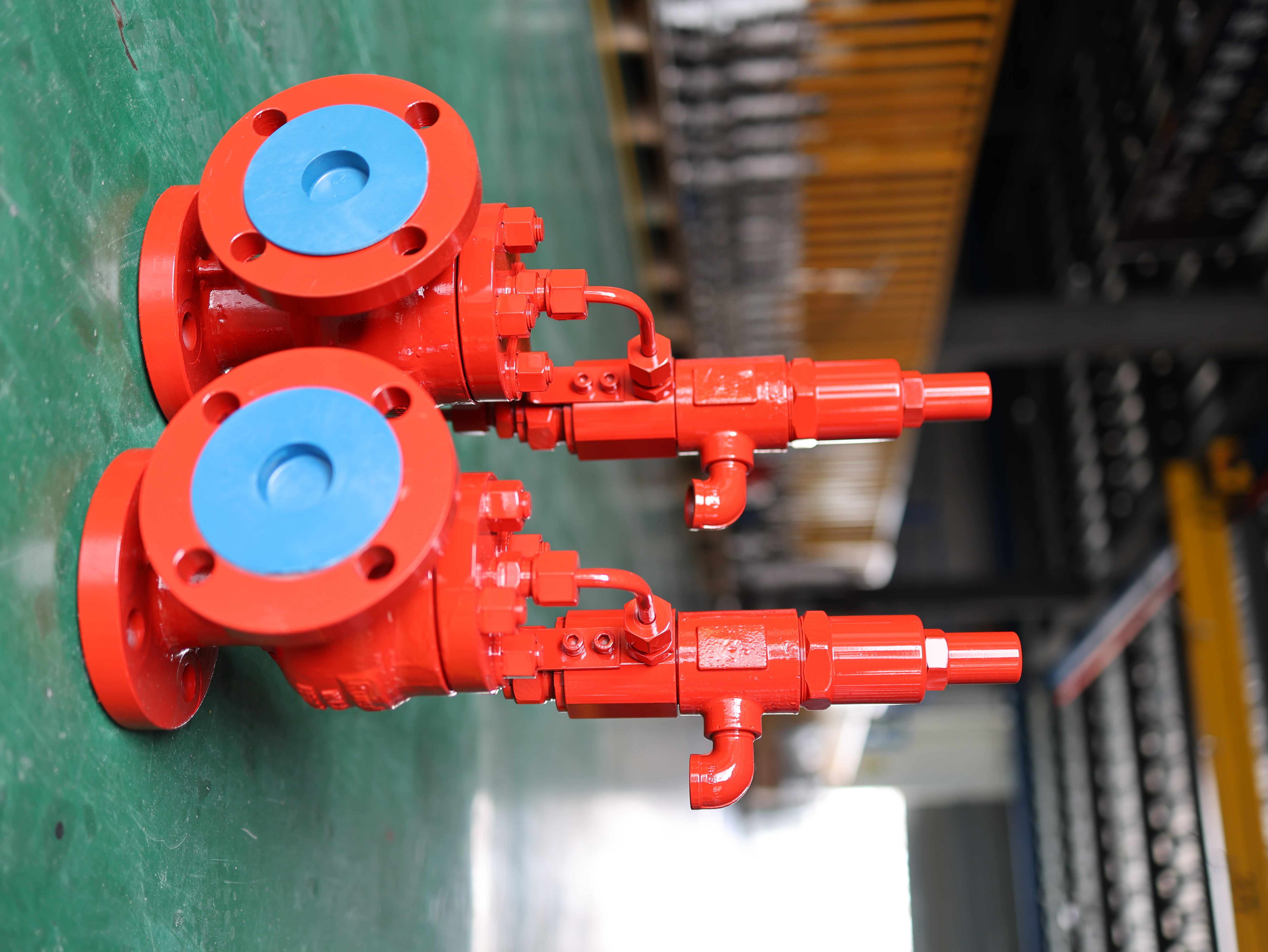
Selecting the right safety pilot valve is one of the most consequential engineering decisions made in any pressurized system. Whether you are managing a gas processing facility, a petrochemical plant, or an industrial boiler network, the performance of your safety pilot valve directly determines how well your system responds to overpressure events. A misjudged selection can mean the difference between a controlled pressure relief and a catastrophic system failure. Understanding the final decision criteria before committing to a specific valve is therefore not just a procurement formality — it is a critical engineering responsibility.
The modern safety pilot valve is a sophisticated piece of equipment that combines pilot-operated actuation with precision pressure control. Unlike conventional spring-loaded relief valves, the safety pilot valve uses a small pilot mechanism to sense system pressure and actuate the main valve with greater accuracy and responsiveness. This architecture allows tighter set pressure tolerances, reduced simmer, and improved reseating characteristics — all of which matter enormously in demanding industrial environments. But leveraging these advantages requires matching the right valve design to the right application through a structured, criteria-driven evaluation process.
Understanding the Core Function of a Safety Pilot Valve
How the Pilot Mechanism Drives Performance
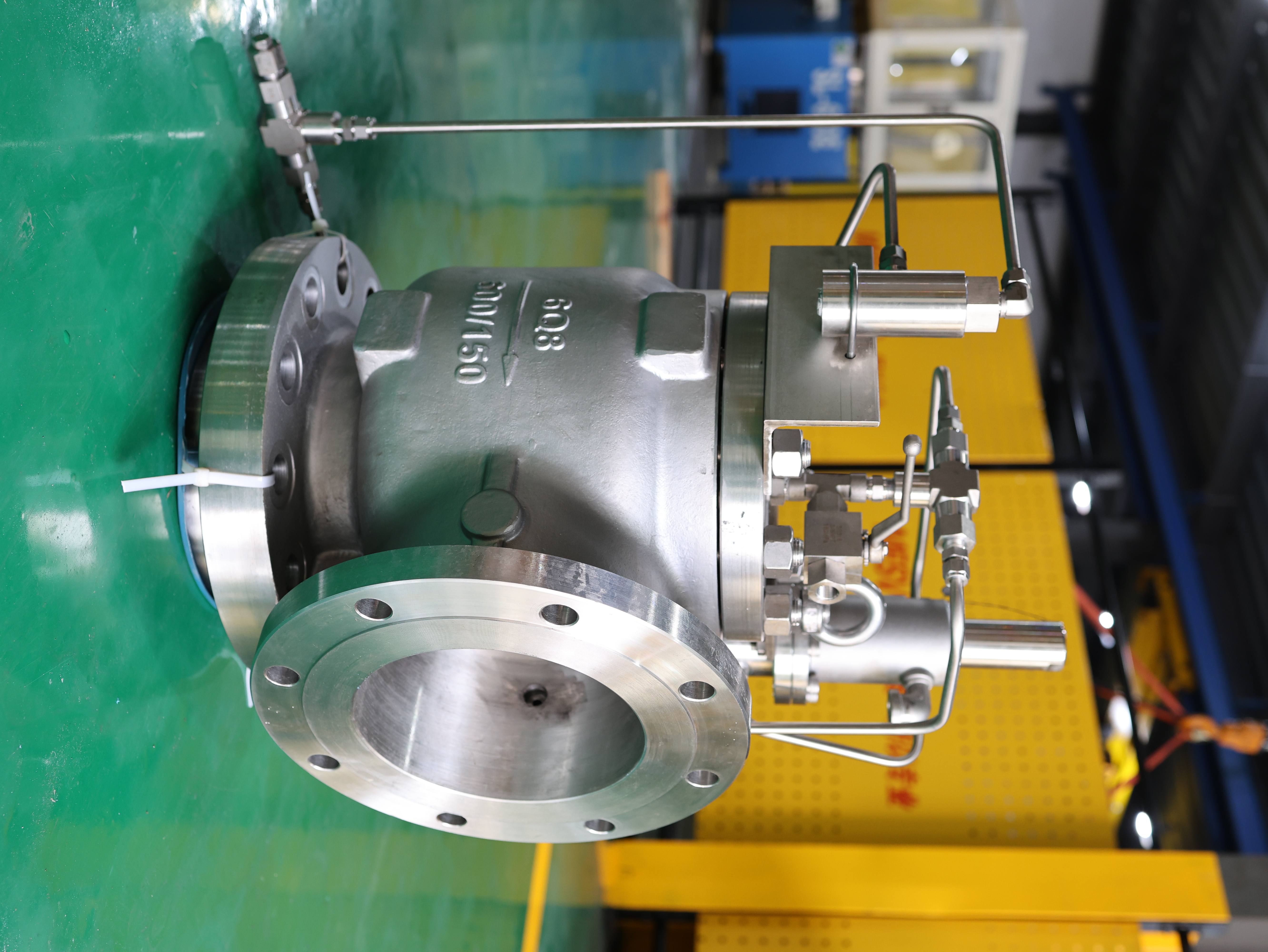
The defining feature of a safety pilot valve is the use of a separate pilot circuit to control the opening and closing of the main pressure-relief port. The pilot senses upstream process pressure and, when that pressure reaches the set point, triggers a differential pressure shift that forces the main disc open. This mechanism allows the main valve to open fully and quickly at set pressure, with far less blowdown loss than a conventional valve of comparable size.
This pilot-driven action also means that the safety pilot valve can be configured for pop action or modulating action depending on the process requirements. Pop-action types open fully and sharply at set pressure, which is ideal for liquid or gas applications where rapid pressure reduction is essential. Modulating types open proportionally, offering smoother control in applications where pressure fluctuation is more gradual and precise regulation is preferred.
Understanding this operational distinction is the first step in narrowing down which safety pilot valve design is appropriate for your specific process. Choosing incorrectly between these two operating modes is one of the most common — and most consequential — mistakes made during valve selection.
The Role of Set Pressure Accuracy in Valve Selection
Set pressure accuracy is a paramount criterion when evaluating a safety pilot valve. Because these valves are often used in systems with tight operating margins between normal operating pressure and maximum allowable working pressure (MAWP), even minor inaccuracies in set pressure can lead to premature activation or, worse, insufficient overpressure protection.
A well-designed safety pilot valve should maintain set pressure accuracy within a defined tolerance band — typically expressed as a percentage of the nominal set pressure. Tighter tolerances are achievable with pilot-operated designs compared to spring-loaded alternatives, which is a significant reason why industries with stringent pressure management requirements favor the safety pilot valve configuration.
When reviewing specifications, pay close attention to how the manufacturer defines and verifies set pressure tolerance. Valves tested and certified under recognized standards such as API 520, API 526, or ISO 4126 provide a verifiable baseline for set pressure accuracy that should inform your final selection.
Key Technical Criteria for Final Selection
Pressure Rating and System Compatibility
Every safety pilot valve carries a rated maximum inlet pressure, and your system's maximum allowable working pressure must fall comfortably within that range. Oversizing or undersizing the pressure rating creates problems on both ends of the spectrum. A valve rated far above your operating pressure may not achieve the sensitivity needed to detect overpressure events reliably. A valve rated too close to your maximum operating pressure introduces risk of inadvertent actuation during normal pressure surges.
For high-pressure gas applications — for instance, systems operating at set pressures of 1.8 MPa or higher — it is especially important to select a safety pilot valve engineered and tested specifically for those conditions. General-purpose valves are not always suitable for high-pressure gas environments, where the energy content of a pressure event is significantly higher and the consequences of valve underperformance are more severe.
A purpose-built safety pilot valve designed for gas applications at defined high-pressure set points offers the engineering assurance needed in these demanding environments. The combination of correct pressure rating and application-specific design is a non-negotiable starting point for any final selection process.
Valve Sizing and Flow Capacity
Correct sizing is inseparable from correct selection. A safety pilot valve must be capable of relieving the maximum credible overpressure scenario within the allowable accumulation limit. This requires calculating the required relief flow rate based on the worst-case overpressure source — whether that is a blocked outlet, a fire case, a heat exchanger tube rupture, or another identified hazard.
Undersized valves cannot relieve pressure fast enough to prevent system damage or vessel rupture. Oversized valves may chatter — opening and closing rapidly and erratically — which accelerates wear on the valve seat and disc, eventually leading to leakage or failure to reseat properly. The safety pilot valve selected must strike the correct balance, and this is only achievable through proper flow capacity calculation aligned with recognized sizing standards.
Manufacturers of quality safety pilot valve products provide detailed flow coefficient (Cv or Kd) data that facilitates accurate sizing. This data should be verified against your process conditions, not assumed from a generic catalog specification. Confirm the flow capacity under the actual inlet pressure, back pressure, and fluid properties present in your system.
Material Compatibility with Process Media
The internal materials of a safety pilot valve must be fully compatible with the process fluid being handled. Corrosive gases, hydrogen sulfide environments, high-temperature steam, and liquids with specific chemical properties each impose unique demands on the valve body, trim, seat, and pilot internals. Material incompatibility leads to accelerated degradation, seat damage, and potential failure of the valve to open or reseat correctly.
For natural gas or hydrocarbon vapor applications, material selection must also address the potential for gas permeation through elastomeric seals, which can affect pilot circuit integrity over time. Stainless steel internals with high-quality metallic seat surfaces are commonly specified for demanding gas applications to ensure long-term reliability of the safety pilot valve.
Review the full material declaration provided by the manufacturer and cross-reference it against your process fluid chemical compatibility data. This step is especially important if your process involves varying fluid compositions, temperature swings, or known contaminants that could compromise seal or seat integrity.
Regulatory Compliance and Certification Standards
Why Certification Is a Non-Negotiable Criterion
No matter how technically impressive a safety pilot valve appears on paper, its use in a regulated facility requires verified compliance with applicable standards. In most jurisdictions and industries, safety relief valves — including pilot-operated types — must be certified by a recognized third-party authority before they can be installed in code-governed pressure vessels or piping systems.
Common standards governing safety pilot valve certification include the ASME Boiler and Pressure Vessel Code (BPVC) Section VIII, API 520 and 526, the Pressure Equipment Directive (PED) in European markets, and ISO 4126 internationally. Each standard imposes specific requirements for set pressure accuracy, overpressure allowance, blowdown, and flow capacity verification. Choosing a valve without the required certifications creates significant legal, insurance, and operational liability.
When evaluating a safety pilot valve for final selection, verify not just that certification exists, but that the specific valve configuration, size, and pressure class you intend to use are covered by that certification. Scope limitations in certification documentation are a common oversight that can create compliance gaps during regulatory inspection.
Documentation Requirements for Industrial Procurement
Beyond the valve itself, a rigorous procurement of a safety pilot valve requires a complete documentation package. This typically includes the manufacturer's data report, material test reports (MTRs), dimensional drawings, test certificates, and a copy of the relevant code certification stamp or approval number. These documents form the basis of the mechanical completion record for the installation and are essential for future inspection, maintenance, and insurance audit purposes.
Procurement teams should establish a documentation checklist before issuing a purchase order for any safety pilot valve. Missing or incomplete documentation discovered after delivery can delay commissioning and require costly remediation. Insisting on full documentation as a pre-delivery condition is standard practice in responsible industrial procurement.
Installation, Maintenance, and Long-Term Reliability Factors
Installation Conditions That Affect Valve Performance
Even a correctly selected and properly certified safety pilot valve will underperform if it is poorly installed. Key installation factors include the correct orientation — most pilot-operated valves must be installed vertically with the inlet at the bottom — the elimination of excessive pipe stress on the valve body, adequate straight pipe runs upstream to avoid turbulence at the inlet, and proper drain and vent arrangements for the discharge side.
The pilot circuit inlet and sensing line must be free from blockages, condensate accumulation, or particulate contamination. Any obstruction in the pilot sensing path can cause the safety pilot valve to actuate late, fail to actuate, or remain open after the overpressure event has cleared. These failure modes are particularly dangerous in high-pressure gas systems, where the energy involved in an overpressure event is considerable.
Installation engineers should review the manufacturer's installation manual in detail and ensure that all requirements are incorporated into the installation work package. Site-specific factors such as ambient temperature range, vibration levels, and access constraints for future maintenance should also be assessed before finalizing the installation design.
Maintenance Intervals and Recertification Planning
A safety pilot valve is not a set-and-forget device. Like all safety-critical equipment, it requires a structured maintenance and inspection program to ensure its continued reliability and accuracy. Most standards and facility management systems require that safety relief valves — including pilot-operated types — be tested, inspected, and recertified at defined intervals.
Typical recertification intervals for a safety pilot valve in a gas or petrochemical application range from one to five years, depending on the service severity, fluid cleanliness, and applicable regulatory requirements. Each recertification involves bench testing to confirm that the valve opens at the correct set pressure, reseats correctly after actuation, and shows no evidence of seat damage, corrosion, or pilot circuit degradation.
Planning for maintenance from the outset — including specifying valves with accessible pilot circuits, accessible seat and disc assemblies, and in-line testing capability where applicable — reduces long-term maintenance costs and minimizes system downtime during inspection cycles. This consideration belongs in the final selection criteria alongside pressure rating and material compatibility.
FAQ
What is the main advantage of a safety pilot valve over a conventional spring-loaded relief valve?
A safety pilot valve offers superior set pressure accuracy, tighter blowdown control, and better reseating performance compared to conventional spring-loaded valves. The pilot mechanism allows the main valve to open fully at set pressure with minimal simmer, and to reseat cleanly once system pressure is restored. This makes the safety pilot valve particularly well suited for systems with tight operating margins between normal operating pressure and MAWP.
How do I determine the correct size for a safety pilot valve in a gas application?
Correct sizing of a safety pilot valve requires calculating the maximum required relief flow rate for the worst-case overpressure scenario identified in the pressure relief design basis. This calculation uses the valve's certified flow coefficient, the inlet pressure, the allowable accumulation, and the physical properties of the gas. The selected valve must be capable of passing the calculated flow at no more than the allowable accumulated pressure. Sizing should always be performed according to API 520 or the applicable recognized standard for your jurisdiction.
What certifications should a safety pilot valve carry for use in high-pressure gas systems?
For high-pressure gas systems, a safety pilot valve should carry certification under ASME BPVC Section VIII, API 526, or ISO 4126, depending on the applicable jurisdiction and facility standard. In European markets, CE marking under the Pressure Equipment Directive is also required. The certification must specifically cover the valve configuration, size, and pressure class being installed. Always verify the scope of the certification against the specific valve being procured before finalizing the order.
Can a safety pilot valve be used for both gas and liquid service?
Some safety pilot valve designs are suitable for both gas and liquid service, but it is essential to confirm this with the manufacturer for the specific model and size being considered. Gas and liquid applications impose different flow dynamics on the valve internals, and a valve optimized for gas service may not perform correctly in liquid service without specific design modifications. Always specify the intended fluid phase and properties when requesting a valve quotation, and verify that the selected safety pilot valve has been tested and certified for the intended service.
Table of Contents
- Understanding the Core Function of a Safety Pilot Valve
- Key Technical Criteria for Final Selection
- Regulatory Compliance and Certification Standards
- Installation, Maintenance, and Long-Term Reliability Factors
-
FAQ
- What is the main advantage of a safety pilot valve over a conventional spring-loaded relief valve?
- How do I determine the correct size for a safety pilot valve in a gas application?
- What certifications should a safety pilot valve carry for use in high-pressure gas systems?
- Can a safety pilot valve be used for both gas and liquid service?