EN
EN

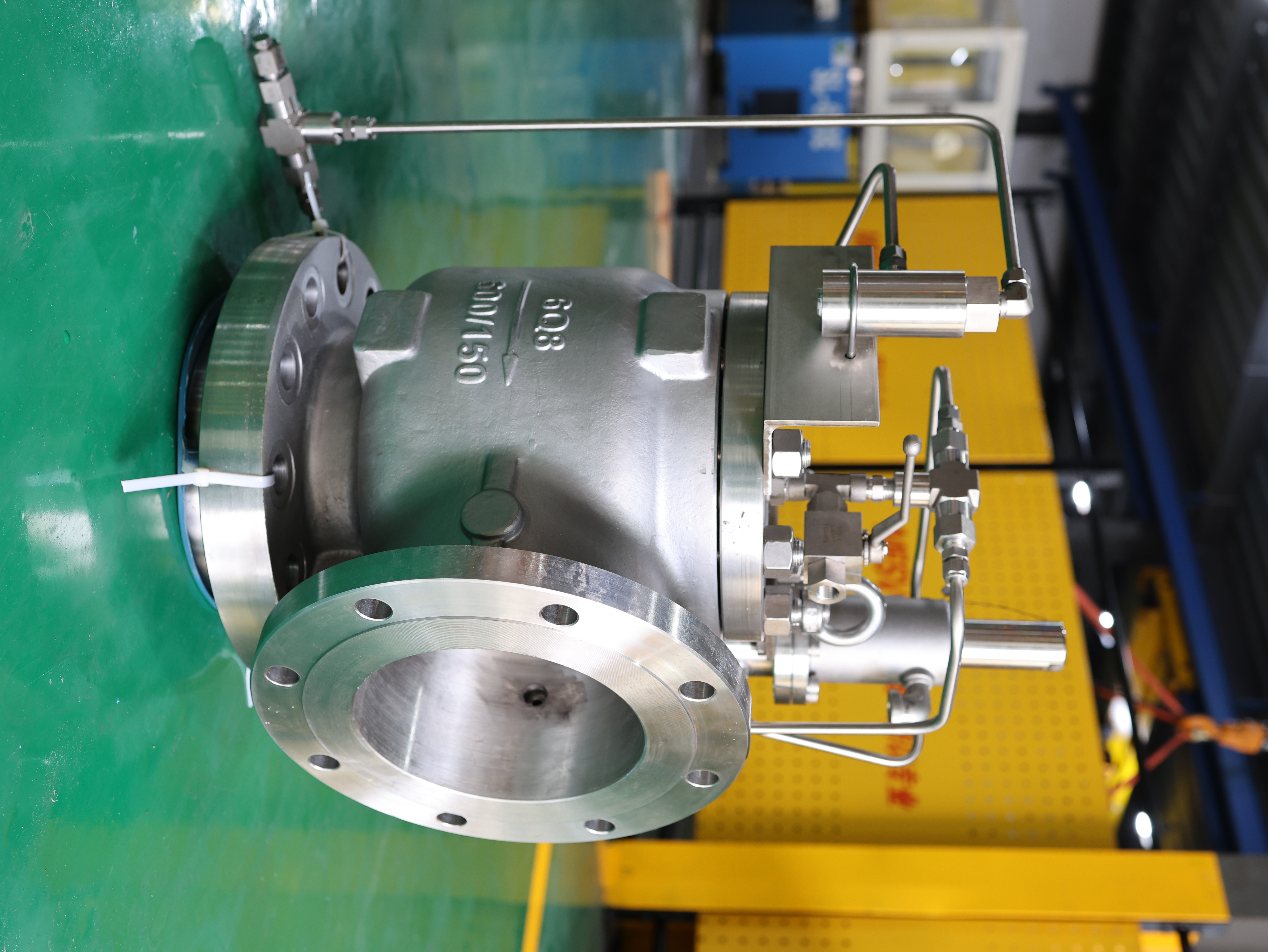
Understanding how to implement pilot operated valve working principles in a real industrial system requires more than a basic grasp of valve mechanics. It demands a clear understanding of pressure dynamics, control logic, and the specific conditions under which this type of valve performs at its best. Whether you are designing a new pressure management system or upgrading an existing one, knowing how to correctly implement pilot operated valve operation is essential for safety, efficiency, and long-term reliability.
A pilot operated valve is a pressure-relief or control device that uses a small pilot mechanism to govern the opening and closing of a larger main valve. Unlike direct-acting valves that rely solely on spring force, the pilot operated valve uses system pressure itself as the operating energy. This makes it exceptionally well-suited for high-pressure, high-flow applications where precise set-point control and tight shutoff are critical. Implementing this technology correctly means understanding each component's role, the sequence of operation, and the engineering conditions that must be met before installation.
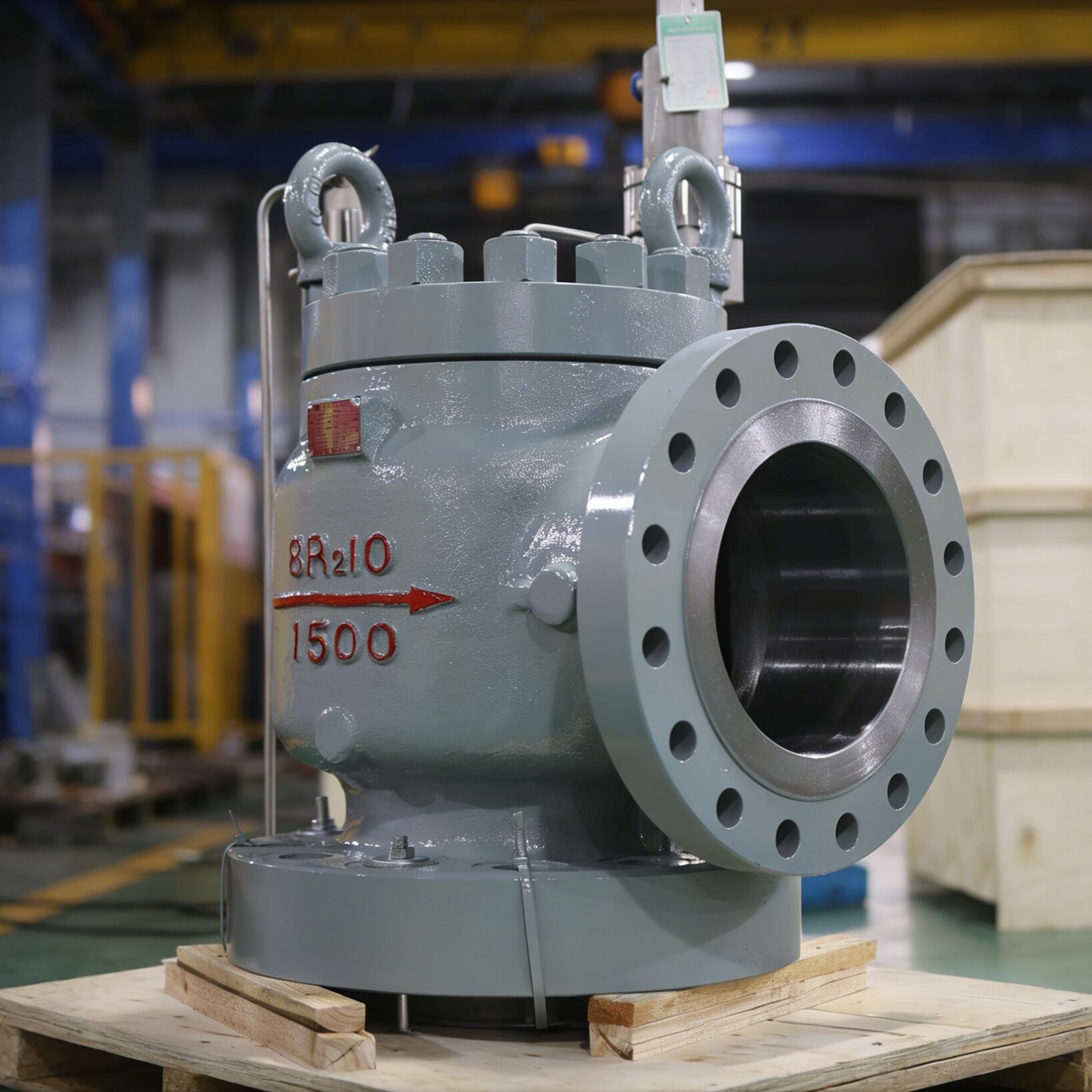
Core Working Mechanism of a Pilot Operated Valve
How the Pilot Circuit Controls the Main Valve
The fundamental working principle of a pilot operated valve centers on a two-stage pressure control system. The pilot valve is a small, sensitive device that monitors system pressure continuously. When pressure remains below the set point, the pilot valve keeps the dome or top chamber of the main valve pressurized, which holds the main disc firmly closed against the seat. This creates a tight, leak-free seal that direct-acting valves often struggle to maintain under back pressure conditions.
Once system pressure rises to the predetermined set point, the pilot valve opens and vents the dome pressure. With the dome pressure released, the higher inlet pressure acting on the underside of the main disc forces it open rapidly and fully. This snap-action opening ensures that the pilot operated valve responds decisively rather than gradually, which is critical in overpressure protection scenarios. The speed and completeness of opening are key advantages of this design over conventional alternatives.
When system pressure drops back below the set point, the pilot valve closes and allows pressure to rebuild in the dome. This re-pressurization pushes the main disc back onto the seat, closing the valve cleanly. The closing action is also controlled and predictable, which reduces the risk of chatter — a common problem in direct-acting safety valves operating near their set pressure.
Pressure Differential and Dome Loading Logic
The dome loading concept is central to implementing pilot operated valve working correctly. The dome is the chamber above the main piston or disc. When this chamber is pressurized to match or slightly exceed inlet pressure, the net force keeps the valve closed. The area differential between the dome and the inlet seat means that even a modest dome pressure advantage is sufficient to maintain a tight seal.
Engineers implementing a pilot operated valve must account for the pressure differential ratio during system design. The pilot valve must be calibrated to sense pressure accurately at the correct sensing point — typically the inlet of the main valve or a designated process tap. Incorrect sensing location leads to premature opening or failure to open at the correct set pressure, both of which compromise system integrity.
In gas applications especially, the dome loading logic must also account for temperature effects on gas density and pressure. A pilot operated valve installed in a high-temperature gas line may experience dome pressure fluctuations that affect set-point accuracy. Proper material selection and thermal compensation in the pilot circuit are therefore part of a complete implementation plan.
Step-by-Step Implementation Process
System Assessment and Set Pressure Determination
Before installing a pilot operated valve, a thorough system assessment is mandatory. This includes identifying the maximum allowable working pressure of the protected vessel or pipeline, the normal operating pressure range, and the expected flow rates during a relief event. These parameters directly determine the required set pressure, orifice size, and pilot valve configuration for the application.
Set pressure must be established at a level that provides adequate margin above normal operating pressure while remaining at or below the maximum allowable working pressure. For most pressure vessel applications, the set pressure of a pilot operated valve is set at 100% of the maximum allowable working pressure. However, in systems with significant pressure fluctuations, a higher operating-to-set-pressure ratio may be needed to prevent unnecessary cycling.
The system assessment should also identify whether the pilot operated valve will be exposed to back pressure from a discharge header. Unlike direct-acting valves, a pilot operated valve is largely unaffected by superimposed back pressure because the pilot circuit senses inlet pressure independently. This makes it the preferred choice in systems with variable or high back pressure conditions.
Mounting, Orientation, and Inlet Piping Requirements
Correct physical installation is a critical step in implementing pilot operated valve working as designed. The valve must be mounted in a vertical, upright position in most configurations. Horizontal or inverted mounting can cause the pilot mechanism to malfunction due to gravity effects on internal components, particularly in liquid-service applications where fluid accumulation in the pilot circuit can block sensing ports.
Inlet piping to the pilot operated valve must be designed to minimize pressure drop between the protected equipment and the valve inlet. Excessive inlet pressure drop can cause the valve to chatter or fail to achieve full lift, reducing its effective relieving capacity. Industry standards generally recommend that the pressure drop in the inlet piping not exceed 3% of the set pressure during full flow conditions.
The sensing line connecting the pilot valve to the process must also be free of blockages, moisture traps, and sharp bends that could impede pressure transmission. In dirty or particulate-laden services, a filter or strainer in the pilot sensing line is a standard implementation measure to protect the small orifices within the pilot mechanism from fouling.
Pilot Valve Calibration and Set-Point Verification
Calibrating the pilot valve to the correct set pressure is one of the most technically precise steps in the implementation process. This is typically performed on a certified test bench using a calibrated pressure source. The pilot valve spring is adjusted until the pilot opens at exactly the specified set pressure, and the reseat pressure is verified to confirm that the valve closes cleanly within the allowable blowdown range.
After bench calibration, the assembled pilot operated valve should be tested as a complete unit before installation. This full-assembly test confirms that the pilot circuit communicates correctly with the main valve dome, that the main disc opens fully at set pressure, and that the valve reseats tightly after the test pressure is reduced. Documentation of these test results is essential for regulatory compliance and maintenance records.
Field verification after installation is equally important. A slow, controlled pressure build-up test — where system pressure is raised gradually to the set point while monitoring the pilot operated valve response — confirms that the installation has not introduced any sensing errors or mechanical interference. Any deviation from the expected set pressure during field testing requires investigation before the system is placed in service.
Operational Conditions That Affect Pilot Operated Valve Performance
Gas Service Versus Liquid Service Considerations
The working behavior of a pilot operated valve differs meaningfully between gas and liquid service, and implementation must reflect these differences. In gas service, the valve opens with a sharp snap action and achieves full lift quickly because gas is compressible and pressure drops rapidly once flow begins. This makes the pilot operated valve highly effective for gas overpressure protection, where fast, full-bore opening is essential to prevent pressure from continuing to rise.
In liquid service, the pilot operated valve must be configured to handle the incompressible nature of the fluid. Liquid-service pilot valves often use a modulating pilot rather than a snap-action pilot, allowing the main valve to open proportionally to the degree of overpressure. This prevents the hydraulic hammer and system shock that can occur if a large liquid-service valve opens fully and instantaneously.
Implementing a pilot operated valve in combined gas-liquid or two-phase service requires additional engineering analysis. The pilot sensing line must be protected from liquid slugs that could cause erratic pressure signals, and the main valve internals must be compatible with both phases of the process fluid. Consulting the valve manufacturer's application guidelines is essential in these cases.
Temperature Extremes and Material Compatibility
Temperature has a direct impact on the performance of a pilot operated valve, particularly on the elastomeric seals within the pilot mechanism and the main valve seat. At elevated temperatures, standard elastomers can soften, swell, or degrade, leading to leakage or failure to reseat properly. At cryogenic temperatures, the same materials can become brittle and crack under pressure cycling.
Selecting the correct seat and seal materials is therefore a non-negotiable part of implementation. For high-temperature gas applications, metal-to-metal seats in the main valve combined with high-temperature elastomers or PTFE in the pilot circuit are common solutions. For cryogenic service, austenitic stainless steel body materials and low-temperature elastomers are standard requirements.
The body material of the pilot operated valve must also be compatible with the process fluid to prevent corrosion-related failures. In corrosive gas services such as hydrogen sulfide or chlorine-containing streams, specialized alloys or coatings may be required. Material selection should always be based on a formal compatibility review against the process fluid composition, temperature, and pressure.
Maintenance and Long-Term Reliability of Pilot Operated Valves
Scheduled Inspection and Testing Intervals
A pilot operated valve that is correctly implemented must also be maintained on a structured schedule to preserve its reliability over time. The pilot mechanism, with its small orifices and sensitive spring components, is particularly susceptible to fouling, corrosion, and spring fatigue if left uninspected for extended periods. Most industry standards and regulatory frameworks require periodic in-situ testing or removal for bench testing at defined intervals.
In-situ testing using a test gag or field test connection allows the pilot operated valve to be partially tested without removing it from service. This type of test verifies that the pilot valve opens at approximately the correct set pressure and that the main valve responds. However, it does not fully verify reseat tightness or internal condition, so it should be supplemented by periodic full removal and bench testing.
The testing interval for a pilot operated valve depends on the severity of the service, the process fluid characteristics, and the applicable regulatory requirements. In clean, non-corrosive gas service, intervals of three to five years may be acceptable. In dirty, corrosive, or high-cycling services, annual inspection is more appropriate. Maintenance records should document every test result, adjustment, and parts replacement to support ongoing reliability analysis.
Common Failure Modes and Corrective Actions
Understanding the failure modes of a pilot operated valve helps maintenance teams implement corrective actions before a failure affects system safety. The most common failure mode is pilot valve fouling, where particulate matter or process deposits block the small sensing orifices in the pilot circuit. This can cause the pilot to fail to open at set pressure or to open erratically. Regular cleaning of the pilot circuit and installation of upstream strainers are the primary preventive measures.
Seat leakage in the main valve is another frequent issue, particularly in services where the valve cycles frequently or where the process fluid contains abrasive particles. Leakage past the main seat wastes process fluid, creates environmental concerns, and indicates that the valve may not achieve full lift when needed. Lapping or replacing the main seat and disc is the standard corrective action.
Pilot spring fatigue can cause the set pressure to drift over time, particularly in high-cycling applications. If field testing reveals that the set pressure has shifted beyond the allowable tolerance, the pilot spring must be replaced and the valve recalibrated. Keeping a stock of critical spare parts — including pilot springs, seat discs, and elastomeric seals — is a practical reliability measure for facilities that depend heavily on pilot operated valve protection.
FAQ
What is the main advantage of a pilot operated valve over a direct-acting safety valve?
The primary advantage of a pilot operated valve is its ability to maintain a tight seal at operating pressures very close to the set pressure, while still opening fully and rapidly when the set pressure is reached. Direct-acting valves require a larger margin between operating and set pressure to prevent simmer and leakage. The pilot operated valve also handles back pressure more effectively, making it the preferred choice in complex piping systems with shared discharge headers.
Can a pilot operated valve be used for both gas and liquid service?
Yes, a pilot operated valve can be configured for gas service, liquid service, or two-phase service, but the pilot mechanism and main valve internals must be selected appropriately for each application. Gas service typically uses a snap-action pilot for fast, full-lift opening, while liquid service often uses a modulating pilot to prevent hydraulic shock. The body materials, seat materials, and elastomeric seals must also be compatible with the specific process fluid and temperature range.
How often should a pilot operated valve be tested and inspected?
Testing and inspection frequency for a pilot operated valve depends on the service conditions and applicable regulatory requirements. In clean, non-corrosive services, a three-to-five-year interval for full bench testing is common, supplemented by periodic in-situ testing. In dirty, corrosive, or high-cycling services, annual inspection is more appropriate. All test results and maintenance activities should be documented to support compliance audits and reliability tracking.
What causes a pilot operated valve to chatter, and how can it be prevented?
Chattering in a pilot operated valve is typically caused by excessive inlet pressure drop, which prevents the valve from maintaining stable full lift once it opens. When the pressure at the valve inlet drops below the reseat pressure due to piping losses, the valve closes, pressure recovers, and the cycle repeats rapidly. Prevention involves designing the inlet piping to limit pressure drop to no more than 3% of the set pressure during full flow, and ensuring the valve is correctly sized for the actual relieving load rather than oversized for the application.