EN
EN

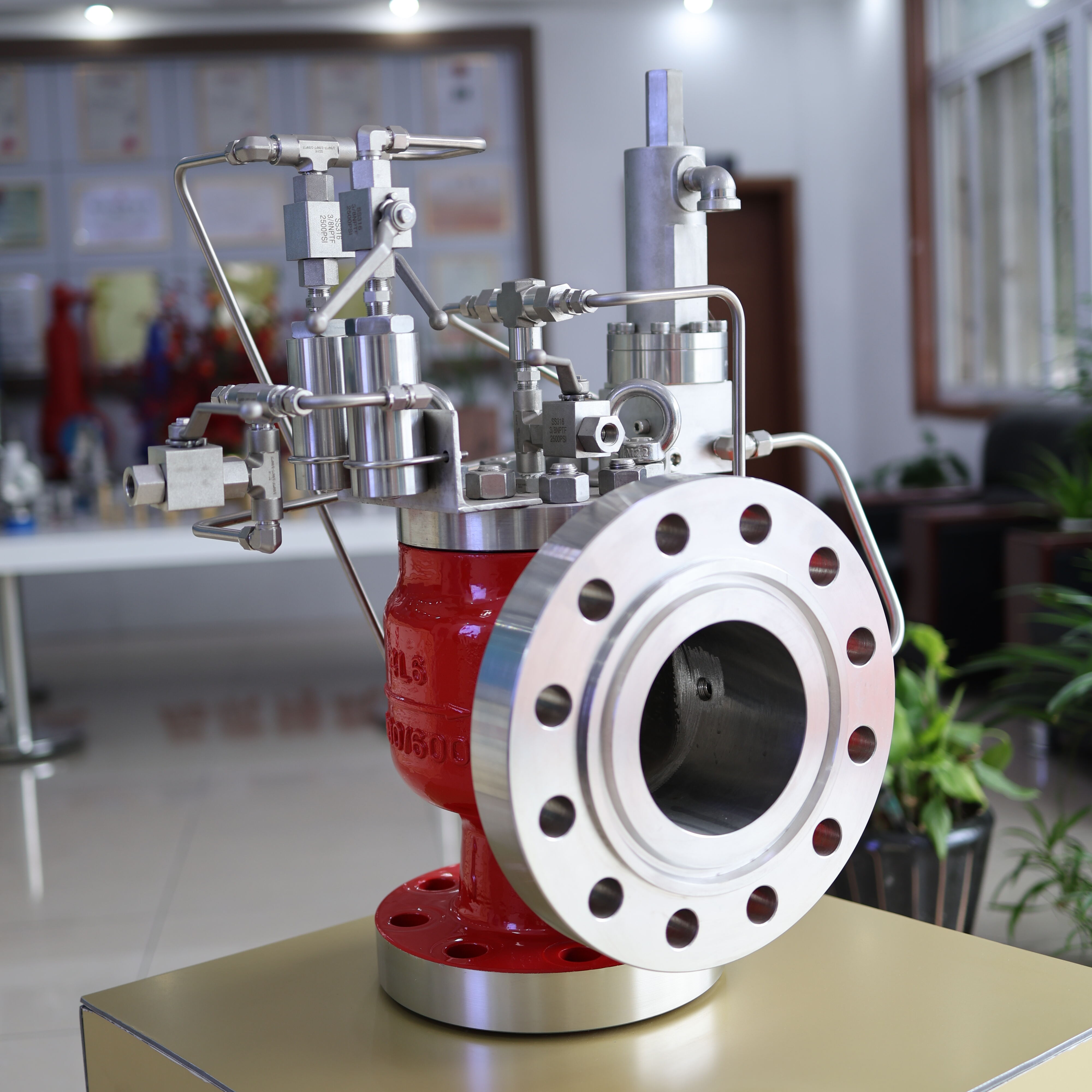
In high-stakes industrial environments, the ability of a pilot pressure valve to perform reliably across a wide range of operating conditions is not just a convenience — it is a fundamental engineering requirement. Whether managing gas pressure in petrochemical pipelines, protecting downstream equipment in power generation facilities, or regulating flow in compressor stations, the adaptability of a pilot pressure valve determines how well a system can respond to fluctuating demands without compromising safety or efficiency. Engineers, procurement specialists, and plant managers increasingly recognize that selecting a valve with strong adaptability characteristics translates directly into reduced maintenance costs, extended service life, and greater operational confidence.
Adaptability in a pilot pressure valve encompasses far more than simply tolerating a range of pressures. It involves the valve's capacity to respond precisely to pilot signals across varied flow rates, temperatures, and media types, while maintaining tight set-point accuracy and consistent actuation behavior. This article conducts a thorough analysis of pilot pressure valve adaptability — examining the mechanical and functional dimensions that define it, the factors that influence it, how it is evaluated in real industrial deployments, and what specifications engineers should scrutinize when matching a pilot pressure valve to a demanding application.
Understanding Adaptability in the Context of Pilot Pressure Valve Design
The Mechanical Architecture Behind Adaptive Performance
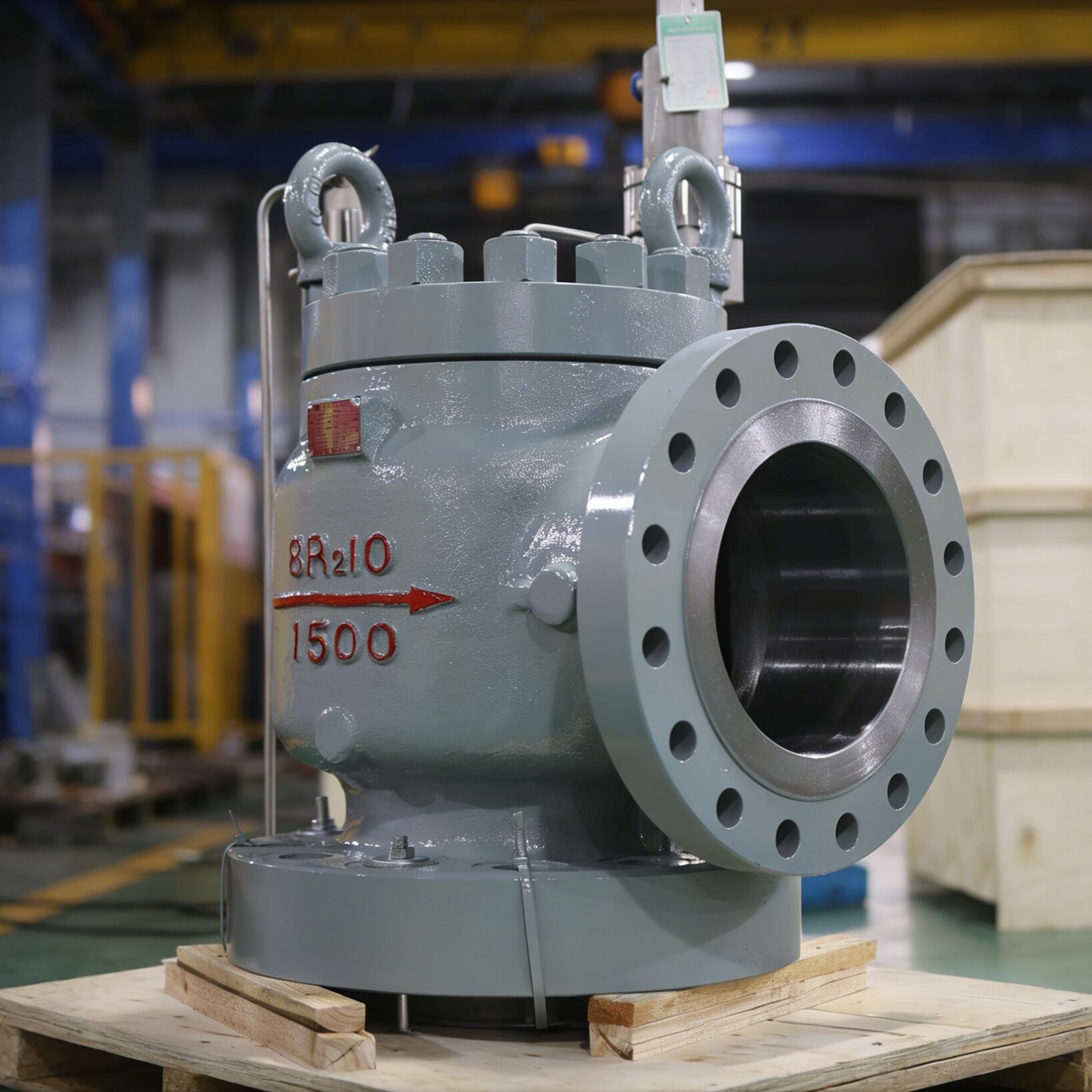
A pilot pressure valve operates on a fundamentally different principle than conventional direct-spring safety valves. Instead of relying solely on spring force to hold the main disc closed, it uses system pressure routed through a small pilot valve to generate a closing force on top of the main disc. This design allows the valve to remain tightly sealed up to very close tolerances of the set pressure, improving blowdown performance and enabling more precise pressure management. The mechanical sophistication of this architecture is precisely what gives the pilot pressure valve its inherent adaptability advantage over simpler alternatives.
The pilot circuit itself plays a central role in adaptability. When system pressure rises toward the set point, the pilot senses this change and begins to relieve the dome pressure above the main disc, allowing the main valve to open in a controlled and repeatable manner. When pressure drops back to normal, the pilot reseats, restoring full system pressure above the disc and closing the main valve tightly. This feedback mechanism allows the pilot pressure valve to adapt dynamically to pressure transients without the valve chatter or leakage issues that can affect spring-loaded designs under fluctuating conditions.
Material selection also contributes significantly to adaptability. A pilot pressure valve deployed in gas applications must handle not only pressure extremes but also potential exposure to corrosive media, high-temperature cycles, and particulate contamination. High-performance valve bodies manufactured from stainless steel, duplex alloys, or high-grade carbon steel offer the chemical and mechanical resilience needed to sustain adaptive performance over extended service intervals without degradation of internal seating surfaces or pilot orifice geometries.
Set Pressure Accuracy and Adjustability
One of the most practical expressions of pilot pressure valve adaptability is the precision with which its set pressure can be calibrated and, when necessary, adjusted to match changing system requirements. Unlike direct-acting valves where set pressure is altered by compressing or relaxing a main spring — a relatively coarse mechanical adjustment — the pilot pressure valve allows for fine-tuned set point modification through the pilot spring adjustment mechanism. This enables the valve to be precisely calibrated in the field without requiring full disassembly or bench testing in all cases.
The ability to set and maintain tight pressure tolerances across a range of system pressures — for example, 1.8 MPa set pressure applications commonly used in gas systems — reflects the valve's adaptability to specific process demands. When a pilot pressure valve is correctly specified and calibrated, it will consistently open at the designated set pressure, achieve full lift, and reseat within an acceptable blowdown band. This repeatability across variable inlet conditions is a defining characteristic of a well-adapted valve design and a key criterion during both initial selection and periodic recertification.
Key Factors That Influence Pilot Pressure Valve Adaptability
Operating Pressure Range and Back Pressure Tolerance
The operating pressure range across which a pilot pressure valve can function effectively is one of the most direct indicators of its adaptability. A valve with a wide operable pressure range can be deployed across more system configurations without requiring redesign or replacement when process conditions evolve. This is particularly important in industrial plants where pressure profiles may shift due to production scale-up, feedstock changes, or seasonal demand variations. The pilot pressure valve must remain stable and accurate across this entire envelope without exhibiting early opening, set pressure drift, or delayed reseating.
Back pressure tolerance is another critical adaptability dimension. In many gas processing and pipeline applications, the discharge side of the pilot pressure valve is exposed to variable back pressure conditions — especially when the valve vents into a common header system rather than to atmosphere. A pilot pressure valve with poor back pressure tolerance will experience set pressure variation and unreliable lift behavior as downstream conditions fluctuate. Pilot-operated designs with balanced configurations — where the pilot and main valve geometry compensate for back pressure effects — demonstrate significantly superior adaptability in these scenarios compared to unbalanced designs.
Temperature Range and Fluid Compatibility
Thermal adaptability is a frequently underestimated dimension of pilot pressure valve performance. Industrial systems routinely subject valves to temperature extremes during startup, shutdown, and emergency scenarios. A pilot pressure valve must maintain its set pressure accuracy and mechanical integrity across the full thermal operating range defined for its installation. Metal-to-metal seat designs, for instance, offer better high-temperature sealing adaptability than soft-seat configurations, which may be more sensitive to thermal deformation or seat material degradation at elevated temperatures.
Fluid compatibility shapes adaptability in a different but equally important way. A pilot pressure valve used in gas service must resist internal corrosion and contamination-induced wear across the life of the installation. The pilot orifice — which is the most dimensionally sensitive component in the valve — must resist particulate fouling, scale buildup, and chemical attack to sustain accurate pressure sensing over time. Valves designed with stainless steel pilot internals and corrosion-resistant seat materials demonstrate far greater adaptability to challenging gas compositions, including those with trace hydrogen sulfide, carbon dioxide, or moisture content.
Flow Capacity and Sizing Flexibility
Adaptability must also be evaluated in terms of flow capacity relative to system relief requirements. A pilot pressure valve that opens fully and rapidly at set pressure but has insufficient orifice area for the required relief flow rate will fail to protect the system effectively. Engineers must assess not only the set pressure match but also the certified orifice area and the corresponding relief capacity at relevant inlet conditions. A valve with modular sizing options — available in multiple orifice sizes while sharing the same pilot architecture — provides significant adaptability advantages during system design and future capacity upgrades.
The relationship between pilot pressure valve sizing and system dynamics is nuanced. Oversizing a pilot pressure valve can lead to instability and chatter, particularly at low flow conditions, while undersizing will result in insufficient pressure relief capacity. Adaptability in sizing means having sufficient range of available configurations to match the valve's flow coefficient precisely to the system's relief demand profile. This requires close collaboration between the process engineer and the valve specification team during the design phase, using certified capacity data rather than estimated performance curves.
Evaluating Adaptability in Real Industrial Applications
Gas Application Performance Benchmarks
Gas applications represent one of the most demanding environments for pilot pressure valve adaptability assessment. The combination of compressible flow dynamics, potential for rapid pressure surges, and sensitivity of downstream equipment to overpressure events creates a performance environment where valve adaptability is continuously tested. A high-performance pilot pressure valve for gas applications must demonstrate consistent pop-action lift, tight blowdown performance, and reliable reseating across the full range of operating pressures encountered during normal and upset conditions.
Field testing and certification data provide the most reliable basis for evaluating pilot pressure valve adaptability in gas service. Valves that have undergone third-party performance testing at relevant pressures and temperatures, and carry certifications to recognized standards such as API 526 or equivalent, offer documented proof of adaptive performance that self-reported manufacturer data alone cannot provide. Engineers specifying a pilot pressure valve for gas service at set pressures around 1.8 MPa should prioritize valves with published performance data across the full working pressure range of the intended installation, not just at the nominal set point.
Maintenance Cycles and Long-Term Adaptability
Adaptability is not a static property — it must be sustained over the operational life of the valve through effective maintenance practices. A pilot pressure valve that performs excellently when new but degrades rapidly in set pressure accuracy or reseating reliability after limited service cycles is not truly adaptable in the practical sense. The maintenance interval required to sustain adaptive performance is therefore a key criterion in real industrial evaluations, particularly in applications where frequent shutdown for valve service is operationally costly or logistically challenging.
Pilot pressure valves with accessible pilot circuit designs that allow in-line inspection and cleaning without full valve removal offer a significant practical adaptability advantage. When the pilot orifice, filter, and sensing connections can be serviced without breaking the main valve from the pipeline, maintenance teams can address performance drift before it becomes critical — extending the effective adaptive service life of the valve installation. This design consideration is particularly valuable in remote gas production facilities and offshore platforms where valve access is inherently restricted.
Long-term adaptability also depends on the availability of certified spare parts and recalibration services. A pilot pressure valve is only as adaptable as the support ecosystem around it. Sourcing a valve from a supplier with documented aftermarket support capabilities ensures that when pilot internals need replacement or set pressure recertification is required, the process can be completed quickly and accurately — preserving the valve's adaptive performance characteristics throughout its service life.
Matching Pilot Pressure Valve Specifications to Application Demands
Critical Specification Parameters for Adaptability
When analyzing the adaptability of a pilot pressure valve for a specific application, engineers should systematically evaluate several critical specification parameters. The inlet size and connection standard determine whether the valve can be integrated into existing piping without modification. The certified orifice designation and corresponding relief capacity must match or exceed the required flow at set conditions. The set pressure range of the selected valve model must encompass the intended calibration point with sufficient margin to avoid operating at the extreme limits of the adjustment range, which can introduce instability.
Body and trim material specifications must be cross-referenced against the specific gas composition and process temperature profile of the installation. A pilot pressure valve specified with materials appropriate for clean dry gas may perform poorly when exposed to wet gas containing corrosive impurities. The adaptability of the valve to the actual — rather than idealized — process fluid is a fundamental aspect of specification rigor that is sometimes overlooked when standard material grades are applied without process-specific review.
Standards Compliance and Certification Scope
Compliance with industry standards is an important proxy for adaptability because standards define the performance envelope within which a pilot pressure valve must reliably operate. Standards such as API 520, API 526, and ASME Section VIII define the testing, certification, and operational requirements that ensure a valve's adaptive capability has been independently verified. A pilot pressure valve carrying full certification to these standards has demonstrated its ability to meet defined performance criteria across relevant pressure, temperature, and flow conditions — providing engineers with confidence in its adaptability beyond what internal manufacturer testing alone can establish.
The scope of certification also matters. A pilot pressure valve certified only for steam or liquid service may not carry applicable performance data for gas applications, even if the valve is mechanically suitable. Engineers must confirm that the pilot pressure valve's certification scope directly covers the intended service category and that the certified capacity data was developed under conditions representative of the target installation. Selecting a valve with certification gaps relative to the intended application introduces adaptive performance uncertainty that could compromise system safety during critical overpressure events.
FAQ
What makes a pilot pressure valve more adaptable than a conventional spring-loaded safety valve?
A pilot pressure valve uses system pressure to generate closing force on the main disc, allowing it to remain tightly sealed up to very close tolerances of set pressure and to respond more precisely to pressure changes. This pilot-assisted mechanism enables tighter blowdown control, better performance under variable back pressure, and more consistent reseating compared to direct-spring designs, making the pilot pressure valve inherently more adaptable to dynamic and fluctuating process conditions.
How does back pressure affect the adaptability of a pilot pressure valve?
Back pressure can cause set pressure deviation and unreliable lift behavior in unbalanced valve designs. A pilot pressure valve with a balanced pilot and main valve configuration compensates for variable downstream pressure, maintaining set pressure accuracy and stable operation even when the discharge header pressure fluctuates. Evaluating back pressure tolerance is therefore essential when selecting a pilot pressure valve for any application with a common discharge manifold or partially pressurized outlet system.
What maintenance practices best support long-term pilot pressure valve adaptability?
Regular inspection and cleaning of the pilot circuit — particularly the sensing orifice and inlet filter — are the most impactful maintenance practices for preserving pilot pressure valve adaptability. Periodic set pressure verification and recalibration ensure the valve continues to operate within its intended performance envelope. Valves designed for in-line pilot servicing allow these tasks to be performed more efficiently without full pipeline disconnection, supporting sustained adaptive performance across long service intervals.
Which application conditions most severely test pilot pressure valve adaptability?
Gas applications with frequent pressure cycling, high back pressure variability, corrosive media composition, and wide temperature swings represent the most demanding tests of pilot pressure valve adaptability. Compressor discharge systems, gas processing separators, and pipeline protection systems all combine multiple stress factors simultaneously. A pilot pressure valve selected for these environments must be evaluated not just for nominal set pressure performance but for sustained adaptive capability across the full range of dynamic conditions the installation will realistically encounter during its operational life.
Table of Contents
- Understanding Adaptability in the Context of Pilot Pressure Valve Design
- Key Factors That Influence Pilot Pressure Valve Adaptability
- Evaluating Adaptability in Real Industrial Applications
- Matching Pilot Pressure Valve Specifications to Application Demands
-
FAQ
- What makes a pilot pressure valve more adaptable than a conventional spring-loaded safety valve?
- How does back pressure affect the adaptability of a pilot pressure valve?
- What maintenance practices best support long-term pilot pressure valve adaptability?
- Which application conditions most severely test pilot pressure valve adaptability?