EN
EN

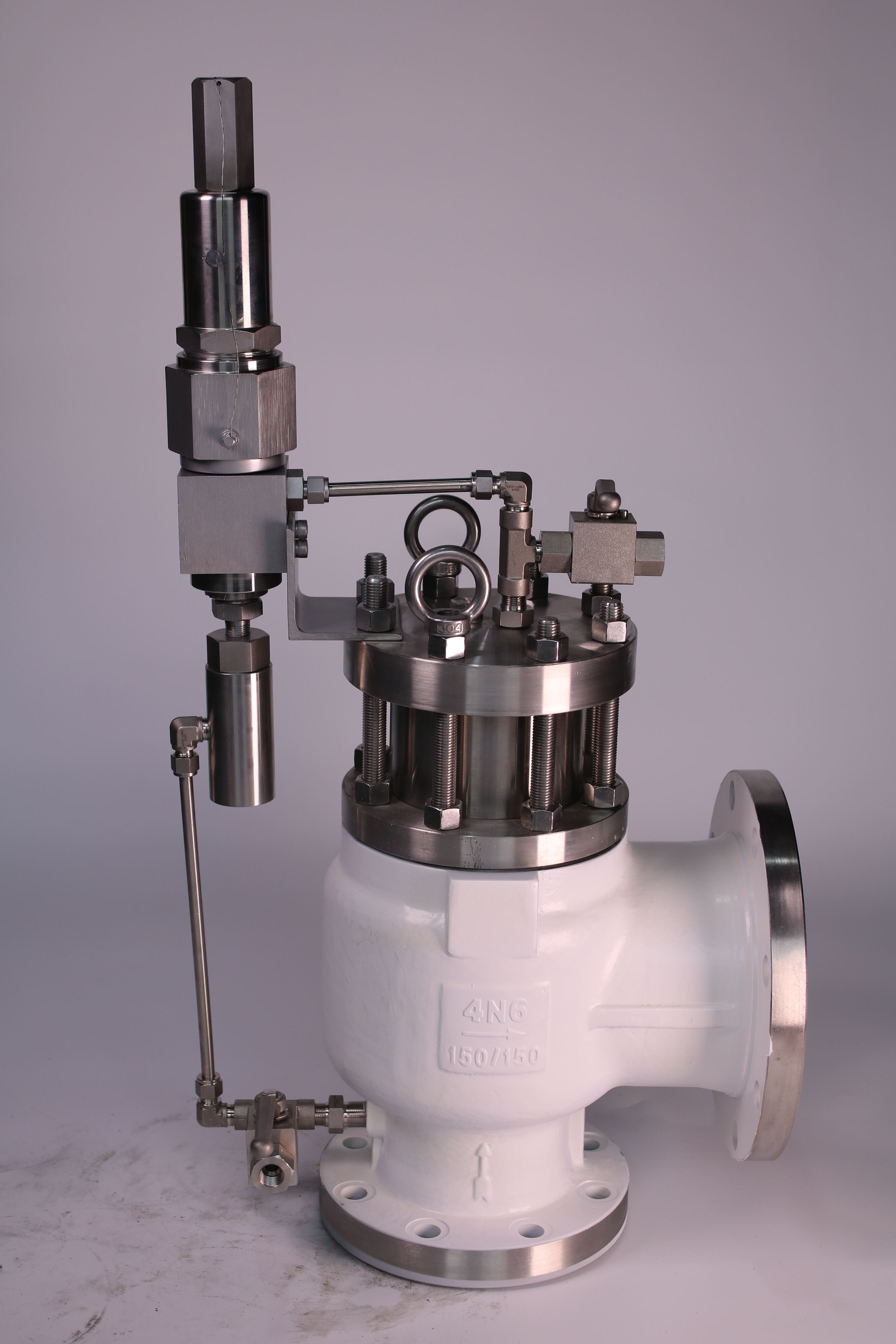
Investing in a dual pilot valve is a significant operational decision, but the real value of that investment is only fully realized through thoughtful post-purchase practices. Many facilities install their equipment and assume performance will manage itself, only to discover later that efficiency gaps have quietly widened over time. Understanding how to extract maximum performance from your dual pilot valve after it leaves the procurement stage is what separates high-performing operations from those that merely maintain the status quo.
A dual pilot valve is engineered to provide precise, redundant control in safety-critical pressure management systems. Its design integrates two independent pilot mechanisms that work in concert, offering superior response accuracy and fail-safe operation. However, the engineering excellence built into the device must be matched by equally disciplined commissioning, calibration, and maintenance procedures. This article explores the practical strategies that help facilities maximize the long-term efficiency of their dual pilot valve investment from the moment of installation onward.
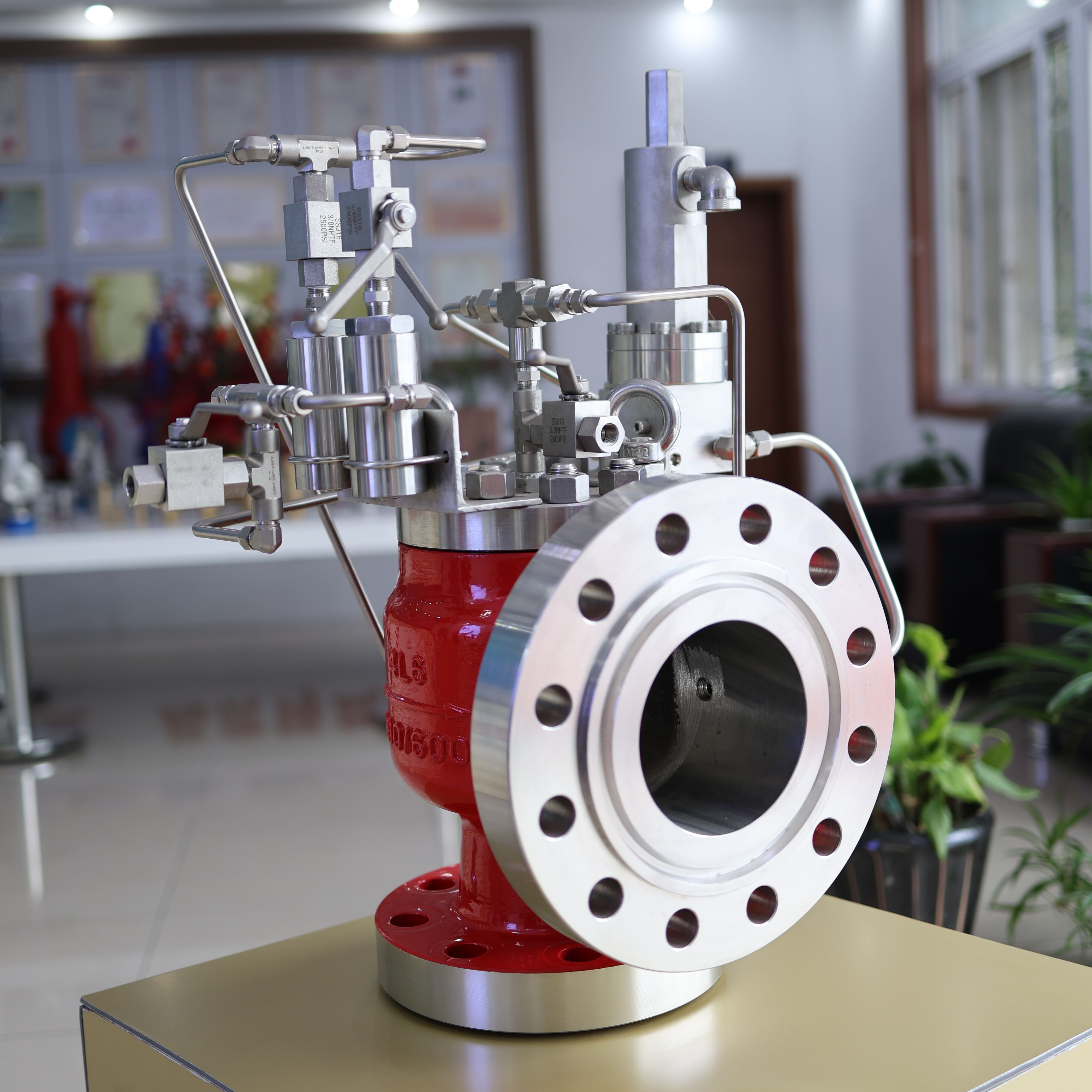
Proper Installation as the Foundation of Efficiency
Understanding System Compatibility Before Commissioning
Efficiency challenges rarely begin at the point of operation — they begin at installation. Before a dual pilot valve is introduced into a live system, engineers must conduct a thorough compatibility review. This involves verifying that the valve's pressure ratings, connection sizes, and material composition align precisely with the operating conditions of the target pipeline or vessel.
Temperature ranges, process media characteristics, and back-pressure profiles all influence how a dual pilot valve will perform over its service life. Mismatches discovered post-installation are costly and disruptive to correct. Taking the time to audit system parameters before commissioning eliminates efficiency losses that would otherwise be attributed to equipment failure when the real cause is an avoidable installation mismatch.
The pilot sensing lines deserve particular attention during this phase. Incorrect sensing line sizing or routing can introduce response delays and measurement inaccuracies that compound over time, degrading the precision that makes a dual pilot valve valuable in the first place.
Orientation, Mounting, and Initial Leak Testing
The physical orientation of a dual pilot valve during installation directly affects its internal mechanics. Manufacturers design these valves with specific mounting orientations in mind, and deviating from those specifications — even slightly — can introduce mechanical stress on internal components and alter set-point accuracy.
After mounting, a comprehensive initial leak test is non-negotiable. Any leakage path around the pilot mechanisms or main valve seat represents a direct efficiency loss. Caught early, leaks are typically correctable through re-torquing or gasket replacement. Left unaddressed, they escalate into chronic inefficiencies and potential safety incidents that require full valve removal and inspection.
Documenting the installation baseline — including all torque values, connection configurations, and initial functional test results — creates the reference data needed for meaningful performance comparisons later in the valve's operational life.
Calibration Strategies That Sustain Peak Performance
Setting Accurate Pilot Set Points
Calibration is the single most impactful post-installation activity for a dual pilot valve. Both pilot mechanisms must be individually calibrated to their designated set points before the valve enters service, and this calibration must be verified against traceable pressure standards. Even minor set-point deviations accumulate into significant operational inefficiencies, particularly in systems that experience frequent pressure cycling.
The dual-pilot architecture creates an opportunity for precision that single-pilot designs cannot match. When both pilots are correctly calibrated, they create a tightly controlled pressure response window that improves system stability and reduces unnecessary valve actuation events. Unnecessary actuation is one of the most overlooked sources of efficiency loss in dual pilot valve installations.
Calibration records should capture the as-found condition of each pilot mechanism, the adjustments made, and the as-left verification results. This documentation supports regulatory compliance and provides the performance trend data that makes predictive maintenance feasible.
Periodic Recalibration and Drift Monitoring
A dual pilot valve operating in demanding industrial environments will experience calibration drift over time. Temperature cycling, vibration, and exposure to corrosive process media all contribute to gradual set-point migration. Establishing a recalibration schedule based on the specific severity of the operating environment — rather than a generic calendar interval — ensures that calibration maintenance aligns with actual wear patterns.
Modern pressure management systems increasingly use continuous monitoring instrumentation to detect early-stage drift in dual pilot valve performance. When integrated into a facility's distributed control system, these monitoring signals can trigger maintenance alerts before drift reaches efficiency-impacting thresholds.
The dual-pilot configuration provides a built-in diagnostic advantage: discrepancies between the two pilot response behaviors can indicate localized wear, contamination, or calibration drift in one pilot mechanism before the main valve function is significantly affected. Leveraging this inherent redundancy as a diagnostic tool amplifies the efficiency value of the design.
Maintenance Practices That Protect Long-Term Value
Establishing a Condition-Based Maintenance Protocol
Reactive maintenance — addressing problems only after they manifest — is the most expensive and least efficient approach to managing a dual pilot valve. A condition-based maintenance protocol shifts the focus to ongoing performance monitoring, allowing maintenance interventions to be scheduled at the most operationally convenient and cost-effective moments.
Key indicators that support condition-based maintenance for a dual pilot valve include seat leakage measurements, pilot response time observations, and visual inspections of external components for corrosion or mechanical damage. When these indicators are tracked consistently, maintenance teams develop a clear picture of the valve's degradation trajectory and can intervene before efficiency losses become significant.
Spare parts inventory management is a practical dimension of this protocol that is often overlooked. Having critical pilot mechanism components — such as seat rings, diaphragms, and spring assemblies — pre-stocked at the facility level dramatically reduces maintenance downtime when a dual pilot valve requires intervention.
Cleaning, Lubrication, and Internal Inspection Cycles
Contamination is among the most common causes of premature efficiency decline in a dual pilot valve. Process media impurities can accumulate in pilot sensing lines, seat areas, and internal passages, interfering with the precision response that defines the valve's operational value. Periodic cleaning cycles tailored to the specific contamination risks of the process media are essential to maintaining efficiency.
Lubrication requirements vary by design and operating environment, but neglecting them consistently accelerates internal wear and increases actuation forces over time. Following the manufacturer's lubrication specifications — including lubricant type and application frequency — preserves the mechanical integrity of both pilot mechanisms.
Internal inspection during scheduled overhauls should go beyond visual assessment. Dimensional checks on critical seating surfaces, spring load verification, and diaphragm integrity testing provide the quantitative data needed to make informed decisions about whether to restore, adjust, or replace specific components within the dual pilot valve assembly.
Operational Optimization Across the Service Life Cycle
Aligning Operating Pressure Margins With System Demands
One of the most effective — and underutilized — strategies for maximizing dual pilot valve efficiency is regularly reviewing the relationship between system operating pressure and the valve's set-point configuration. As process conditions evolve over a facility's operational life, the original set-point selection may no longer represent the optimal balance between protection and operational stability.
Operating a dual pilot valve with an excessively narrow margin between normal operating pressure and set-point pressure increases actuation frequency unnecessarily. Each actuation cycle introduces mechanical wear and potential seat leakage over time. Reviewing and adjusting pressure margins in consultation with process engineers and valve specialists ensures that the valve operates within its most efficient envelope.
This review process should be integrated into scheduled process hazard analyses or management-of-change procedures, ensuring that efficiency optimization is conducted within the facility's safety management framework rather than as an isolated maintenance activity.
Training Operations Personnel on Dual Pilot Valve Behavior
The operational efficiency of any dual pilot valve installation is ultimately shaped by the people who monitor and interact with it daily. Operations personnel who understand the specific behavioral characteristics of their dual-pilot design — including how it responds to pressure fluctuations, what normal actuation behavior looks like, and how to recognize early warning signs of performance degradation — are better equipped to identify issues before they escalate.
Training programs should cover not only normal operating procedures but also abnormal condition responses and the communication protocols for reporting potential dual pilot valve performance concerns to maintenance teams. A well-informed operations workforce acts as the first line of defense against efficiency losses.
Incorporating dual pilot valve performance observations into shift handover documentation creates a continuous record of operational behavior that supports both maintenance planning and regulatory compliance activities. The cumulative knowledge embedded in these records often reveals efficiency patterns that would otherwise go unnoticed.
FAQ
How often should a dual pilot valve be recalibrated?
Recalibration frequency depends on operating environment severity, process media characteristics, and regulatory requirements. In demanding industrial environments, annual recalibration is a common baseline, but facilities with continuous monitoring systems may extend intervals based on observed drift data. Each dual pilot valve installation should have a site-specific recalibration schedule rather than relying solely on generic industry defaults.
What are the most common causes of efficiency loss in a dual pilot valve after installation?
The most frequent causes include calibration drift, contamination of pilot sensing lines or internal passages, inadequate lubrication, improper pressure margin configuration, and undetected seat leakage. Each of these issues is preventable through disciplined commissioning, condition-based maintenance, and regular operational monitoring of the dual pilot valve.
Can the dual-pilot design be used as a self-diagnostic tool during operation?
Yes. The inherent redundancy of the dual-pilot architecture provides a practical diagnostic advantage. Discrepancies in the response behavior between the two pilot mechanisms can indicate localized wear, contamination, or calibration drift in one mechanism before the main valve function is significantly compromised. Operators and maintenance teams trained to recognize these behavioral differences can use them as early-stage indicators for targeted inspection of the dual pilot valve.
Is it necessary to remove a dual pilot valve from service for internal inspection?
In most cases, comprehensive internal inspection does require taking the dual pilot valve out of active service, though the specific requirements depend on system design and regulatory context. Some facilities use hot-swap or bypass configurations to maintain system availability during inspection intervals. Planning inspection outages in advance, supported by accurate performance trending data, minimizes operational disruption while ensuring that internal components receive the thorough assessment needed to sustain long-term efficiency.
Table of Contents
- Proper Installation as the Foundation of Efficiency
- Calibration Strategies That Sustain Peak Performance
- Maintenance Practices That Protect Long-Term Value
- Operational Optimization Across the Service Life Cycle
-
FAQ
- How often should a dual pilot valve be recalibrated?
- What are the most common causes of efficiency loss in a dual pilot valve after installation?
- Can the dual-pilot design be used as a self-diagnostic tool during operation?
- Is it necessary to remove a dual pilot valve from service for internal inspection?