mechanical torque
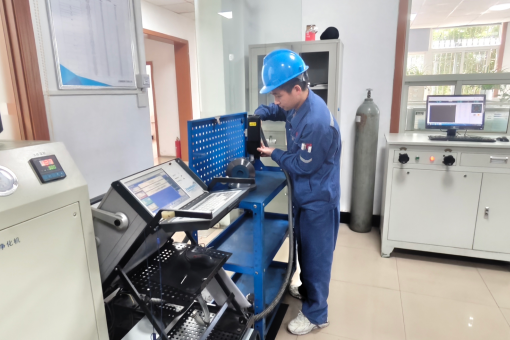
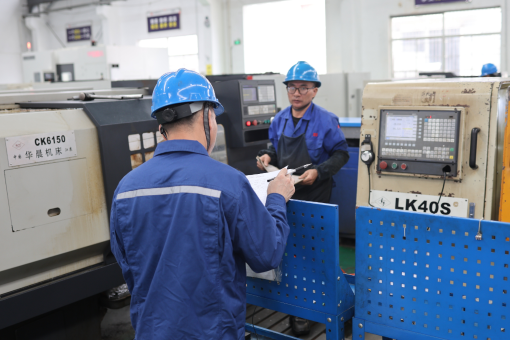
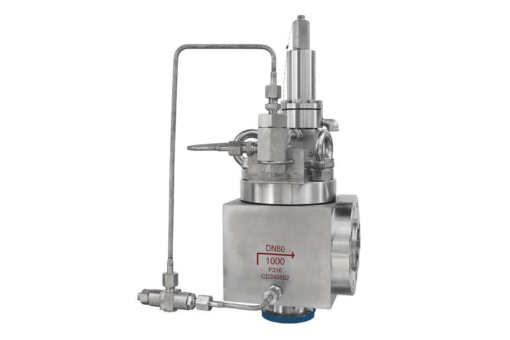
Mechanical torque is a fundamental concept in engineering and mechanics that represents the rotational force applied to an object, causing it to rotate around a fixed axis. This crucial mechanical principle is measured in Newton-meters (Nm) or foot-pounds (ft-lbs) and plays a vital role in numerous applications across various industries. At its core, mechanical torque involves the interaction between force and distance, where the magnitude of torque depends on both the applied force and the perpendicular distance from the axis of rotation. In modern engineering, mechanical torque finds extensive applications in automotive systems, industrial machinery, manufacturing processes, and precision instruments. The technology has evolved to include sophisticated torque measurement devices, sensors, and control systems that ensure precise application and monitoring of rotational force. These advancements have led to the development of smart torque tools that can provide real-time feedback, data logging capabilities, and automated torque control systems, making operations more efficient and reliable. The practical implementation of mechanical torque principles has revolutionized various sectors, from automotive assembly lines to renewable energy systems, making it an indispensable aspect of modern mechanical engineering.


 EN
EN