Alamin ang mga pagkakaiba sa pagitan ng superheated steam at saturated steam, ang mga pangunahing parameter na teknikal at mga pang-industriyang kalamangan para sa kuryente paggawa. Hanapin ang mga de-kalidad na valve para sa mataas na temperatura ng steam at mga lapis para sa kaligtasan upang mapanatili ang kaligtasan ng iyong mga sistema ng superheated steam. Ano ang Superheated Steam? Ang Panghuling Gabay na Teknikal para sa mga Industriyal na Sistema ng Steam
Karamihan sa mga tao ay nauugnay ang steam sa puting mist na inilalabas ng niluluto na tubig sa pang-araw-araw na mga sitwasyon. Gayunpaman, para sa mga planta ng thermal kuryente , mga pabrika ng petrochemical, mga pasilidad ng metalurhiya, at malalaking industriya ng pagmamanufaktura sa buong mundo, dalawang uri ng steam—ang saturated steam at ang superheated steam—ang nangunguna sa lahat ng proseso ng pagpapasa ng thermal energy. Para sa mga inhinyero ng planta, mga tagapangasiwa ng pagbili ng pasilidad, at mga dalubhasa sa disenyo ng mekanikal, ang pagkakaiba ng superheated steam mula sa saturated steam at ang pagpapakilos nito ay ang pundasyon ng pagpapabuti ng kahusayan sa init, pagbawas ng mga panganib sa operasyon, at pagbawas ng mga gastos sa pagpapanatili ng kagamitan. Ang komprehensibong gabay na ito ay naglalahad ng mga kahulugan, mga pagkakaiba ng mga parameter, mga senaryo ng aplikasyon, at mga kalamangan ng superheated steam na may suportang datos, na sumasaklaw sa mga pangunahing pananaw para sa operasyon ng mga sistemang pang-industriya ng singaw sa buong mundo.
H2: Pangunahing Kaalaman: Saturated Steam VS Superheated Steam
Bago suriin ang halaga ng superheated steam sa industriya, mahalaga muna na linawin ang mga prinsipyo ng pagkabuo at mga pangunahing katangian ng saturated steam, na ang pangunahing anyo ng hilaw na singaw sa mga sistemang boiler.
1. Saturated Steam
Ang saturated steam ay nabubuo kapag ang likidong tubig ay umaabot sa kanyang punto ng pagkakalbo sa ilalim ng tiyak na presyon ng kapaligiran at natatapos ang transisyon ng yugto mula likido hanggang gas. Sa pamantayang presyon ng atmospera (1 bar), ang tubig ay kumukulo sa 100°C upang mabuo ang saturated steam; sa 10 bar na presyon ng operasyon, ang nakatakda nitong temperatura ng pagkakalbo ay tumataas hanggang 184°C.
Ang uri ng singaw na ito ay isang dalawang-yugtang halo ng gas na singaw at maliliit na nakasuspensong mga patak ng tubig, na pangkalahatang tinutukoy sa industriya bilang wet steam. Ang pinakamalaking limitasyon nito ay ang nakatakda na ugnayan ng temperatura at presyon: hindi maaaring dagdagan ang temperatura ng saturated steam kung hindi pa-adjust ang presyon ng sistema.
2. Superheated Steam
Ang superheated steam (napapasingaw na sobra) ay isang mataas na antas na nabagong anyo ng saturated steam (napapasingaw na puno). Ang proseso ng paggawa nito ay sumusunod sa prinsipyo ng pag-init na may parehong presyon: matapos mabuo ang dry steam (tuyong singaw) sa pamamagitan ng kumpletong pag-evaporate ng lahat ng nakadikit na mga patak ng tubig mula sa saturated steam, ipinapatuloy ng boiler o superheater ang pag-init sa singaw hanggang sa temperatura na malayo nang lumalampas sa saturation temperature (temperatura ng pagkakapuno) na katumbas ng kasalukuyang presyon.
Ang panghuling produkto ay 100% single-phase gaseous dry steam (tuyong singaw na gas na may iisang yugto) na walang laman na likidong tubig. Halimbawa, sa isang stable na presyon na 10 bar, ang saturation temperature ay 184°C, samantalang ang superheated steam ay maaaring patuloy na mainitan hanggang sa 250°C–400°C o mas mataas pa, na lubos na naghihiwalay sa temperatura mula sa mga limitasyon ng presyon.
Pangunahing Pagkukumpara ng Teknikal: Saturated Steam vs. Superheated Steam
Ang sumusunod na talahanayan ng paghahambing na batay sa datos ay ipinapakita nang intuwitibo ang mga agwat sa mga katangian ng pisikal, mga katangian ng operasyon, at ang kahalagahan sa industriya ng dalawang uri ng singaw, na naglilingkod bilang sanggunian para sa disenyo ng sistema ng singaw at pagpili ng mga valve:
Teknikong katangian |
Saturated Steam |
Superheated steam |
Kalagayan ng Pisikal |
Malamig na dalawang-phase na singaw; may lamang 2%–5% na likidong mga patak ayon sa masa |
Lubos na tuyo na isang-phase na gas; walang nilalaman na likidong tubig |
Kaugnayan ng Temperatura at Presyon |
Nakatakda ang ugnayan; ang temperatura ay natutukoy nang eksklusibo ng presyon |
Hindi nakasalalay sa isa't isa; maaaring i-adjust ang temperatura sa ilalim ng pare-parehong presyon ng operasyon |
Katatagan ng Kondensasyon |
Kumukondensar nang mabilis sa anumang maliit na pagkawala ng init; mataas ang panganib ng water hammer |
Malakas na pagganap ng thermal buffer; nawawala lamang ang superheat nang walang condensation sa loob ng isang tiyak na saklaw ng temperatura |
Tiyak na Enthalpy (Laman ng Enerhiya) |
Mababang epektibong enthalpy; limitadong enerhiyang maaaring gamitin para sa gawa |
Mas mataas na enthalpy kaysa sa saturated steam ng 30–115 kJ/kg, na nagbibigay ng karagdagang magagamit na thermal energy |
Pangunahing Industriyal na Aplikasyon |
Heating ng mababang temperatura, pagpapahid ng kahalumigmigan, pagpapatuyo ng pagkain, at mga sistema ng sibil na heating |
Panggawa ng thermal power, pampagana ng turbine, kemikal na reaksyon ng mataas na presisyon, at transmisyon ng steam sa mahabang distansya |
Bakit Pinipili ng Mga Pandaigdigang Industriyal na Planta ang Superheated Steam (4 Na Nakabatay sa Data na Kawastuhan)
Kasalukuyan, ang malalaking thermal system ay unti-unting tinatanggal ang saturated steam sa mga pangunahing link ng produksyon. Ang malawakang pag-adopt ng superheated steam ay pinangungunahan ng mga pagpapabuti sa kaligtasan, optimisasyon ng kahusayan sa enerhiya, at pangmatagalang pagbawas ng gastos, na suportado ng mga nakaukulan at nasusukat na industriyal na datos:
1. Alisin ang Water Hammer at Bawasan ang Pagkasira ng Kagamitan Dahil sa Erosion
Ang water hammer na dulot ng mga kondensadong patak sa saturated steam ay isa sa mga pangunahing sanhi ng pagkabuwal ng pipeline, pinsala sa turbine blade, at kabiguan ng pag-seal ng steam valve sa mga high-pressure steam system. Ang impact pressure na nabubuo ng water hammer ay maaaring lumampas sa 3–5 beses ang normal na working pressure ng pipeline, na madaling sumira sa mga precision power equipment at high-pressure control valve.
Bilang ganap na dry steam, ang superheated steam ay lubos na nililimita ang panganib ng liquid droplet erosion at water hammer. Ayon sa data mula sa industriyal na operasyon, ang paglipat mula sa saturated steam patungo sa kwalipikadong superheated steam ay maaaring bawasan ang mga gastos sa pagpapanatili na may kaugnayan sa erosion sa mga turbine, pipeline, at steam valve hanggang 62%, at palawigin ang service life ng mga kagamitan sa high-pressure steam system ng 25%–40%.
2. Bawasan ang Thermal Losses sa Mahabang Distansya ng Transmission
Sa mga pinagsamang industriyal na parke at malalaking planta ng kuryente, kadalasan ay kailangang ipadala ang singaw sa pamamagitan ng mga tubo na mahigit sa 500 metro. Ang saturated steam (singaw na nasa estado ng saturasyon) ay napakahina sa pagkawala ng init mula sa kapaligiran, at higit sa 15% ng singaw ay magko-condense sa anyo ng likidong tubig habang inililipat ito sa mahabang distansya, na nangangailangan ng malaking bilang ng mga steam trap (mga tagapigil ng singaw) at mga aksesorya para sa pagbubuhos, na nagdudulot ng dagdag na gastos sa pagbili at operasyon.
Ang superheated steam (superheated na singaw) ay may natatanging katangian na thermal buffer: una itong nagpapalabas ng sobrang init (superheat) imbes na mag-condense sa anyo ng likido kapag nawawalan ng init. Ang datos mula sa field test ay nagpapatunay na sa ilalim ng parehong presyon at diameter ng tubo, ang heat loss (pagkawala ng init) sa pagdadala ng superheated steam ay 7%–12% na mas mababa kaysa sa saturated steam, na epektibong pinapasimple ang suportang istruktura ng tubo at binabawasan ang pang-araw-araw na pagpapanatili para sa pagbubuhos.
3. Palakasin nang malaki ang kahusayan ng siklo ng pagbuo ng kuryente
Ang kahusayan sa paggana ng mga yunit ng thermal power ay sumusunod sa prinsipyo ng Carnot Cycle—ang mas mataas na unang temperatura ng input na steam, ang mas mataas na kahusayan sa net power generation ng yunit, at ang mas mababang pagkonsumo ng fuel bawat kWh.
• Ang mga tradisyonal na yunit ng kuryente na umaasa sa saturated steam o low-superheat steam ay may kabuuang kahusayan sa pagbuo ng kuryente na 32%–35%;
• Ang mga konbensyonal na subcritical na planta ng kuryente ay gumagamit ng 540°C–565°C na superheated steam, na may kabuuang kahusayan na umaabot sa 38%–41%;
• Ang mga advanced ultra-supercritical (USC) na planta ng kuryente ay gumagamit ng 600°C–620°C na mataas-na-temperatura na superheated steam, at ang net power generation efficiency nito ay maaaring lumampas sa 45%.
Para sa isang 100MW na thermal power unit, ang bawat 1% na pagtaas sa kabuuang kahusayan ay maaaring makatipid ng humigit-kumulang 1,200 toneladang standard coal bawat taon, habang binabawasan din nito ang mga emisyon ng carbon dioxide at sulfur oxide nang sabay-sabay.
4. Angkop para sa mga Sitwasyon ng Mataas-na-Presisyon na Pagproseso sa Mataas na Temperatura
Sa mga industriya ng pinong kemikal na sintesis, mataas na kalidad na sintering ng materyal, at aseptikong isterilisasyon, ang katatagan ng temperatura at walang interference ng kahalumigmigan ang mga pangunahing kinakailangan para sa mga kwalipikadong produkto. Ang sobrang init na singaw ay nakakamit ng matatag at pare-parehong pag-init sa mataas na temperatura nang walang natitirang kahalumigmigan, na iniiwasan ang pagkasira, pagbibitak, at kontaminasyon ng produkto na dulot ng kondensada ng tubig.
Mga Hamon ng mga Sistema ng Superheated Steam at mga Kaugnay na Kinakailangan sa Valve
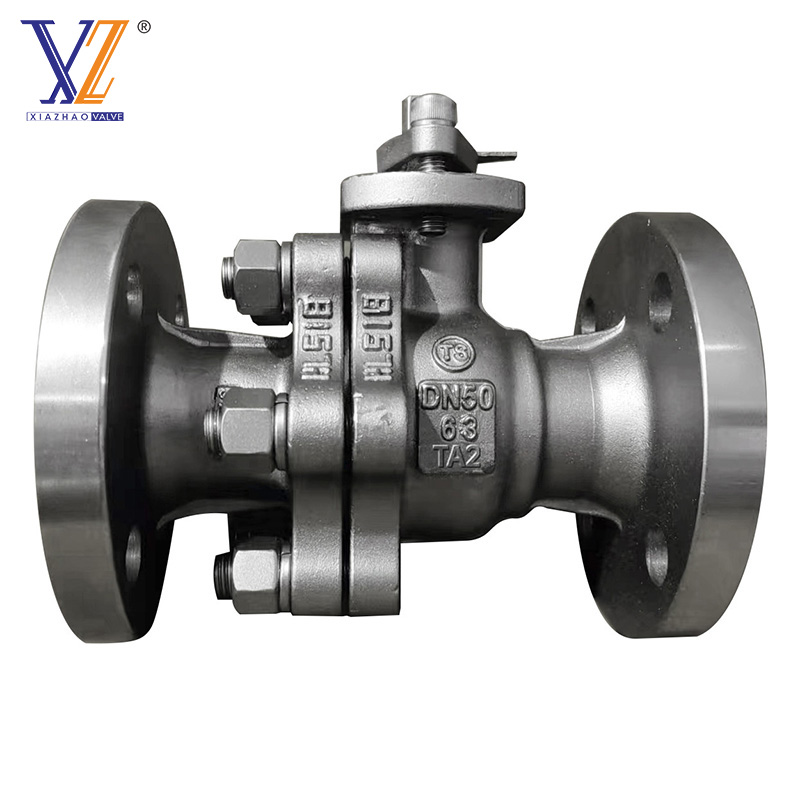
Kumpara sa mga sistemang saturated steam, ang mataas na temperatura ng superheated steam ay nangangailangan ng mas mahigpit na mga pamantayan sa mga suportang control valve. Ang mga bahaging ito ay kailangang tumagal sa ekstremong kondisyon ng operasyon tulad ng mataas na temperatura (hanggang 650°C) at mataas na presyon (10–160 bar), kasama ang mahusay na sealing sa mataas na temperatura, anti-oxidation, at anti-fatigue performance.
Ang karaniwang bakal na sariwa at mga katapusan na gawa sa mababang halaga ng bakal ay madaling mag-deform at mabigo sa pag-seal sa mga kapaligiran ng sobrang init na singaw. Ang mga propesyonal na katapusan para sa singaw ay kailangang gumamit ng mga materyales na may mataas na resistensya sa init, isang optimisadong disenyo ng daloy ng tubig, at mga istrukturang pang-seal na may maraming yugto upang makasabay sa matagalang stable na operasyon sa ilalim ng ekstremong kondisyon ng paggamit.
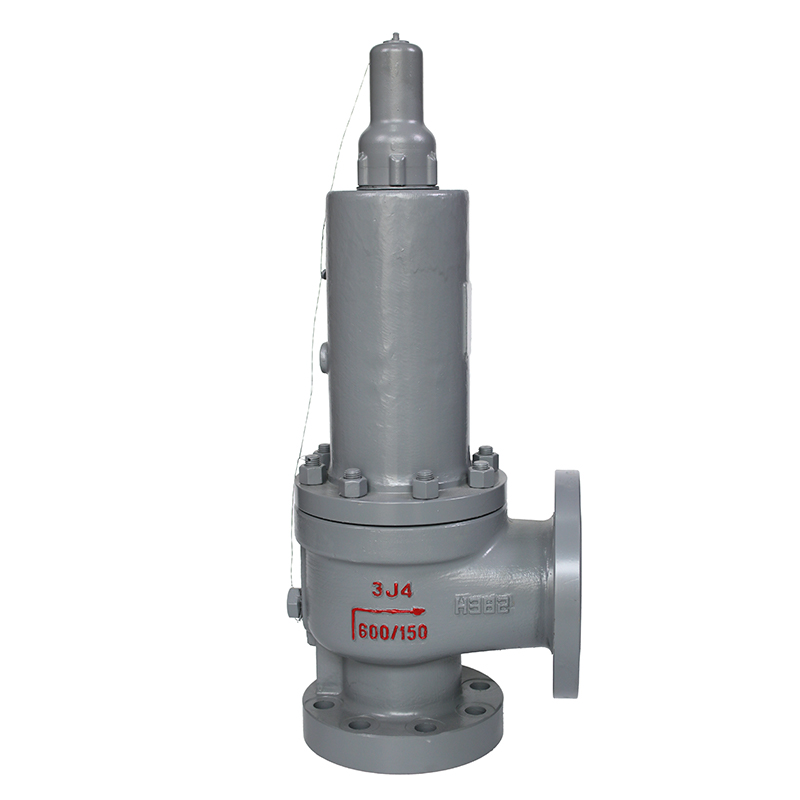
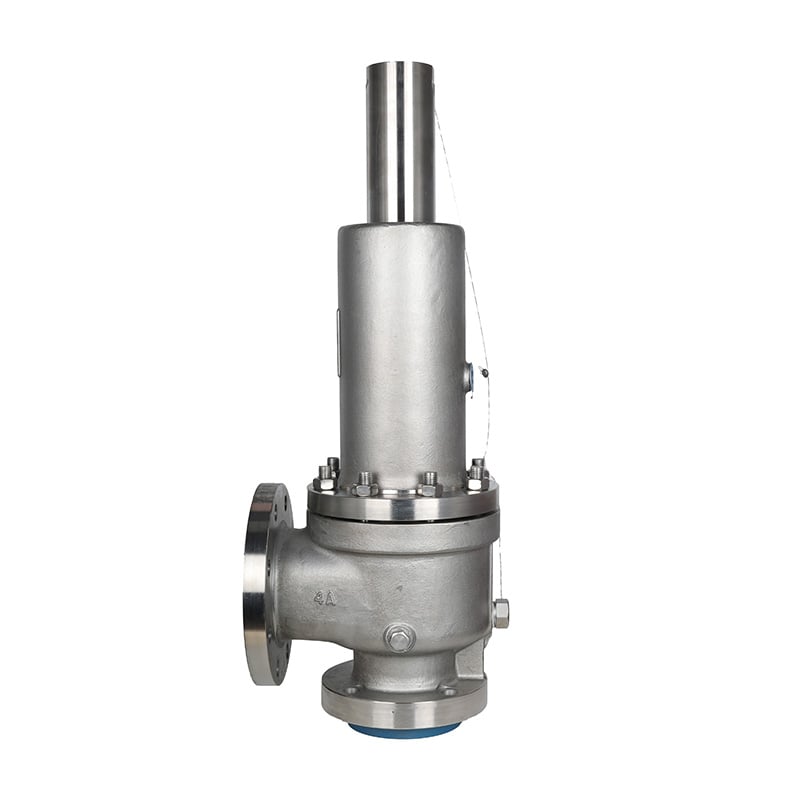
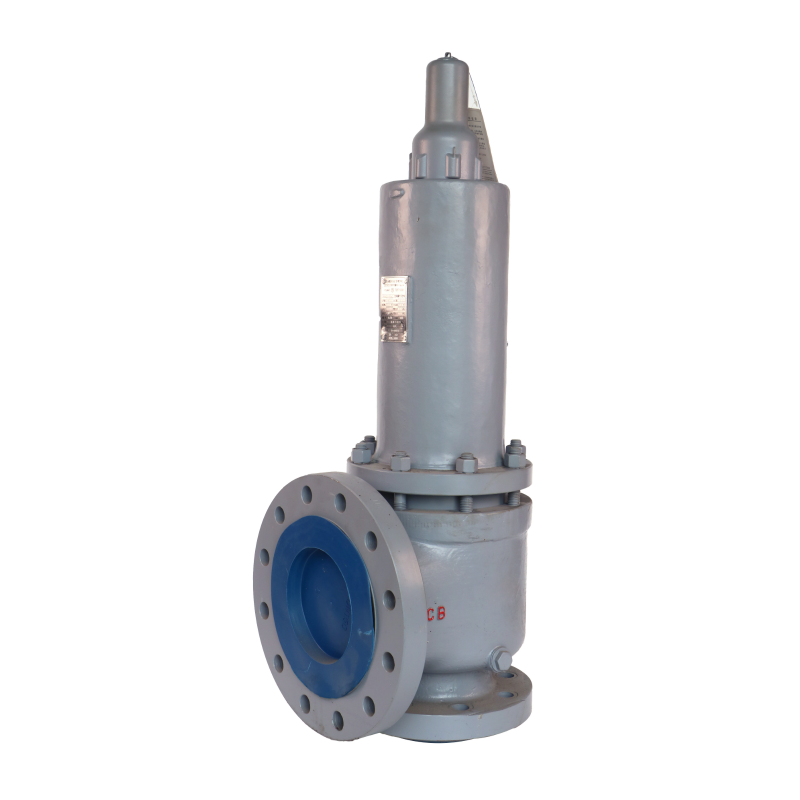
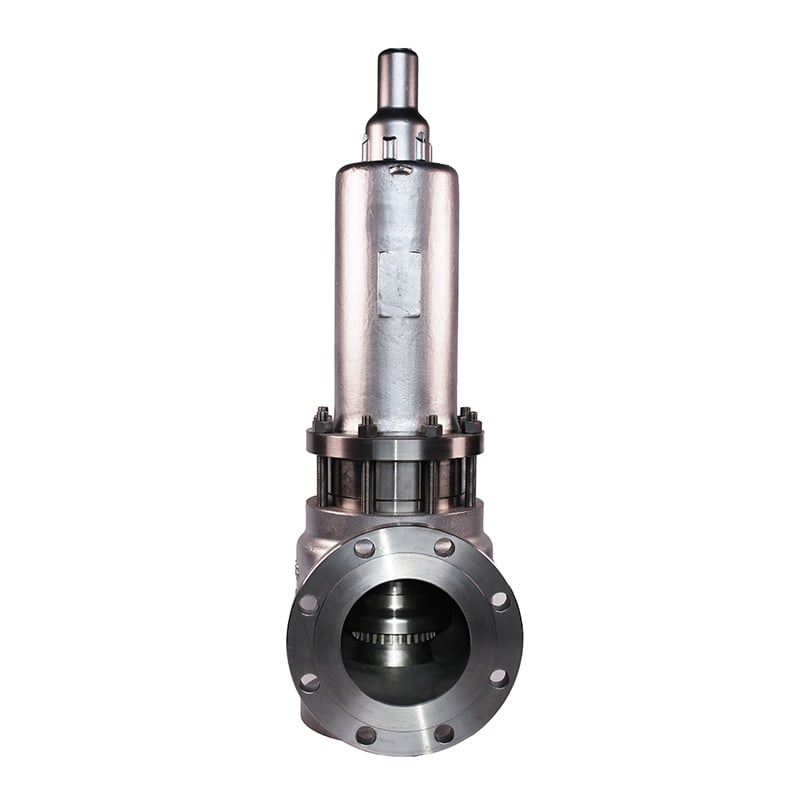
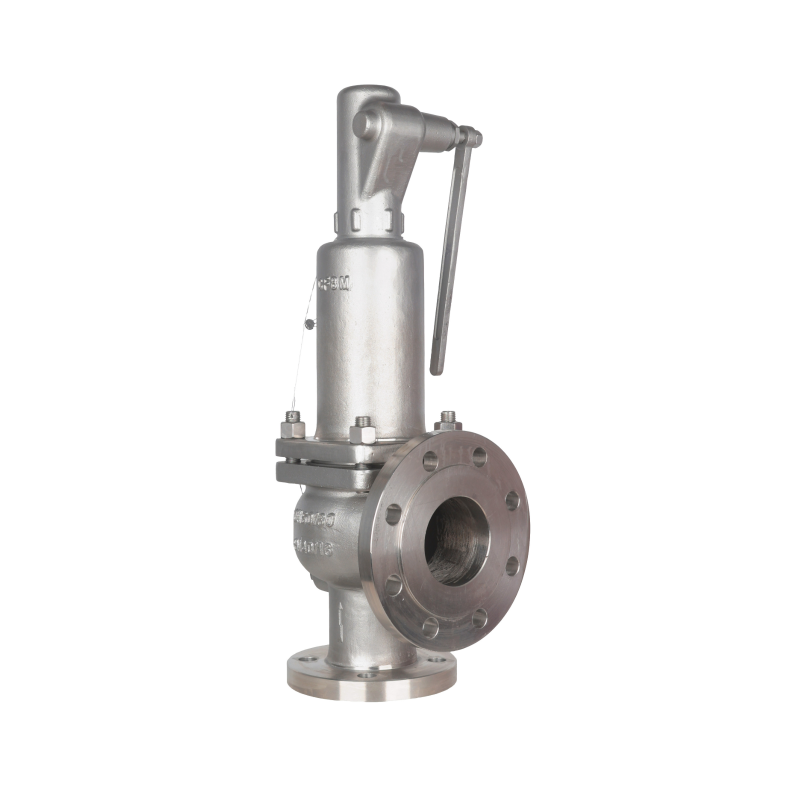
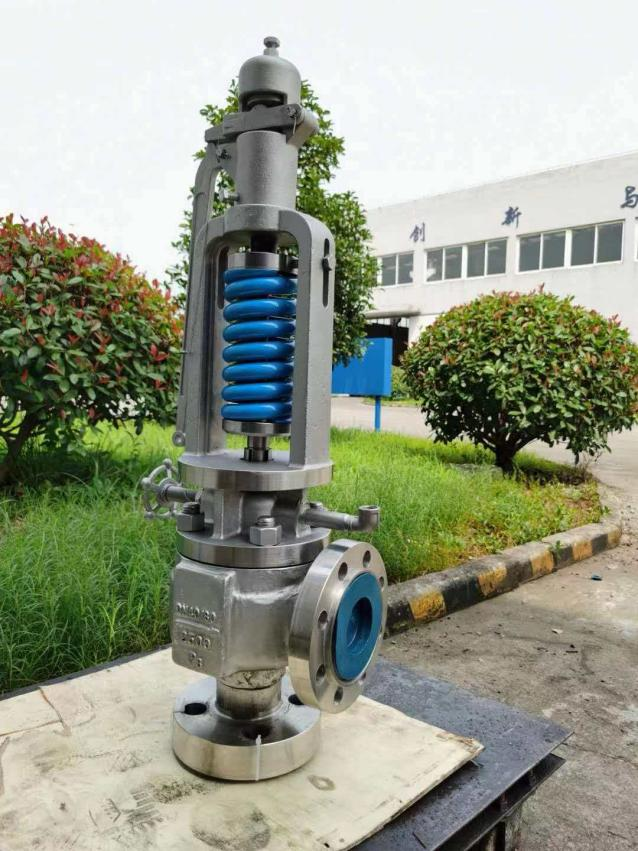
Upang maiwasan ang mga panganib dulot ng labis na presyon sa mga pipeline at boiler ng sobrang init na singaw, ang mga katapusan ng kaligtasan ay naging hindi maiiwasang mga device para sa proteksyon. Ang isang kwalipikadong katapusan ng kaligtasan para sa singaw ay maaaring awtomatikong palabasin ang labis na presyon kapag ang sistema ay lumampas sa itinakdang halaga, na nagpaprotekta sa buong sistema ng singaw, mga pipeline, at mga kagamitan sa proseso mula sa pinsala.
Ginagawa namin ang mga espesyal na katapusan ng kaligtasan na idinisenyo partikular para sa serbisyo ng sobrang init na singaw, na may mga katangian tulad ng mataas na resistensya sa init, mabilis na reaksyon, at stable na pagganap sa pag-seal, na lubos na sumusunod sa mga internasyonal na pamantayan sa industriya para sa mga sistema ng singaw sa kuryente at kemikal.
Kongklusyon
Ang saturated steam ay nananatiling angkop para sa mga pangunahing sitwasyon ng pag-init na may mababang demand dahil sa mababang gastos sa produksyon nito at simpleng lohika ng kontrol. Gayunpaman, ang superheated steam ay naging pangunahing daluyan ng enerhiya ng mga modernong mataas-na-antad na industriyal na sistema ng init dahil sa mababang pagkawala sa pagpapadaloy, walang panganib na water hammer, at mataas na kahusayan sa pagbabago ng enerhiya, lalo na ito ay hindi mapapalitan sa mga larangan ng pagbuo ng kuryente at mataas-na-presisyon na industriyal na proseso.
Ang matatag na operasyon ng mga sistema ng superheated steam ay hindi maaaring hiwalayin sa mga propesyonal na accessory para sa pipeline na kinakatawan ng mga espesyal na valve para sa steam at mga safety valve. Bilang isang propesyonal na tagagawa ng industrial valve mula sa Tsina, ang Shanghai Xia Zhao Valve ay nakatuon sa pananaliksik at pag-unlad (R&D) at produksyon ng mga valve para sa superheated steam at mga safety valve na may mataas na temperatura at mataas na presyon. Kasama sa aming hanay ng produkto ang globe valves, gate valves, check valves, pressure reducing valves, at safety valves, na lubos na compatible sa mga power plant, chemical enterprises, at mga sistemang panggawa ng steam sa buong mundo, na tumutulong sa mga kliyenteng pandaigdig na bawasan ang rate ng pagkabigo at i-optimize ang mga benepisyong operasyonal.
 Balitang Mainit
 EN
EN