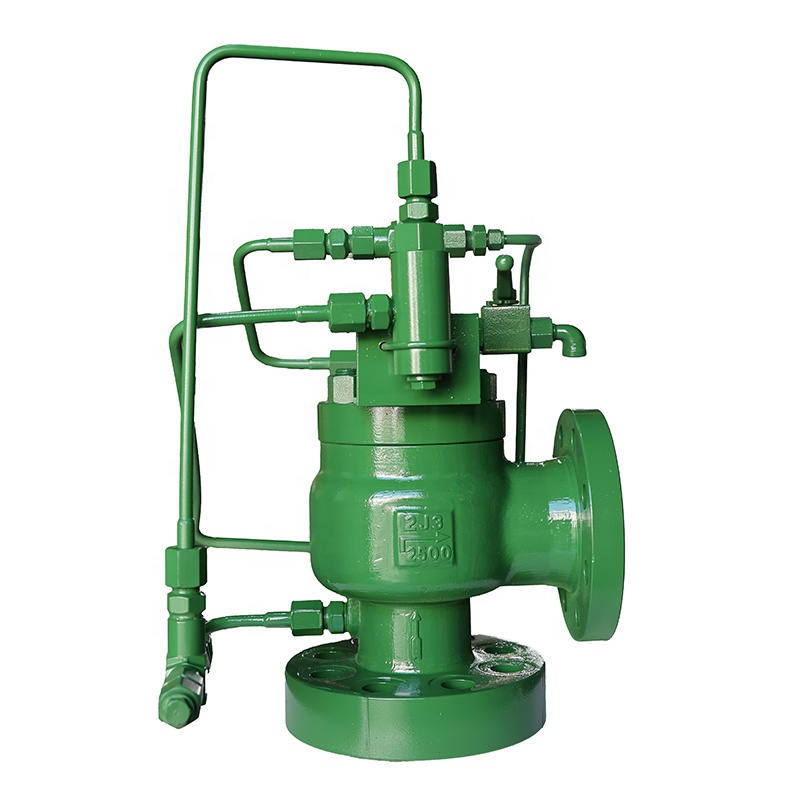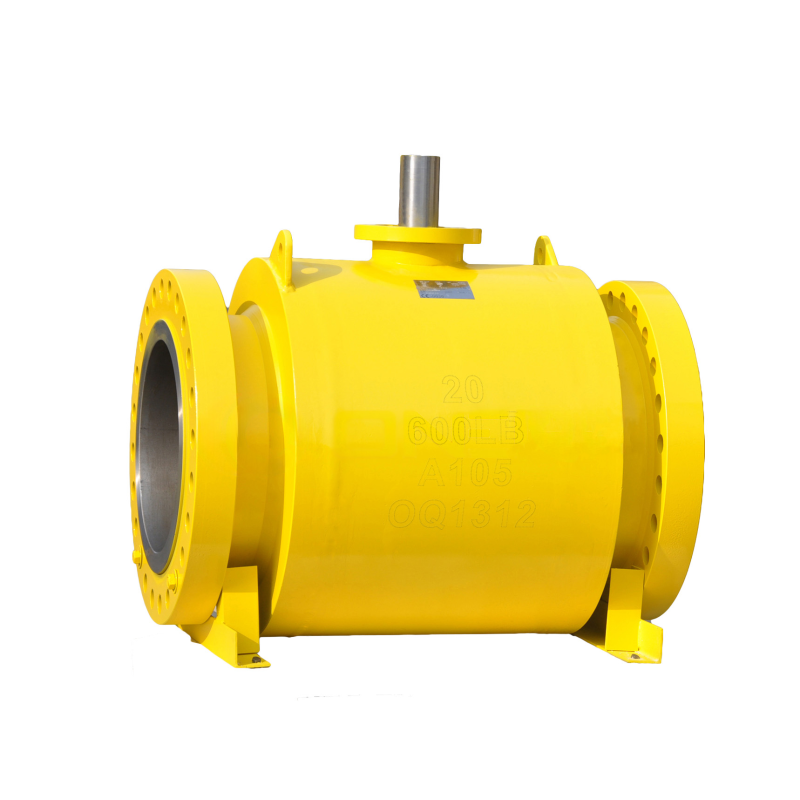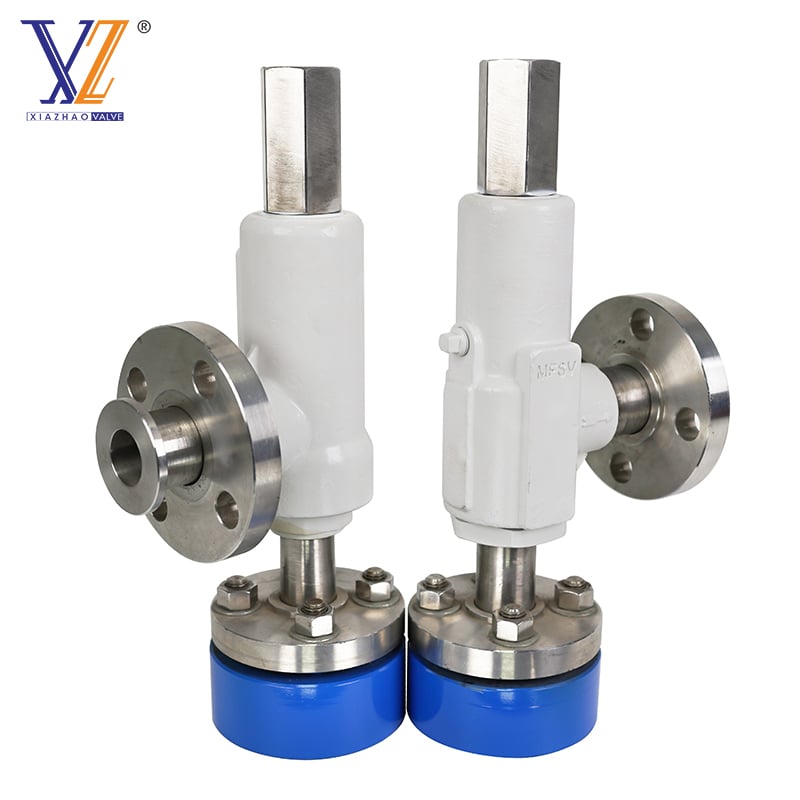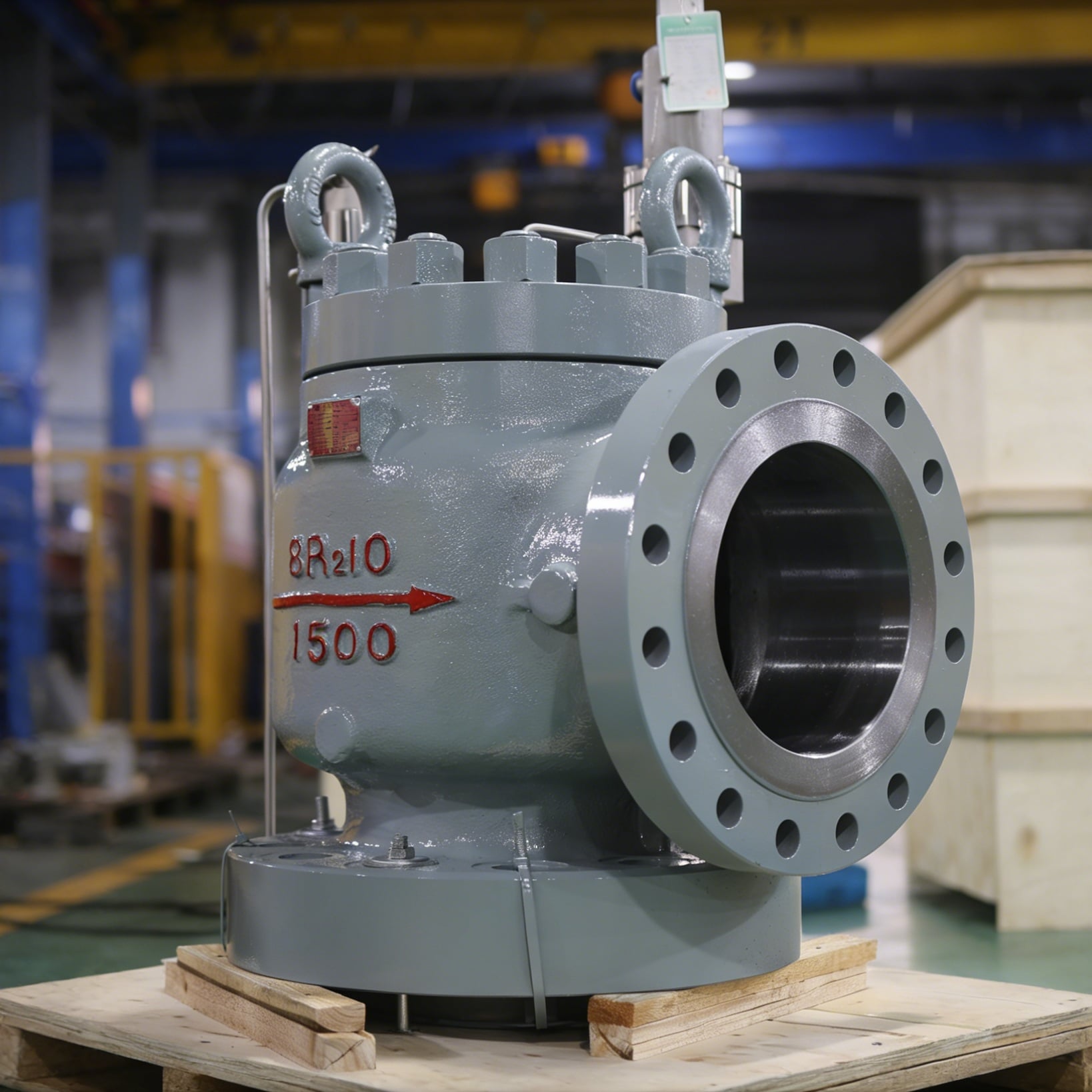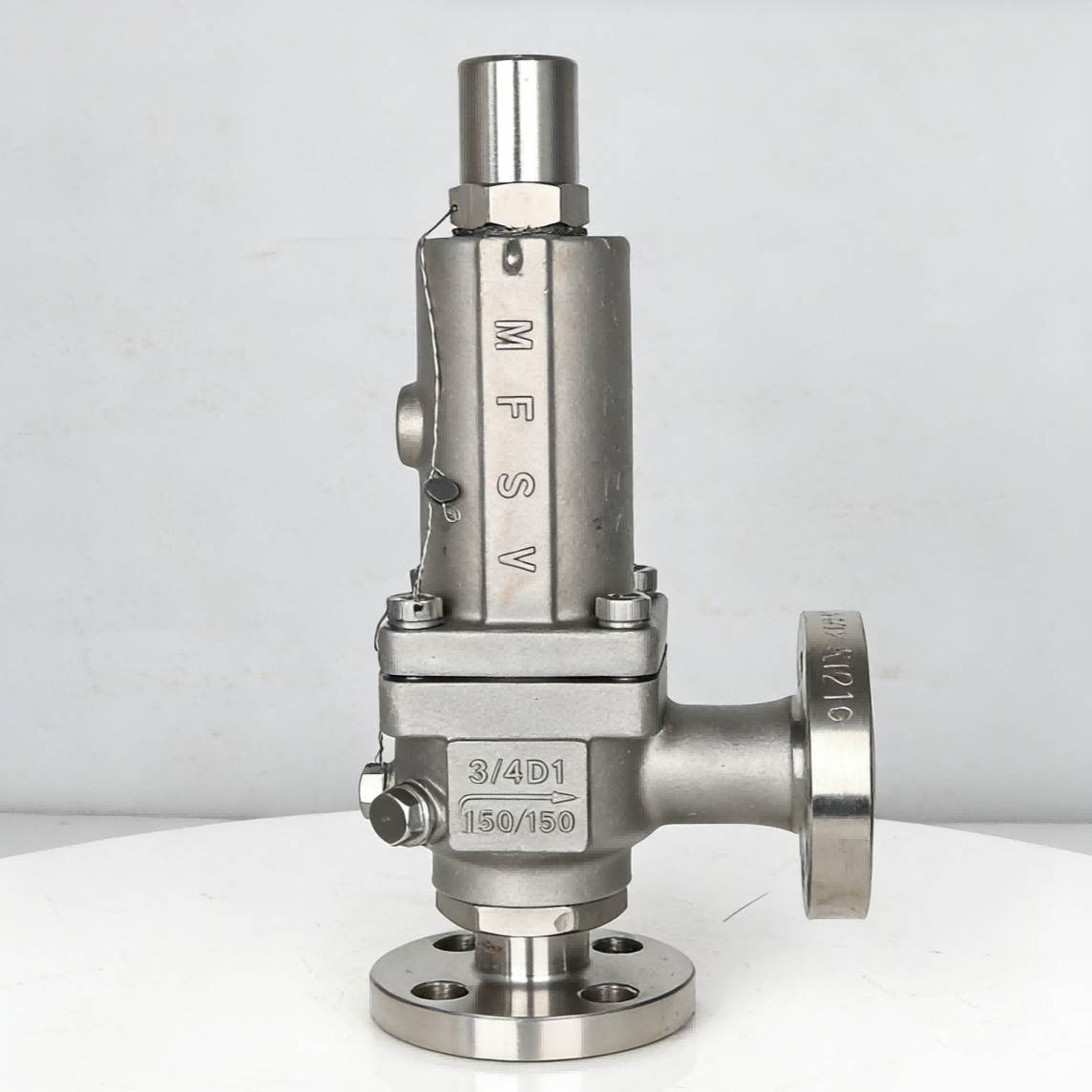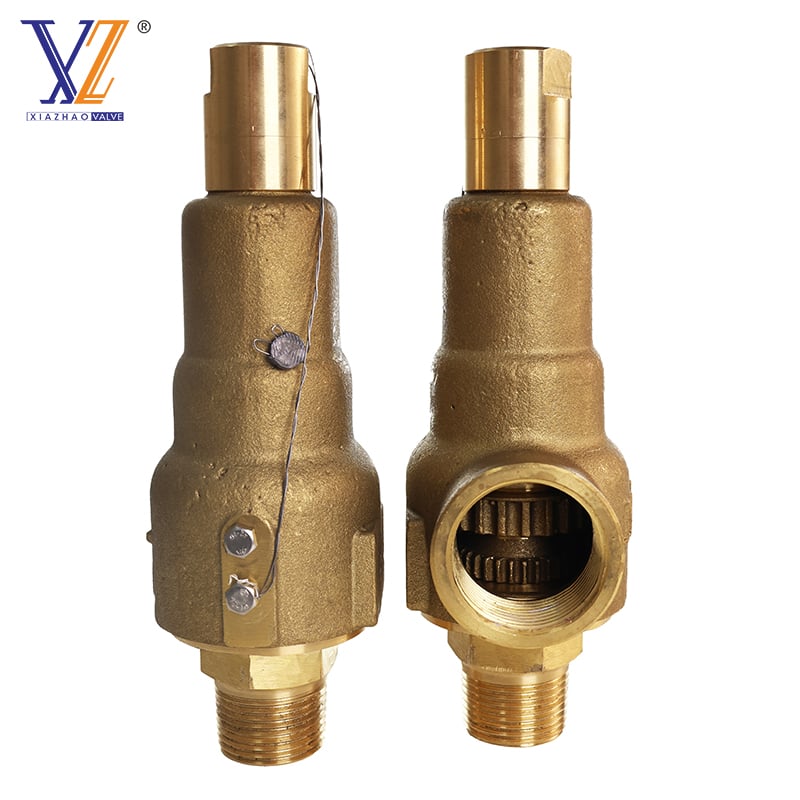
Shanghai Xiazhao specialiserer sig i forskning og udvikling, produktion og salg af trykavlastningsventiler med dybdegående ekspertise inden for industrielle rørsystemer, høje modtryksforhold, brandbeskyttelses vandsystemer og andre felter. For at hjælpe kunder med hurtigt at løse kerne spørgsmål vedrørende valg, anvendelse og installation af trykavlastningsventiler har vi samlet følgende hyppigt stillede spørgsmål. Indholdet er strengt baseret på branchestandarder og praktisk erfaring og giver dig professionelle og pålidelige referencer.
I. Grundlæggende FAQ om generelt valg af trykavlastningsventiler
1. Hvordan vælger man korrekt en trykavlastningsventil? Hvad er de centrale trin ved valg?
Korrekt valg skal følge den 5-trins proces: "Afdæk krav → Vælg type → Beregn parametre → Udvælg modeller → Verificer og juster".
Trin 1: Afklar systemets driftstryk, dimensionerende tryk, mediumtype (væske/gas/damp), temperatur, flowområde og krav til trykstyringsnøjagtighed.
Trin 2: Vælg type ud fra arbejdsforhold – direktevirkende trykaflastningsventiler er velegnede til lavt tryk og små flow med stabilt tryk, mens styringsdrevne trykaflastningsventiler foretrækkes ved højt tryk og store flow, hvor der kræves høj styrenøjagtighed.
Trin 3: Beregn nøgleparametre – indstillet tryk skal svare til systemets dimensionerende/driftstryk, tag hensyn til bagtryk, og beregn nøjagtigt aflastningskapaciteten.
Trin 4: Screening af produktmodeller fra pålidelige mærker med omfattende eftersalgsservice ud fra type og parametre.
Trin 5: Verificer mod de faktiske systemforhold og juster planen efter behov. Shanghai Xiazhao tilbyder skræddersyede rådgivningstjenester for valg for at sikre optimal kompatibilitet.
2. Hvis røropptrykket er ustabilt, skyldes det forkert valg af trykavlastningsventil?
Det er højst sandsynligt relateret. Forkert valg af trykavlastningsventil er en af de centrale årsager til tryksvingninger i rørledningen. Almindelige scenarier inkluderer: ukorrekt indstillet tryk i forhold til faktiske systemkrav, hvilket fører til for tidlig eller for sent ventilåbning; valgt ventiltypus er ikke kompatibel med systemets bagtrykændringer, hvilket påvirker normal ventilfunktion; utilstrækkelig avlastningskapacitet, der ikke kan afgive overskydende tryk til tiden.
Løsninger: Genberegning af systemparametre og justering af indstillet tryk; udskiftning med en passende ventiltypus baseret på bagtryksforhold (f.eks. bagtryksbalancerede trykavlastningsventiler ved store svingninger i bagtryk); vælg en trykavlastningsventil med avlastningskapacitet, der opfylder kravene. For præcis fejlfinding, kontakt Shanghais Xiazhaos tekniske team for analyse af driftsforhold.
3. Hvad er de kerneforskelle mellem direktevirkende og pilotstyrede trykavlastningsventiler? Hvordan vælger man?
De kerneforskelle ligger i konstruktion, ydeevne og anvendelsesscenarier:
① Konstruktion: Direktevirkende ventiler består af en skive, fjeder og ventillegeme med en simpel konstruktion; pilotstyrede ventiler består af en hovedventil + pilotventil med en kompleks konstruktion.
② Ydeevne: Direktevirkende ventiler har hurtig respons og lav omkostning, men lav reguleringsnøjagtighed og er nemt påvirket af medium og omgivelser; pilotstyrede ventiler tilbyder høj reguleringsnøjagtighed, stor stabilitet og tilpasningsevne til et bredt trykområde og komplekse driftsforhold, men med langsommere respons og højere omkostning.
③ Valgsanbefalinger: Vælg direktevirkende ventiler til lavt tryk og små flowforhold med stabilt tryk (f.eks. små hydrauliske systemer, lavtryks vandledninger); vælg pilotstyrede ventiler til højt tryk og store flowforhold med store tryksvingninger og høje krav til styrenøjagtighed (f.eks. stort industrielt udstyr, højtryksledninger).
4. Hvordan fastlægges indstillet tryk, bagtryk og trykavledningskapacitet for en trykavledningsventil?
Disse tre parametre bestemmer direkte ydeevnen for trykavledningsventilen.
Fremgangsmåderne til fastlæggelse er som følger:
① Indstillet tryk: Skal kombineres med systemets dimensioneringstryk, driftstryk og relevante standarder, normalt højere end driftstrykket, men ikke overstige dimensioneringstrykket for at undgå, at trykket ikke frigives til tiden (hvis for højt) eller unødigt medietab (hvis for lavt).
② Bagtryk: Overvej den statiske og dynamiske bagudrettede trykbelastning på systemets udløbsside, opnået gennem faktisk måling eller beregning af driftsbetingelser, for at vælge en passende ventiltype (f.eks. trykbalanceventiler med bagudrettet trykaflastning til scenarier med højt bagtryk).
③ Aflastningskapacitet: Beregn ved hjælp af branchens formler baseret på systemets maksimale overtryk, mediums fysiske egenskaber (densitet/temperatur/tryk) og rørføringsparametre (diameter, længde), så aflastningskapaciteten kan hurtigt reducere systemtrykket. Shanghai Xiazhao leverer parametreberegningsværktøjer og teknisk support.
5. Hvad er det almindelige prisleje for trykaflastningsventiler? Hvilke faktorer påvirker prisen?
Der findes ingen fast standard for priser på trykaflastningsventiler, som primært påvirkes af følgende faktorer:
① Type: Pilotstyrede ventiler er dyrere end direktevirkende ventiler; specialarbejdsbetingede ventiler (f.eks. bagtryksbalancerede, brandsikre) er dyrere end almindelige typer.
② Specifikation og model: Større diameter, højere trykklasse og større afløbskapacitet resulterer i højere priser.
④ Materiale: Ventiler i rustfrit stål er dyrere end dem i støbejern eller støbstål; korrosionsbestandige materialer (til specielle medier) koster mere.
⑥ Mærke og service: Kendte mærker (f.eks. Shanghai Xiazhao) har lidt højere priser på grund af kvalitetssikring og omfattende eftersalgsservice.
⑧ Købsmængde: Større købsmængder giver ret til fabrikantrabatter. Priser skal beregnes ud fra valgte krav; det anbefales at præcisere arbejdsbetingelser, før der anmodes om tilbud.
6. Hvad er den væsentlige sikkerhedsanordning for udgangen af en vandpumpe? Hvorfor?
Den væsentlige sikkerhedsenhed for vandpumpens udløb er en trykaftrykningsventil.
Årsager: Vandslag kan opstå, når pumpen starter eller stopper; hvis udløbsrøret er blokeret, eller ventilen er lukket under drift, stiger trykket inde i pumpen kraftigt, hvilket kan beskadige pumpeimpelleren, rørledningen og relaterede komponenter. Trykaftrykningsventilen stabiliserer systemtrykket ved automatisk trykaftrykning, forhindrer vandslagspåvirkning og beskytter pumpens og rørledningssystemets sikkerhed. Shanghai Xiazhaos trykaftrykningsventiler, der er specielt beregnet til vandpumper, er kompatible med forskellige pumpeeffektdriftsbetingelser og sikrer sikkert drift.
II. Særlige ofte stillede spørgsmål om trykaftrykningsventiler til driftsbetingelser med højt modtryk
1. Hvad er en driftsbetingelse med højt modtryk? Hvilke virkninger har det på almindelige trykaftrykningsventiler?
En høj bagtryksarbejdssituation henviser til et scenarie, hvor bagtrykket på systemets udgangsside er højt (typisk over 10 % af indstillet tryk) eller ofte og kraftigt svinger. Det er almindeligt i udstødningssystemer fra kemiske reaktorer, kompressorens udgange, højtryksdampledninger og andre anvendelser.
De primære virkninger på almindelige trykavlastningsventiler inkluderer:
① Afvigelse fra indstillet tryk: Det faktiske åbningstryk stiger sammen med bagtrykket, hvilket betyder, at trykket ikke frigives ved det forudindstillede værdi, og der opstår let overtryksulykker.
② Nedsat avlastningskapacitet: Bagtryk øger modstanden mod mediumudslip, så den faktiske avlastningskapacitet bliver lavere end konstruktionsværdien og dermed ikke effektivt kan reducere trykket.
③ Forkert ventiltætning: Et lille trykforskel på begge sider af skiven fører til medium utæthed, hvilket resulterer i energispild og forkortet levetid for ventilens funktion. Derfor kræves specielle trykaflastningsventiler ved høje bagtryksforhold.
2. Hvordan løser bælgeseglende trykaflastningsventiler bagtryksproblemer?
Bælgeseglende trykaflastningsventiler afbalancerer bagtryk gennem en speciel konstruktionsmæssig design:
① Kerneprincip: Et bælg anvendes som tætnings- og afbalanceringskomponent, der fører systemets bagtryk til den modsatte side af skiven, så trykket på begge sider af skiven afbalanceres og eliminerer derved indvirkningen af bagtryk på åbningstryk og aflastningskapacitet.
② Yderligere fordele: Bælget isolerer effektivt systemmediet fra det ydre miljø, undgår korrosion af ventilens interne komponenter samt forbedrer tætheden og forhindrer utæthed.
③ Anvendelsesscenarier: Velegnet til medium til høj backtryksarbejdsforhold med korrosive medier, såsom høje backtryksrørledninger i kemisk og petroleumsindustri. Shanghai Xiazhaos trykavlastningsventiler med bælgesegling bruger højkvalitetsbælgematerialer, der kan tilpasse sig komplekse arbejdsforhold med højt backtryk.
3. Hvad er ydelsesforskellene mellem backtryksbalancerede trykavlastningsventiler og almindelige ventiler?
Kerneydelsesforskellens sammenligning:
① Åbningstrykstabilitet: Backtryksbalancerede ventiler er mindre påvirket af backtryk og har høj stabilitet; almindelige ventiler er stærkt påvirket af backtryk og har tendens til afvigelse i åbningstrykket.
② Nøjagtighed af avlastningskapacitet: Backtryksbalancerede ventiler eliminerer indflydelsen af backtryk på avlastningskapaciteten, hvilket giver præcise værdier; almindelige ventiler har markant nedsat avlastningskapacitet ved højt backtryk.
③ Tilpasningsevne til backtryk: Backtryksbalancerede ventiler er egnede til højt backtryk og store svingninger i driftsbetingelser; almindelige ventiler kan kun bruges ved lavt backtryk og stabile driftsbetingelser.
④ Tætning og levetid: Backtryksbalancerede ventiler anvender avancerede tætningskonstruktioner, hvilket giver god tætningsydelse og lang levetid; almindelige ventiler har tendens til at miste tætningen ved højt backtryk, hvilket forkorter levetiden. Backtryksbalancerede trykavlastningsventiler anbefales ved højt backtryk.
4. Hvordan beregnes og korrigeres afløsningskapaciteten ved højt backtryk?
Ved højt backtryk skal afløsningskapaciteten justeres ved hjælp af en korrektionsfaktor.
Den kernebaserede metode:
① Grundlæggende idé: Beregn først den teoretiske afløsningskapacitet ved hjælp af formler for ideelle tilstande, bestem derefter korrektionsfaktoren ud fra størrelsen af backtrykket og ventiltypen; den reelle afløsningskapacitet = teoretisk værdi × korrektionsfaktor.
② Bestemmelse af korrektionsfaktor: For trykavlastede sikkerhedsventiler er korrektionsfaktoren tæt på 1, når bagtrykket ≤ 30 % af indstillet tryk; ved værdier over 30 % skal den beregnes specifikt ud fra driftsbetingelserne. For balgssigelte sikkerhedsventiler bestemmes korrektionsfaktoren ud fra bælgsmaterialet, konstruktionen og bagtryksforholdene, hvilket kan ses i produktmanualer eller branchestandarder.
③ Bemærkninger: Korrektionen skal tage højde for faktorer som mediumsegenskaber og rørfriktion for at undgå beregningsafvigelser. Shanghai Xiazhao tilbyder præcise beregningstjenester for aflastningskapacitet under højt bagtryk for at sikre korrekt udstyrsvalg.
5. Hvilken ventiltypes er mest velegnet til ombygning af sikkerhedsventiler i rørledninger med højt bagtryk i en kemisk anlæg?
Til rørledninger med højt bagtryk i kemiske anlæg (f.eks. reaktorudstødning med ætsende medier) anbefales trykaflastningsventiler med afbalanceret bagtryk eller slangebelagte trykaflastningsventiler, hvor specifik valg baseres på driftsbetingelser:
① Hvis bagtrykket svinger kraftigt og mediet er ikke-ætsende: Vælg ventiler med afbalanceret bagtryk, som eliminerer indvirkningen af bagtryk gennem afbalancerede stempel/diaphragma for at sikre stabil trykfrigivelse.
② Hvis mediet er stærkt ætsende og bagtrykket er mellemværende: Vælg slangebelagte trykaflastningsventiler, som har både egenskaber for bagtryksafbalancering og korrosionsbestandighed.
③ Nøglepunkter for renovering: Beregn først rørledningens driftstryk, designtryk, modtryksudsvingningsområde, medieegenskaber og andre parametre, og screen derefter matchende modeller for at sikre, at aflastningskapacitet og åbningstryk opfylder kravene. Shanghai Xiazhao har flere succesfulde renoveringseksempler af højtryksovertryksventiler i kemiske anlæg og kan tilbyde skræddersyede renoveringsløsninger.
III. Særlige FAQ om trykafladningsventiler til brandvandsforsyningssystemer
1. Hvad er kravene til trykafladningsventiler i den nationale standard "Krav til dimensionering og udførelse af brandvandsforsyning og hydrantsystemer" (GB 50974-2014)?
Kernekrav i standarden er følgende:
① Installationsplacering: Trykafladningsventiler skal installeres på udgangsrør fra brandpumper og trykstabiliseringspumper.
② Ydelseskrav: Den nominelle trykaftrykningsventilens tryk skal være større end systemets dimensionerende driftstryk, og aftrykningskapaciteten skal opfylde behovet for overtryksaftrykning; indstillingstrykket på trykreguleringsventilen ved udløbet af pumpe til stabilisering af tryk skal være højere end systemets automatisk starttryk og lavere end brandpumpens starttryk.
③ Installationskrav: Installationsplacering, retning og forbindelsesmetode skal overholde reglerne – for eksempel skal trykaftrykningsventilen ved udløbet af brandpumpen installeres mellem checkventilen og spjældventilen.
④ Igangsætningskrav: Indstillingstryk, aftrykningskapacitet og tætningsydelse skal igangsættes, så de opfylder kravene i design og regler.
⑤ Produktgodkendelse: Der skal vælges kvalificerede produkter med certifikater for brandsikkerhedsprodukter og inspektionsrapporter. Trykavlastningsventiler fra Shanghai Xiazhao overholder alle GB 50974-2014 og kan nemt godkendes ved brandsikkerhedsinspektion.
2. Hvad er forskellene på montering af trykavlastningsventiler ved udløb af brandpumper og trykstabiliseringspumper?
Kerneforskelle afspejles i fire aspekter:
① Monteringsformål: Ventilen ved udløbet af brandpumpen forhindrer overtryk under pumpning, drift og stop og beskytter pumpen og rørledningen; ventilen ved udløbet af trykstabiliseringspumpen forhindrer hyppig start af denne pumpe og opretholder stabil systemtryk.
② Indstillet tryk: Indstillet tryk for brandpumpens udløbsventil > systemets dimensionerende driftstryk og < pumpens maksimalt tilladte driftstryk; indstillet tryk for trykstabiliseringspumpens udløbsventil > systemets automatisk starttryk og < brandpumpens starttryk.
③ Installationsplacering: Brandpumpens udløbsventil er installeret mellem hævetventilen og spjældventilen; trykstabiliseringspumpens udløbsventil er installeret mellem trykstabiliseringspumpens udløb og hævetventilen.
④ Afløsningskapacitet: Afløsningskapaciteten for brandpumpens udløbsventil skal opfylde overtryksbehovet under pumpens maksimale flowdriftsbetingelser; afløsningskapaciteten for trykstabiliseringspumpens udløbsventil bestemmes ud fra trykstabiliseringspumpens flow- og trykpulsforhold.
3. Hvordan forhindres overtryk i brandvandsledningsnet? Hvad kræves der til placering af trykafløsningsventiler?
Nøglen til at forhindre overtryk i brandbeskyttelsesrørnet er en rationel installation af trykaflastningsventiler.
Centrale installationsplaceringer og krav:
① Udgangsledning til brandslukkepumpe: Installeret mellem hævetventilen og sluseventilen for at forhindre vandhammer ved pumpestart og overtryk under drift.
② Udgangsledning til trykstabiliseringspumpe: Installeret mellem trykstabiliseringspumpens udgang og hævetventilen for at stabilisere systemtrykket.
③ Zonedeling af zonerede vandforsyningssystemer: Forhindre, at højzonestyrke overføres til lavzonen, hvilket medfører overtryk i lavzonens rørnet.
④ Rørledning efter tryknedsætningsventil: Reagerer på pludselige trykstigninger forårsaget af fejl i trykreducerende ventiler. Installationsprincipper: Placeringen skal være let tilgængelig for betjening, inspektion og vedligeholdelse, og placeres væk fra fugtige, korrosive omgivelser og områder med risiko for mekanisk beskadigelse. Shanghai Xiazhao tilbyder rådgivningstjenester for layoutdesign af trykaflastningsventiler i brandbeskyttelsesrørsystemer.
4. Hvilken type er mest velegnet til brandbeskyttelsessystemer: stempletype eller membrantype trykaflastningsventiler?
Valg skal baseres på typen af brandbeskyttelsessystem:
① Membrantype trykaflastningsventiler: Fordele inkluderer hurtig respons, god tætningsydelse, lille lækage og høj modstandsdygtighed over for forurening; egnet til systemer, hvor der kræves høj trykstyringsnøjagtighed og rene medier, såsom automatiske sprinklersystemer. Ulemper: Membraner er udsat for aldring, hvilket resulterer i lidt højere vedligeholdelsesomkostninger.
② Stemplettype trykaflastningsventiler: Fordele inkluderer holdbare komponenter og lave vedligeholdelsesomkostninger; egnet til systemer med lave krav til trykreguleringsnøjagtighed og medier, der indeholder en lille mængde urenheder, såsom brandhanesystemer. Ulemper: Langsom respons, generel tætningsydelse og tilstoppet let af urenheder. Det anbefales at vælge ud fra systemfunktion, mediernes renhed og styrekrav. Shanghai Xiazhao giver målrettede anbefalinger.
5. Hvad er de specifikke krav til trykluftningsventiler ved brandteknisk godkendelse? Hvordan sikres gennemgang af godkendelsen?
Centrale krav til brandteknisk godkendelse:
① Produktgodkendelse: Fremlæg certificerede dokumenter for brandtekniske produkter, inspektionsrapporter, produktgodkendelsesattester og installations- og betjeningsvejledninger for at sikre fuldstændige og gyldige dokumenter.
② Specifikation og model: Skal være i overensstemmelse med designkrav; parametre såsom nominelt tryk, afløbsevne og diameter skal opfylde systemets behov.
③ Installationskvalitet: Korrekt installationsplacering, retning og forbindelsesmetode; sikkert fastgjort; intet vandløb; tilbehør (manometre, spjæld, hævet ventiler) installeret før og efter i overensstemmelse med reglerne.
④ Ydelsesparametre: On-site test af indstillet tryk, afløbskapacitet og tætningsydelse skal opfylde kravene i regler og design.
⑤ Teknisk dokumentation: Lever komplette beregningsdokumenter, igangsætningsprotokoller og andre materialer. Nøgle til godkendelse: Vælg kvalificerede produkter, der overholder reglerne (f.eks. Shanghais Xiazhaos brandbekæmpende trykaflastningsventiler), følg strengt reglerne for valg, installation og igangsætning, og forbered fuldstændig teknisk dokumentation på forhånd.
IV. Introduktion til Shanghai Xiazhaos trykaflastningsventilprodukter og -tjenester
Med års erfaring inden for trykaflastningsventiler dækker Shanghai Xiazhaos produktprogram en fuld serie almindelige, høj bagtryks-specifikke og brandsikringsspecifikke ventiler. Alle produkter har gennemgået strenge kvalitetsinspektioner og relevante certificeringer og er tilpasset driftsbetingelser i forskellige industrier såsom industri, kemi, brandsikring og vandbehandling. Vi yder services i hele processen, herunder "rådgivning ved valg → skræddersyede produkter → installationsvejledning → igangsætning og vedligeholdelse", og hjælper dermed kunder med at løse problemer gennem hele anvendelsescyklussen for trykaflastningsventiler. For yderligere spørgsmål eller behov, bedes du kontakte Shanghais Xiazhaos officielle kundeservice eller tekniske team.
 Seneste nyheder
2026-07-01
2026-06-22
2026-06-08
2026-05-26
2026-05-14
2026-05-09

Shanghai Xiazhao Valve Co., LTD. leverer højtydende kugleventiler og sikkerhedsventiler til petrokemisk industri, naturgas og industrielle automatiseringssystemer. Vores API 6D-, ANSI 600LB- og brandsikre design sikrer pålidelighed. 95 % levering til tiden. Anmod om et tilbud.
Copyright © 2026 China Shanghai Xiazhao Valve Co., LTD. Alle rettigheder forbeholdes. Privatlivspolitik
 EN
EN