EN
EN

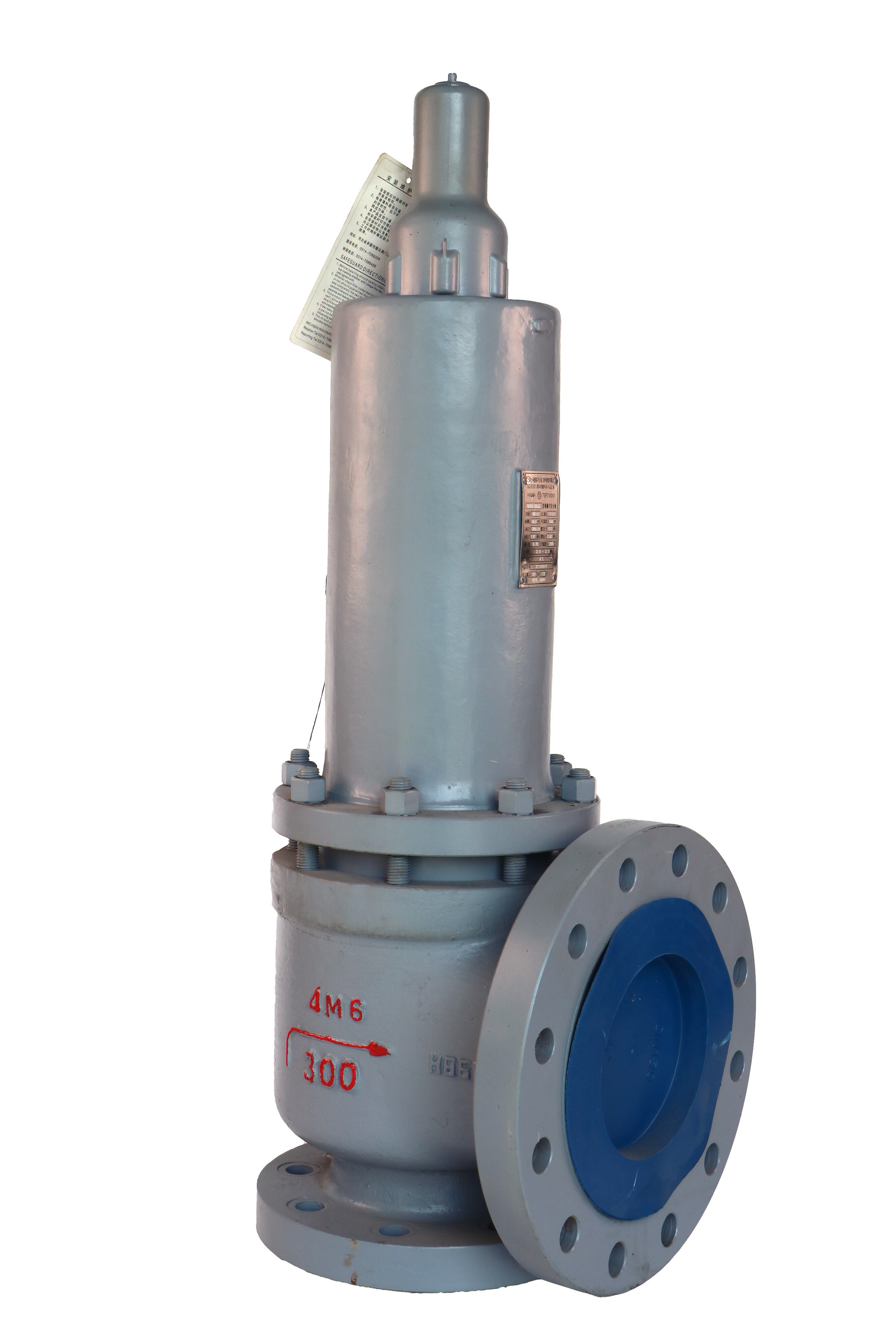
Steam systems are critical components in numerous industrial applications, from power generation facilities to manufacturing plants and chemical processing operations. The safe and efficient operation of these systems depends heavily on proper pressure management and protection mechanisms. Safety valves for steam systems serve as the primary line of defense against overpressure conditions that could lead to catastrophic equipment failure, environmental damage, or personal injury. These essential safety devices automatically release excess pressure when system parameters exceed predetermined limits, ensuring continuous operation within safe boundaries. Understanding the fundamental principles, design considerations, and operational characteristics of these protective devices is crucial for engineers, facility managers, and maintenance personnel responsible for steam system integrity.
Fundamental Operating Principles of Steam Safety Valves
Pressure Relief Mechanisms and Control Systems
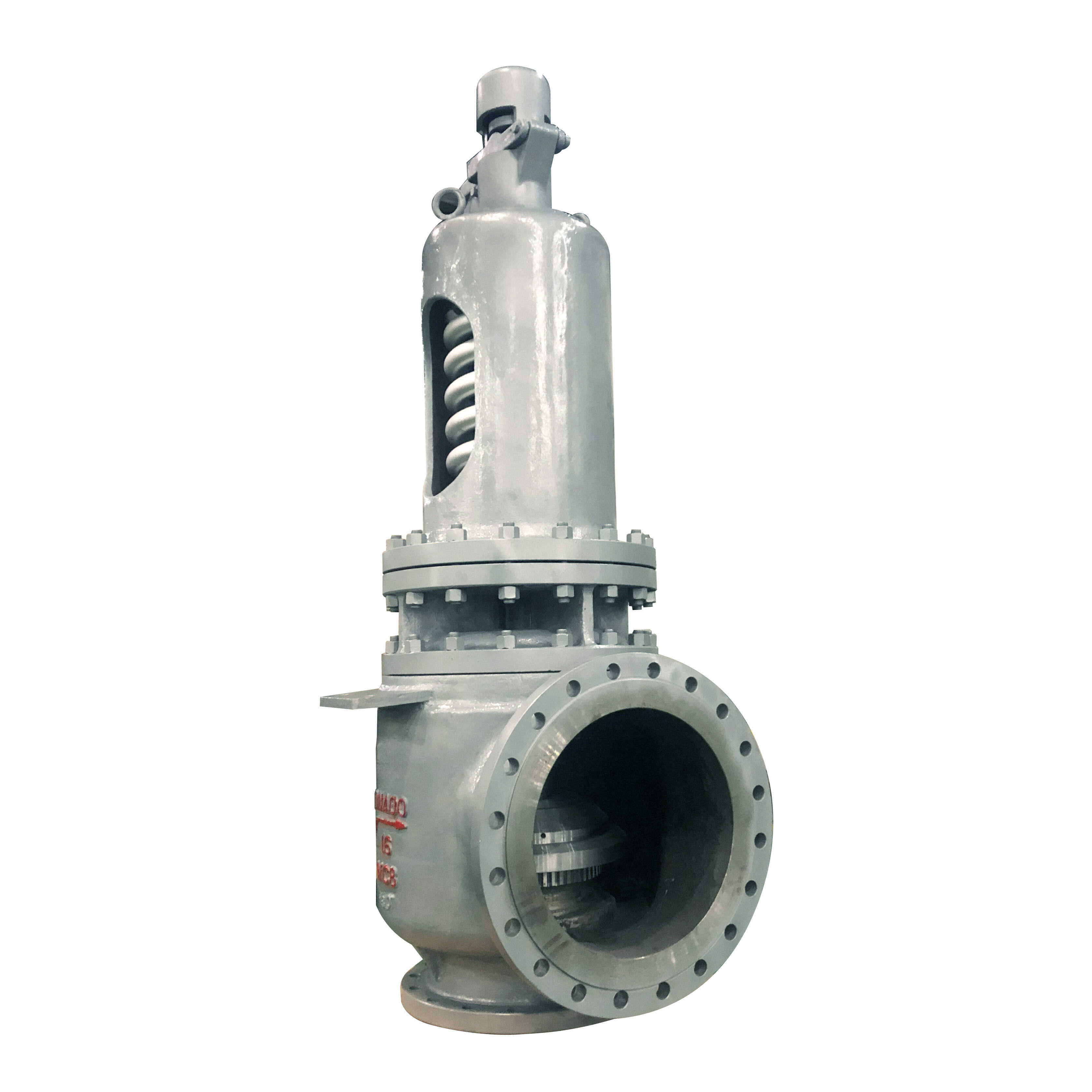
The core functionality of safety valves for steam systems relies on spring-loaded mechanisms that respond directly to system pressure changes. When steam pressure reaches the valve's set point, the upward force exerted by the pressurized medium overcomes the downward spring force, causing the valve disc to lift and create an opening for pressure relief. This mechanical response occurs without external power sources or control signals, making these devices inherently reliable and fail-safe. The spring compression can be adjusted during installation and maintenance to establish precise opening pressures that align with system design specifications and safety requirements.
Modern safety valve designs incorporate sophisticated control elements that enhance response characteristics and operational stability. Pilot-operated configurations utilize smaller control valves to manage the main valve operation, providing improved accuracy and reduced maintenance requirements. These systems can achieve tighter tolerance on opening pressures while maintaining rapid response times essential for steam applications. The pilot valve arrangement also allows for remote testing capabilities and enhanced monitoring of valve performance without disrupting normal system operations.
Steam Flow Dynamics and Discharge Characteristics
Steam discharge through safety valves involves complex thermodynamic processes that significantly impact valve sizing and performance calculations. As high-pressure steam expands through the valve orifice, velocity increases dramatically while temperature and pressure decrease according to established thermodynamic relationships. Critical flow conditions often develop at the valve throat, where steam velocity reaches sonic speeds and flow becomes choked. Understanding these phenomena is essential for proper valve selection and system design to ensure adequate relief capacity under all operating conditions.
The discharge coefficient and effective orifice area calculations must account for steam properties at relieving conditions, including superheat effects and potential condensation during expansion. Engineers must consider back pressure influences on valve performance, as downstream piping and discharge systems can significantly affect relief capacity. Proper atmospheric discharge arrangements or closed discharge systems require careful analysis to maintain valve effectiveness while protecting personnel and equipment from high-temperature steam releases.
Design Standards and Regulatory Compliance Requirements
International Codes and Certification Programs
Safety valves for steam systems must comply with stringent international standards that govern design, manufacturing, testing, and installation practices. The American Society of Mechanical Engineers Boiler and Pressure Vessel Code provides comprehensive requirements for pressure relief devices used in steam applications, establishing minimum safety factors, material specifications, and performance criteria. European Pressure Equipment Directive and corresponding harmonized standards ensure consistent safety levels across international markets while facilitating equipment certification and acceptance.
Third-party certification programs verify that valve manufacturers maintain quality systems and production processes capable of producing compliant devices. National Board of Boiler and Pressure Vessel Inspectors certification marks indicate that valves have undergone rigorous testing and quality assurance procedures. These certification requirements extend beyond initial manufacturing to include periodic capacity testing, material traceability, and documentation maintenance throughout the valve lifecycle.
Material Selection and Construction Standards
High-temperature steam applications demand specialized materials capable of withstanding thermal cycling, corrosion, and mechanical stresses encountered during normal and emergency operations. Valve bodies typically utilize carbon steel or stainless steel alloys selected based on operating temperature ranges and corrosive media characteristics. Internal components such as discs, seats, and springs require materials with superior wear resistance and thermal stability to maintain sealing integrity over extended service periods.
Manufacturing processes must achieve precise dimensional tolerances and surface finish requirements that ensure proper sealing and flow characteristics. Welding procedures, heat treatment protocols, and non-destructive examination techniques are specified to eliminate potential failure modes and verify structural integrity. Quality control measures include pressure testing, seat tightness verification, and capacity certification to validate performance against design specifications before valve shipment and installation.
Installation Guidelines and System Integration Considerations
Mounting Configurations and Piping Arrangements
Proper installation of safety valves for steam systems requires careful attention to mounting orientation, piping connections, and support arrangements that ensure reliable operation under all service conditions. Valves should be installed in vertical positions whenever possible, with discharge outlets oriented to prevent accumulation of condensate or debris that could interfere with valve operation. Inlet piping must be sized adequately to minimize pressure drop during relief events while maintaining sufficient mechanical support for valve weight and discharge reaction forces.
Isolation valves between protected equipment and safety valves are generally prohibited unless specific administrative controls ensure continuous valve availability. Where isolation is necessary for maintenance purposes, multiple valve arrangements with lockout procedures provide redundant protection while allowing individual valve servicing. Bypass arrangements and testing connections should be designed to facilitate periodic valve testing without compromising system safety or requiring extended shutdowns.
Discharge System Design and Environmental Protection
Steam discharge systems must safely convey relieved vapors away from personnel areas while preventing environmental impacts and minimizing noise levels during valve operation. Atmospheric discharge stacks require adequate height and location considerations to ensure proper dispersion of hot steam and prevent recirculation to equipment air intakes. Closed discharge systems collecting relieved steam for condensation and recovery offer environmental and economic benefits but require careful sizing to prevent excessive back pressure that could impair valve performance.
Thermal expansion considerations become critical in discharge piping design, as temperature variations between normal and relief conditions can create significant stress concentrations. Expansion joints, spring supports, and proper piping layout accommodate thermal growth while maintaining system integrity. Drainage provisions prevent condensate accumulation that could create water hammer conditions or impede steam flow during valve operation.
Maintenance Practices and Performance Optimization
Preventive Maintenance Schedules and Inspection Procedures
Regular maintenance of safety valves for steam systems ensures continued reliability and compliance with regulatory requirements throughout the valve service life. Visual inspections should identify signs of external corrosion, leakage, or mechanical damage that could compromise valve performance. Internal inspections during planned outages allow detailed examination of sealing surfaces, spring conditions, and guide mechanism wear patterns that indicate maintenance needs or potential failure modes.
Maintenance intervals depend on operating conditions, steam quality, and service experience but typically range from annual inspections for critical applications to extended periods for clean service conditions. Documentation requirements include maintenance records, test results, and component replacement histories that demonstrate ongoing compliance with applicable codes and standards. Training programs ensure maintenance personnel understand proper procedures and safety requirements for working with pressurized steam systems and relief devices.
Performance Testing and Calibration Methods
Periodic testing verifies that safety valve set pressures remain within acceptable tolerances and that relief capacity meets system protection requirements. Online testing methods using hydraulic or pneumatic assist devices allow set pressure verification without removing valves from service, minimizing downtime and operational disruptions. Bench testing in specialized facilities provides comprehensive performance evaluation including capacity measurement, seat leakage assessment, and operational characteristic documentation.
Calibration adjustments must be performed by qualified personnel using approved procedures that maintain traceability to recognized standards. Spring compression adjustments affect both opening and closing pressures, requiring careful analysis to ensure proper valve operation throughout the relief cycle. Safety valves for steam systems may require replacement of internal components when wear or damage exceeds acceptable limits, necessitating complete reassembly and testing before return to service.
Troubleshooting Common Operating Issues
Valve Chatter and Instability Problems
Valve chatter represents one of the most common operational problems affecting safety valves for steam systems, characterized by rapid opening and closing cycles that can damage internal components and reduce valve effectiveness. This phenomenon typically occurs when system pressure oscillates around the valve set point or when inadequate inlet piping creates pressure fluctuations during relief events. Chatter can also result from improper valve sizing, where excessive capacity leads to rapid pressure reduction and premature valve closure.
Resolution strategies include inlet piping modifications to reduce pressure drop and dampen pressure fluctuations, valve resizing to match actual relief requirements more closely, or installation of accumulation tanks that provide pressure stabilization during transient conditions. In some cases, pilot-operated valve configurations offer superior stability characteristics compared to direct-acting designs, particularly in applications with variable operating pressures or complex system dynamics.
Leakage Issues and Sealing Performance
Seat leakage through closed safety valves represents a significant concern for steam systems, as continuous blowby can lead to energy losses, valve damage, and potential safety hazards from hot steam discharge. Common causes include foreign material accumulation on sealing surfaces, thermal distortion from temperature cycling, or mechanical wear from repeated valve operations. Steam condensation and subsequent corrosion can create surface irregularities that prevent proper sealing contact between valve components.
Corrective measures may involve valve disassembly and refurbishment of sealing surfaces through grinding or lapping procedures that restore proper surface finish and dimensional accuracy. Upstream filtration improvements can reduce debris accumulation while better condensate drainage prevents corrosive conditions that accelerate component wear. In severe cases, valve replacement with upgraded designs or materials may provide more reliable long-term performance under challenging service conditions.
Advanced Technologies and Future Developments
Smart Valve Monitoring and Diagnostic Systems
Modern safety valves for steam systems increasingly incorporate advanced monitoring technologies that provide real-time performance data and predictive maintenance capabilities. Wireless sensor networks can monitor valve position, temperature, vibration, and acoustic signatures to detect developing problems before they result in operational failures. These systems enable continuous assessment of valve health while maintaining the mechanical reliability essential for safety applications.
Predictive analytics algorithms analyze historical performance data to identify patterns that indicate maintenance needs or potential component failures. Machine learning applications can optimize maintenance schedules based on actual operating conditions rather than generic time-based intervals, reducing unnecessary maintenance while ensuring continued reliability. Remote monitoring capabilities allow centralized oversight of multiple valve installations across large facilities or distributed operations.
Material Innovations and Design Enhancements
Ongoing research and development efforts focus on advanced materials and manufacturing techniques that improve valve performance, extend service life, and reduce maintenance requirements. Ceramic and composite materials offer superior wear resistance and corrosion immunity compared to traditional metallic components, particularly in high-temperature steam applications with challenging water chemistry conditions. Additive manufacturing techniques enable complex internal geometries that optimize flow patterns and reduce pressure losses during relief operations.
Surface coating technologies provide enhanced corrosion resistance and reduced friction characteristics that improve valve response times and extend component life. Nanotechnology applications in seal materials offer improved high-temperature performance and reduced permeation rates that minimize seat leakage. These technological advances continue to expand the application range and reliability of safety valves for steam systems while reducing total cost of ownership through extended maintenance intervals and improved operational efficiency.
FAQ
What factors determine the proper sizing of safety valves for steam systems
Proper sizing requires calculation of maximum relieving capacity based on heat input rates, system volume, and potential overpressure scenarios. Engineers must consider steam properties at relieving conditions, back pressure effects from discharge systems, and applicable safety factors specified by governing codes. The valve orifice area must accommodate required mass flow while maintaining acceptable pressure accumulation limits during relief events.
How often should safety valves for steam systems be tested and inspected
Testing frequency depends on regulatory requirements, operating conditions, and manufacturer recommendations, typically ranging from annual to five-year intervals. Visual inspections should occur more frequently to identify external signs of damage or leakage. Critical applications may require more frequent testing, while clean service conditions may allow extended intervals with appropriate engineering justification and regulatory approval.
What are the main differences between direct-acting and pilot-operated safety valves
Direct-acting valves respond directly to system pressure through spring-loaded mechanisms, offering simplicity and reliability but with limited accuracy on large sizes. Pilot-operated valves use smaller control valves to manage main valve operation, providing improved set pressure accuracy, reduced maintenance, and enhanced testing capabilities. Pilot systems work better for large capacities and applications requiring tight pressure control tolerances.
Can safety valves for steam systems be repaired in the field or must they be sent to specialized facilities
Minor maintenance such as external cleaning and visual inspection can be performed in the field, but internal repairs typically require specialized facilities with proper testing equipment and certified personnel. Pressure testing, capacity verification, and seat refurbishment need controlled environments and calibrated instruments to ensure compliance with applicable standards. Field repairs should be limited to emergency situations with proper engineering evaluation and subsequent shop verification when possible.
Table of Contents
- Fundamental Operating Principles of Steam Safety Valves
- Design Standards and Regulatory Compliance Requirements
- Installation Guidelines and System Integration Considerations
- Maintenance Practices and Performance Optimization
- Troubleshooting Common Operating Issues
- Advanced Technologies and Future Developments
-
FAQ
- What factors determine the proper sizing of safety valves for steam systems
- How often should safety valves for steam systems be tested and inspected
- What are the main differences between direct-acting and pilot-operated safety valves
- Can safety valves for steam systems be repaired in the field or must they be sent to specialized facilities