EN
EN

Industrial applications across manufacturing sectors rely heavily on precise flow control mechanisms to maintain operational efficiency and safety standards. Among the most critical components in fluid control systems, the conventional spring valve stands as a fundamental element that ensures consistent performance under varying pressure conditions. These mechanical devices serve as essential safeguards in hydraulic and pneumatic systems, where maintaining optimal pressure differentials can mean the difference between smooth operations and costly equipment failures. Understanding the intricate design principles and performance optimization strategies for conventional spring valve systems enables engineers and facility managers to maximize system reliability while minimizing maintenance costs and operational downtime.
Understanding Conventional Spring Valve Mechanics
Core Design Principles
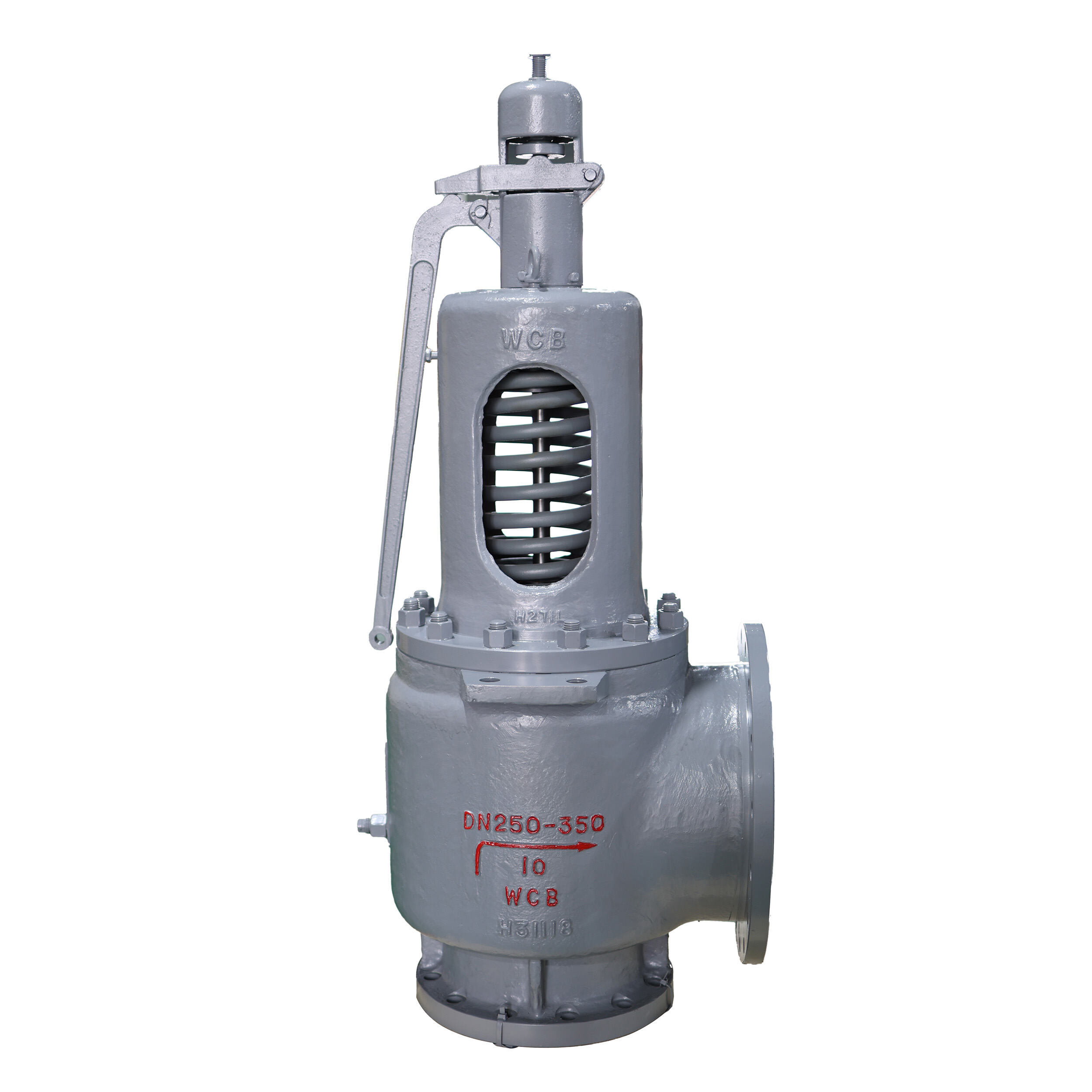
The fundamental operation of a conventional spring valve depends on the delicate balance between spring compression force and fluid pressure dynamics. When system pressure exceeds predetermined thresholds, the valve mechanism responds by compressing the internal spring assembly, allowing controlled fluid passage through designated pathways. This mechanical response ensures automatic pressure regulation without requiring external power sources or electronic controls. The spring's material composition, compression characteristics, and dimensional specifications directly influence the valve's response time and accuracy in pressure management applications.
Manufacturing precision plays a crucial role in determining the long-term reliability of conventional spring valve assemblies. The spring's wire diameter, coil pitch, and overall geometry must meet strict tolerances to ensure consistent performance across varying temperature and pressure conditions. Advanced metallurgical processes enhance spring durability by improving fatigue resistance and maintaining elastic properties over extended operational cycles. Quality conventional spring valve designs incorporate corrosion-resistant materials and specialized surface treatments to withstand harsh industrial environments while maintaining precise calibration specifications.
Pressure Response Characteristics
The pressure response profile of a conventional spring valve determines its suitability for specific industrial applications and system requirements. Valve opening pressure, known as the cracking pressure, represents the minimum system pressure required to initiate valve operation and begin fluid flow through the assembly. This critical parameter must align precisely with system design specifications to ensure proper operation during normal and emergency conditions. Fine-tuning the spring preload allows engineers to customize the cracking pressure for optimal performance in specialized applications.
Flow rate characteristics through a conventional spring valve depend on several interconnected factors including valve seat geometry, spring compression dynamics, and fluid viscosity properties. As system pressure increases beyond the cracking threshold, the valve progressively opens to accommodate higher flow rates while maintaining stable pressure differentials. Understanding these flow characteristics enables system designers to select appropriate valve sizes and configurations that match specific capacity requirements without compromising system efficiency or safety margins.
Performance Optimization Strategies
Spring Selection and Calibration
Selecting the appropriate spring assembly for a conventional spring valve requires careful analysis of operating conditions, pressure requirements, and expected service life. Spring rate calculations must account for maximum operating pressures, temperature fluctuations, and potential pressure spikes that could affect valve performance. Higher spring rates provide more precise pressure control but may require higher cracking pressures, while lower spring rates offer easier activation but potentially less accurate pressure regulation. Balancing these competing factors ensures optimal valve performance for specific application requirements.
Calibration procedures for conventional spring valve assemblies involve systematic adjustment of spring preload to achieve desired operating characteristics. Precision testing equipment measures actual cracking pressures and compares results against design specifications to verify proper calibration. Regular calibration verification ensures continued accuracy as springs experience normal wear and aging effects. Implementing comprehensive calibration protocols reduces the risk of unexpected valve performance variations that could compromise system reliability or safety.
Material Selection and Durability
Advanced material technologies significantly enhance the performance and longevity of conventional spring valve components in demanding industrial environments. Stainless steel spring assemblies offer superior corrosion resistance and maintain elastic properties across wide temperature ranges, making them ideal for chemical processing and marine applications. Specialized alloy compositions provide enhanced fatigue resistance and improved performance under high-cycle loading conditions commonly encountered in automated manufacturing systems.
Surface treatment technologies extend the operational life of conventional spring valve components while maintaining precise dimensional tolerances. Protective coatings prevent corrosion and reduce friction between moving parts, contributing to smoother operation and reduced maintenance requirements. These advanced treatments enable conventional spring valve assemblies to perform reliably in aggressive chemical environments where standard materials would deteriorate rapidly.
Installation and Maintenance Best Practices
Proper Installation Techniques
Correct installation procedures ensure optimal conventional spring valve performance and prevent premature component failures that could compromise system integrity. System integration requires careful attention to piping alignment, mounting orientation, and connection torque specifications to avoid introducing mechanical stresses that could affect valve operation. Proper installation also involves verifying that system pressures remain within valve design limits and that adequate clearance exists for thermal expansion during operation.
Pre-installation testing verifies that conventional spring valve assemblies meet specified performance criteria before integration into operational systems. Pressure testing confirms proper cracking pressure settings and identifies any manufacturing defects or shipping damage that could affect performance. Documentation of installation parameters and initial performance measurements provides baseline data for future maintenance activities and troubleshooting procedures.
Preventive Maintenance Protocols
Systematic maintenance programs maximize the operational life of conventional spring valve systems while minimizing unexpected failures and associated downtime costs. Regular inspection schedules include visual examination of external components, pressure testing to verify continued accuracy, and internal inspection of spring assemblies for signs of wear or fatigue. Early detection of potential issues allows for planned maintenance activities rather than emergency repairs that could disrupt production schedules.
Cleaning procedures for conventional spring valve assemblies remove accumulated debris and contamination that could interfere with proper operation. Specialized cleaning solutions and techniques preserve component integrity while ensuring complete removal of potentially harmful deposits. Regular cleaning extends service intervals and maintains optimal performance characteristics throughout the valve's operational life cycle.
Troubleshooting Common Performance Issues
Pressure Regulation Problems
Inconsistent pressure regulation in conventional spring valve systems often results from spring fatigue, contamination, or improper calibration settings. Spring fatigue manifests as gradual changes in cracking pressure over time, requiring periodic recalibration or spring replacement to restore proper operation. Contamination buildup on valve seats or spring assemblies can cause erratic operation and requires thorough cleaning or component replacement depending on contamination severity.
Temperature-related performance variations affect conventional spring valve operation through thermal expansion effects and changes in spring properties. High-temperature applications may require specialized spring materials and compensating adjustments to maintain accurate pressure regulation across operating temperature ranges. Understanding these thermal effects enables proper system design and maintenance procedures that account for temperature-induced performance variations.
Flow Rate Irregularities
Flow rate inconsistencies through conventional spring valve assemblies typically indicate internal wear, spring degradation, or system pressure fluctuations beyond design parameters. Worn valve seats create irregular sealing surfaces that affect flow characteristics and may require machining or replacement to restore proper operation. Spring wear reduces the valve's ability to maintain consistent opening characteristics, leading to variable flow rates under similar pressure conditions.
System pressure instabilities upstream or downstream of conventional spring valve installations can create challenging operating conditions that exceed design capabilities. Installing pressure stabilization equipment or adjusting system parameters may be necessary to ensure optimal valve performance. Regular monitoring of system pressure patterns helps identify developing issues before they affect valve operation or compromise system reliability.
Advanced Applications and System Integration
High-Pressure Industrial Systems
High-pressure industrial applications demand specialized conventional spring valve designs capable of reliable operation under extreme conditions while maintaining precise pressure control. These applications often require custom spring assemblies manufactured from premium materials and designed for specific pressure ranges and operating conditions. Enhanced safety factors and rigorous testing protocols ensure reliable performance in critical applications where valve failure could result in significant safety hazards or economic losses.
Integration of conventional spring valve systems in high-pressure applications requires careful consideration of system dynamics, pressure transients, and potential resonance effects that could affect valve stability. Advanced modeling techniques help predict valve behavior under various operating scenarios and optimize system design for maximum reliability. These sophisticated analysis methods enable engineers to develop conventional spring valve solutions for the most demanding industrial applications.
Automated Manufacturing Integration
Modern automated manufacturing systems rely on conventional spring valve technology to provide reliable pressure control without requiring complex electronic controls or external power sources. These applications benefit from the inherent simplicity and reliability of mechanical pressure regulation that continues operating during power outages or control system failures. Conventional spring valve assemblies provide essential backup pressure protection that enhances overall system safety and reliability in automated environments.
Integration challenges in automated systems include coordinating conventional spring valve operation with electronic control systems and ensuring compatibility with automated monitoring equipment. Sensor integration capabilities allow real-time monitoring of valve performance and enable predictive maintenance programs that optimize system uptime. These advanced integration techniques maximize the benefits of conventional spring valve technology while providing enhanced system monitoring and control capabilities.
FAQ
What factors determine the optimal spring rate for a conventional spring valve application
The optimal spring rate depends on required cracking pressure, maximum system pressure, acceptable pressure regulation accuracy, and expected service life. Engineers must balance precise pressure control against ease of activation, considering factors such as fluid viscosity, temperature variations, and potential pressure spikes. Higher spring rates provide better regulation accuracy but require higher activation pressures, while lower rates offer easier activation with potentially less precise control.
How often should conventional spring valve assemblies undergo calibration verification
Calibration verification frequency depends on application criticality, operating conditions, and manufacturer recommendations, typically ranging from quarterly to annually for most industrial applications. Critical safety applications may require more frequent verification, while less demanding applications might extend intervals based on performance history. Environmental factors such as temperature extremes, contamination levels, and pressure cycling frequency influence optimal calibration schedules.
What are the primary indicators that a conventional spring valve requires maintenance or replacement
Key indicators include gradual changes in cracking pressure, inconsistent flow characteristics, visible corrosion or wear, and unusual noise during operation. Pressure testing may reveal drift from original specifications, while visual inspection can identify spring fatigue, seat wear, or contamination buildup. Performance monitoring data helps identify trends that suggest developing issues before they compromise system reliability or safety.
Can conventional spring valve performance be enhanced through aftermarket modifications
Performance enhancements are possible through spring upgrades, improved sealing materials, and advanced surface treatments, though modifications should only be performed by qualified technicians following manufacturer guidelines. Upgraded spring alloys can improve fatigue resistance and temperature stability, while enhanced sealing materials provide better contamination resistance. However, any modifications must maintain compatibility with original design specifications and safety certifications to ensure continued reliable operation.
Table of Contents
- Understanding Conventional Spring Valve Mechanics
- Performance Optimization Strategies
- Installation and Maintenance Best Practices
- Troubleshooting Common Performance Issues
- Advanced Applications and System Integration
-
FAQ
- What factors determine the optimal spring rate for a conventional spring valve application
- How often should conventional spring valve assemblies undergo calibration verification
- What are the primary indicators that a conventional spring valve requires maintenance or replacement
- Can conventional spring valve performance be enhanced through aftermarket modifications