EN
EN

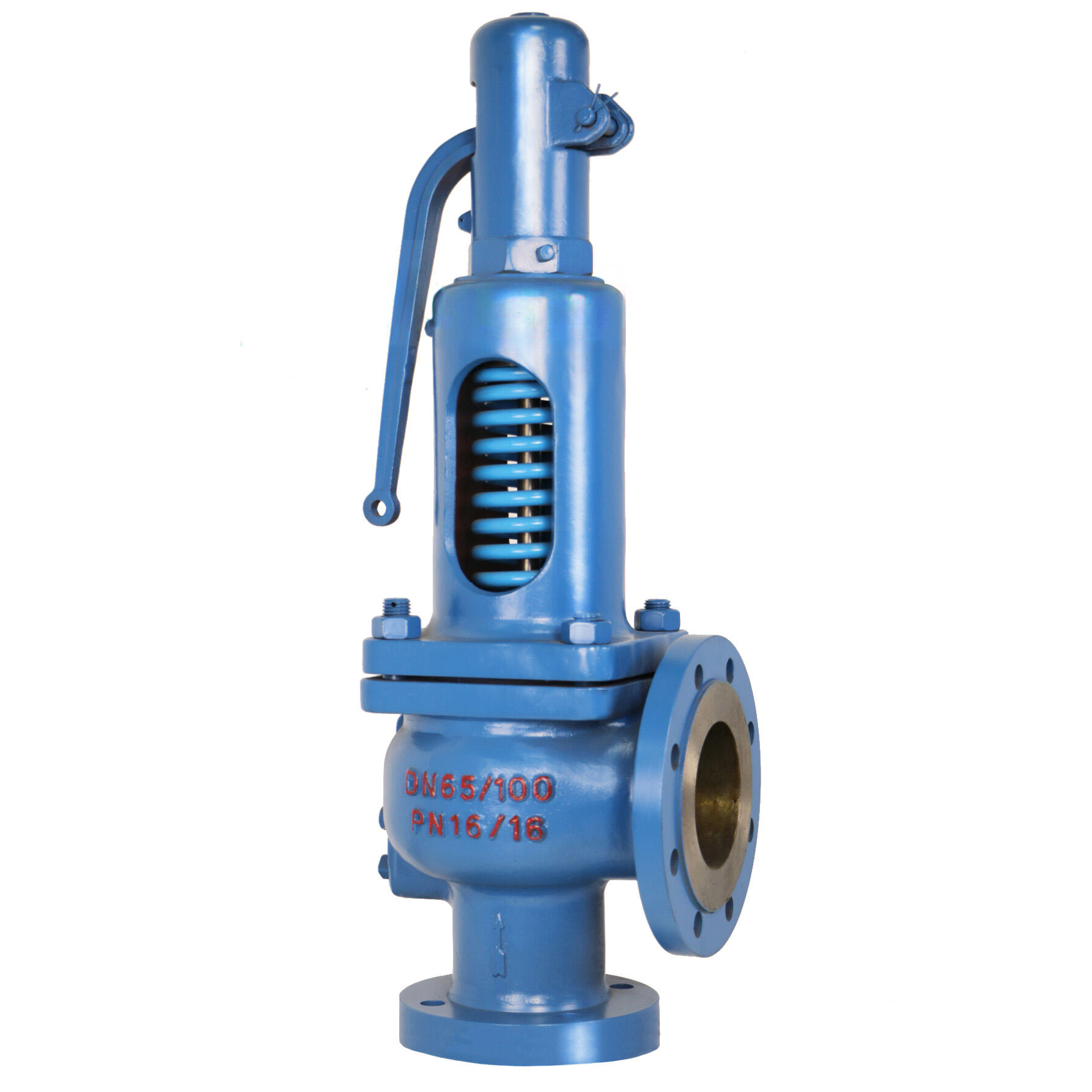
Proper safety valve sizing stands as one of the most critical aspects of industrial pressure system design and operation. When engineers and facility managers understand the importance of accurate sizing calculations, they protect both equipment and personnel while ensuring regulatory compliance. Safety valve sizing determines whether a pressure relief system will function effectively during overpressure events, making it an essential consideration for any industrial operation.
The consequences of incorrect safety valve sizing extend far beyond simple equipment malfunction. Undersized valves may fail to provide adequate pressure relief during emergency conditions, potentially leading to catastrophic equipment failure or safety incidents. Oversized valves, while seemingly safer, can create instability issues, excessive chattering, and premature wear that compromises long-term reliability.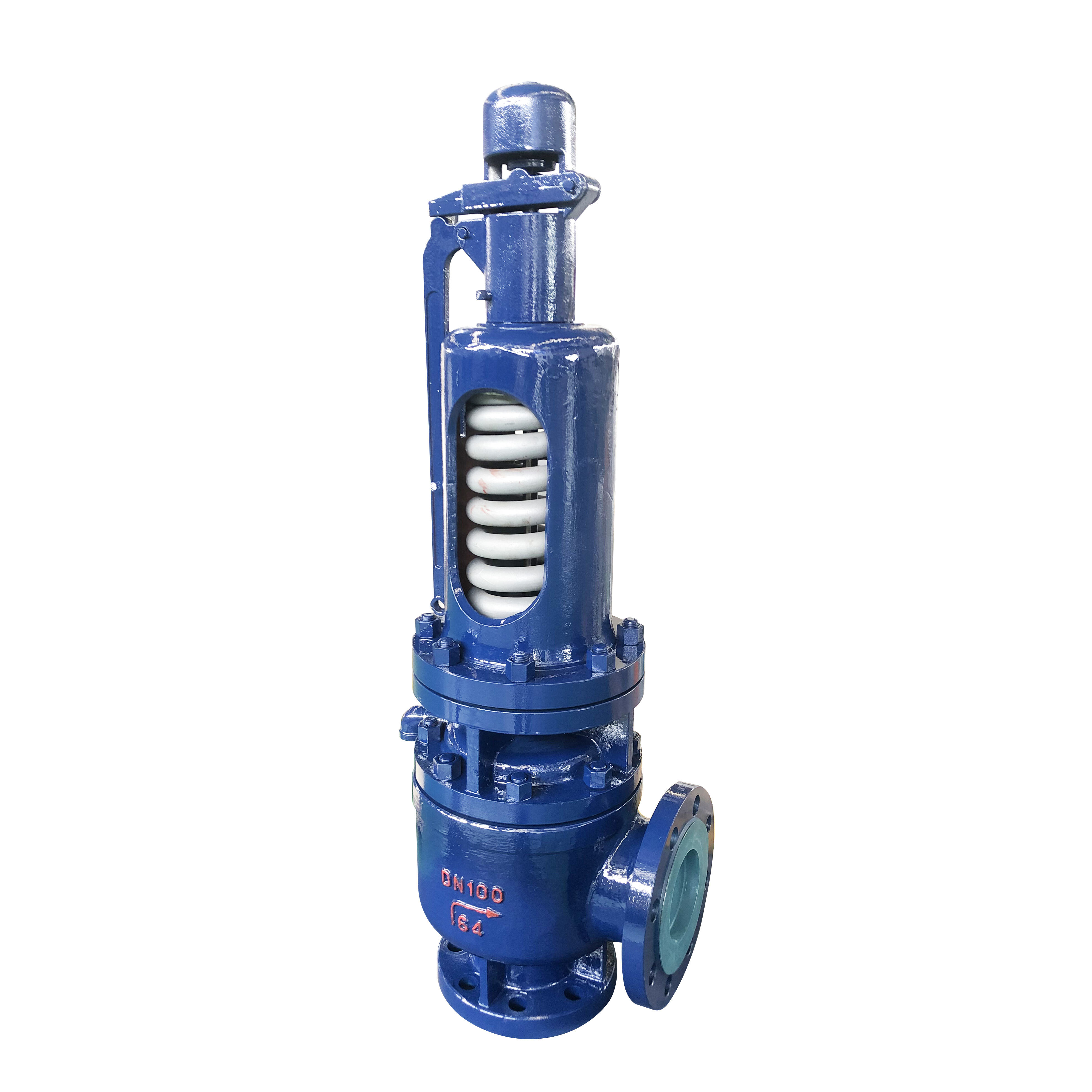
Fundamental Principles of Safety Valve Sizing
Pressure Relief Requirements
Understanding the fundamental pressure relief requirements forms the foundation of effective safety valve sizing. Industrial systems generate various pressure scenarios that require different relief capacities, depending on the process conditions and potential overpressure sources. Engineers must evaluate maximum allowable working pressure, design pressure, and potential accumulation pressure to determine appropriate sizing parameters.
The relationship between system capacity and relief requirements directly influences safety valve sizing calculations. Process engineers analyze heat input scenarios, blocked discharge conditions, and external fire exposure to establish the maximum relief load the system might encounter. These calculations ensure that safety valve sizing meets or exceeds the worst-case pressure relief demands under all operating conditions.
Flow Capacity Calculations
Accurate flow capacity calculations represent the cornerstone of proper safety valve sizing methodology. The required relief capacity depends on multiple factors including fluid properties, operating temperature, pressure conditions, and the specific overpressure scenario being addressed. Engineers use established formulas and industry standards to determine the minimum effective discharge area needed for adequate pressure relief.
Flow capacity calculations must account for the compressibility effects in gas and vapor services, while liquid applications require consideration of viscosity and specific gravity. Safety valve sizing calculations incorporate correction factors for temperature effects, backpressure conditions, and installation factors that might influence actual discharge performance compared to theoretical capacity.
Industry Standards and Compliance Requirements
ASME Code Compliance
ASME Boiler and Pressure Vessel Code provides the primary framework for safety valve sizing in most industrial applications. Section I covers power boilers, while Section VIII addresses unfired pressure vessels, each with specific requirements for relief device sizing and installation. Compliance with ASME standards ensures that safety valve sizing meets recognized engineering practices and regulatory expectations.
The ASME code specifies minimum relief capacity requirements based on vessel size, service conditions, and potential overpressure sources. Safety valve sizing calculations must demonstrate adequate capacity for the controlling overpressure scenario while maintaining acceptable accumulation levels. Documentation requirements include detailed sizing calculations, material specifications, and installation procedures that verify code compliance.
API and International Standards
API standards provide additional guidance for safety valve sizing in petroleum and chemical processing applications. API 520 and 521 offer comprehensive methodologies for determining relief requirements in process facilities, including specific calculation procedures for different overpressure scenarios. These standards complement ASME requirements by addressing industry-specific considerations for safety valve sizing in complex process systems.
International standards such as ISO 4126 and EN standards provide alternative approaches to safety valve sizing that may apply in global operations. Understanding these various standards helps engineers select appropriate sizing methodologies and ensure compliance across different jurisdictions. Harmonization of standards facilitates consistent safety valve sizing practices in multinational operations.
Common Sizing Errors and Prevention Strategies
Undersizing Consequences
Undersizing represents one of the most dangerous errors in safety valve sizing, as it compromises the fundamental protection function of pressure relief systems. When safety valves lack sufficient capacity, they cannot maintain system pressure within acceptable limits during overpressure events. This inadequacy can lead to pressure buildup that exceeds equipment design limits, potentially causing catastrophic failure.
The symptoms of undersized safety valves include frequent lifting at normal operating pressures, inability to control pressure during upset conditions, and excessive accumulation above set pressure. Prevention requires thorough analysis of all potential overpressure scenarios and conservative application of safety factors. Regular review of safety valve sizing calculations helps identify potential undersizing issues before they become critical problems.
Oversizing Problems
While oversizing might seem like a conservative approach, excessive safety valve sizing creates its own set of operational problems. Oversized valves tend to exhibit poor sealing characteristics, increased susceptibility to chattering, and reduced operational stability. These issues can lead to premature wear, frequent maintenance requirements, and compromised system reliability.
Oversized safety valves may also struggle with proper closure after lifting, leading to continuous leakage and loss of process fluids. The prevention strategy involves careful evaluation of actual relief requirements and selection of appropriately sized valves that provide adequate capacity without excessive oversizing. Proper safety valve sizing balances protection requirements with operational reliability considerations.
Advanced Sizing Considerations
Dynamic System Effects
Modern industrial systems often involve complex dynamic interactions that influence safety valve sizing requirements. Pressure wave propagation, system response time, and transient pressure effects can significantly impact the actual relief demands during overpressure events. Advanced safety valve sizing methodologies incorporate these dynamic effects to ensure adequate protection under realistic operating conditions.
Dynamic analysis considers factors such as valve opening time, system volume, and pressure decay characteristics to determine effective relief requirements. Computer simulation tools help engineers model complex system behaviors and optimize safety valve sizing for specific applications. This advanced approach provides more accurate sizing results compared to traditional steady-state calculations.
Multiple Valve Configurations
Many industrial applications require multiple safety valves to provide adequate pressure protection, necessitating careful consideration of valve interaction and sizing distribution. Multiple valve configurations must account for differential set pressures, staggered opening sequences, and combined discharge capacity calculations. Proper safety valve sizing for multiple valve systems ensures reliable operation while avoiding interference between individual valves.
The sizing approach for multiple valve systems considers the primary relief valve capacity, supplemental valve requirements, and potential for simultaneous operation. Engineers must evaluate the cumulative effect of multiple valves and ensure that the total system capacity meets or exceeds the required relief demand. Coordination between different valve sizes and set pressures optimizes system performance while maintaining protection integrity.
Verification and Testing Procedures
Calculation Verification Methods
Verification of safety valve sizing calculations requires systematic review procedures and independent checking methods. Calculation verification involves reviewing input parameters, checking formula applications, and confirming that results meet applicable code requirements. Peer review processes help identify potential errors and ensure that safety valve sizing calculations accurately reflect system protection needs.
Documentation standards for calculation verification include detailed worksheets, reference citations, and assumption justifications. Computer-based calculation tools provide consistency and accuracy improvements, but require validation against manual calculations and industry benchmarks. Regular updates to calculation procedures ensure that safety valve sizing methods incorporate current standards and best practices.
Performance Testing Requirements
Performance testing validates that installed safety valves meet the capacity requirements established during the sizing process. Testing procedures verify set pressure accuracy, discharge capacity, and proper valve operation under simulated overpressure conditions. Regular testing schedules ensure continued compliance with safety valve sizing requirements throughout the equipment lifecycle.
Testing methodologies include bench testing, in-situ testing, and capacity verification procedures that confirm actual valve performance against sizing calculations. Documentation of test results provides evidence of continued compliance and identifies any deviations from expected performance. Proper testing protocols support the ongoing validation of safety valve sizing decisions and system protection effectiveness.
FAQ
How often should safety valve sizing calculations be reviewed?
Safety valve sizing calculations should be reviewed whenever process conditions change, equipment modifications occur, or regulatory requirements are updated. Most facilities conduct comprehensive reviews every five to ten years, with interim reviews triggered by significant operational changes. Regular review ensures that safety valve sizing remains appropriate for current operating conditions and continues to meet protection requirements.
What factors most commonly cause safety valve sizing errors?
The most common factors causing safety valve sizing errors include incomplete evaluation of overpressure scenarios, incorrect fluid property assumptions, and inadequate consideration of installation effects. Insufficient safety margins and failure to account for future operating changes also contribute to sizing problems. Proper training and systematic calculation procedures help minimize these common errors in safety valve sizing applications.
Can safety valve sizing be modified after installation?
Safety valve sizing can be modified after installation through valve replacement, trim changes, or system modifications, but such changes require careful engineering analysis and regulatory approval. Modifications must ensure continued compliance with applicable codes and maintain adequate system protection. Documentation of sizing changes and performance verification testing are essential components of any post-installation modifications.
What role does backpressure play in safety valve sizing?
Backpressure significantly affects safety valve sizing by reducing effective discharge capacity and potentially impacting valve operation. Built-up backpressure from downstream piping and superimposed backpressure from connected systems must be considered in sizing calculations. Excessive backpressure may require larger valve sizes or alternative discharge arrangements to maintain adequate relief capacity and ensure proper valve performance.