EN
EN

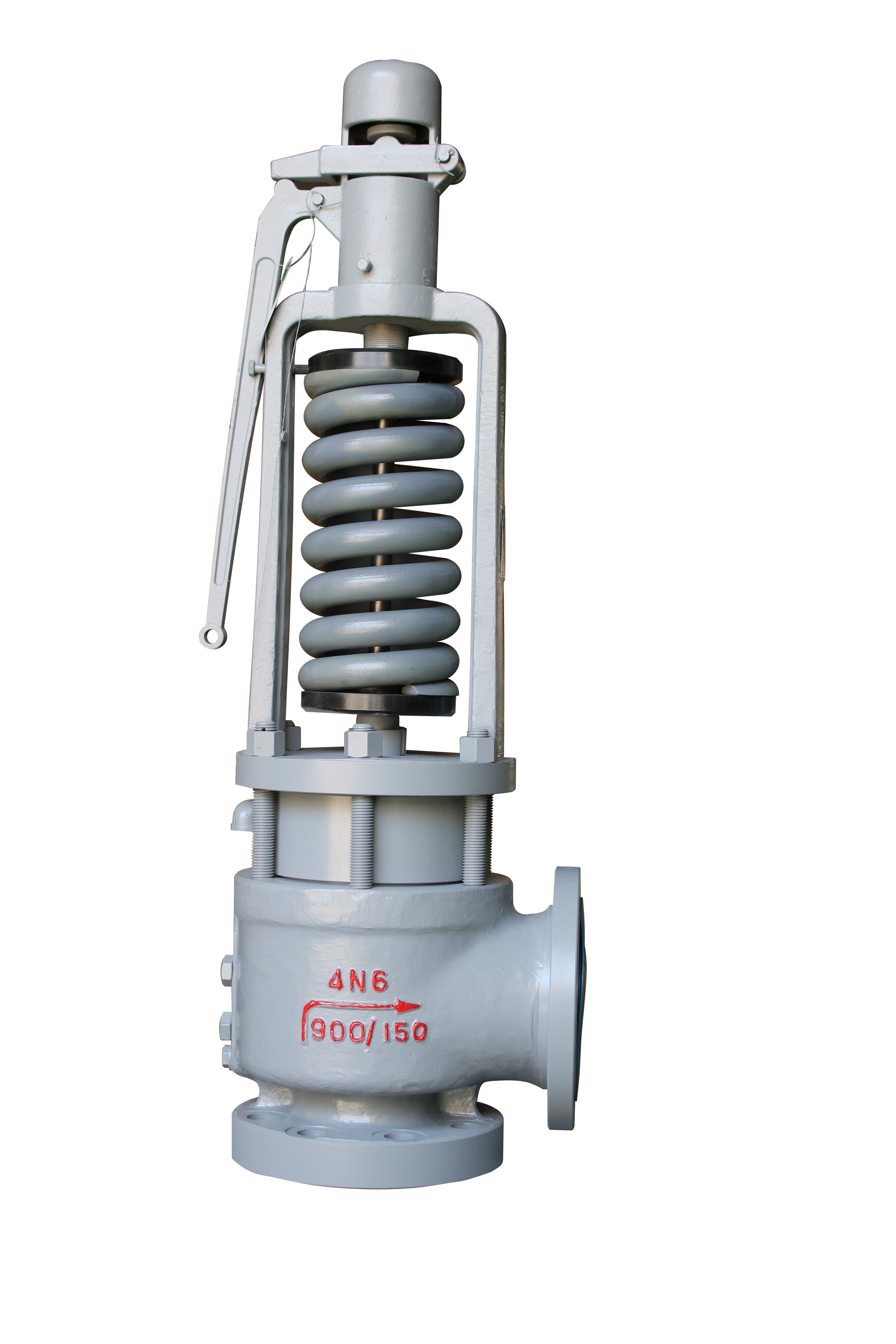
The globe valve represents one of the most fundamental and versatile control mechanisms in modern industrial piping systems. Distinguished by its spherical body design and linear motion stem, this valve type offers exceptional throttling capabilities and precise flow regulation across diverse applications. Manufacturing facilities, power plants, chemical processing units, and water treatment systems rely heavily on globe valve technology to maintain operational efficiency and safety standards. Understanding the intricacies of globe valve construction, operation principles, and selection criteria becomes essential for engineers and facility managers seeking optimal performance from their fluid control systems.
Globe Valve Construction and Design Principles
Body Configuration and Material Selection
The distinctive spherical body configuration of a globe valve creates an internal flow path that changes direction, typically requiring fluid to navigate through a Z-shaped or S-shaped passage. This design inherently provides superior throttling characteristics compared to straight-through valve types. Cast iron, carbon steel, stainless steel, and specialized alloys comprise the primary material options for globe valve bodies, with selection depending on operating conditions, fluid compatibility, and environmental factors. The body design incorporates integral seat rings, bonnet connections, and stem guides that ensure reliable operation under varying pressure and temperature conditions.
Manufacturing precision becomes critical in globe valve production, as the alignment between disc and seat directly impacts sealing performance and operational longevity. Modern manufacturing techniques utilize CNC machining and precision casting to achieve tight tolerances essential for proper valve function. Surface treatments, including hard-facing, coating applications, and heat treatment processes, enhance durability and corrosion resistance. Quality control measures throughout production ensure that each globe valve meets stringent industry standards and customer specifications.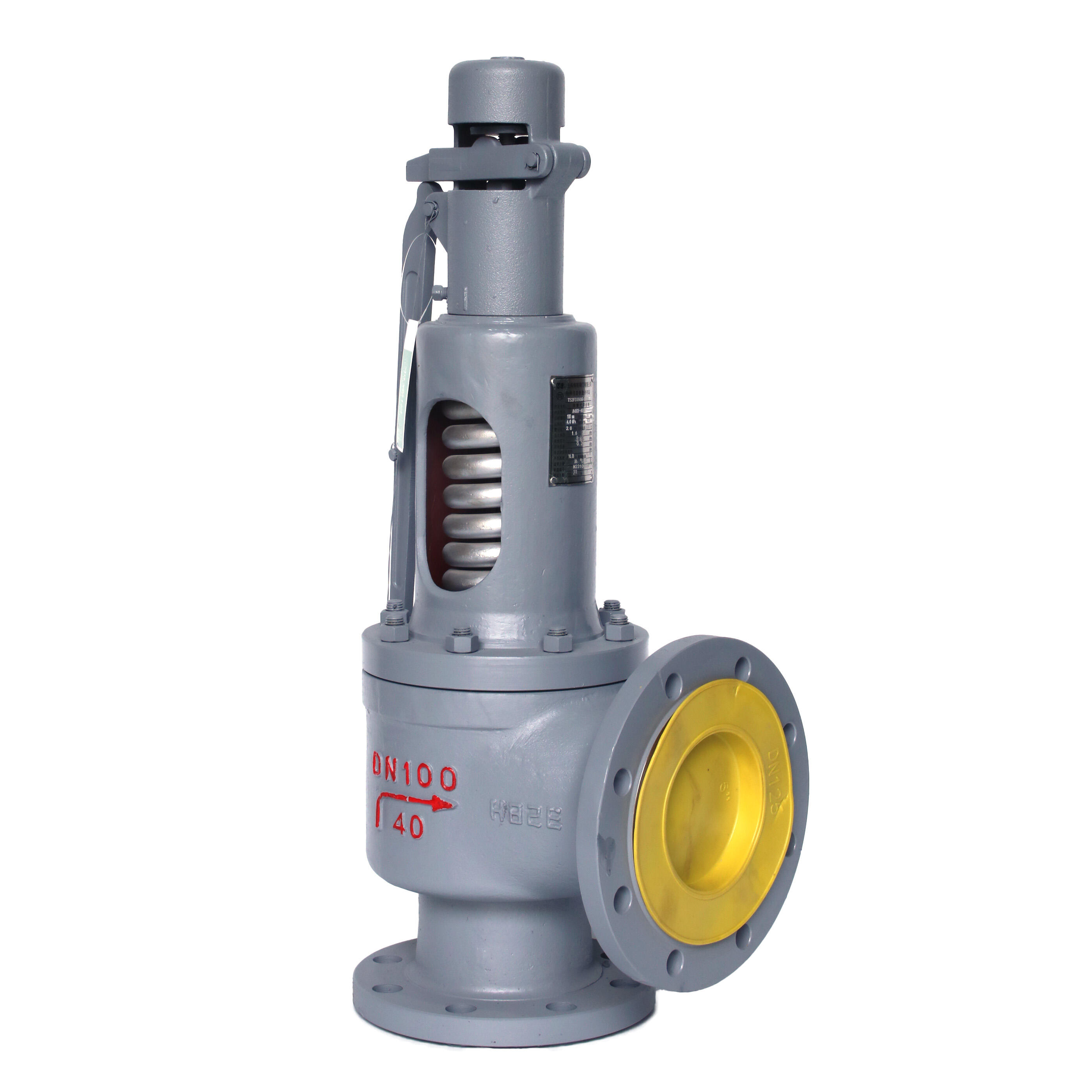
Disc and Seat Design Variations
The disc and seat assembly represents the heart of globe valve functionality, with various configurations designed to address specific application requirements. Plug-type discs offer excellent throttling characteristics and tight shutoff capabilities, making them suitable for precise flow control applications. Needle-type discs provide superior fine-tuning capabilities, particularly valuable in instrumentation and pilot valve applications where minute flow adjustments are necessary. Composition discs combine metallic backing with soft sealing surfaces to achieve optimal performance across temperature ranges.
Seat design considerations include material compatibility, hardness differentials, and surface finish requirements that directly influence sealing effectiveness and service life. Integral seats machined directly into the valve body provide excellent durability but limit repair options, while replaceable seat rings offer maintenance flexibility at the expense of initial complexity. The relationship between disc and seat geometry determines flow characteristics, pressure drop profiles, and throttling performance throughout the valve's operating range.
Globe Valve Classifications and Configurations
Straight Pattern Globe Valves
Straight pattern globe valve designs position inlet and outlet connections along the same horizontal axis, creating a traditional Z-shaped internal flow path. This configuration represents the most common globe valve type found in industrial applications, offering reliable performance and straightforward installation procedures. The internal flow path requires two direction changes, resulting in higher pressure drops compared to alternative designs but providing excellent throttling control characteristics. Maintenance accessibility remains favorable due to standard bonnet removal procedures and conventional stem alignment.
Applications for straight pattern globe valve installations include general service piping systems, bypass circuits, and throttling applications where pressure drop considerations are secondary to control precision. The design accommodates standard piping practices and fits seamlessly into existing system layouts without requiring special considerations for flow direction or installation orientation. Cost-effectiveness and widespread availability make straight pattern designs attractive for general-purpose applications across various industries.
Angle Pattern Globe Valves
Angle pattern configurations orient inlet and outlet connections at 90-degree angles, creating a single direction change in the internal flow path. This design reduces pressure drop compared to straight patterns while maintaining the throttling advantages inherent in globe valve technology. The angle configuration proves particularly valuable in piping systems requiring direction changes, eliminating the need for separate elbow fittings and reducing overall system complexity. Installation flexibility increases as the valve simultaneously provides flow control and directional change functions.
Manufacturing considerations for angle pattern globe valve designs include reinforced body construction to handle the asymmetric loading conditions created by perpendicular piping connections. Thermal expansion accommodation becomes more complex due to the multi-directional stress patterns, requiring careful material selection and design analysis. Applications favoring angle patterns include steam systems, condensate return lines, and situations where space constraints or piping layout optimization takes priority over minimal pressure drop requirements.
Actuation Methods and Control Systems
Manual Operation Systems
Manual globe valve operation relies on handwheel assemblies that convert rotational motion into linear stem movement through threaded connections. The mechanical advantage provided by handwheel diameter and thread pitch determines the operator effort required to achieve full valve travel. Standard rising stem designs provide visual indication of valve position through stem extension, while non-rising stem configurations maintain constant overall valve height throughout operation. Gear operators may be incorporated for large valve sizes or high-pressure applications where manual operation becomes impractical.
Position indication systems range from simple stem extension observation to sophisticated electronic position transmitters that provide remote monitoring capabilities. Local position indicators, including scales and pointer assemblies, facilitate precise positioning during manual operation. Safety considerations include proper handwheel design to prevent injury, adequate clearance for operation access, and appropriate materials selection for environmental conditions. Training requirements for manual globe valve operation emphasize proper techniques to prevent damage and ensure safe operation practices.
Automated Actuation Technologies
Automated globe valve systems incorporate pneumatic, hydraulic, or electric actuators to provide remote control capabilities and integration with process control systems. Pneumatic actuators utilize compressed air or gas supplies to generate the linear force necessary for valve operation, offering rapid response times and fail-safe positioning options. Spring return mechanisms ensure safe valve positioning during power failures or air supply interruptions. Hydraulic actuators provide superior force capabilities for large valve applications but require more complex support systems and maintenance procedures.
Electric actuators offer precise positioning control and excellent integration with digital control systems, making them ideal for applications requiring accurate flow modulation. Variable speed drives and sophisticated control algorithms enable complex valve positioning strategies that optimize process performance. Smart actuator technologies incorporate diagnostic capabilities, predictive maintenance features, and advanced communication protocols that enhance system reliability and maintenance efficiency. The globe valve selection process must carefully consider actuation requirements to ensure optimal system performance and reliability.
Performance Characteristics and Flow Control
Flow Coefficient and Sizing Considerations
The flow coefficient, commonly designated as Cv, quantifies the flow capacity of a globe valve under standardized conditions and serves as the primary parameter for valve sizing calculations. Globe valve flow characteristics typically exhibit relatively low Cv values compared to straight-through valve types due to the tortuous flow path, but this design feature enhances throttling precision and control resolution. Sizing calculations must account for pressure drop limitations, cavitation potential, and the relationship between flow coefficient and valve opening percentage to ensure proper valve selection.
Inherent flow characteristics describe the relationship between valve opening and flow capacity under constant pressure drop conditions, while installed characteristics reflect actual system performance including piping effects. Globe valve designs typically provide equal percentage or linear flow characteristics, with selection depending on specific control requirements and system dynamics. Proper sizing ensures adequate control range while avoiding oversizing that compromises control precision or undersizing that limits system capacity.
Throttling Performance and Control Resolution
Globe valve throttling capabilities excel in applications requiring precise flow modulation and stable control performance across varying operating conditions. The linear motion stem design provides predictable positioning relationships and excellent repeatability, essential characteristics for automated control systems. Control resolution depends on actuator precision, valve design characteristics, and the relationship between stem position and flow area changes. Fine throttling applications may require specialized trim designs or needle-type discs to achieve the necessary control precision.
Stability considerations include the tendency for globe valve designs to resist flow-induced vibration and maintain consistent performance under varying upstream and downstream pressure conditions. The heavy construction and guided stem design contribute to operational stability, while the internal flow path geometry minimizes turbulence effects that could compromise control precision. Cavitation resistance varies with specific design features and operating conditions, requiring careful analysis during the selection process for high-energy applications.
Installation Requirements and Best Practices
Piping System Integration
Proper globe valve installation begins with careful consideration of flow direction, orientation requirements, and piping support arrangements that ensure optimal performance and longevity. Most globe valve designs specify preferred flow direction to minimize seat damage and optimize throttling performance, typically with flow entering beneath the disc. Installation orientation affects drainage characteristics, potential for air entrapment, and accessibility for maintenance procedures. Horizontal stem orientations generally provide optimal performance, while vertical installations may require special considerations for drainage and actuator mounting.
Piping stress analysis becomes crucial for globe valve installations due to the significant weight and potential thermal expansion effects that can compromise valve alignment and performance. Adequate pipe supports, expansion joints where necessary, and proper bolt torque procedures ensure system integrity throughout operational cycles. Pre-installation inspection procedures verify proper internal components, correct orientation markings, and absence of shipping damage that could affect performance.
Commissioning and Testing Protocols
Globe valve commissioning procedures include systematic testing to verify proper operation, sealing performance, and integration with control systems before placing the valve into service. Hydrostatic testing confirms structural integrity and seat tightness under specified pressure conditions, while functional testing validates smooth operation throughout the full travel range. Actuator calibration, if applicable, ensures proper correspondence between control signals and valve position. System integration testing verifies proper communication with control systems and emergency shutdown functions.
Documentation requirements include recording test results, installation parameters, and any deviations from standard procedures that might affect future maintenance or troubleshooting activities. Baseline performance data collected during commissioning provides reference points for future performance monitoring and predictive maintenance programs. Training for operations and maintenance personnel should emphasize proper operating procedures, safety requirements, and recognition of performance indicators that suggest maintenance needs.
Maintenance Strategies and Troubleshooting
Preventive Maintenance Programs
Effective globe valve maintenance programs incorporate scheduled inspections, performance monitoring, and component replacement strategies that maximize service life while minimizing unplanned downtime. Visual inspections focus on external leakage, stem alignment, actuator condition, and signs of corrosion or mechanical damage. Performance monitoring includes tracking operating torque requirements, response times for automated valves, and any changes in flow characteristics that might indicate internal wear or damage.
Lubrication schedules depend on specific design features, environmental conditions, and manufacturer recommendations, with particular attention to stem threads, packing arrangements, and actuator components. Packing adjustment and replacement represent common maintenance activities that require careful attention to proper materials selection and installation techniques. Predictive maintenance technologies, including vibration monitoring and thermal imaging, can identify developing problems before they result in failure or performance degradation.
Common Issues and Diagnostic Techniques
Globe valve troubleshooting requires systematic evaluation of symptoms, operating history, and system conditions to identify root causes and implement effective corrective actions. External leakage typically indicates packing problems, bonnet gasket failure, or body joint issues that require different repair approaches. Internal leakage may result from seat damage, foreign material interference, or improper disc-to-seat alignment that affects shutoff performance. Operational difficulties, including high operating torque or erratic positioning, often relate to stem binding, actuator problems, or internal component wear.
Diagnostic techniques include pressure testing to quantify leakage rates, torque measurements to assess mechanical condition, and flow testing to evaluate throttling performance. Advanced diagnostic methods may incorporate acoustic monitoring to detect cavitation or internal damage, and precision measurement tools to assess wear patterns and component alignment. Repair versus replacement decisions depend on the extent of damage, component availability, repair costs, and the criticality of the application to overall system performance.
FAQ
What are the main advantages of globe valves compared to other valve types
Globe valves offer superior throttling control and precise flow regulation due to their linear stem motion and variable flow area characteristics. The design provides excellent shutoff capabilities, good control resolution throughout the operating range, and reliable performance under varying pressure conditions. While globe valves typically have higher pressure drops than straight-through designs, their control precision makes them ideal for applications requiring accurate flow modulation, bypass services, and situations where tight shutoff is essential.
How do I determine the correct size globe valve for my application
Proper globe valve sizing requires calculating the flow coefficient (Cv) based on your specific flow rate, pressure drop, and fluid properties. Consider the required control range, ensuring the valve operates between 10-90% open for optimal control. Factor in pressure drop limitations, potential cavitation conditions, and any future capacity requirements. Consult manufacturer sizing charts and consider engaging valve specialists for critical applications or unusual operating conditions to ensure optimal performance.
What maintenance is required to keep globe valves operating reliably
Regular globe valve maintenance includes periodic packing adjustments, lubrication of stem threads and actuator components, and inspection for external leakage or operational abnormalities. Schedule seat leakage testing annually or according to process requirements, and monitor operating torque for signs of internal wear. Replace packing and gaskets during scheduled outages, and maintain proper actuator calibration for automated valves. Implement predictive maintenance techniques where appropriate to identify developing problems before they impact performance.
Can globe valves be used for both throttling and isolation service
Globe valves excel in both throttling and isolation applications, making them versatile choices for many piping systems. Their linear characteristics provide excellent control resolution for throttling service, while the positive seating action ensures reliable isolation when fully closed. However, consider that globe valves have higher pressure drops than dedicated isolation valves like gate or ball valves, which may impact energy costs in large systems. For applications requiring both functions, globe valves often represent the optimal compromise between control precision and isolation capability.