EN
EN

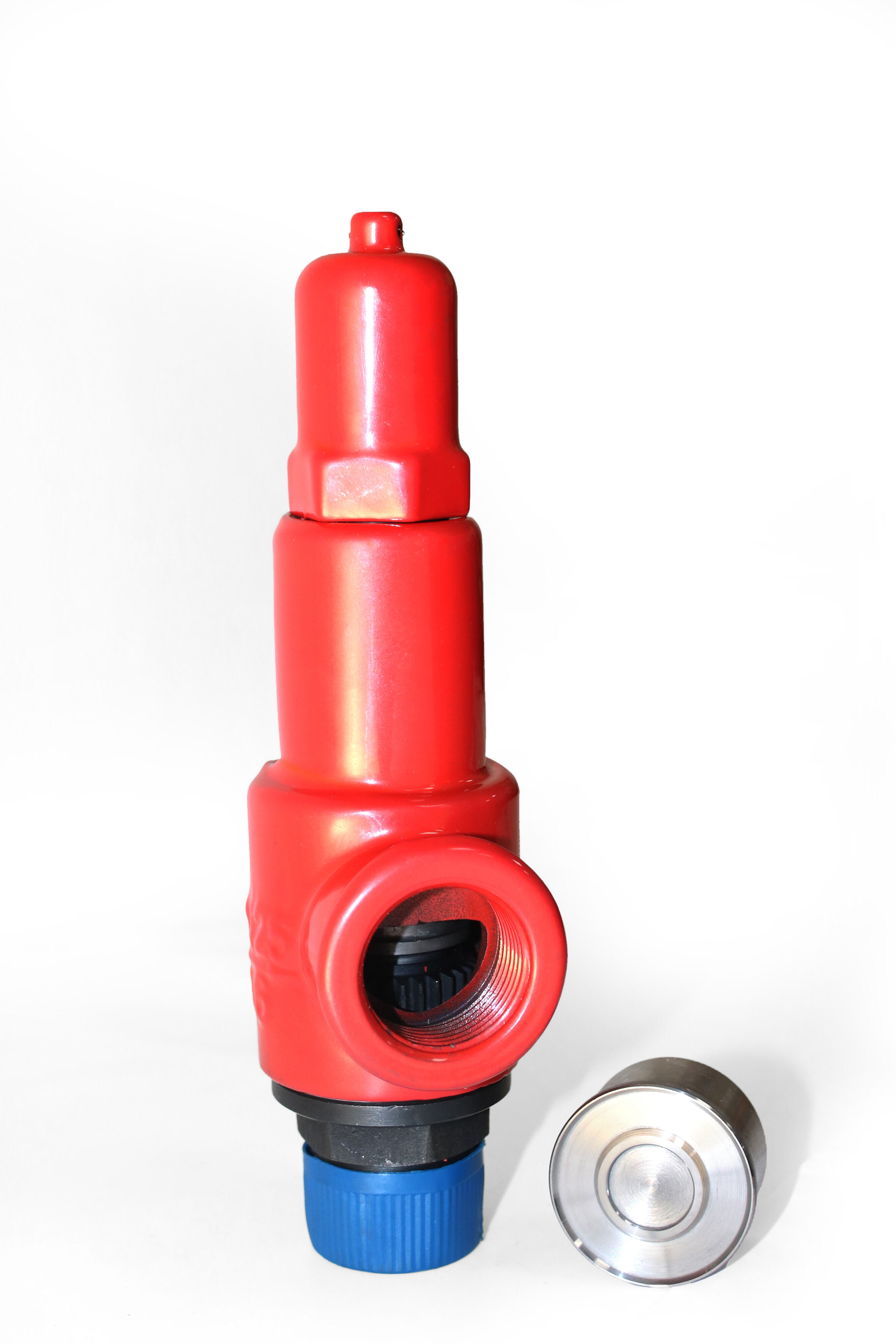
Industrial pressure systems require robust protection mechanisms to prevent catastrophic failures and ensure operational safety. A hydraulic safety valve serves as the critical last line of defense against dangerous pressure buildup that could lead to equipment damage, production downtime, or worker injury. These essential components automatically release excess pressure when predetermined limits are exceeded, maintaining system integrity and compliance with safety regulations. Understanding the proper selection, installation, and maintenance of hydraulic safety valve systems is fundamental for engineers and facility managers across various industries including manufacturing, oil and gas, chemical processing, and power generation.
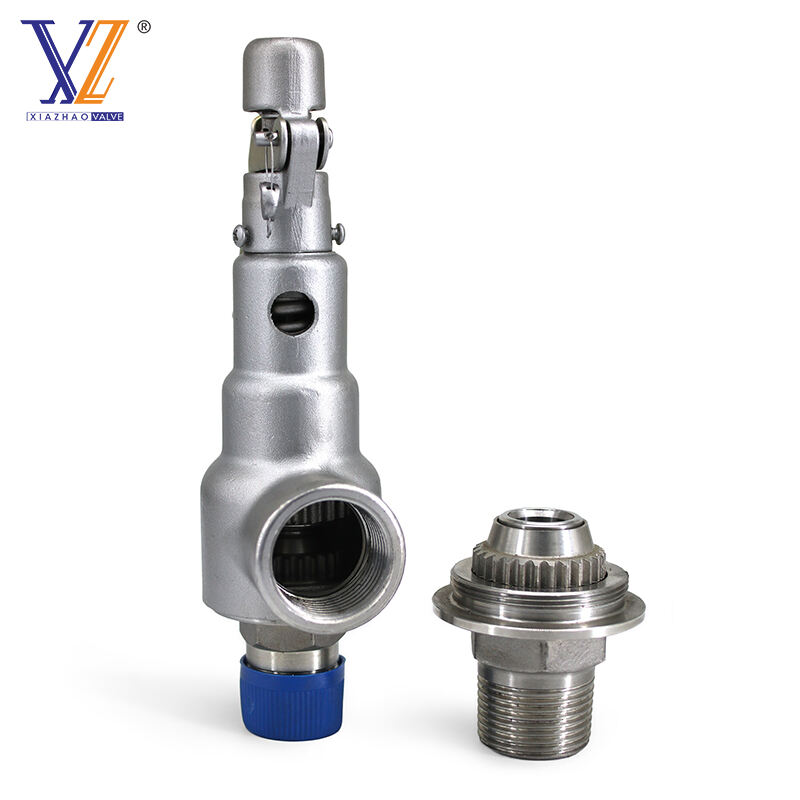
Fundamental Principles of Hydraulic Safety Valve Operation
Pressure Relief Mechanisms and System Protection
The core function of a hydraulic safety valve involves monitoring system pressure continuously and responding instantly when dangerous levels are detected. These devices operate through spring-loaded mechanisms that compress under normal operating conditions but overcome resistance when pressure exceeds safe thresholds. The valve disc lifts from its seat, creating an opening that allows pressurized fluid to escape rapidly. This immediate response prevents pressure accumulation that could otherwise cause pipe ruptures, equipment explosions, or complete system failure.
Modern hydraulic safety valve designs incorporate sophisticated engineering principles to ensure reliable operation under extreme conditions. The valve spring calibration determines the exact pressure point at which activation occurs, while the valve seat geometry controls flow characteristics during relief events. Advanced materials resist corrosion, erosion, and temperature fluctuations that could compromise valve performance over time. These technical considerations make each hydraulic safety valve a precision instrument specifically matched to its intended application requirements.
Activation Response and Flow Characteristics
When a hydraulic safety valve activates, the flow dynamics must be carefully controlled to prevent system shock while effectively reducing pressure. The valve opening profile determines how quickly pressure relief occurs and whether the valve remains partially or fully open during the event. Pop-action valves open rapidly and completely, providing maximum flow capacity for emergency situations. Proportional-action valves open gradually, offering more controlled pressure reduction suitable for systems requiring smoother pressure transitions.
The reseating characteristics of a hydraulic safety valve are equally important for maintaining system stability after pressure relief events. Proper reseating prevents pressure oscillations and ensures tight shutoff to maintain system pressure at safe operating levels. Valve manufacturers optimize the spring tension, disc geometry, and seat design to achieve reliable closing performance while minimizing pressure loss during normal operation.
Selection Criteria and Application Considerations
Pressure Rating and Flow Capacity Requirements
Selecting the appropriate hydraulic safety valve requires careful analysis of system operating parameters, including maximum working pressure, flow volume, fluid properties, and environmental conditions. The valve pressure rating must exceed the highest expected system pressure with appropriate safety margins to prevent premature activation. Flow capacity calculations consider both normal operating conditions and emergency scenarios where rapid pressure relief becomes necessary to prevent equipment damage.
Engineers must also evaluate the fluid characteristics when specifying hydraulic safety valve requirements. Viscous fluids affect flow rates and valve response times, while corrosive substances require specialized materials and coatings. Temperature extremes influence spring characteristics and seal performance, potentially affecting the reliability of the hydraulic safety valve operation. These factors combine to determine the optimal valve configuration for each specific application.
Material Selection and Environmental Compatibility
The material construction of a hydraulic safety valve directly impacts its longevity and reliability in challenging industrial environments. Stainless steel components resist corrosion and maintain dimensional stability across wide temperature ranges. Specialized alloys provide enhanced performance in extreme conditions involving high temperatures, aggressive chemicals, or abrasive particles. Elastomeric seals must be compatible with system fluids while maintaining flexibility and sealing effectiveness throughout the valve operating range.
Environmental factors such as vibration, shock loads, and atmospheric conditions also influence hydraulic safety valve material requirements. Marine applications demand materials that resist saltwater corrosion, while chemical processing facilities may require exotic alloys to handle aggressive substances. The valve housing, internal components, and connecting hardware must all be specified to withstand the complete range of operating conditions encountered in service.
Installation Best Practices and System Integration
Mounting Configuration and Piping Considerations
Proper installation of a hydraulic safety valve requires careful attention to mounting orientation, piping configuration, and accessibility for maintenance. The valve must be positioned to ensure unobstructed flow during relief events while providing adequate support for the valve weight and dynamic forces. Piping runs should minimize pressure drops and avoid configurations that could cause flow restrictions or turbulence near the valve inlet.
Installation procedures must follow manufacturer specifications and industry standards to ensure optimal hydraulic safety valve performance. Proper torque values prevent thread damage and ensure leak-tight connections, while alignment requirements maintain valve geometry for reliable operation. Support structures must accommodate thermal expansion and vibration without imposing excessive stress on valve components or connecting piping.
System Integration and Control Interface
Modern hydraulic safety valve installations often incorporate monitoring and control systems that provide real-time status information and enable remote operation capabilities. Pressure sensors and position indicators allow operators to track valve performance and detect potential issues before they compromise system safety. Integration with plant control systems enables automatic responses to abnormal conditions and maintains detailed operating records for maintenance planning.
The hydraulic safety valve control interface must be designed to prevent inadvertent operation while ensuring quick response during emergency situations. Manual override capabilities provide backup operation methods when automated systems are unavailable. Clear labeling and documentation help operators understand valve functions and maintenance requirements throughout the system lifecycle.
Maintenance Procedures and Performance Optimization
Preventive Maintenance and Inspection Protocols
Regular maintenance ensures reliable hydraulic safety valve operation and extends component service life. Inspection procedures include visual examination of valve components, pressure testing to verify set points, and flow testing to confirm adequate capacity. These evaluations detect wear, corrosion, or damage that could compromise valve performance during emergency situations. Maintenance schedules should align with system criticality and operating conditions to optimize safety while minimizing downtime.
Preventive maintenance programs for hydraulic safety valve systems include cleaning, lubrication, and component replacement based on manufacturer recommendations and operating experience. Spring tension verification ensures proper activation pressure, while seat inspection identifies wear or damage that could cause leakage or improper seating. Documentation of maintenance activities provides traceability and supports regulatory compliance requirements.
Performance Testing and Calibration Methods
Periodic testing validates hydraulic safety valve performance and confirms compliance with design specifications. Test procedures include set pressure verification, capacity testing, and seat tightness evaluation. These tests may be conducted in-place using portable test equipment or by removing valves for bench testing in controlled laboratory conditions. Test results guide maintenance decisions and identify trends that indicate component degradation or system changes.
Calibration procedures ensure that hydraulic safety valve activation occurs at precise pressure levels throughout the valve service life. Spring adjustment mechanisms allow fine-tuning of set pressure within specified ranges. Advanced testing equipment can simulate various operating conditions to verify valve response characteristics and identify potential performance issues before they impact system operation.
Troubleshooting Common Issues and Solutions
Pressure Set Point Drift and Correction Methods
Hydraulic safety valve set point drift represents one of the most common operational issues encountered in industrial applications. This condition occurs when the valve activation pressure changes from its original calibration due to spring fatigue, corrosion, or contamination buildup. Regular monitoring identifies drift trends early, allowing corrective action before safety margins are compromised. Correction methods include spring adjustment, component cleaning, or complete valve rebuild depending on the extent of drift and underlying causes.
Environmental factors contribute significantly to hydraulic safety valve set point drift over time. Temperature cycling causes thermal stress in valve components, while vibration accelerates spring fatigue and component wear. Contamination from system fluids can interfere with valve operation, causing erratic behavior or preventing proper activation. Understanding these mechanisms helps maintenance teams develop targeted solutions and prevention strategies.
Leakage Prevention and Seat Maintenance
Seat leakage in hydraulic safety valve applications compromises system efficiency and may indicate impending valve failure. Common causes include foreign material contamination, seat wear, or improper installation. Prevention strategies focus on maintaining clean system fluids, proper valve selection for application conditions, and adherence to installation procedures. When leakage occurs, remedial actions range from seat cleaning and lapping to complete seat replacement depending on damage severity.
Advanced hydraulic safety valve designs incorporate features that minimize leakage potential while maintaining reliable operation. Hardened seat surfaces resist wear and erosion, while improved sealing geometries provide better shutoff performance. Regular inspection and maintenance of these critical sealing surfaces ensures long-term reliability and prevents unexpected system losses that could impact production or safety.
Regulatory Compliance and Safety Standards
Industry Standards and Certification Requirements
Hydraulic safety valve applications must comply with various industry standards and regulatory requirements that specify design, testing, and installation criteria. Organizations such as the American Society of Mechanical Engineers, International Organization for Standardization, and American Petroleum Institute establish guidelines for valve performance and safety characteristics. These standards ensure consistent quality and reliability across different manufacturers and applications while providing frameworks for proper valve selection and maintenance.
Certification processes verify that hydraulic safety valve designs meet established performance criteria and safety requirements. Third-party testing laboratories conduct comprehensive evaluations including pressure testing, flow capacity verification, and endurance testing under simulated operating conditions. Certification documentation provides users with confidence in valve performance and supports regulatory compliance efforts.
Documentation and Traceability Requirements
Proper documentation supports regulatory compliance and provides essential information for safe hydraulic safety valve operation throughout the component lifecycle. Installation records document valve specifications, test results, and commissioning procedures. Maintenance logs track service activities, performance trends, and component replacements. This documentation enables regulatory audits, supports insurance requirements, and provides data for continuous improvement initiatives.
Traceability systems link individual hydraulic safety valve units with manufacturing records, test data, and service history. Digital documentation systems improve accessibility and enable advanced analytics that identify performance patterns and optimization opportunities. These systems support predictive maintenance strategies and help organizations maximize valve reliability while minimizing lifecycle costs.
FAQ
How often should a hydraulic safety valve be tested and maintained
Testing frequency for hydraulic safety valve systems depends on application criticality, operating conditions, and regulatory requirements. Most industrial applications require annual testing to verify set pressure and capacity, while critical safety systems may need more frequent evaluation. Maintenance intervals typically range from six months to two years based on system duty cycle and environmental factors. Regular inspection helps identify potential issues early and ensures reliable valve performance when protection is needed.
What factors determine the proper hydraulic safety valve sizing for a specific application
Proper hydraulic safety valve sizing requires consideration of maximum system pressure, required flow capacity, fluid properties, and installation constraints. The valve must provide adequate flow capacity to prevent pressure buildup while operating within acceptable pressure limits. Fluid viscosity, temperature, and specific gravity affect flow characteristics and influence valve selection. Professional engineering analysis ensures optimal valve sizing for reliable system protection.
Can hydraulic safety valve performance be improved through system modifications
System modifications can enhance hydraulic safety valve performance through improved installation practices, better piping design, and enhanced maintenance procedures. Reducing pressure drop in connecting piping improves valve response time, while vibration isolation prevents premature component wear. Advanced monitoring systems provide early warning of performance degradation and enable proactive maintenance. Regular system evaluation identifies opportunities for performance enhancement and reliability improvement.
What are the consequences of hydraulic safety valve failure in industrial applications
Hydraulic safety valve failure can result in catastrophic system damage, production downtime, and safety hazards for personnel and equipment. Overpressure conditions may cause pipe ruptures, equipment explosions, or complete system destruction. Economic consequences include repair costs, lost production, and potential regulatory penalties. Proper valve selection, installation, and maintenance minimize failure risks and ensure reliable system protection throughout the operating lifecycle.
Table of Contents
- Fundamental Principles of Hydraulic Safety Valve Operation
- Selection Criteria and Application Considerations
- Installation Best Practices and System Integration
- Maintenance Procedures and Performance Optimization
- Troubleshooting Common Issues and Solutions
- Regulatory Compliance and Safety Standards
-
FAQ
- How often should a hydraulic safety valve be tested and maintained
- What factors determine the proper hydraulic safety valve sizing for a specific application
- Can hydraulic safety valve performance be improved through system modifications
- What are the consequences of hydraulic safety valve failure in industrial applications