EN
EN

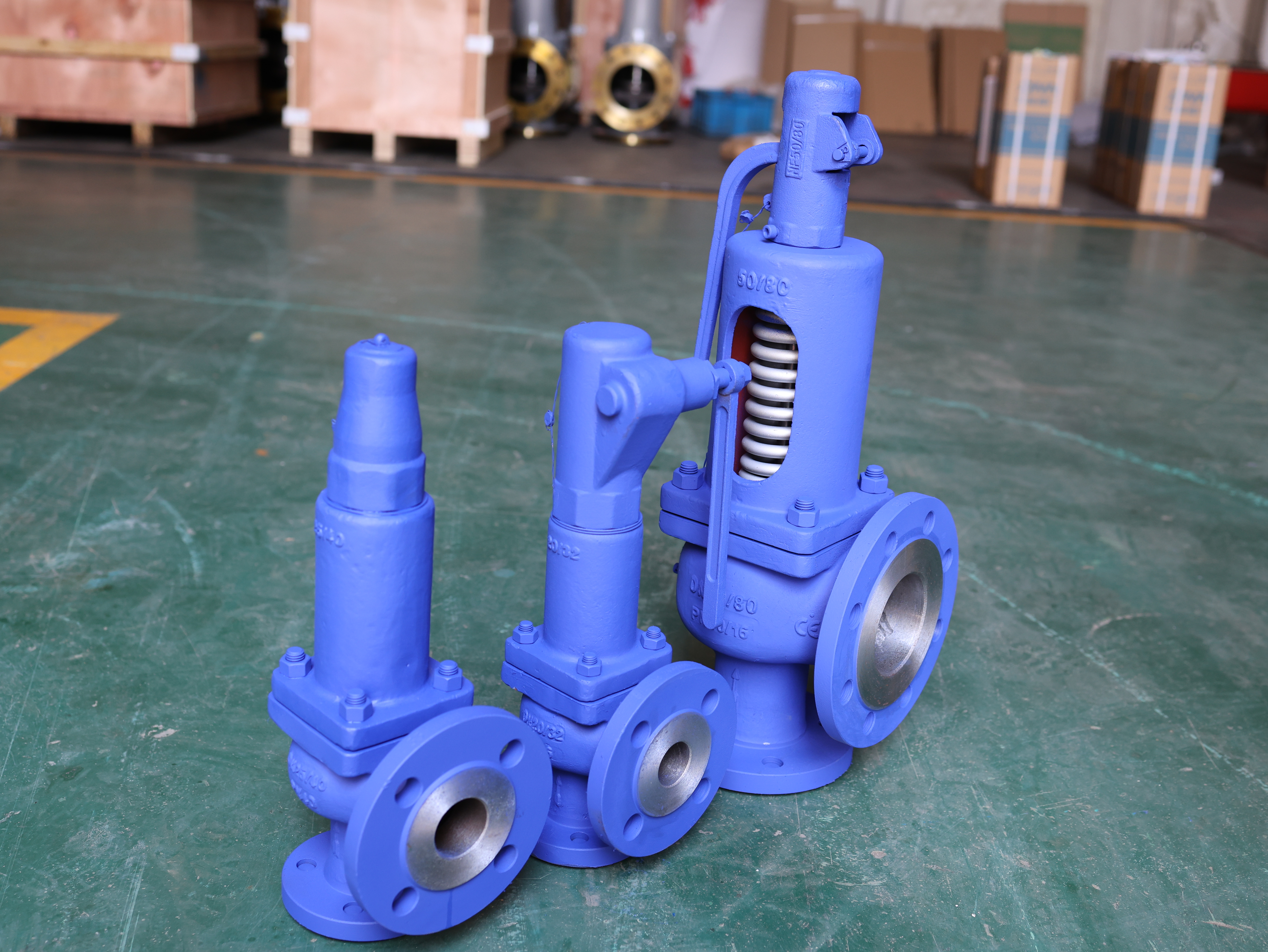
When a full bore safety valve malfunctions in critical industrial applications, the consequences can range from production downtime to catastrophic safety incidents. These essential safety devices must operate flawlessly to protect personnel, equipment, and processes from dangerous overpressure conditions. Understanding the common issues that affect full bore safety valve performance and knowing how to systematically diagnose and resolve these problems is crucial for maintenance professionals and plant operators.
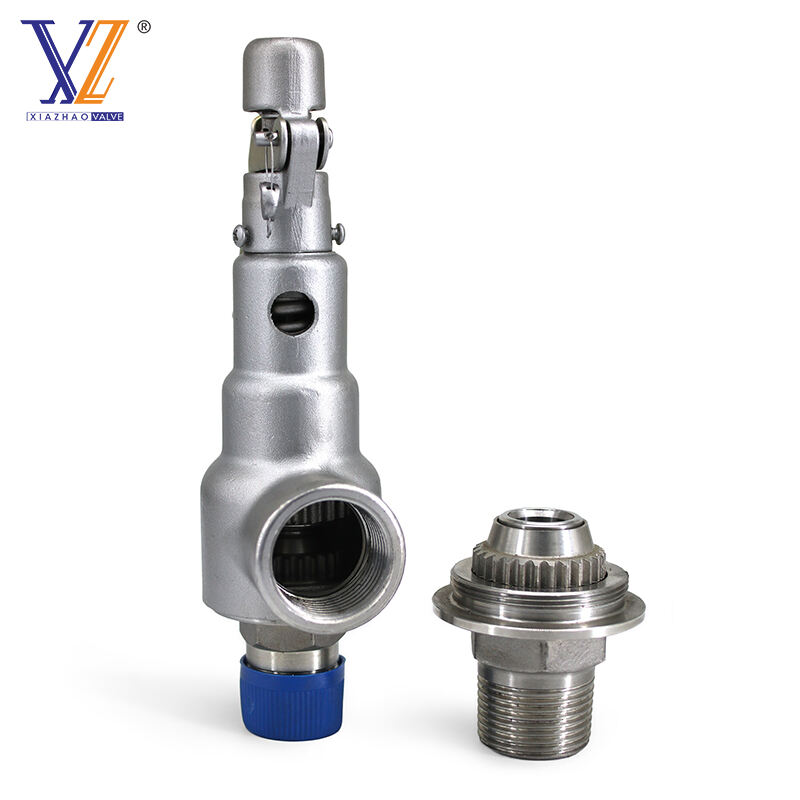
Effective troubleshooting of full bore safety valve issues requires a methodical approach that considers the valve's design characteristics, operating environment, and specific failure symptoms. Unlike conventional safety valves, full bore designs offer unique advantages in high-flow applications but also present distinct challenges when problems arise. This comprehensive troubleshooting guide addresses the most frequently encountered issues, their root causes, and proven diagnostic procedures that maintenance teams can implement to restore optimal valve performance and maintain system safety integrity.
Common Full Bore Safety Valve Malfunctions
Failure to Open at Set Pressure
One of the most critical malfunctions occurs when a full bore safety valve fails to open at its designated set pressure, potentially exposing the protected system to dangerous overpressure conditions. This issue often stems from excessive friction in the valve mechanism, which can result from contaminated or degraded lubricants, corrosion buildup on moving components, or misalignment of internal parts. The large bore design of these valves means that even minor friction increases can significantly impact the force balance required for proper opening.
Another common cause of opening failure involves spring degradation or incorrect spring adjustment. Over time, the main spring in a full bore safety valve may lose tension due to thermal cycling, chemical exposure, or simple fatigue from repeated compressions. Additionally, improper field adjustments or maintenance procedures can alter the spring preload, effectively changing the valve's set pressure beyond acceptable tolerances.
Seat damage represents another critical factor that can prevent proper opening. Foreign particles, process media contamination, or previous overpressure events may have caused scoring, pitting, or warping of the valve seat surfaces. In full bore safety valve applications, maintaining precise seat geometry is essential because the larger flow area amplifies the impact of any sealing surface irregularities on opening characteristics.
Premature Opening or Leakage
Premature opening occurs when the full bore safety valve begins to lift before reaching the intended set pressure, often manifesting as gradual leakage that increases with system pressure. This condition typically indicates seat damage, improper adjustment, or contamination that prevents complete sealing. The full bore design's larger seating area means that even minor imperfections can allow significant leakage, making this issue particularly problematic in these valve types.
Process media characteristics can contribute significantly to premature opening issues. Corrosive chemicals may attack the valve internals, creating surface irregularities that compromise sealing. High-temperature applications can cause thermal expansion mismatches between different valve components, leading to distortion of critical sealing surfaces. Additionally, particulate contamination in the process stream can embed in soft seat materials or score harder surfaces, creating leak paths.
Improper installation practices frequently cause premature opening problems in full bore safety valve installations. Excessive piping stress, thermal expansion conflicts, or misalignment during installation can impose external forces on the valve body that affect internal component positioning. These external influences can prevent proper seating or alter the force balance required for accurate set pressure operation.
Chattering and Instability
Chattering occurs when a full bore safety valve rapidly opens and closes in succession, creating potentially damaging vibrations and preventing effective pressure relief. This phenomenon often results from inadequate back-pressure management in the discharge piping system. The large flow capacity of full bore designs can generate substantial back-pressure in undersized or improperly configured discharge systems, causing the valve to close prematurely and cycle repeatedly.
Inlet pressure drop effects can also trigger chattering in full bore safety valve applications. When the valve opens and begins flowing, the pressure drop through inlet piping or restrictive fittings can cause the upstream pressure to fall below the reseating pressure too quickly. The valve closes, pressure builds again, and the cycle repeats. This issue becomes more pronounced with full bore safety valve designs because their higher flow coefficients can create more dramatic pressure swings.
Systematic Diagnostic Procedures
Visual Inspection Techniques
Beginning with comprehensive visual examination provides valuable insights into full bore safety valve condition before proceeding to more invasive diagnostic procedures. Inspect the valve body exterior for signs of corrosion, mechanical damage, or evidence of previous leakage around the bonnet area. Look for discoloration patterns that might indicate thermal damage or chemical attack. Pay particular attention to the area around the adjustment mechanism, checking for signs of unauthorized tampering or improper maintenance attempts.
Examine the discharge outlet for evidence of previous valve operation, such as process material residue, corrosion patterns, or thermal discoloration. These indicators can reveal important information about valve lifting history and help identify potential contamination sources. Check all external fasteners for proper torque and evidence of loosening, as vibration-induced loosening can affect valve performance and create safety hazards.
Document any nameplate information and compare it against system requirements to verify proper valve selection and rating. Incorrect valve sizing or pressure ratings represent fundamental issues that cannot be resolved through maintenance alone. Take detailed photographs of all observations to support maintenance records and facilitate communication with engineering personnel or valve manufacturers.
Pressure Testing Protocols
Systematic pressure testing provides definitive information about full bore safety valve performance characteristics and helps pinpoint specific operational issues. Begin with seat leakage testing by slowly pressurizing the inlet to approximately 90% of set pressure while monitoring for any discharge flow. Use appropriate detection methods such as soap bubble solutions, ultrasonic leak detectors, or flow measurement equipment to identify and quantify any leakage.
Conduct set pressure testing using calibrated pressure sources and monitoring equipment to verify actual opening pressure against nameplate specifications. Apply pressure gradually and observe the valve's response, noting any preliminary leakage, gradual lifting, or other abnormal behaviors. Multiple test cycles may be necessary to identify intermittent issues or verify consistent performance after adjustments.
Perform blowdown testing to evaluate the valve's reseating characteristics and determine the pressure differential between opening and closing. Proper blowdown behavior is critical for preventing chattering and ensuring stable operation. Document all test results with precise pressure readings, flow observations, and timing information to support troubleshooting decisions and maintenance planning.
Internal Component Assessment
When external diagnostics indicate internal component issues, systematic disassembly and inspection become necessary to identify specific problems and develop appropriate repair strategies. Remove the valve bonnet carefully, following manufacturer procedures and safety protocols for the specific full bore safety valve design. Document the position and condition of all internal components before disturbing their arrangement.
Inspect the valve disc and seat surfaces using appropriate magnification and lighting to identify scoring, pitting, warping, or embedded contamination. Measure critical dimensions where possible to quantify wear patterns and assess whether components remain within acceptable tolerances. Check the spring condition for signs of corrosion, cracking, or permanent deformation that might affect force characteristics.
Examine the valve stem and guide surfaces for wear patterns, galling, or corrosion that could increase friction and affect valve operation. Verify proper clearances and alignment of all moving components. Look for evidence of process media contamination, lubricant degradation, or foreign material that might interfere with valve operation.
Root Cause Analysis Methods
Process Condition Evaluation
Understanding the operating environment helps identify underlying factors that contribute to full bore safety valve problems and prevent recurrence after repairs. Analyze process temperature profiles to determine whether thermal cycling, extreme temperatures, or rapid temperature changes might be affecting valve materials or causing thermal expansion issues. High temperatures can degrade elastomeric seals, alter spring characteristics, or cause differential expansion between valve components.
Evaluate process media compatibility with valve construction materials to identify potential corrosion, erosion, or chemical attack mechanisms. Some process chemicals can cause stress cracking, galvanic corrosion, or material degradation that gradually compromises valve performance. Additionally, assess contamination levels in the process stream, including particulates, moisture, or chemical impurities that might interfere with valve operation or damage internal components.
Review pressure and flow patterns in the protected system to identify operational factors that might stress the full bore safety valve beyond design intentions. Frequent pressure surges, water hammer events, or sustained operation near set pressure can accelerate wear and increase the likelihood of malfunctions. Consider whether process modifications or operational changes have altered the valve's duty cycle or exposure to harmful conditions.
Installation and Maintenance History Analysis
Comprehensive review of installation practices and maintenance history often reveals patterns that contribute to recurring full bore safety valve issues. Examine piping system design for proper support, thermal expansion accommodation, and stress management around the valve installation. Inadequate piping support can impose external forces that affect valve internal alignment and seating characteristics.
Analyze previous maintenance records to identify recurring problems, repair frequencies, and replacement patterns that might indicate systematic issues rather than random failures. Look for correlations between maintenance activities and subsequent problems, which might suggest inadequate procedures, improper parts, or insufficient quality control during service work.
Review calibration and testing histories to verify that proper procedures have been followed and that test equipment accuracy has been maintained. Improper testing techniques or inaccurate calibration equipment can mask developing problems or create apparent issues where none exist. Additionally, examine whether maintenance schedules align with manufacturer recommendations and actual service conditions.
Repair and Restoration Strategies
Component Replacement Guidelines
When troubleshooting reveals damaged or worn components, systematic replacement using proper procedures and genuine parts ensures reliable full bore safety valve restoration. Always use manufacturer-approved replacement parts that match the original specifications for materials, dimensions, and performance characteristics. Substituting non-approved components can compromise safety certification and create liability issues in addition to potential performance problems.
Replace springs whenever calibration testing indicates set pressure deviation beyond acceptable limits or when visual inspection reveals corrosion, cracking, or permanent deformation. Spring replacement requires proper tension adjustment and calibration to achieve specified performance. Consider replacing associated hardware such as spring washers, guides, and adjustment mechanisms when spring replacement is necessary.
Address seat and disc replacement as a matched set to ensure proper sealing surface compatibility and performance. Machining or lapping these surfaces requires specialized knowledge and equipment to maintain critical dimensions and surface finishes. Improper seat work can actually worsen leakage problems or create new performance issues in full bore safety valve applications.
Adjustment and Calibration Procedures
Proper adjustment procedures ensure that repaired full bore safety valve units meet performance specifications and provide reliable protection. Follow manufacturer procedures exactly for spring adjustment, using calibrated test equipment to verify set pressure achievement. Make adjustments gradually and test frequently to avoid overshooting target values, which might require complete readjustment cycles.
Document all adjustment activities with precise measurements and test results to support certification requirements and future maintenance planning. Verify that blowdown characteristics meet system requirements after set pressure adjustments, as these parameters are interrelated and both affect valve performance. Consider the impact of temperature and other environmental factors during calibration testing to ensure accuracy under actual service conditions.
Perform complete functional testing after adjustments to verify proper operation across the full range of expected conditions. Include seat leakage testing, opening pressure verification, capacity testing if required, and blowdown measurement. Multiple test cycles help identify any instability or inconsistency in valve performance that might indicate incomplete repair or adjustment errors.
FAQ
How often should full bore safety valves be tested and inspected?
Testing frequency for full bore safety valves depends on service conditions, industry regulations, and manufacturer recommendations, but typically ranges from annually to every five years. High-temperature, corrosive, or critical applications may require more frequent testing, while clean service applications might allow longer intervals. Most industrial facilities follow annual testing schedules with visual inspections conducted more frequently during routine maintenance activities.
What are the main differences between troubleshooting full bore versus conventional safety valves?
Full bore safety valves have larger flow areas and different internal geometries compared to conventional designs, which affects troubleshooting approaches. The larger seating surfaces are more sensitive to contamination and thermal effects, while the higher flow coefficients can create more dramatic pressure swings during operation. Additionally, full bore designs may require different testing equipment and procedures due to their higher capacity ratings and specialized construction features.
Can full bore safety valve problems be prevented through predictive maintenance techniques?
Predictive maintenance techniques such as vibration monitoring, thermal imaging, and acoustic emission testing can help identify developing problems before they cause valve failures. Regular trending of test results also provides early warning of performance degradation. However, the most effective prevention strategy combines predictive techniques with proper installation practices, appropriate service intervals, and thorough understanding of process conditions that affect valve performance.
What safety precautions are essential when troubleshooting pressurized safety valve systems?
Always depressurize and isolate systems before beginning invasive troubleshooting procedures, following proper lockout/tagout protocols. Use appropriate personal protective equipment and ensure adequate ventilation when working with potentially hazardous process media. Never attempt to adjust or disassemble a full bore safety valve while the system is pressurized, and always use proper lifting equipment when handling these typically heavy components during maintenance activities.
Table of Contents
- Common Full Bore Safety Valve Malfunctions
- Systematic Diagnostic Procedures
- Root Cause Analysis Methods
- Repair and Restoration Strategies
-
FAQ
- How often should full bore safety valves be tested and inspected?
- What are the main differences between troubleshooting full bore versus conventional safety valves?
- Can full bore safety valve problems be prevented through predictive maintenance techniques?
- What safety precautions are essential when troubleshooting pressurized safety valve systems?