EN
EN

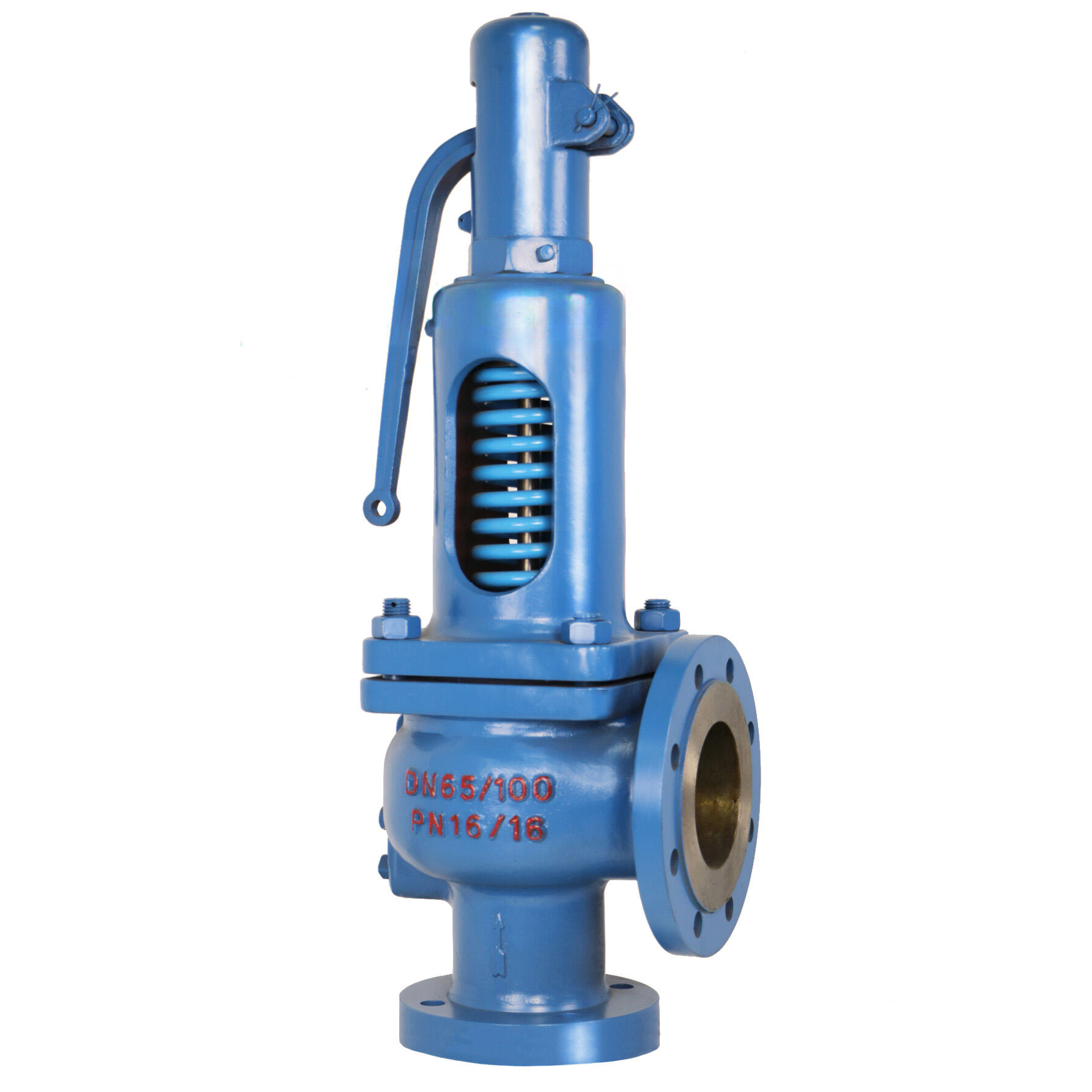
Correct safety valve sizing represents one of the most critical engineering decisions in industrial process systems, directly impacting both operational safety and system performance. When safety valve sizing calculations are performed accurately, they ensure that pressure relief systems can handle maximum expected overpressures while maintaining optimal flow characteristics during normal operations. The consequences of improper safety valve sizing extend far beyond simple compliance issues, affecting everything from energy efficiency to equipment longevity and overall process reliability.
Performance optimization through precise safety valve sizing involves understanding the intricate relationship between valve capacity, system pressure dynamics, and operational parameters. Engineers who master the principles of safety valve sizing can achieve significant improvements in process efficiency, reduce operational costs, and minimize system downtime. This comprehensive approach to safety valve sizing requires careful analysis of multiple variables including fluid properties, operating conditions, and system requirements to deliver measurable performance benefits.
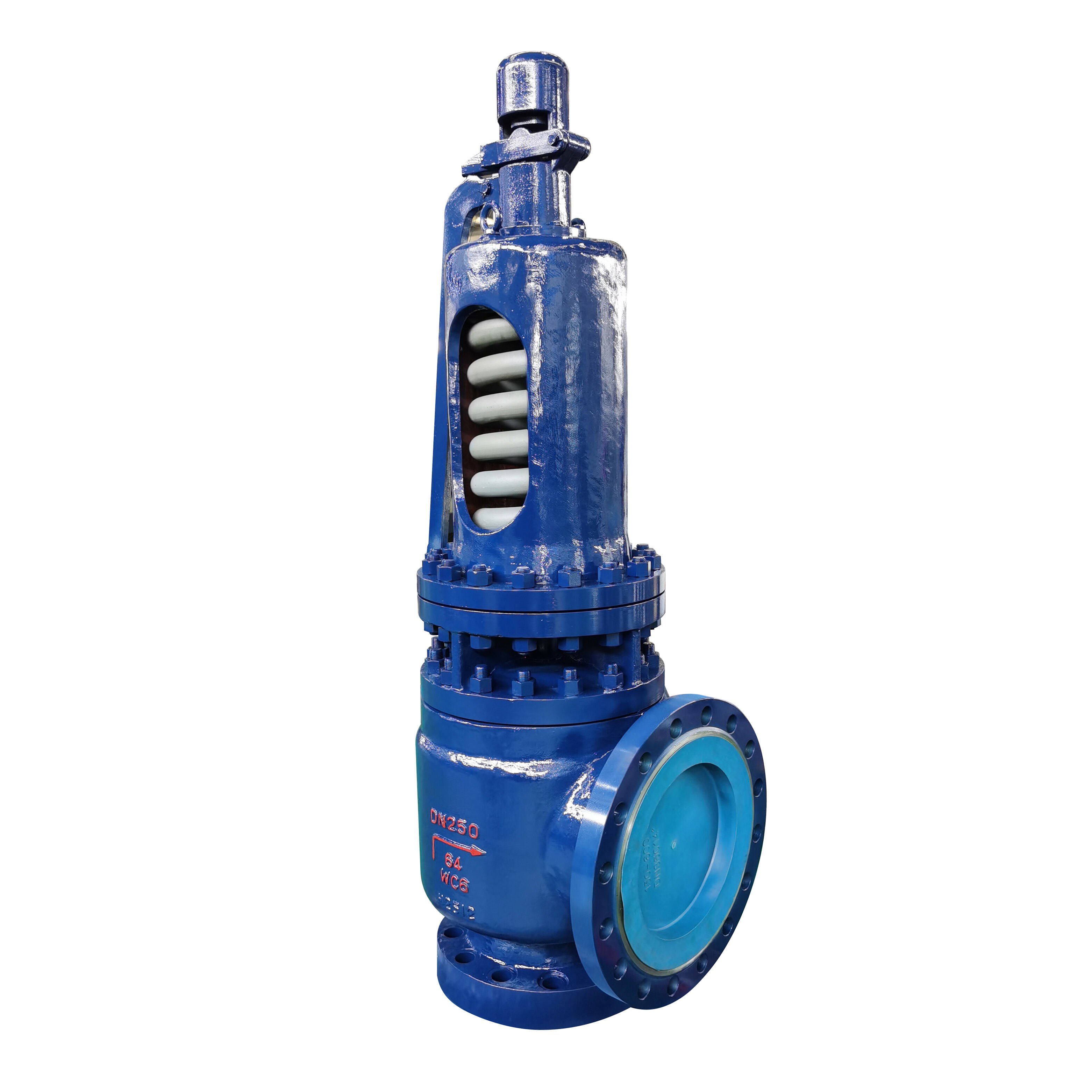
Fundamentals of Safety Valve Sizing for Performance Enhancement
Core Principles of Safety Valve Sizing Calculations
The foundation of effective safety valve sizing lies in understanding the relationship between required relieving capacity and valve flow characteristics. Safety valve sizing calculations must account for the maximum credible relief scenario while considering factors such as fluid compressibility, temperature effects, and backpressure conditions. The API 520 standard provides the mathematical framework for safety valve sizing, but optimal performance requires engineers to go beyond basic compliance calculations to consider system-specific variables that affect overall efficiency.
Proper safety valve sizing begins with accurate determination of the required relieving capacity, which depends on the specific overpressure scenario being addressed. Whether dealing with fire exposure, blocked outlet conditions, or control system failures, each scenario requires precise safety valve sizing calculations that consider the actual mass flow rate needed to prevent excessive pressure buildup. The sizing coefficient and discharge coefficient selection significantly impact the final safety valve sizing results and subsequent system performance.
Temperature compensation plays a crucial role in safety valve sizing accuracy, particularly for applications involving significant temperature variations. The relationship between fluid density, viscosity, and flow characteristics must be carefully evaluated during safety valve sizing to ensure that the selected valve can maintain proper performance across the entire operating temperature range. This consideration becomes especially important when optimizing safety valve sizing for systems with wide operating envelopes.
System Integration Considerations in Safety Valve Sizing
Effective safety valve sizing requires thorough analysis of how the relief valve interacts with the overall process system. The inlet piping configuration, outlet piping restrictions, and system response characteristics all influence the optimal safety valve sizing approach. Engineers must consider pressure drop effects in both inlet and outlet piping systems to ensure that the safety valve sizing calculations accurately reflect real-world operating conditions.
Backpressure effects significantly impact safety valve sizing requirements and must be carefully evaluated to optimize system performance. Both built-up backpressure from downstream restrictions and superimposed backpressure from other system components affect the effective relieving capacity of the safety valve. Proper safety valve sizing accounts for these effects through correction factors that ensure adequate relieving capacity while maintaining stable valve operation throughout the relief event.
Dynamic system behavior during relief events influences the effectiveness of safety valve sizing decisions. The interaction between system volume, relief rate, and pressure response characteristics determines how quickly the system can be brought back to safe operating conditions. Advanced safety valve sizing methodologies consider these dynamic effects to optimize both safety performance and system recovery time, resulting in improved overall process efficiency.
Performance Metrics and Optimization Strategies
Key Performance Indicators for Safety Valve Sizing Success
Measuring the effectiveness of safety valve sizing requires establishing clear performance metrics that reflect both safety and operational objectives. Response time during relief events serves as a primary indicator of safety valve sizing adequacy, with properly sized valves achieving target pressure reduction within specified timeframes. System recovery time after relief events also reflects the quality of safety valve sizing decisions, as oversized valves may cause excessive system depressurization while undersized valves fail to provide adequate protection.
Energy efficiency metrics provide valuable insights into the optimization potential of safety valve sizing decisions. Properly sized safety valves minimize pressure drop during normal operation while maintaining adequate relieving capacity for emergency scenarios. The balance between these competing requirements represents a key optimization opportunity in safety valve sizing, particularly for systems where energy costs represent a significant operational expense.
Reliability metrics such as valve cycling frequency, maintenance requirements, and service life directly correlate with safety valve sizing accuracy. Optimal safety valve sizing reduces unnecessary valve cycling by preventing nuisance trips while ensuring reliable operation during actual overpressure events. This balance extends valve service life and reduces maintenance costs, contributing to improved overall system economics.
Advanced Optimization Techniques for Safety Valve Sizing
Modern safety valve sizing optimization employs computational fluid dynamics and advanced modeling techniques to refine traditional calculation methods. These tools enable engineers to better understand flow patterns, pressure distributions, and thermal effects within the relief system, leading to more accurate safety valve sizing and improved performance predictions. The integration of these advanced techniques into safety valve sizing workflows can identify optimization opportunities that traditional methods might miss.
Multi-scenario analysis represents another powerful approach to optimizing safety valve sizing decisions. By evaluating multiple potential overpressure scenarios simultaneously, engineers can identify safety valve sizing solutions that provide robust performance across a range of operating conditions. This approach often reveals opportunities to optimize safety valve sizing for the most probable scenarios while maintaining adequate protection for less likely but more severe events.
Sensitivity analysis helps identify the safety valve sizing parameters that have the greatest impact on system performance. Understanding which variables most strongly influence relief system effectiveness allows engineers to focus their optimization efforts where they will have the greatest impact. This targeted approach to safety valve sizing optimization can yield significant performance improvements while minimizing engineering effort and cost.
Industry-Specific Applications and Considerations
Process Industry Safety Valve Sizing Requirements
Chemical processing facilities present unique challenges for safety valve sizing due to the diverse range of fluids, operating conditions, and process requirements encountered. Safety valve sizing for reactive systems must consider the potential for rapid pressure rise due to chemical reactions, requiring careful analysis of reaction kinetics and heat generation rates. The selection of appropriate safety valve sizing margins becomes critical in these applications, as insufficient capacity can lead to catastrophic consequences.
Corrosive service applications require specialized considerations in safety valve sizing calculations, as material selection and corrosion effects can significantly impact valve performance over time. The safety valve sizing process must account for potential reduction in effective flow area due to corrosion, requiring appropriate sizing factors to maintain adequate relieving capacity throughout the valve service life. Regular inspection and maintenance programs become essential components of the overall safety valve sizing strategy.
Multi-phase flow conditions frequently encountered in process industries add complexity to safety valve sizing calculations. The presence of vapor and liquid phases affects flow characteristics and requires specialized correlations for accurate capacity determination. Advanced safety valve sizing methodologies must account for phase changes during the relief process and their impact on overall system performance and safety.
Power Generation and Utility Applications
Power generation facilities require safety valve sizing approaches that consider the high energy densities and rapid transient conditions characteristic of these systems. Steam service applications present particular challenges for safety valve sizing due to the high volumetric flow rates and potential for critical flow conditions. The safety valve sizing calculations must accurately predict steam properties at relief conditions and account for the effects of superheat on valve performance.
Boiler safety valve sizing represents one of the most critical applications in power generation, with specific code requirements and performance standards that must be met. The ASME Boiler and Pressure Vessel Code provides detailed guidance for safety valve sizing in these applications, but optimization opportunities exist in areas such as valve arrangement, capacity distribution, and operational considerations. Proper safety valve sizing for boiler applications can significantly impact plant efficiency and reliability.
Combined cycle and cogeneration facilities present complex safety valve sizing challenges due to the integration of multiple systems with different operating characteristics. The safety valve sizing strategy must consider interactions between gas turbine, steam turbine, and heat recovery systems to ensure coordinated protection and optimal performance. Advanced modeling techniques become valuable tools for optimizing safety valve sizing in these integrated systems.
Implementation and Validation Strategies
Design Verification and Testing Approaches
Validation of safety valve sizing decisions requires comprehensive testing and verification programs that confirm both safety and performance objectives are met. Flow testing provides direct verification of safety valve sizing calculations, allowing engineers to validate capacity predictions under controlled conditions. However, the cost and complexity of full-scale flow testing often necessitate alternative approaches such as computational modeling and scaled testing methods.
In-service monitoring programs provide ongoing validation of safety valve sizing effectiveness by tracking system performance during actual operating conditions. Modern instrumentation and data acquisition systems enable continuous monitoring of pressure dynamics, flow rates, and system response characteristics that can be compared against safety valve sizing predictions. This feedback loop allows for continuous improvement of safety valve sizing methodologies and optimization strategies.
Periodic reassessment of safety valve sizing requirements ensures that relief systems continue to meet performance objectives as process conditions evolve. Changes in operating parameters, fluid properties, or system configuration may affect the validity of original safety valve sizing calculations. Establishing regular review cycles helps identify when safety valve sizing updates are needed to maintain optimal performance.
Documentation and Knowledge Management
Effective documentation of safety valve sizing decisions and the underlying engineering rationale ensures that future modifications and maintenance activities are performed with full understanding of the original design intent. Comprehensive safety valve sizing documentation should include all assumptions, calculation methods, and performance criteria used in the design process. This information becomes invaluable when evaluating proposed system modifications or troubleshooting performance issues.
Knowledge management systems that capture lessons learned from safety valve sizing projects help organizations build expertise and improve future performance. Common challenges, successful solutions, and optimization techniques should be documented and shared across engineering teams to prevent repetition of past mistakes and accelerate the development of improved safety valve sizing approaches.
Training programs that emphasize both theoretical principles and practical applications of safety valve sizing help ensure consistent application of best practices across engineering organizations. Regular updates to training materials incorporate new developments in codes, standards, and optimization techniques, ensuring that engineers have access to the latest knowledge and tools for effective safety valve sizing.
FAQ
What are the most common mistakes in safety valve sizing calculations?
The most frequent errors in safety valve sizing include incorrect determination of required relieving capacity, failure to account for backpressure effects, and inadequate consideration of fluid property variations with temperature and pressure. Many engineers also overlook the impact of inlet and outlet piping pressure drops on overall valve performance, leading to safety valve sizing that appears adequate on paper but fails to deliver expected performance in practice.
How does incorrect safety valve sizing affect system performance?
Undersized safety valves fail to provide adequate protection during overpressure events, potentially leading to equipment damage or safety hazards. Oversized valves can cause operational problems including chattering, premature wear, and difficulty maintaining proper seating. Both scenarios result in reduced system reliability, increased maintenance costs, and potential safety risks that could be avoided through proper safety valve sizing.
What role does computational modeling play in modern safety valve sizing?
Computational fluid dynamics and advanced process modeling enable more accurate prediction of flow behavior, pressure distributions, and thermal effects during relief events. These tools help optimize safety valve sizing by identifying potential issues that traditional calculation methods might miss, such as flow separation, turbulence effects, and complex heat transfer phenomena. The integration of computational modeling into safety valve sizing workflows can significantly improve accuracy and system performance.
How often should safety valve sizing be reassessed for existing systems?
Safety valve sizing should be reassessed whenever significant changes occur in operating conditions, process chemistry, or system configuration. At minimum, a comprehensive review should be conducted every five to ten years as part of overall process safety management programs. More frequent reassessment may be warranted for systems operating near capacity limits or experiencing frequent relief events, as these conditions may indicate suboptimal safety valve sizing.