EN
EN
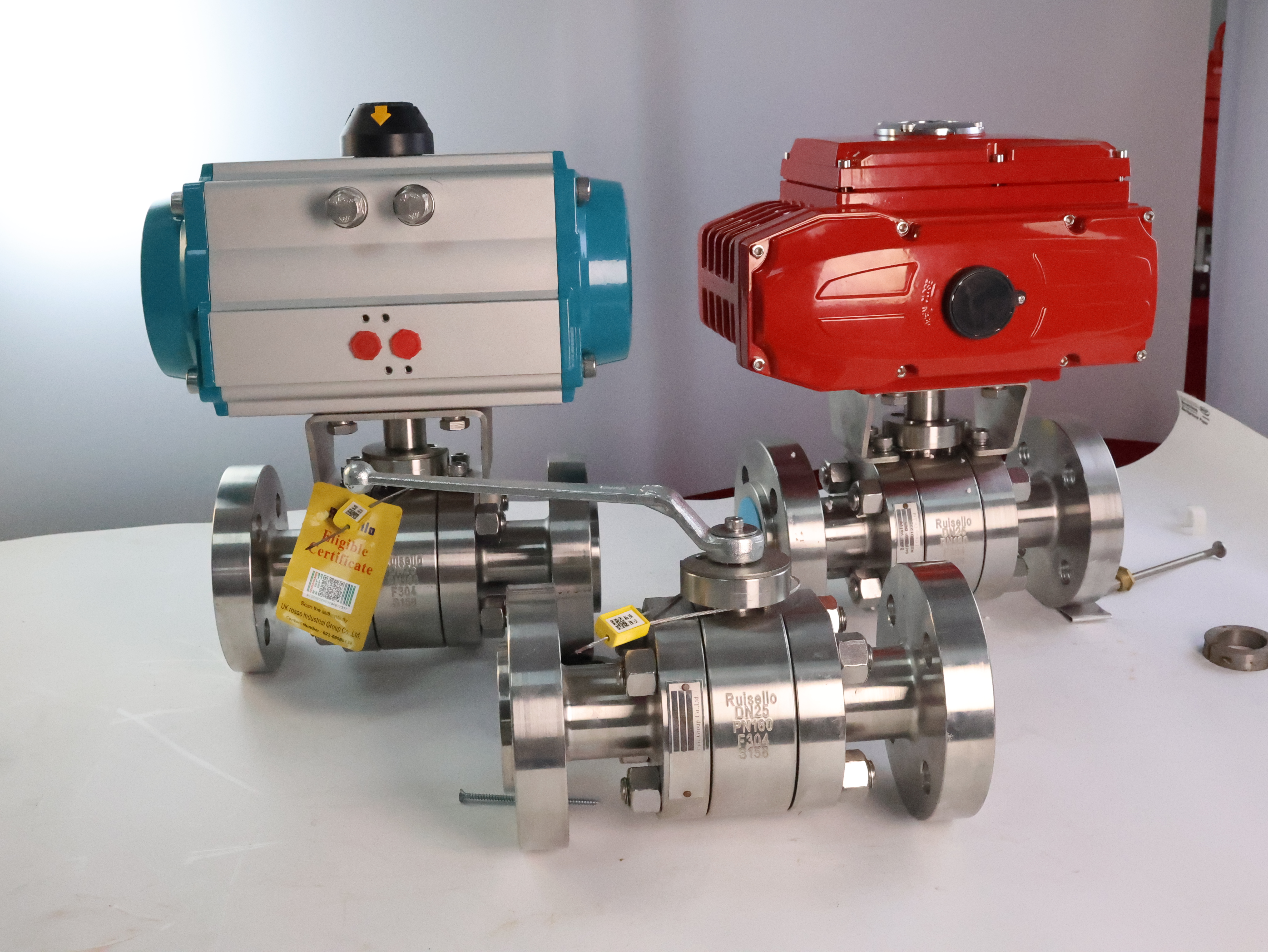
Understanding valve torque in industrial applications is fundamental to ensuring proper valve operation, preventing mechanical failures, and maintaining system efficiency across diverse industrial processes. Valve torque represents the rotational force required to operate a valve from one position to another, whether opening, closing, or modulating flow control. This critical parameter directly impacts valve selection, actuator sizing, and overall system reliability in industries ranging from oil and gas to chemical processing and power generation.
The complexity of valve torque calculations and applications extends beyond simple mechanical force considerations. Industrial valve torque requirements vary significantly based on valve type, size, operating pressure, temperature conditions, and the specific media being controlled. Engineers must comprehend these interdependencies to make informed decisions about valve specifications, actuator selection, and maintenance protocols that ensure long-term operational success.
Fundamentals of Valve Torque Mechanics
Basic Torque Principles in Valve Operation
Valve torque fundamentally represents the rotational force applied to a valve stem or actuator to overcome resistance during operation. This resistance stems from multiple sources including friction between moving components, fluid pressure acting against valve elements, and mechanical interference within the valve assembly. The magnitude of valve torque required depends on the valve's internal geometry, seal configurations, and the differential pressure across the valve during operation.
In quarter-turn valves such as ball valves and butterfly valves, valve torque requirements typically peak during the initial movement from the closed position and again during final seating. This characteristic occurs because static friction exceeds kinetic friction, and seal compression forces are highest at these operational extremes. Understanding this torque curve behavior is essential for proper actuator sizing and control system design in industrial applications.
Factors Influencing Torque Requirements
Several critical factors directly influence valve torque requirements in industrial settings. Fluid pressure represents perhaps the most significant variable, as higher system pressures generate greater forces acting against valve components. The relationship between pressure and valve torque is typically non-linear, with torque requirements increasing exponentially as pressure differentials across the valve increase during operation.
Temperature conditions also substantially affect valve torque characteristics. Elevated temperatures can reduce seal elasticity and alter metal expansion rates, potentially increasing friction and torque requirements. Conversely, extremely low temperatures may cause seal hardening and thermal contraction effects that can either increase or decrease torque demands depending on specific valve design and materials used.
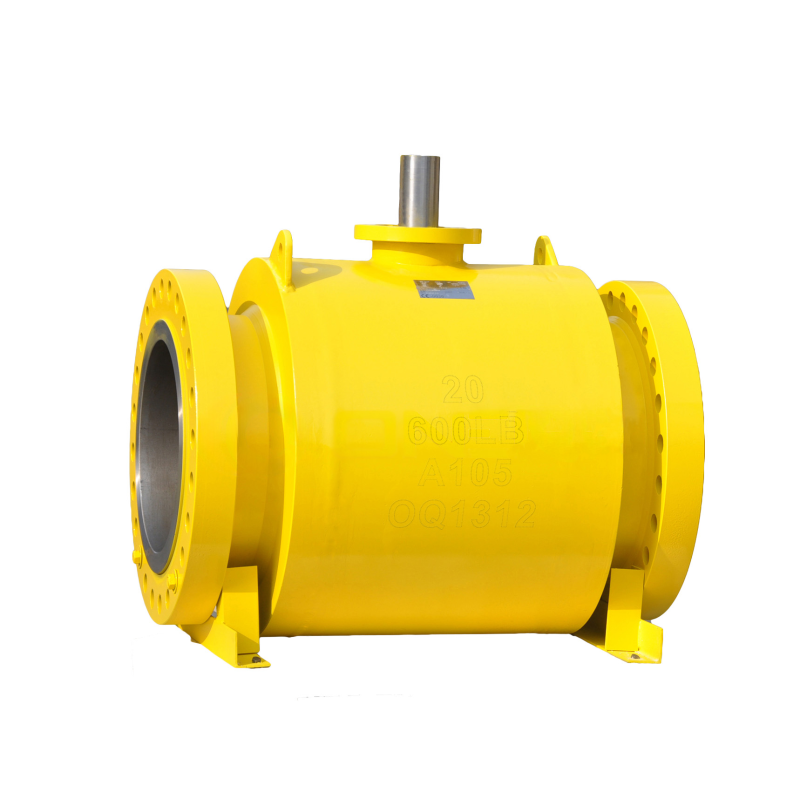
Valve size and design configuration significantly impact torque calculations. Larger valves generally require higher torque values due to increased surface areas exposed to fluid forces and larger seal interfaces. However, the relationship is not strictly proportional, as valve geometry optimization and advanced seal designs can substantially reduce torque requirements even in large-diameter applications.
Torque Calculation Methods and Standards
Industry Standard Calculation Approaches
Industrial valve torque calculations follow established methodologies outlined in standards such as API, ASME, and ISO specifications. These standards provide structured approaches for determining both operating torque and maximum torque requirements under various service conditions. The calculations typically account for stem friction, packing friction, bearing loads, and hydrodynamic forces acting on the valve element during operation.
Operating torque calculations focus on normal service conditions and represent the torque required for routine valve operation. This value determines the baseline actuator sizing requirements and influences control system specifications. Maximum torque calculations, however, account for worst-case scenarios including emergency shutoff conditions, maximum differential pressure situations, and potential system transients that could significantly increase torque demands.
Safety Factors and Design Margins
Professional engineering practice requires incorporating appropriate safety factors into valve torque calculations to account for uncertainties and ensure reliable operation throughout the valve's service life. These safety factors typically range from 1.5 to 3.0 times the calculated torque values, depending on application criticality, service conditions, and industry requirements.
The selection of appropriate safety factors for valve torque applications requires careful consideration of potential operating condition variations, aging effects on valve components, and the consequences of valve failure. Critical safety systems and emergency shutoff applications typically require higher safety factors compared to general process control applications.
Application-Specific Torque Considerations
Oil and Gas Industry Requirements
Oil and gas applications present unique valve torque challenges due to high-pressure operations, potentially corrosive media, and critical safety requirements. Pipeline applications often involve large-diameter valves operating under substantial pressure differentials, requiring careful torque analysis to ensure reliable emergency shutdown capability. The valve torque requirements in these applications must account for potential pressure surges, temperature variations, and long-term seal degradation effects.
Upstream oil and gas operations frequently encounter challenging conditions including sand-laden fluids, hydrogen sulfide exposure, and extreme temperature variations. These conditions can significantly impact valve torque characteristics over time, necessitating regular torque monitoring and maintenance protocols. Valve torque calculations for these applications often include additional margins to account for seal wear and internal component degradation.
Chemical Processing Applications
Chemical processing industries require precise valve torque considerations due to the diverse range of process fluids, temperatures, and pressures encountered. Corrosive chemicals can affect valve internal surfaces and sealing components, potentially altering torque characteristics over time. Additionally, crystallizing or polymerizing fluids may increase friction and torque requirements, particularly during infrequent valve operations.
Process control valves in chemical applications often require modulating operation rather than simple on-off service. This operational mode demands consistent valve torque characteristics across the full range of valve positions, requiring careful actuator selection and control system tuning. Understanding how valve torque varies with position and flow conditions is essential for maintaining precise process control.
Actuator Selection and Torque Matching
Manual vs. Automated Actuator Considerations
The selection between manual and automated valve actuation significantly influences torque requirements and operational capabilities. Manual valve operation typically limits practical valve torque to levels achievable by human operators, generally constraining applications to smaller valve sizes or lower-pressure services. Gear operators can multiply input torque but introduce speed limitations and require additional maintenance considerations.
Automated actuators including pneumatic, hydraulic, and electric types each present distinct torque characteristics and application advantages. Pneumatic actuators provide rapid response and fail-safe operation but may struggle with high valve torque requirements without significant air supply systems. Electric actuators offer precise control and variable torque output but require electrical power and sophisticated control systems for optimal performance.
Torque Output Matching Strategies
Proper matching of actuator torque output to valve torque requirements involves careful consideration of both steady-state and transient operating conditions. Actuators must provide sufficient torque margin to handle maximum calculated valve torque while avoiding excessive over-sizing that could lead to control instability or unnecessary capital costs. This balance requires detailed analysis of the complete torque versus position curve rather than simple peak torque comparisons.
Variable torque applications may benefit from actuators with adaptive torque control capabilities, allowing optimization of torque output based on actual operating conditions. These advanced systems can reduce actuator wear, improve control precision, and extend valve service life by avoiding excessive torque application during routine operations.
Maintenance and Monitoring Practices
Torque Trending and Diagnostic Techniques
Regular monitoring of valve torque characteristics provides valuable insights into valve condition and potential maintenance needs. Torque trending involves periodic measurement and recording of valve torque requirements under standardized conditions, allowing detection of gradual changes that may indicate internal wear, seal degradation, or fluid contamination effects. This predictive maintenance approach can prevent unexpected valve failures and optimize maintenance scheduling.
Advanced diagnostic techniques include torque signature analysis, which examines the detailed torque versus position curve to identify specific internal valve conditions. Changes in torque curve shape, peak values, or position-dependent variations can indicate specific component wear patterns, alignment issues, or internal damage. These diagnostic capabilities enable targeted maintenance interventions and component replacements before critical failures occur.
Calibration and Testing Protocols
Establishing comprehensive calibration and testing protocols ensures consistent valve torque performance throughout the valve's service life. These protocols should include initial commissioning torque verification, periodic operational torque measurements, and detailed torque testing during major maintenance intervals. Standardized test conditions and measurement procedures enable meaningful comparison of torque data over time.
Testing protocols must account for the influence of operating temperature, pressure, and fluid conditions on valve torque measurements. Room temperature testing may not accurately represent actual service torque requirements, particularly for high-temperature applications or services involving viscous fluids. Comprehensive testing programs often include both bench testing under controlled conditions and field measurements under actual operating conditions.
FAQ
What factors most significantly impact valve torque requirements in industrial applications?
The most significant factors affecting valve torque include system pressure and differential pressure across the valve, operating temperature, valve size and design, fluid properties, and seal configuration. Higher pressures generally increase torque requirements exponentially, while temperature affects seal characteristics and metal expansion. Valve design factors such as ball valve geometry, seat materials, and bearing configurations also substantially influence torque demands.
How do you calculate appropriate safety factors for valve torque applications?
Safety factors for valve torque typically range from 1.5 to 3.0 times calculated torque values, depending on application criticality and operating conditions. Critical safety systems require higher safety factors, while general process applications may use lower factors. Consider potential pressure surges, temperature variations, seal aging effects, and the consequences of valve failure when determining appropriate safety margins for specific applications.
Why does valve torque vary during the opening and closing cycle?
Valve torque varies during operation due to changing friction forces, pressure differentials, and seal compression effects. Quarter-turn valves typically show peak torque at initial movement from the closed position due to static friction and maximum seal compression. Torque may decrease during mid-stroke operation as kinetic friction is lower than static friction, then increase again during final seating as seals compress and alignment forces develop.
What maintenance practices help ensure consistent valve torque performance?
Effective maintenance practices include regular torque monitoring and trending, periodic lubrication of moving components, seal inspection and replacement, and comprehensive torque testing during maintenance intervals. Establish baseline torque measurements during commissioning and track changes over time to identify developing issues. Maintain proper actuator calibration and ensure control systems provide appropriate torque limits to prevent over-stressing valve components during operation.
Table of Contents
- Fundamentals of Valve Torque Mechanics
- Torque Calculation Methods and Standards
- Application-Specific Torque Considerations
- Actuator Selection and Torque Matching
- Maintenance and Monitoring Practices
-
FAQ
- What factors most significantly impact valve torque requirements in industrial applications?
- How do you calculate appropriate safety factors for valve torque applications?
- Why does valve torque vary during the opening and closing cycle?
- What maintenance practices help ensure consistent valve torque performance?