EN
EN

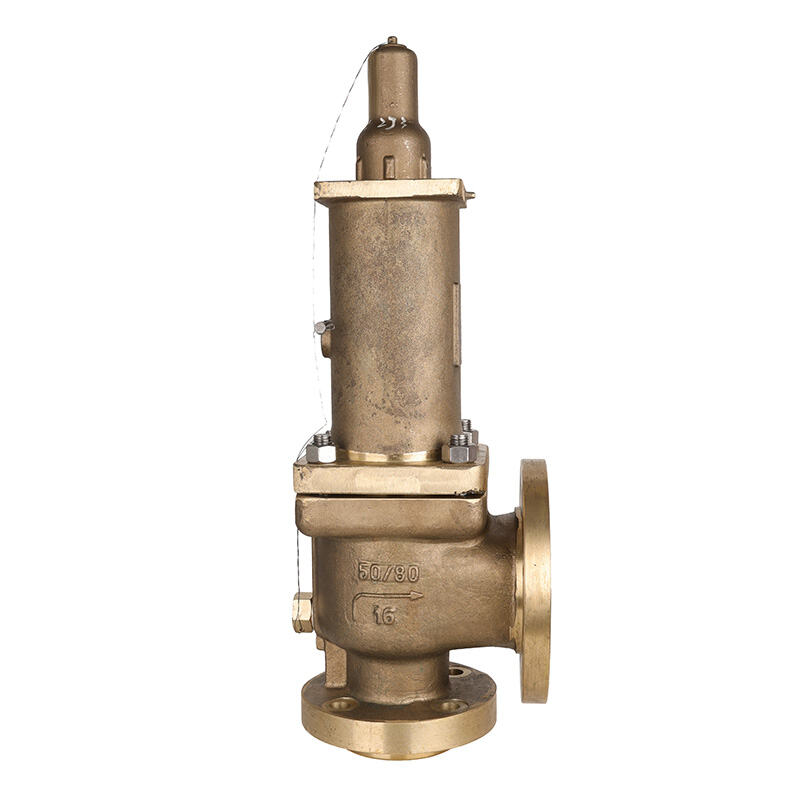
Reliable Pressure Protection in Seawater Environments
In marine engineering and offshore industrial systems, seawater corrosion is one of the most critical factors affecting equipment reliability. Pipelines, pumps, heat exchangers, and safety devices are continuously exposed to highly corrosive seawater environments. For systems operating under pressure, a dependable seawater safety valve is essential to maintain operational stability and ensure equipment safety.
Seawater typically contains around 35,000 ppm of chloride ions, which creates one of the most aggressive corrosion environments for industrial equipment. This high chloride concentration accelerates corrosion in conventional valve materials and significantly reduces equipment lifespan. When a safety valve fails due to corrosion, the consequences may include pressure control failure, system shutdowns, and expensive emergency maintenance.
For offshore platforms, shipyards, desalination plants, and coastal industrial facilities, selecting a corrosion resistant seawater safety valve is not only a technical decision but also a key factor for reducing long-term operational costs and improving system safety.
Understanding the Corrosion Challenge in Seawater Systems
Chloride Ion Corrosion in Marine Pipelines
Seawater is extremely aggressive for industrial equipment due to its high chloride content. Chloride ions accelerate electrochemical corrosion on metal surfaces, which can damage valve bodies, springs, and sealing surfaces. Standard carbon steel valves often experience severe corrosion within a short period when exposed to seawater.
Even conventional stainless steels such as 304 may suffer from pitting corrosion and chloride-induced stress corrosion cracking. These issues make it difficult for ordinary valves to maintain long-term sealing performance in marine environments.
A well-designed marine safety valve must therefore utilize materials specifically selected for chloride resistance. Without proper corrosion-resistant materials, even high-quality pressure relief devices may fail prematurely in seawater pipelines.
Operational Risks in Offshore and Coastal Facilities
In offshore platforms and coastal industrial plants, valve failure can cause significant operational risks. Corrosion damage may lead to incorrect pressure settings, leakage, or delayed valve response.
Unexpected shutdowns caused by valve corrosion can result in major economic losses. Offshore operations may experience costly downtime, while desalination plants and marine cooling systems can face severe maintenance disruptions.
For this reason, corrosion resistant safety valves designed specifically for marine systems are increasingly specified in modern engineering projects.
50×80 PN16 Seawater Safety Valve Design
Corrosion Resistant Material Options
The most important factor in designing a reliable seawater safety valve is material selection. Two materials widely used in marine applications are aluminum bronze and duplex stainless steel. Both materials provide strong corrosion resistance and excellent mechanical performance in seawater environments.
C95800 aluminum bronze is well known for its resistance to seawater erosion and biological fouling. It is widely used in marine cooling systems, ballast pipelines, and coastal industrial facilities.
2205 duplex stainless steel provides excellent resistance to chloride stress corrosion cracking. Its high strength and durability make it ideal for offshore platforms and seawater desalination plants where reliable long-term performance is required.
Structural Design for Marine Reliability
In addition to material selection, structural design plays a crucial role in ensuring valve reliability. Many marine safety valves use a closed bonnet structure to protect internal components from salt spray corrosion.
The valve seat and disc are precision machined to ensure accurate sealing performance. High-quality sealing surfaces help prevent leakage and maintain stable pressure control during operation.
Nickel alloy springs are often used in marine safety valves to maintain stable elasticity and long-term performance under demanding operating conditions.
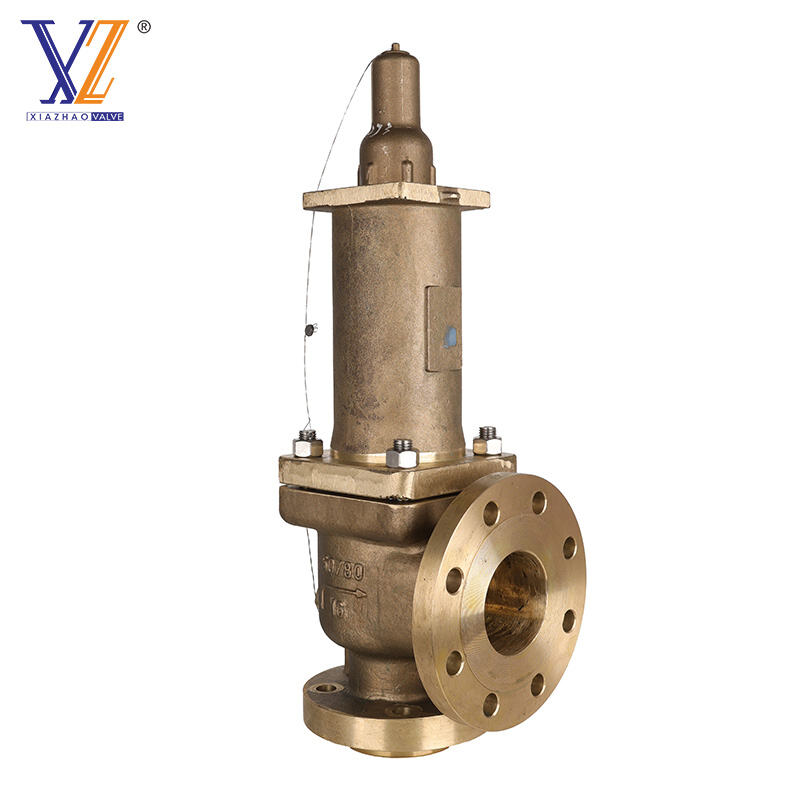
Material Performance for Marine Applications
C95800 Aluminum Bronze Safety Valve
Aluminum bronze is widely recognized as one of the most reliable materials for marine applications. It forms a natural protective oxide layer that improves corrosion resistance when exposed to seawater.
This material performs particularly well in seawater cooling systems and coastal industrial facilities where continuous seawater exposure occurs.
Another advantage of aluminum bronze safety valves is their strong resistance to seawater erosion, ensuring stable valve performance even under constant fluid flow conditions.
2205 Duplex Stainless Steel Safety Valve
Duplex stainless steel is another highly effective material used in corrosion resistant safety valves. The dual-phase microstructure of 2205 duplex stainless steel provides excellent mechanical strength and superior resistance to chloride corrosion.
Compared with traditional stainless steels, duplex materials provide much stronger resistance to stress corrosion cracking, making them suitable for offshore engineering systems.
Duplex stainless steel safety valves are commonly used in desalination plants, offshore oil platforms, and marine industrial facilities that require long-term reliability.
Real Application Performance in Marine Projects
Operational Data from Coastal Facilities
In practical marine applications, corrosion resistant seawater safety valves significantly outperform standard valves. Field data from coastal industrial installations shows that valves manufactured with aluminum bronze or duplex stainless steel provide much longer service life.
These valves maintain stable pressure performance and consistent sealing capability over extended operational periods.
Reliable pressure protection is particularly important in systems where seawater pipelines are connected to high-value equipment such as heat exchangers or compressors.
Maintenance and Cost Reduction Benefits
A major advantage of corrosion resistant safety valves is the reduction in maintenance frequency. Conventional valves often require frequent replacement due to corrosion damage in seawater pipelines.
Using a specialized seawater safety valve designed for marine environments can significantly reduce maintenance workload and improve operational efficiency.
For offshore installations and large industrial plants, reduced maintenance requirements also mean lower operational costs and improved system stability.
Why Choose Xiazhao Valve for Seawater Applications
Professional Manufacturing Capability
Shanghai Xiazhao Valve Co., Ltd. specializes in manufacturing high-quality safety valves for demanding industrial environments. The company focuses on producing reliable corrosion resistant safety valves suitable for marine and offshore systems.
Every seawater safety valve manufactured by Xiazhao Valve undergoes strict production control and detailed inspection before delivery to ensure consistent performance.
The manufacturing process follows recognized engineering standards to guarantee product reliability in real operating conditions.
Quality Control and Engineering Support
Quality assurance is a key principle in Xiazhao Valve’s production process. Each valve is carefully inspected to verify sealing performance, pressure accuracy, and structural reliability.
The company also provides engineering support to help customers select suitable valve materials and configurations based on specific operating environments.
This combination of manufacturing quality and technical support helps ensure that every marine safety valve performs reliably in long-term marine service.
Technical Cooperation and Engineering Support
Marine engineering systems often involve complex operating conditions including pressure fluctuations, corrosive media, and extreme environmental factors. Selecting the correct seawater safety valve requires careful evaluation of system requirements.
Engineering teams working in offshore platforms, desalination plants, and coastal facilities often require customized valve solutions to meet specific operating conditions.
Through technical cooperation and practical engineering design, reliable seawater safety valve solutions can significantly improve safety performance and system reliability.
For more information about corrosion resistant safety valves and marine applications, please visit www.ruisellovalve.com.
FAQ
What is a seawater safety valve used for
A seawater safety valve is designed to protect pressurized systems operating with seawater by automatically releasing excess pressure when system pressure exceeds the safe limit. It is widely used in marine pipelines, desalination plants, and offshore industrial facilities.
Why are corrosion resistant safety valves required in marine systems
Marine environments contain high levels of chloride ions which accelerate metal corrosion. Corrosion resistant safety valves use specialized materials such as aluminum bronze or duplex stainless steel to ensure reliable performance in seawater conditions.
What materials are commonly used for seawater safety valves
Common materials include aluminum bronze and duplex stainless steel. These materials provide excellent resistance to seawater corrosion and are widely used in marine engineering applications.
How long can a seawater safety valve last in marine environments
The lifespan depends on material selection and operating conditions. High-quality corrosion resistant seawater safety valves can operate for several years in marine systems when properly maintained.
Table of Contents
- Reliable Pressure Protection in Seawater Environments
- Understanding the Corrosion Challenge in Seawater Systems
- 50×80 PN16 Seawater Safety Valve Design
- Material Performance for Marine Applications
- Real Application Performance in Marine Projects
- Why Choose Xiazhao Valve for Seawater Applications
- Technical Cooperation and Engineering Support
- FAQ