EN
EN

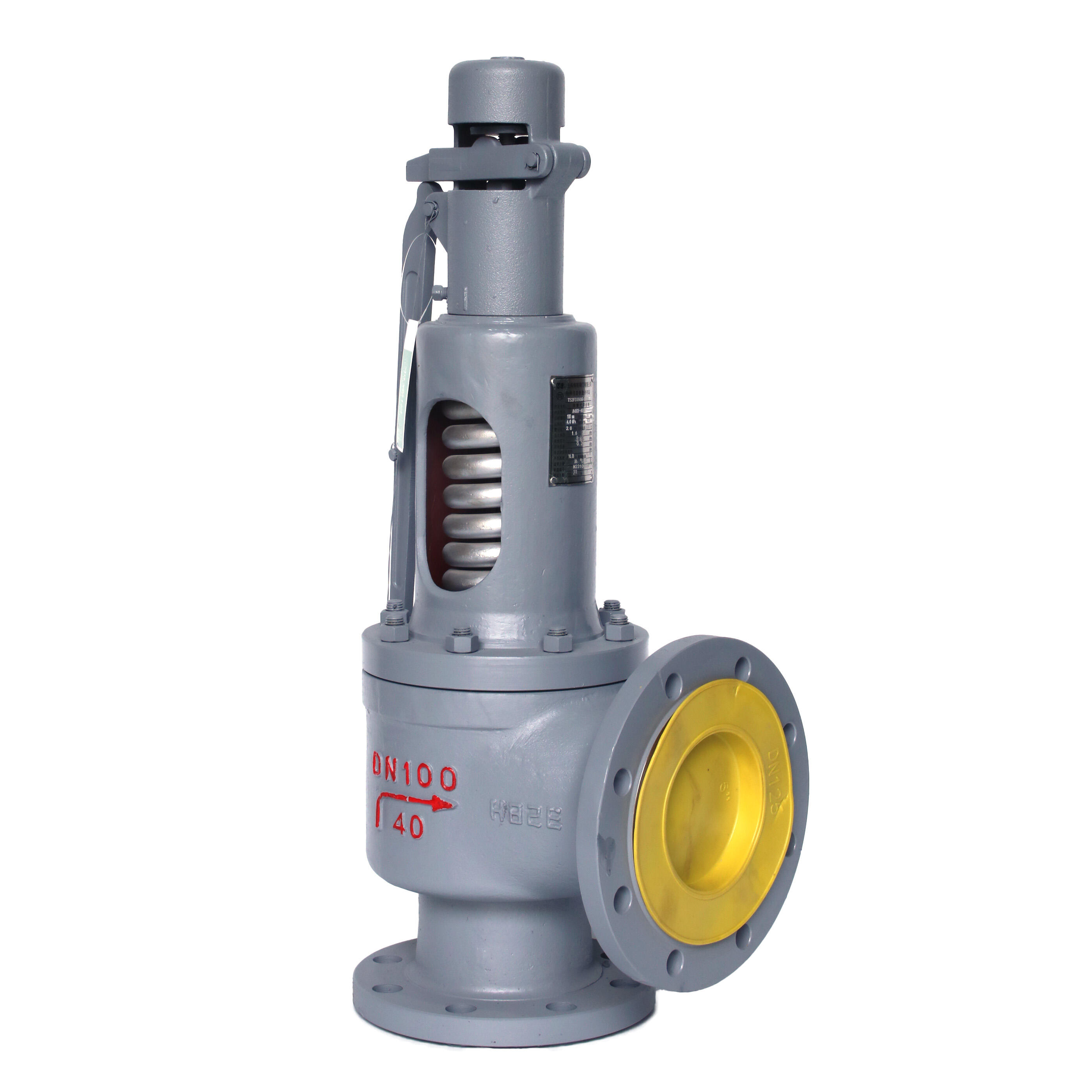
Industrial systems require robust pressure protection mechanisms to ensure operational safety and equipment longevity. Among the most critical safety components in process industries are pressure relief devices, with spring loaded relief valves standing as the gold standard for reliable overpressure protection. These essential safety instruments automatically discharge excess pressure when system conditions exceed predetermined limits, preventing catastrophic failures and protecting both personnel and equipment. Understanding the selection criteria for these valves is paramount for engineers and facility managers across petrochemical, oil and gas, power generation, and chemical processing industries.
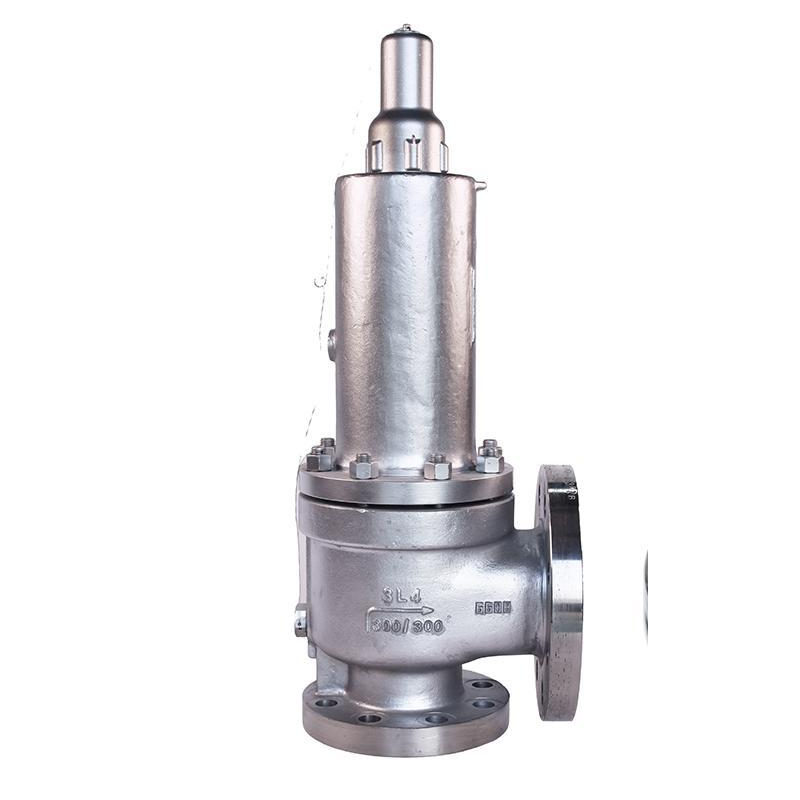
Understanding Spring Loaded Relief Valve Fundamentals
Operating Principles and Mechanisms
The fundamental operation of a spring loaded relief valve relies on the balance between system pressure and spring force. When inlet pressure exceeds the spring setting, the valve disc lifts, allowing fluid to discharge through the outlet. This mechanical action occurs automatically without external power or control systems, making these devices inherently reliable for emergency pressure relief applications. The spring mechanism provides consistent opening pressure across varying environmental conditions, ensuring predictable performance when protection is most critical.
The valve's response characteristics include opening pressure, blowdown, and simmer phenomena. Opening pressure represents the inlet static pressure at which the valve begins to discharge, typically set at or below the maximum allowable working pressure of the protected system. Blowdown refers to the pressure drop required for the valve to reseal after opening, usually expressed as a percentage of set pressure. Understanding these operational parameters is essential for proper valve selection and system integration.
Construction Materials and Design Standards
Material selection for spring loaded relief valves depends on process fluid compatibility, operating temperature ranges, and corrosion resistance requirements. Common body materials include carbon steel, stainless steel, and exotic alloys for specialized applications. The valve internals, including the disc, seat, and spring components, must withstand repeated cycling while maintaining tight shutoff and accurate set pressure performance. Design standards such as ASME Section VIII and API 526 provide guidelines for construction, testing, and performance requirements.
Temperature considerations significantly impact material selection and valve performance. High-temperature applications may require special trim materials and spring designs to maintain consistent operation. Conversely, cryogenic services demand materials with appropriate low-temperature properties to prevent brittle failure. The interaction between thermal expansion, material properties, and spring characteristics must be carefully evaluated during the selection process to ensure reliable long-term performance.
Sizing and Capacity Calculations
Flow Coefficient Determination
Accurate sizing of spring loaded relief valves requires comprehensive analysis of relieving scenarios and flow conditions. The required relieving capacity depends on various factors including heat input rates, blocked discharge scenarios, external fire exposure, and process upsets. Engineers must evaluate multiple credible overpressure scenarios to determine the maximum relieving requirement, which becomes the basis for valve sizing calculations. The analysis must consider both single contingency failures and combinations of events that could result in overpressure conditions.
Flow coefficient calculations involve complex thermodynamic relationships, particularly for gas and vapor services. The discharge capacity of a spring loaded relief valve depends on inlet pressure, molecular weight, compressibility factors, and discharge conditions. For liquid services, viscosity and specific gravity affect flow rates, while gas services require consideration of critical flow conditions and expansion factors. Proper sizing ensures adequate protection without excessive oversizing, which can lead to chattering and premature wear.
Pressure Drop and Backpressure Effects
Backpressure significantly influences spring loaded relief valve performance and must be carefully considered during selection. Built-up backpressure from discharge piping creates additional resistance that can affect opening pressure, capacity, and stability. Superimposed backpressure from other sources in the discharge system requires compensation in the spring setting to maintain desired opening characteristics. The total backpressure should not exceed manufacturer recommendations to ensure proper valve operation.
Inlet pressure loss from upstream piping also impacts valve performance, particularly during high-flow discharge conditions. Adequate inlet piping sizing prevents significant pressure drops that could reduce available relieving capacity. The combination of inlet losses and backpressure effects requires careful hydraulic analysis to verify that the selected valve can provide the required protection under all operating conditions. Dynamic effects during valve operation, including acoustic phenomena and flow instabilities, must also be evaluated for proper system design.
Application-Specific Selection Criteria
Service Classification and Fluid Properties
Different process applications impose unique requirements on spring loaded relief valve selection. Gas and vapor services require consideration of molecular weight, specific heat ratios, and compressibility effects. Liquid services involve viscosity, specific gravity, and potential flashing conditions that could affect discharge capacity. Two-phase flow situations demand specialized analysis methods to accurately predict valve performance and ensure adequate protection. The chemical compatibility between process fluids and valve materials is critical for long-term reliability and safety.
Corrosive environments require careful material selection to prevent degradation of valve components. Erosive services may necessitate hardened trim materials or special seat designs to maintain sealing integrity over extended service life. High-temperature applications affect both material properties and spring characteristics, potentially requiring temperature compensation or specialized designs. Understanding these service-specific requirements enables selection of appropriate valve configurations and materials for optimal performance.
Environmental and Installation Factors
Environmental conditions at the installation location significantly influence spring loaded relief valve selection and performance. Extreme ambient temperatures can affect spring properties and valve operation, requiring temperature-compensated designs or protective enclosures. Corrosive atmospheres may accelerate external component degradation, necessitating protective coatings or upgraded materials. Seismic considerations require evaluation of valve mounting and support systems to ensure continued operation during earthquake events.
Installation orientation and accessibility requirements impact valve selection and maintenance procedures. Vertical installations are typically preferred for optimal performance, but horizontal mounting may be necessary due to space constraints or piping arrangements. Access requirements for testing, maintenance, and adjustment must be considered during valve selection and system layout. The integration of lifting devices, test connections, and instrumentation requires coordination between valve suppliers and system designers to ensure proper functionality.
Performance Testing and Validation
Factory Testing Requirements
Comprehensive testing of spring loaded relief valves ensures performance compliance with design specifications and industry standards. Factory testing typically includes set pressure verification, seat leakage testing, and capacity certification. Set pressure testing confirms that the valve opens at the specified pressure within acceptable tolerance limits. Seat leakage testing verifies tight shutoff capability at pressures below the set point, ensuring minimal product loss during normal operation.
Capacity testing involves full-scale flow verification to confirm that the valve can discharge the required flow rate at design conditions. This testing may be performed with air, steam, or other suitable test media, with results corrected to actual service conditions. Special testing requirements may include low-temperature operation, cyclic testing for fatigue resistance, or extended duration testing for stability verification. Documentation of all test results provides confidence in valve performance and supports regulatory compliance requirements.
Field Installation and Commissioning
Proper installation and commissioning procedures are essential for optimal spring loaded relief valve performance. Installation must comply with manufacturer recommendations and applicable codes regarding piping support, valve orientation, and clearance requirements. Pre-installation inspection verifies that valve settings and materials match design specifications. Proper lifting and handling procedures prevent damage to precision components during installation activities.
Commissioning procedures include verification of set pressure under actual service conditions, confirmation of proper operation through functional testing, and documentation of baseline performance parameters. Initial leak testing ensures system integrity and proper valve sealing. Integration with plant safety systems and procedures includes training of operations and maintenance personnel on valve function, testing requirements, and emergency procedures. Proper commissioning establishes the foundation for reliable long-term operation and safety protection.
Maintenance and Lifecycle Considerations
Preventive Maintenance Programs
Effective maintenance programs are crucial for maintaining spring loaded relief valve reliability and performance over their operational lifetime. Regular inspection schedules should include visual examination of valve exteriors, verification of proper mounting and support, and checking for signs of leakage or corrosion. Periodic testing requirements, typically mandated by safety codes and regulations, verify continued accuracy of set pressure and proper valve operation. Testing frequencies depend on service severity, regulatory requirements, and plant safety policies.
Maintenance procedures must address both routine servicing and major overhauls. Routine maintenance includes cleaning, lubrication of accessible components, and minor adjustments to maintain proper operation. Major overhauls involve complete disassembly, inspection of all components, replacement of wear items, and recalibration of set pressure. Documentation of maintenance activities provides valuable data for optimizing maintenance intervals and identifying potential reliability issues before they compromise safety protection.
Performance Monitoring and Optimization
Continuous monitoring of spring loaded relief valve performance helps optimize maintenance schedules and identify potential issues before they affect safety protection. Performance indicators include set pressure drift, seat leakage rates, and response time characteristics. Advanced monitoring systems may incorporate pressure transmitters, acoustic emission sensors, or other diagnostic technologies to provide real-time valve condition information.
Data analysis from performance monitoring enables predictive maintenance approaches that optimize valve reliability while minimizing maintenance costs. Trending analysis can identify gradual degradation patterns that indicate the need for maintenance intervention. Correlation of performance data with process conditions helps optimize valve selection for similar applications and improve overall system reliability. Integration of valve performance data with plant asset management systems supports comprehensive maintenance planning and resource allocation decisions.
FAQ
What factors determine the required capacity of a spring loaded relief valve
The required capacity depends on the maximum credible overpressure scenario for the protected system. This analysis considers heat input rates, blocked discharge conditions, external fire exposure, process upsets, and equipment failures. Engineers must evaluate all potential overpressure sources and select the scenario requiring the highest relieving capacity. The calculation also considers fluid properties, operating conditions, and discharge system characteristics to determine the proper valve size and orifice area needed for adequate protection.
How does backpressure affect spring loaded relief valve performance
Backpressure from downstream piping and equipment affects both the opening pressure and discharge capacity of spring loaded relief valves. Built-up backpressure from piping resistance reduces effective discharge capacity and may cause valve instability. Superimposed backpressure from other pressure sources requires compensation in the spring setting to maintain proper opening characteristics. Total backpressure should not exceed manufacturer limits, typically 10% of set pressure for conventional valves or higher percentages for balanced designs.
What maintenance is required for spring loaded relief valves
Regular maintenance includes periodic testing to verify set pressure accuracy, visual inspection for external damage or corrosion, and checking for seat leakage. Testing intervals typically range from annually to every five years depending on service conditions and regulatory requirements. Major overhauls involve complete disassembly, component inspection, replacement of wear items, and recalibration. Proper documentation of all maintenance activities is essential for regulatory compliance and reliability optimization.
How do I select appropriate materials for spring loaded relief valve construction
Material selection depends on process fluid compatibility, operating temperature and pressure ranges, and environmental corrosion potential. Common body materials include carbon steel for general service, stainless steel for corrosive applications, and exotic alloys for severe conditions. Internal components require materials that maintain mechanical properties and corrosion resistance under operating conditions. Consideration must be given to thermal expansion effects, galvanic corrosion potential, and long-term material stability in the specific service environment.