EN
EN

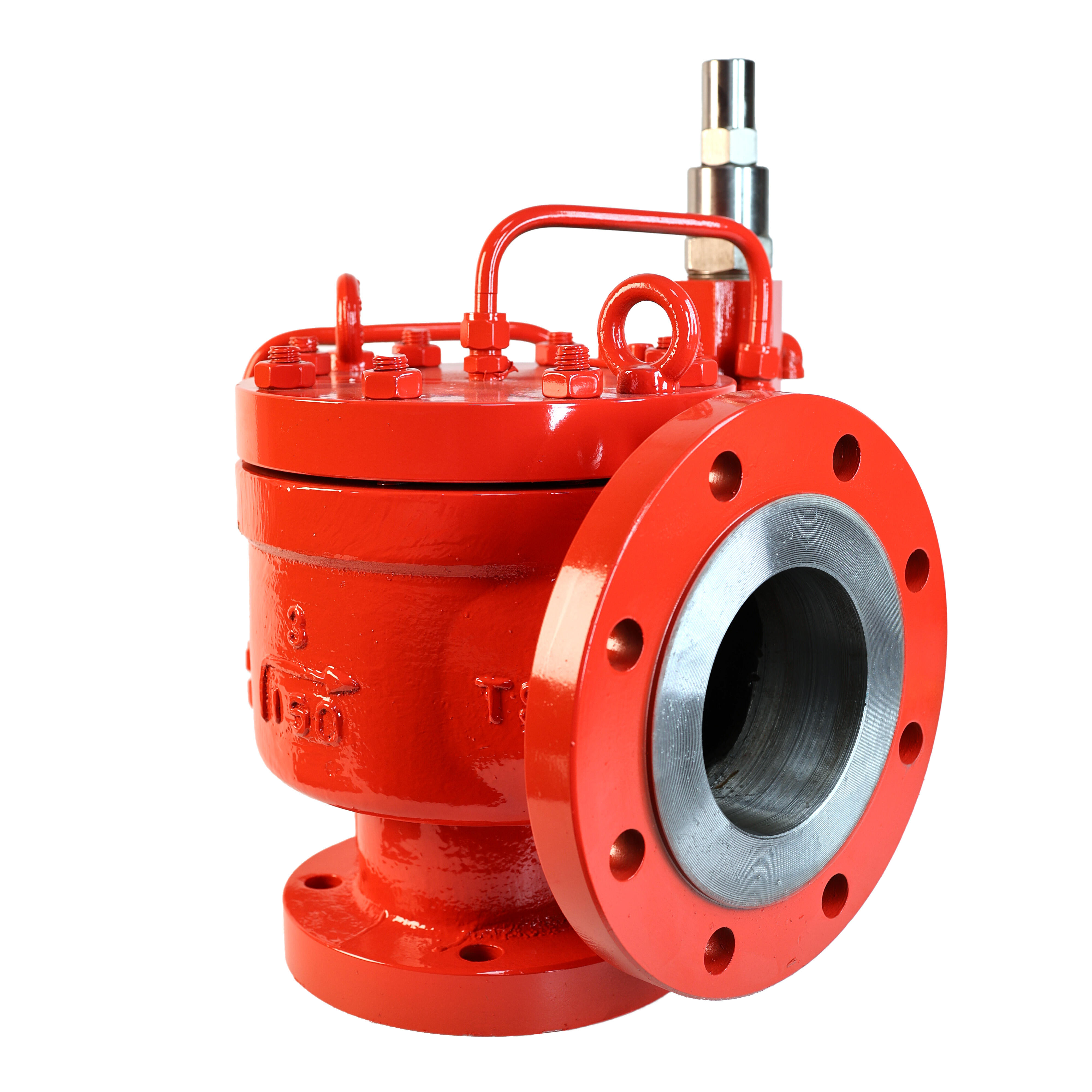
ASME Certified Safety Valves for Refrigeration and Ammonia Systems
Reliable Overpressure Protection for Industrial Refrigeration Operations
In industrial and commercial refrigeration systems, safety and pressure control are fundamental requirements rather than optional considerations. From cold storage facilities and HVAC chillers to ammonia refrigeration plants, refrigeration system overpressure protection plays a decisive role in maintaining stable operation and preventing costly incidents. An ASME certified safety valve is designed to serve as a critical safeguard, ensuring that excessive pressure is released accurately and consistently under defined conditions.
When refrigerants such as R22, R134a, or ammonia (NH₃) are involved, component selection becomes even more critical. Ammonia refrigeration safety valve solutions must withstand corrosive media, low temperatures, and strict regulatory oversight. By integrating ASME certified safety valves into refrigeration systems, engineers and plant operators gain a reliable foundation for compliance, long-term durability, and operational safety.
ASME Certification in Refrigeration Safety Valves
Engineering Standards and Compliance Assurance
ASME certification represents a globally recognized benchmark for pressure equipment safety. An ASME certified safety valve is manufactured and tested according to stringent standards that define opening pressure accuracy, discharge capacity, and repeatability. These requirements are particularly relevant in refrigeration system overpressure protection, where even minor deviations can result in equipment damage or refrigerant leakage.
In ammonia refrigeration environments, compliance is not merely a formality. Regulatory frameworks and industry standards often mandate the use of ASME certified components to ensure personnel safety and system integrity. By selecting an ASME certified safety valve, system designers can confidently integrate valves that align with international codes and inspection requirements.
Performance Reliability Under Operating Pressure
Consistent performance is a defining feature of ASME certified safety valves. Unlike non-certified alternatives, each valve undergoes calibrated testing to ensure it activates precisely at its designated pressure set point. This precision is essential for protecting compressors, pressure vessels, and pipelines within industrial refrigeration components.
For procurement teams, sourcing ASME certified safety valves reduces the risk of non-compliance and minimizes the potential for system redesign or rework. For engineers, it provides confidence that the selected valve will perform reliably throughout the system’s operational lifecycle.
Corrosion Resistance for Ammonia and Refrigerants
Material Selection for Harsh Refrigeration Media
Ammonia and other refrigerants introduce unique challenges related to corrosion and material degradation. A corrosion-resistant safety valve is essential to maintain long-term sealing performance and structural integrity. The valve body material must resist chemical interaction while maintaining mechanical strength under pressure.
H59-1 brass bodies, combined with optional nickel plating, provide enhanced resistance against refrigerant exposure. This material selection supports extended service life in ammonia refrigeration safety valve applications and reduces the frequency of maintenance interventions.
Seal Design for NH3 Safety Valve Applications
Seal materials play a critical role in preventing leaks within refrigeration systems. Standard refrigeration applications often utilize Viton B seals, which offer reliable elasticity and chemical resistance. However, NH3 safety valve applications require additional consideration due to ammonia’s aggressive properties.
PTFE seals are commonly selected for ammonia refrigeration safety valves because of their excellent chemical resistance and stability across a wide temperature range. This seal configuration ensures a tight, leak-free interface and supports compliance with safety regulations governing ammonia systems.
Flexible Configuration for Refrigeration Systems
Adjustable Pressure Settings for Overpressure Protection
Refrigeration systems vary significantly in operating pressure depending on refrigerant type, system size, and application. ASME certified safety valves designed with customizable pressure settings allow precise alignment with system requirements. Typical adjustable ranges span from 1.05 to 320 kgf/cm², accommodating both low-pressure and high-pressure refrigeration system overpressure protection needs.
This flexibility enables engineers to specify safety valves that match exact operating parameters without compromising safety margins. Accurate pressure settings also help prevent nuisance releases, which can lead to refrigerant loss and operational disruptions.
Port Sizes and Installation Compatibility
Installation compatibility is another critical consideration in industrial refrigeration components. Safety valves are commonly available in standard port sizes ranging from 1/2″ to 1″ NPT or FPT, ensuring compatibility with most piping systems. For specialized installations, custom metric or imperial adapters can be provided to meet unique layout requirements.
This modular approach simplifies installation, reduces downtime, and allows safety valves to be seamlessly integrated into both new systems and retrofit projects.
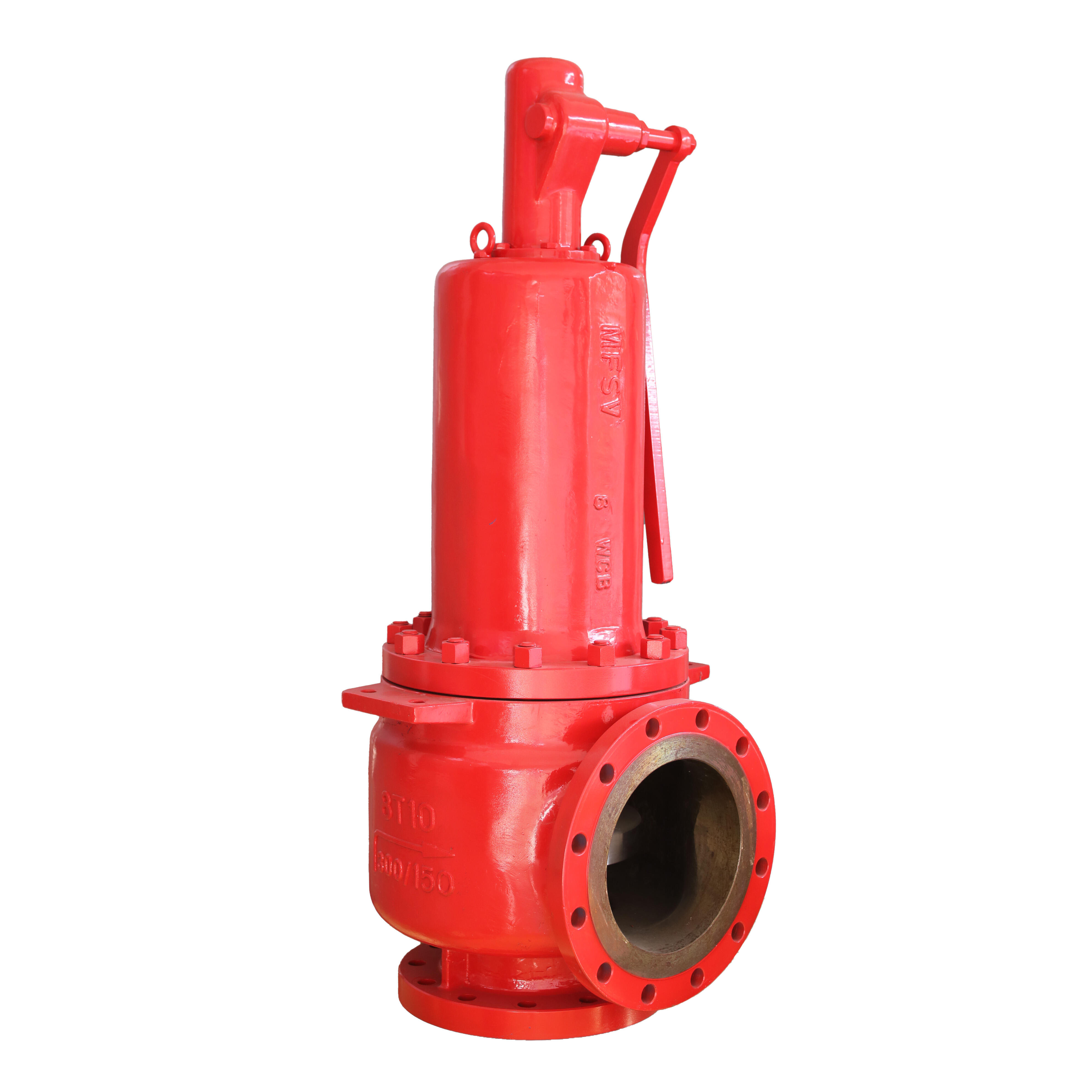
Performance in Low-Temperature Environments
Low-Temperature Safety Valve Design Considerations
Low-temperature refrigeration applications introduce mechanical challenges that standard valves may not withstand. A low-temperature safety valve must maintain consistent performance in environments where temperatures can reach as low as -40°C. Material contraction, spring fatigue, and sealing degradation are common risks in such conditions.
Specially treated 304 stainless steel springs are often used to maintain elasticity and accuracy under extreme cold. This design approach ensures that the ASME certified safety valve continues to function reliably even in demanding low-temperature refrigeration environments.
Anti-Freezing Structures for Cold Storage Applications
Icing and frost formation can compromise valve performance if not properly addressed. Anti-freezing disc structures are engineered to prevent ice buildup around critical moving components. This feature is especially important for ammonia refrigeration safety valve installations in cold storage facilities and freezing units.
By minimizing the risk of blockage or delayed activation, anti-freezing designs enhance overall refrigeration system overpressure protection and reduce the likelihood of operational interruptions.
Applications in Industrial Refrigeration Components
Industrial and Commercial Refrigeration Systems
ASME certified safety valves are widely used in industrial and commercial refrigeration systems, including cold rooms, food processing facilities, and process cooling installations. In these applications, the valve provides continuous protection against unexpected pressure surges, safeguarding compressors, condensers, and receivers.
Reliable overpressure protection contributes to consistent system performance and supports long-term operational stability across a wide range of industrial refrigeration components.
Ammonia Refrigeration Plants and Pressure Vessels
Ammonia refrigeration plants demand specialized safety solutions due to the toxic and corrosive nature of NH₃. An ammonia refrigeration safety valve equipped with PTFE seals and a fully enclosed structure minimizes leakage risk and enhances personnel safety.
In pressure vessels and compressor discharge lines, the NH3 safety valve acts as a critical protective device, releasing excess pressure before structural limits are exceeded. This function is essential for maintaining compliance and protecting high-value equipment.
Manufacturing Quality and Service Commitment
Quality Control and Production Standards
Shanghai Xiazhao Valve Co., Ltd. is committed to delivering high-quality ASME certified safety valves for refrigeration and ammonia systems. Every valve undergoes a 100% pre-delivery inspection to verify performance, sealing integrity, and pressure accuracy. This rigorous quality control process ensures that each corrosion-resistant safety valve meets demanding industrial requirements.
Operating under an ISO9001 quality management system, the company maintains consistent manufacturing standards and traceable production processes across all industrial refrigeration components.
Technical Support and Custom Solutions
Beyond product quality, technical support is a critical factor in component selection. Custom pressure settings, port configurations, and seal materials are available to match specific system requirements. Engineering teams benefit from expert guidance during valve selection and installation, reducing the risk of improper specification.
This service-oriented approach supports procurement efficiency while ensuring that each ASME certified safety valve delivers optimal performance within its intended application.
FAQ
What is an ASME certified safety valve used for in refrigeration systems
An ASME certified safety valve is used to provide reliable refrigeration system overpressure protection by releasing excess pressure when operating limits are exceeded. It helps prevent equipment damage, refrigerant leakage, and safety hazards in industrial and commercial refrigeration systems.
Why is a dedicated ammonia refrigeration safety valve necessary
Ammonia refrigeration safety valves are specifically designed to handle the corrosive and toxic nature of NH₃. Features such as PTFE seals and corrosion-resistant materials ensure safe operation and compliance in ammonia refrigeration environments.
Can ASME certified safety valves operate at low temperatures
Yes, low-temperature safety valve designs incorporate treated stainless steel springs and anti-freezing structures to maintain accuracy and reliability at temperatures as low as -40°C, making them suitable for cold storage and freezing applications.
How do I select the right safety valve for refrigeration system overpressure protection
Selection should consider refrigerant type, operating pressure, temperature range, and installation requirements. Consulting with experienced manufacturers such as Shanghai Xiazhao Valve Co., Ltd. helps ensure that the selected ASME certified safety valve aligns with system specifications and regulatory standards.
Table of Contents
- ASME Certified Safety Valves for Refrigeration and Ammonia Systems
- Reliable Overpressure Protection for Industrial Refrigeration Operations
- ASME Certification in Refrigeration Safety Valves
- Corrosion Resistance for Ammonia and Refrigerants
- Flexible Configuration for Refrigeration Systems
- Performance in Low-Temperature Environments
- Applications in Industrial Refrigeration Components
- Manufacturing Quality and Service Commitment
- FAQ