EN
EN

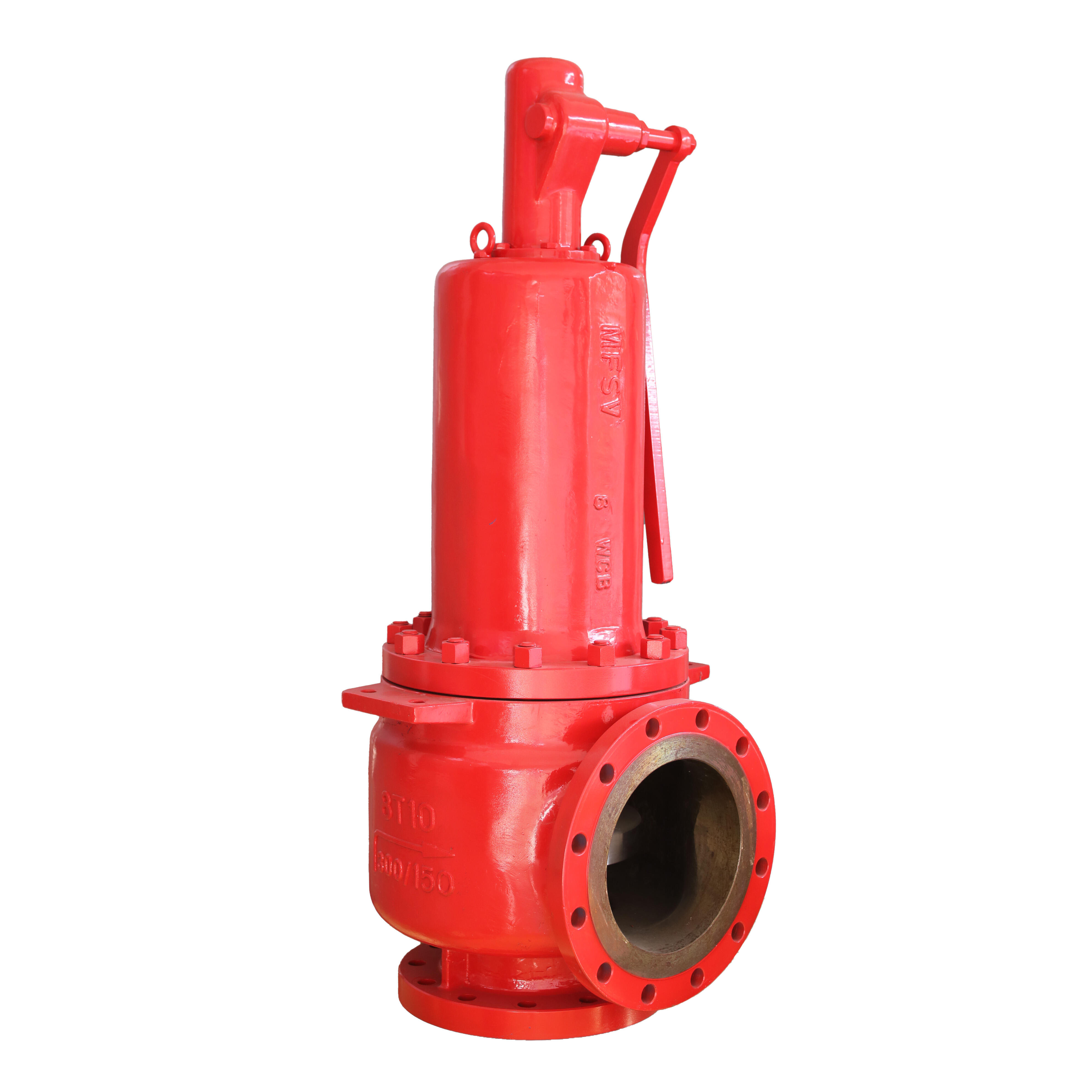
In industrial operations worldwide, the importance of reliable valve systems cannot be overstated. These critical components serve as the backbone of fluid control systems, ensuring operational efficiency while protecting equipment and personnel from potentially hazardous conditions. The evaluation of valve durability has become increasingly crucial as industries face mounting pressure to reduce maintenance costs, extend equipment lifecycles, and maintain stringent safety standards across their operations.
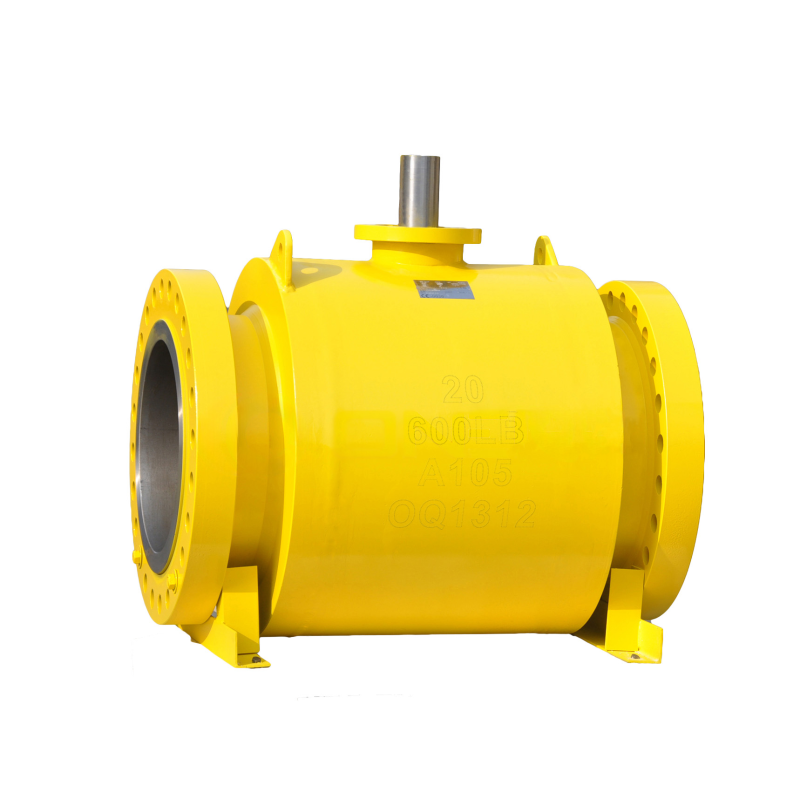
The value proposition of durable valves extends far beyond their initial purchase price. When properly selected and installed, high-quality valve systems deliver substantial return on investment through reduced downtime, lower maintenance requirements, and enhanced system reliability. Modern industrial facilities recognize that valve durability directly correlates with operational continuity, making the evaluation process a critical component of strategic asset management.
Understanding the multifaceted benefits of durable valve technology requires a comprehensive examination of performance metrics, material science, and long-term operational considerations. This evaluation encompasses everything from initial design specifications to real-world performance under extreme operating conditions, providing facility managers with the insights needed to make informed procurement decisions.
Material Engineering and Durability Factors
Advanced Metallurgy in Valve Construction
The foundation of valve durability lies in sophisticated material engineering that addresses the specific challenges of industrial applications. Modern valve manufacturers employ advanced metallurgical techniques to create components that withstand corrosive environments, extreme temperatures, and high-pressure conditions. These materials undergo rigorous testing protocols to ensure they meet or exceed industry standards for strength, corrosion resistance, and fatigue life.
Stainless steel alloys, duplex materials, and specialized coatings represent significant advances in valve durability. These materials demonstrate superior performance characteristics compared to traditional options, offering enhanced resistance to chemical attack, thermal cycling, and mechanical wear. The selection of appropriate materials based on specific application requirements ensures optimal performance throughout the valve's operational lifecycle.
Quality control processes during manufacturing play an equally important role in determining long-term durability. Advanced inspection techniques, including non-destructive testing and precision measurement systems, verify that each component meets exact specifications. This attention to detail during production translates directly into improved field performance and extended service intervals.
Precision Manufacturing Techniques
Modern valve manufacturing employs computer-controlled machining processes that achieve tolerances previously impossible with conventional methods. These precision manufacturing techniques ensure proper fit and finish of all internal components, reducing wear patterns and extending operational life. The integration of advanced manufacturing technologies results in valves that maintain their performance characteristics even under demanding operating conditions.
Surface finishing processes contribute significantly to valve durability by reducing friction points and improving sealing effectiveness. Specialized treatments such as hard chrome plating, ceramic coatings, and diamond-like carbon films enhance wear resistance while maintaining the precise dimensional requirements necessary for optimal performance.
Assembly procedures utilizing torque-controlled fastening systems and clean room environments ensure that manufacturing quality translates into field reliability. These controlled assembly processes minimize the potential for contamination or improper installation that could compromise long-term performance.
Operational Benefits and Performance Metrics
Enhanced System Reliability
Durable valve systems contribute to overall plant reliability by reducing the frequency of unplanned shutdowns and emergency repairs. Statistical analysis of valve failure patterns demonstrates that high-quality components experience significantly fewer catastrophic failures, allowing operations teams to implement predictive maintenance strategies rather than reactive repair protocols.
The reliability benefits extend to safety valves and other critical protection devices that must function flawlessly when called upon. These components often remain dormant for extended periods before being required to operate, making durability and reliability paramount concerns. Regular testing and maintenance of these systems becomes more manageable when the underlying components are built to withstand long-term storage and immediate activation.
System integration benefits become apparent when durable valves maintain consistent performance characteristics over time. This consistency enables more accurate process control and reduces the variability that can impact product quality or operational efficiency. The cumulative effect of reliable valve performance throughout a facility creates measurable improvements in overall system effectiveness.
Cost-Effectiveness Analysis
The economic advantages of durable valve systems become evident through comprehensive lifecycle cost analysis. While initial procurement costs may be higher for premium valve products, the total cost of ownership typically favors durable designs due to reduced maintenance expenses, extended replacement intervals, and improved operational efficiency.
Labor costs associated with valve maintenance and replacement represent a significant portion of total ownership expenses. Durable valve designs require fewer service interventions, reducing both direct labor costs and the indirect costs associated with production disruptions. These savings compound over time, creating substantial value for facility operators.
Energy efficiency improvements associated with properly functioning valve systems contribute additional cost savings. Valves that maintain their sealing integrity and flow characteristics over extended periods reduce system energy consumption while improving overall process efficiency. These operational benefits translate directly into measurable cost reductions.
Application-Specific Considerations
High-Temperature Environments
Industrial processes operating at elevated temperatures present unique challenges for valve durability. Thermal expansion, material degradation, and seal integrity issues become critical factors in valve selection and performance evaluation. Advanced valve designs incorporate features specifically engineered to address these thermal challenges while maintaining operational reliability.
Specialized sealing technologies and thermal barrier designs enable modern valves to operate effectively in high-temperature applications where conventional designs would fail. These innovations extend the operational envelope for valve applications, allowing their use in processes previously requiring frequent replacement or extensive cooling systems.
Material selection for high-temperature applications requires careful consideration of thermal cycling effects, oxidation resistance, and mechanical properties at elevated temperatures. Advanced alloys and ceramic materials provide solutions for the most demanding thermal environments while maintaining the durability characteristics essential for long-term operation.
Corrosive Media Handling
Chemical processing industries require valve systems capable of handling aggressive media without compromising performance or safety. Corrosion-resistant materials and specialized surface treatments enable valves to maintain their integrity when exposed to acids, caustics, and other challenging chemicals.
The interaction between different materials in valve construction requires careful consideration to prevent galvanic corrosion and other compatibility issues. Advanced material combinations and isolation techniques ensure long-term compatibility even in the most aggressive chemical environments.
Regular inspection and monitoring protocols for valves handling corrosive media help identify potential issues before they compromise system integrity. Durable valve designs facilitate these inspection procedures while providing clear indicators of component condition and remaining service life.
Maintenance Optimization Strategies
Predictive Maintenance Integration
Modern maintenance strategies rely on predictive technologies to optimize component lifecycles and minimize unplanned downtime. Durable valve designs facilitate the integration of monitoring systems that provide real-time performance data and early warning indicators of potential issues.
Vibration analysis, temperature monitoring, and performance trending systems work most effectively with valve designs that provide consistent baseline performance characteristics. This consistency enables maintenance teams to identify subtle changes that may indicate developing problems, allowing for planned maintenance activities rather than emergency repairs.
The data collected from monitoring systems on durable valves contributes to broader asset management strategies, enabling facilities to optimize their entire valve population based on actual performance data rather than generic maintenance schedules.
Service Interval Optimization
Durable valve designs enable extended service intervals without compromising safety or performance. This extension reduces the frequency of maintenance interventions while maintaining system reliability. Careful documentation of service intervals and performance characteristics helps establish optimal maintenance schedules for specific applications.
Component wear patterns in durable valves tend to be more predictable, allowing maintenance teams to plan service activities more effectively. This predictability reduces the need for emergency repairs and enables better scheduling of maintenance resources.
The availability of replacement parts and service support for durable valve systems contributes to their overall value proposition. Manufacturers of high-quality valves typically provide comprehensive support programs that ensure parts availability and technical assistance throughout the product lifecycle.
Technology Integration and Future Developments
Smart Valve Technologies
The integration of digital technologies with durable valve designs creates opportunities for enhanced performance monitoring and control. Smart valve systems provide real-time operational data while maintaining the robust construction characteristics necessary for industrial applications.
Sensor integration and wireless communication capabilities enable remote monitoring and control of valve systems without compromising their mechanical integrity. These technologies enhance the value proposition of durable valves by providing operational insights previously unavailable to facility operators.
Advanced diagnostics capabilities built into modern valve designs help identify optimization opportunities and predict maintenance requirements. This integration of mechanical durability with digital intelligence represents the future direction of industrial valve technology.
Sustainability and Environmental Impact
Environmental considerations increasingly influence valve selection decisions, with durable designs offering significant advantages in terms of resource conservation and waste reduction. Extended service life translates directly into reduced material consumption and lower environmental impact over the product lifecycle.
Energy efficiency benefits associated with properly functioning safety valves and other critical components contribute to overall facility sustainability goals. These efficiency improvements reduce operational energy consumption while maintaining safety and performance standards.
Recyclability and end-of-life considerations for durable valve materials support circular economy principles. High-quality materials used in durable valve construction retain value even after extended service life, enabling recycling and reuse programs that minimize environmental impact.
FAQ
What factors determine valve durability in industrial applications
Valve durability depends on several critical factors including material selection, manufacturing precision, design engineering, and application-specific considerations. High-quality materials such as advanced alloys and specialized coatings provide resistance to corrosion, wear, and thermal cycling. Precision manufacturing ensures proper component fit and reduces wear patterns, while thoughtful design engineering addresses specific operational challenges such as pressure fluctuations, temperature extremes, and chemical compatibility.
How do durable valves contribute to operational cost savings
Durable valves generate cost savings through multiple mechanisms including reduced maintenance frequency, extended replacement intervals, improved energy efficiency, and decreased unplanned downtime. While initial purchase costs may be higher, the total lifecycle cost typically favors durable designs due to lower ongoing operational expenses. The cumulative effect of reliable valve performance throughout a facility creates measurable improvements in overall operational efficiency and cost-effectiveness.
What maintenance strategies work best with durable valve systems
Predictive maintenance strategies work most effectively with durable valve systems because these components provide consistent baseline performance characteristics that enable accurate trend analysis. Condition monitoring technologies such as vibration analysis, temperature measurement, and performance trending help identify potential issues before they result in failures. Extended service intervals possible with durable designs allow for better maintenance planning and resource allocation while maintaining safety and reliability standards.
How do environmental conditions affect valve durability requirements
Environmental conditions significantly influence durability requirements, with factors such as temperature extremes, corrosive atmospheres, and pressure cycling affecting material selection and design specifications. High-temperature environments require specialized alloys and thermal barrier technologies, while corrosive conditions necessitate resistant materials and protective coatings. Proper evaluation of environmental conditions ensures selection of valve designs optimized for specific operating conditions, maximizing durability and performance in challenging applications.