EN
EN

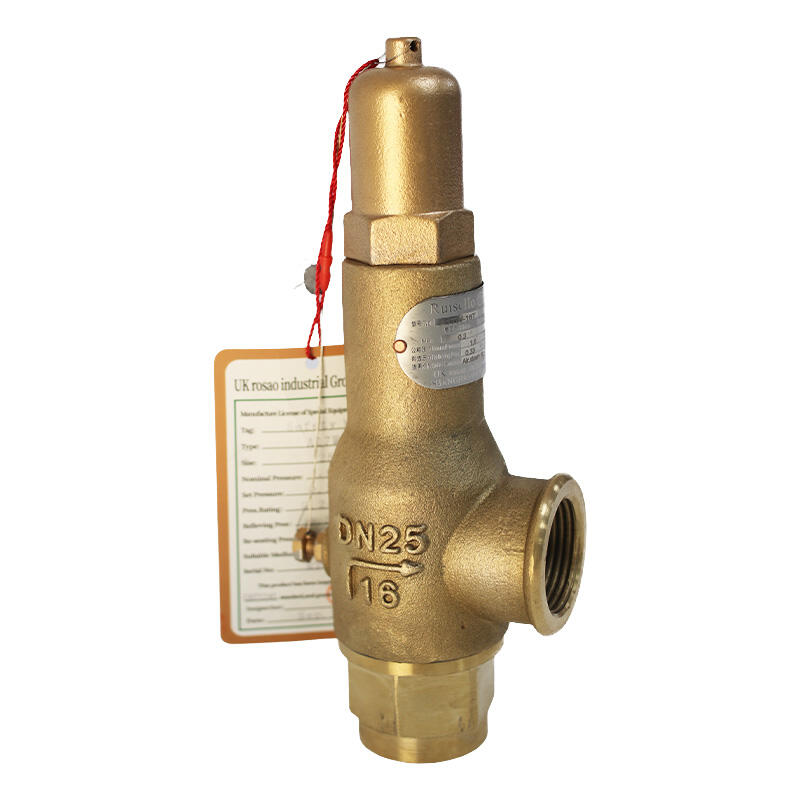
The selection of appropriate safety valves in industrial applications is critical for maintaining operational integrity and protecting equipment from overpressure conditions. Among the various types of pressure relief systems, the spring loaded relief valve stands out as one of the most widely implemented solutions across diverse industries. Understanding the fundamental differences between balanced and conventional spring valve designs can significantly impact system performance, reliability, and overall operational costs.
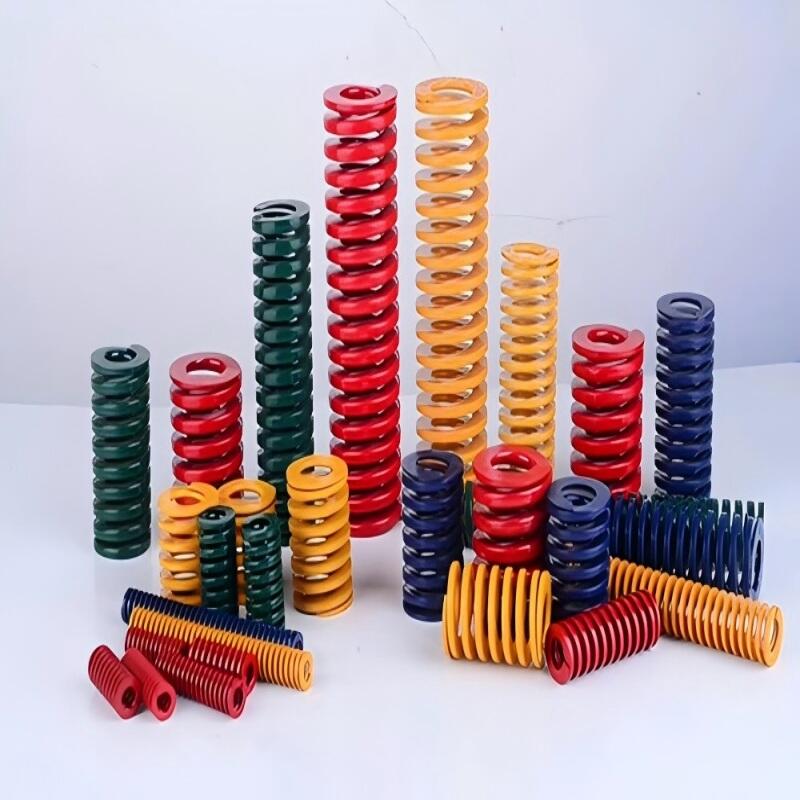
Modern industrial facilities require precise pressure management systems that can respond effectively to varying operational conditions. The choice between balanced and conventional spring valve configurations affects not only safety parameters but also maintenance requirements and long-term operational efficiency. Engineers and facility managers must carefully evaluate these design variations to ensure optimal system performance and regulatory compliance.
Fundamental Design Principles
Conventional Spring Valve Architecture
Conventional spring valves represent the traditional approach to pressure relief, featuring a relatively straightforward design that has served industrial applications for decades. The basic configuration consists of a valve disc held against the seat by spring force, with the system pressure acting on the entire disc area. When inlet pressure exceeds the spring force setting, the valve opens to relieve excess pressure and protect downstream equipment.
The operational characteristics of conventional designs are influenced by backpressure conditions, which can affect the valve's opening and closing behavior. As backpressure increases, the effective pressure differential across the valve decreases, potentially impacting relief capacity and set pressure accuracy. This inherent characteristic requires careful consideration during system design and sizing calculations.
Manufacturing costs for conventional spring loaded relief valve units are typically lower due to their simpler construction and fewer precision-machined components. The straightforward design also translates to easier maintenance procedures and wider availability of replacement parts, making them attractive for applications where initial cost and maintenance simplicity are primary concerns.
Balanced Valve Design Innovation
Balanced spring valves incorporate sophisticated design elements that minimize the effects of backpressure on valve performance. The key innovation lies in the inclusion of a bellows or balancing mechanism that isolates the valve disc from backpressure influences. This design feature ensures consistent opening characteristics regardless of downstream pressure variations.
The bellows assembly in balanced designs serves multiple functions beyond backpressure compensation. It provides environmental isolation for critical valve components, protecting against corrosive atmospheres and contamination that could compromise long-term reliability. The sealed environment created by the bellows also prevents process fluid migration into the spring housing area.
Advanced balanced designs often incorporate additional features such as improved seat configurations, enhanced spring arrangements, and optimized flow passages. These refinements contribute to superior performance characteristics but require more sophisticated manufacturing processes and quality control measures during production.
Performance Characteristics Analysis
Pressure Response and Accuracy
The pressure response characteristics of balanced and conventional spring valves differ significantly under varying operating conditions. Conventional designs experience set pressure variations when subjected to changing backpressure conditions, with typical variations ranging from 5% to 10% of set pressure depending on the backpressure ratio. This variation can be problematic in applications requiring precise pressure control or where system pressures operate close to relief valve set points.
Balanced valve configurations maintain consistent set pressure accuracy regardless of backpressure variations, typically achieving accuracy within 2% to 3% of the nominal set point. This enhanced accuracy is particularly valuable in applications involving toxic or hazardous materials where precise pressure control is essential for safety and environmental protection.
The opening and closing behavior of spring loaded relief valve systems also varies between design types. Conventional valves may exhibit different pop action characteristics under varying backpressure conditions, while balanced designs provide consistent opening behavior that enhances process predictability and safety system reliability.
Flow Capacity and Efficiency
Flow capacity considerations represent another critical performance differentiator between balanced and conventional spring valve designs. Conventional valves may experience reduced effective flow area when operating against significant backpressure, potentially compromising their ability to provide adequate overpressure protection. The relationship between backpressure and flow capacity must be carefully evaluated during sizing calculations.
Balanced designs maintain more consistent flow characteristics across varying backpressure conditions, ensuring reliable capacity delivery throughout the expected operating range. This consistency is particularly important in applications where system pressure conditions fluctuate during normal operation or where emergency relief scenarios may involve varying downstream conditions.
The coefficient of discharge for balanced valves typically remains more stable across different operating conditions, simplifying sizing calculations and providing greater confidence in relief capacity predictions. This stability contributes to more accurate safety system design and can reduce the need for oversizing to compensate for performance uncertainties.
Application Considerations
Industrial Sector Requirements
Different industrial sectors place varying demands on pressure relief systems, influencing the selection between balanced and conventional spring valve designs. The petrochemical industry, with its complex process conditions and stringent safety requirements, often favors balanced designs for critical applications involving toxic or flammable materials. The enhanced accuracy and consistent performance characteristics align well with the industry's emphasis on precise safety system operation.
Power generation facilities frequently encounter applications where both design types may be suitable, with selection often driven by economic considerations and specific system requirements. Steam systems in power plants may benefit from the backpressure immunity of balanced designs, particularly in applications where varying condenser pressures could affect conventional valve performance.
General manufacturing industries often find conventional spring loaded relief valve designs adequate for many applications, particularly where system pressures are relatively stable and backpressure effects are minimal. The cost advantages and maintenance simplicity of conventional designs make them attractive for less critical applications where absolute precision is not paramount.
Environmental and Operating Conditions
Environmental factors play a crucial role in valve selection decisions, with balanced designs offering advantages in corrosive or contaminated atmospheres. The bellows isolation in balanced valves protects critical components from environmental exposure, potentially extending service life and reducing maintenance frequency. This protection is particularly valuable in offshore applications, chemical processing environments, and other challenging operating conditions.
Temperature considerations also influence design selection, as the bellows components in balanced valves may have different thermal response characteristics compared to conventional designs. High-temperature applications require careful evaluation of bellows materials and design parameters to ensure long-term reliability and performance stability.
Vibration and dynamic loading conditions can affect both design types differently, with the additional components in balanced valves potentially introducing different failure modes that must be considered during application evaluation. Proper installation and support practices are essential for both designs but may require different approaches based on the specific valve configuration.
Economic and Maintenance Factors
Initial Investment Analysis
The initial cost differential between balanced and conventional spring valve designs represents a significant decision factor for many applications. Conventional designs typically offer cost savings of 20% to 40% compared to equivalent balanced configurations, making them attractive for projects with tight budget constraints or applications where the performance advantages of balanced designs are not critical.
However, total cost of ownership analysis may reveal different economic conclusions when maintenance, reliability, and operational factors are considered over the valve's service life. The enhanced accuracy and consistent performance of balanced designs can contribute to reduced process variability and improved system efficiency, potentially offsetting higher initial costs through operational benefits.
Spare parts availability and costs also factor into economic evaluations, with conventional spring loaded relief valve components generally being more standardized and widely available. This availability can translate to reduced inventory requirements and faster repair turnaround times, particularly important for facilities in remote locations or with limited maintenance resources.
Maintenance Requirements and Procedures
Maintenance procedures for balanced and conventional spring valves involve different complexities and requirements. Conventional designs typically allow for simpler disassembly and inspection procedures, with fewer precision components requiring specialized handling or calibration. The straightforward construction facilitates field maintenance activities and reduces the skill level required for routine service operations.
Balanced valve maintenance requires greater attention to bellows integrity and alignment, with specialized procedures often necessary for proper reassembly and calibration. The bellows components are particularly sensitive to damage during handling and may require replacement more frequently than other valve components, adding to maintenance costs and complexity.
Predictive maintenance strategies can be more effectively implemented with balanced designs due to their consistent performance characteristics. The stability of balanced valve operation makes it easier to detect performance degradation through pressure monitoring and testing, enabling proactive maintenance scheduling and reducing the risk of unexpected failures.
Selection Guidelines and Best Practices
Application Assessment Criteria
Developing effective selection criteria requires systematic evaluation of multiple factors including process conditions, safety requirements, economic constraints, and operational preferences. The presence of significant backpressure variations represents the primary technical driver favoring balanced designs, particularly when backpressure exceeds 10% of set pressure or varies substantially during normal operation.
Critical safety applications involving toxic, flammable, or otherwise hazardous materials generally benefit from the enhanced accuracy and reliability of balanced spring loaded relief valve configurations. The improved performance consistency reduces the risk of safety system failures and supports more predictable emergency response scenarios.
Service conditions including temperature extremes, corrosive environments, and vibration exposure should be carefully evaluated against the design capabilities of each valve type. The environmental protection offered by balanced designs may justify higher initial costs in challenging operating conditions where conventional valves would experience accelerated degradation.
Integration with Safety Systems
Safety system integration considerations often influence valve selection decisions, particularly in facilities with comprehensive safety instrumented systems or emergency shutdown procedures. The consistent performance characteristics of balanced designs facilitate more accurate safety system modeling and reduce the uncertainty factors typically applied to conventional valve calculations.
Coordination with other pressure protection devices such as rupture discs, control valves, and safety instrumented systems requires careful consideration of each component's performance characteristics. The predictable behavior of balanced valves can simplify safety system design and improve overall system reliability through reduced interdependence uncertainties.
Testing and validation procedures for safety systems may be more straightforward with balanced designs due to their consistent performance characteristics. The reduced variability associated with backpressure effects enables more accurate verification of safety system performance and supports more efficient testing protocols.
FAQ
What is the primary advantage of balanced spring valves over conventional designs
The primary advantage of balanced spring valves is their immunity to backpressure effects, which ensures consistent set pressure accuracy and reliable performance regardless of downstream pressure variations. This characteristic is particularly valuable in applications where precise pressure control is critical for safety or process requirements.
How does backpressure affect conventional spring valve performance
Backpressure in conventional spring valves acts on the valve disc and opposes the opening force, effectively increasing the apparent set pressure and potentially reducing flow capacity. This effect can cause set pressure variations of 5% to 10% depending on backpressure levels, which may compromise safety system reliability in critical applications.
Are balanced spring valves always more expensive than conventional types
Yes, balanced spring valves typically cost 20% to 40% more than equivalent conventional designs due to their more complex construction and additional components like bellows assemblies. However, total cost of ownership analysis may favor balanced designs in applications where their superior performance characteristics provide operational benefits that offset higher initial costs.
What maintenance considerations apply specifically to balanced valve designs
Balanced valve maintenance requires special attention to bellows integrity and proper alignment procedures during reassembly. The bellows components are sensitive to damage and may require more frequent replacement than other valve parts. Additionally, calibration procedures are typically more complex and may require specialized equipment or expertise.