EN
EN

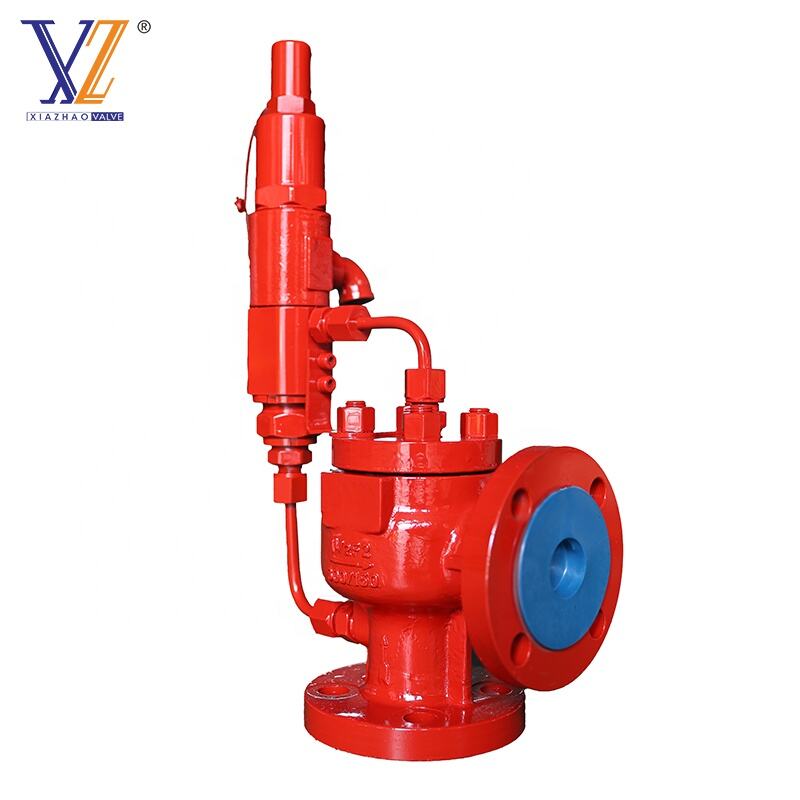
When engineers and procurement specialists evaluate flow control solutions for high-pressure or high-capacity systems, the pilot operated control valve consistently emerges as a preferred choice. Unlike direct-acting designs, pilot operated control valves use a small pilot mechanism to sense system conditions and modulate the main valve accordingly, enabling precise, responsive control across a wide range of operating pressures and flow rates. Understanding the different types available is essential before committing to a design specification.
Each pilot operated control valve type is engineered to address specific operational demands, from pressure regulation and flow modulation to safety relief and back-pressure control. The differences between these types are not merely mechanical — they reflect distinct control philosophies, response characteristics, and suitability for particular process environments. This article compares the major pilot operated control valve types, examining how each works, where each excels, and what selection criteria matter most when choosing between them.
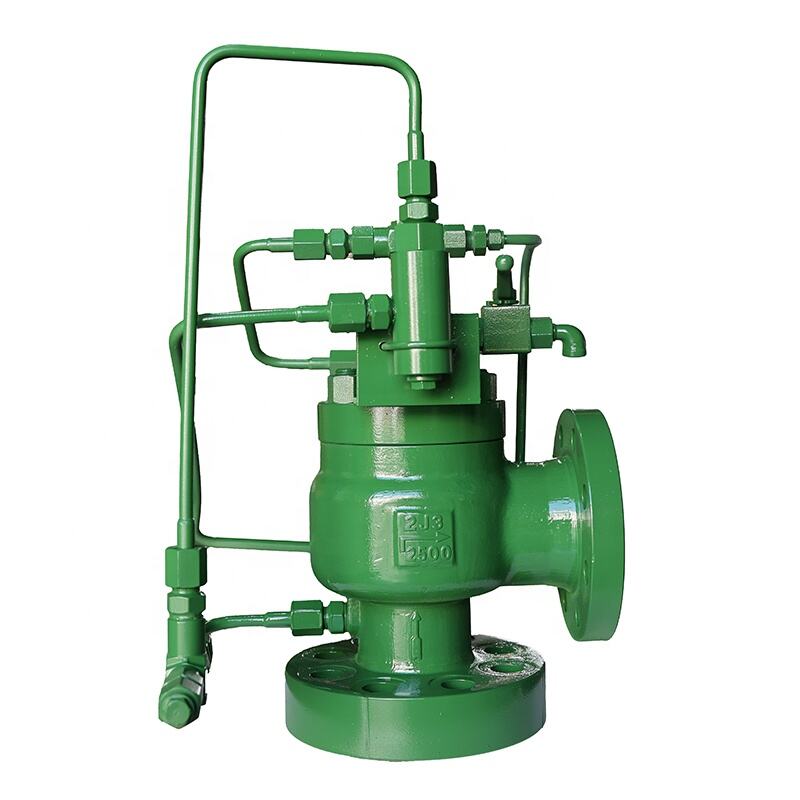
Understanding the Pilot Operated Control Valve Architecture
How the Pilot Mechanism Drives the Main Valve
The defining feature of any pilot operated control valve is the separation of sensing and actuation functions. A small pilot valve continuously monitors a process variable — typically pressure, flow, or differential pressure — and uses that signal to position the main valve seat. This indirect actuation allows the main valve to handle large flow volumes while the pilot circuit manages the precision control work.
Because the pilot circuit operates at a fraction of the main flow energy, it can respond quickly and accurately to process changes without the mechanical limitations that constrain direct-acting valves. This architecture is what gives the pilot operated control valve its characteristic combination of high capacity and fine control resolution. The pilot and main valve work as an integrated system, not as independent components.
In practice, this means that a pilot operated control valve can maintain tight setpoint accuracy even as upstream or downstream conditions fluctuate. The pilot continuously corrects the main valve position, making these designs well suited to dynamic process environments where conditions rarely remain perfectly stable.
Key Functional Components Across All Types
Regardless of type, every pilot operated control valve shares several core components: a main valve body with a piston or diaphragm actuator, a pilot valve assembly, sensing lines that connect the pilot to the process, and a control chamber that translates pilot output into main valve movement. The differences between types emerge primarily in how the pilot senses conditions and how it modulates the control chamber pressure.
The sensing line configuration is particularly important. Some pilot operated control valve designs use inlet pressure sensing, others use outlet pressure sensing, and some use differential pressure across a flow element. This sensing logic determines the valve's control behavior and its suitability for specific applications. Understanding this distinction is the first step in comparing types meaningfully.
Material selection for the pilot circuit also varies by type and application. High-temperature or corrosive service environments require pilot components rated for those conditions, and not all pilot operated control valve types are equally adaptable to aggressive media. This is a practical consideration that often narrows the field during the selection process.
Pressure Reducing Pilot Operated Control Valve Types
Downstream Sensing and Pressure Regulation Logic
The pressure reducing pilot operated control valve is one of the most widely deployed types in industrial and utility systems. It senses downstream pressure through a pilot sensing line and modulates the main valve to maintain a stable outlet pressure regardless of inlet pressure variation or downstream demand changes. When outlet pressure drops below setpoint, the pilot opens the main valve further; when outlet pressure rises, the pilot throttles the main valve closed.
This type of pilot operated control valve is particularly valuable in water distribution networks, steam systems, and process plants where a single high-pressure supply must serve multiple downstream zones at different pressure requirements. The pilot's continuous sensing and correction cycle keeps outlet pressure within a narrow band, protecting downstream equipment from overpressure while ensuring adequate supply pressure is always available.
One important characteristic of the pressure reducing pilot operated control valve is its behavior under no-flow or low-flow conditions. A well-designed pilot circuit will close the main valve tightly when downstream demand drops to zero, preventing pressure creep. This tight shutoff capability distinguishes quality pilot operated control valve designs from those with poor pilot sensitivity.
Modulating vs. On-Off Pressure Reducing Configurations
Within the pressure reducing category, pilot operated control valve designs can be configured for either continuous modulation or on-off operation. Modulating configurations use a proportional pilot that positions the main valve at any point between fully open and fully closed, providing smooth, stepless pressure control. On-off configurations use a snap-action pilot that drives the main valve to either extreme, suitable for applications where intermediate positions are not required.
Modulating pilot operated control valve designs are preferred in most process applications because they avoid the pressure surges and water hammer associated with rapid valve cycling. The smooth response of a modulating pilot circuit also reduces mechanical stress on the valve body and downstream piping, extending service life in high-cycle applications.
On-off configurations, while simpler, are appropriate where the process only requires isolation rather than regulation. Selecting the wrong configuration — applying an on-off pilot operated control valve where modulation is needed — is a common specification error that leads to poor pressure control and premature valve wear.
Pressure Relief and Safety Pilot Operated Control Valve Types
How Pilot Operated Safety Valves Differ from Conventional Relief Valves
The pilot operated safety valve represents a distinct type within the broader pilot operated control valve family. Unlike conventional spring-loaded relief valves, which rely entirely on spring force to hold the disc closed against system pressure, the pilot operated safety valve uses system pressure itself to keep the main valve sealed. The pilot circuit monitors inlet pressure and holds the main valve closed until the setpoint is reached, at which point it vents the control chamber and allows the main valve to open rapidly.
This design gives the pilot operated control valve in safety service a significant advantage: the main valve seating force increases with system pressure, meaning the valve seals more tightly as pressure rises toward setpoint. This eliminates the simmer and leakage that often affect conventional relief valves operating close to their set pressure. For processes that routinely operate at high percentages of relief valve setpoint, this characteristic is operationally and economically significant.
The pilot operated safety valve also offers a wider operating range between normal operating pressure and setpoint, allowing processes to run closer to their design limits without triggering unnecessary relief events. This is a direct consequence of the pilot operated control valve architecture, where the pilot's precision sensing replaces the cruder mechanical response of a spring-loaded disc.
Modulating API-Style Pilot Operated Safety Valves
Within the safety relief category, the modulating pilot operated control valve type — often referenced against API 526 or API 520 standards — provides proportional opening rather than snap-action response. As inlet pressure approaches setpoint, the modulating pilot begins to open the main valve incrementally, releasing only as much flow as needed to prevent further pressure rise. This proportional response avoids the full-open, full-close cycling that can cause instability in some process systems.
Modulating pilot operated control valve designs in safety service are particularly well suited to compressible fluid applications, including gas and vapor service, where rapid full-open relief events can cause significant process disruption. The ability to modulate the relief flow rate gives the process system time to respond and stabilize before a full relief event occurs.
API-compliant pilot operated control valve designs in this category are subject to specific requirements for pilot sensitivity, blowdown characteristics, and seat tightness. These standards exist because safety valve performance directly affects process safety, and the pilot operated control valve's inherent precision makes it well positioned to meet these demanding requirements when properly specified and maintained.
Back Pressure and Sustaining Pilot Operated Control Valve Types
Upstream Sensing for Minimum Pressure Maintenance
The back pressure sustaining pilot operated control valve type operates on upstream sensing logic rather than downstream sensing. Its function is to maintain a minimum pressure at its inlet, preventing upstream pressure from falling below a defined setpoint. When upstream pressure is above setpoint, the pilot holds the main valve open, allowing flow to pass. When upstream pressure drops toward setpoint, the pilot begins to close the main valve, restricting flow to sustain the required upstream pressure.
This type of pilot operated control valve is commonly used in pump protection applications, where a minimum discharge pressure must be maintained to prevent pump cavitation or to ensure adequate pressure for upstream process equipment. It is also used in gas gathering systems where wellhead pressure must be sustained above a minimum threshold to maintain production flow.
The back pressure sustaining pilot operated control valve is sometimes confused with the pressure reducing type because both involve pressure regulation. The critical distinction is the sensing point: pressure reducing types sense and control downstream pressure, while back pressure sustaining types sense and control upstream pressure. Misidentifying the required type during specification leads to a valve that controls the wrong variable entirely.
Differential Pressure Control Variants
A related variant within this category is the differential pressure pilot operated control valve, which senses the pressure difference across a defined point in the system rather than absolute pressure at a single location. This type maintains a constant differential pressure across a heat exchanger, filter, or flow element, compensating automatically for changes in either upstream or downstream pressure.
Differential pressure pilot operated control valve designs are particularly valuable in heating and cooling systems where balanced flow distribution across multiple circuits is required. By maintaining a constant differential pressure at each branch, the pilot operated control valve ensures that flow rates remain proportional to control valve positions throughout the system, regardless of load variations elsewhere in the network.
The pilot circuit in a differential pressure pilot operated control valve is more complex than in single-sensing types, as it must process signals from two sensing points simultaneously. This complexity requires careful installation and commissioning to ensure the sensing lines are correctly connected and free of air or contamination that could affect pilot accuracy.
Selection Criteria When Comparing Pilot Operated Control Valve Types
Matching Valve Type to Control Objective
The most fundamental selection criterion when comparing pilot operated control valve types is alignment between the valve's control logic and the process control objective. A pressure reducing pilot operated control valve cannot substitute for a back pressure sustaining type, and a safety relief pilot operated control valve serves a fundamentally different function than a modulating pressure control valve. Defining the control objective precisely — what variable must be controlled, at what location, and within what range — is the necessary starting point.
Beyond the basic control objective, the operating pressure range, flow capacity, and fluid characteristics all influence which pilot operated control valve type is appropriate. High-viscosity fluids may require larger pilot orifices to prevent fouling. Fluids with entrained solids may require filtered sensing lines to protect the pilot circuit. Cryogenic or high-temperature service may limit the available pilot materials and configurations.
The required response speed is another differentiating factor. Some pilot operated control valve types respond faster than others due to differences in pilot circuit volume and sensing line length. In applications where rapid response to pressure transients is critical, the pilot circuit design must be evaluated alongside the main valve capacity to ensure the combined system response meets the process requirement.
Maintenance, Accessibility, and Long-Term Reliability
Pilot operated control valve types also differ in their maintenance requirements and accessibility. The pilot circuit, while small, contains precision components — orifices, springs, diaphragms, and seats — that require periodic inspection and cleaning. Some pilot operated control valve designs allow the pilot to be removed and serviced without taking the main valve out of service, which is a significant operational advantage in continuous process plants.
The complexity of the pilot circuit varies by type. Differential pressure pilot operated control valve designs, with their dual sensing lines and more complex pilot assemblies, require more careful maintenance than single-sensing pressure reducing types. This complexity should be factored into the total cost of ownership calculation when comparing types for a given application.
Long-term reliability of a pilot operated control valve depends heavily on the quality of the pilot components and the cleanliness of the process fluid. Pilot circuits are sensitive to contamination because the small orifices and precision seats that give the pilot operated control valve its accuracy are also vulnerable to fouling. Specifying appropriate filtration and establishing a regular maintenance schedule are essential steps in ensuring reliable long-term performance across all pilot operated control valve types.
FAQ
What is the main difference between a pilot operated control valve and a direct-acting control valve?
A direct-acting control valve uses mechanical force — typically a spring — to position the valve seat directly in response to process conditions. A pilot operated control valve uses a small pilot circuit to sense conditions and modulate a control chamber, which then positions the main valve. This indirect actuation gives the pilot operated control valve higher capacity, better accuracy, and tighter shutoff compared to direct-acting designs of equivalent size.
Can a pilot operated control valve be used for both pressure reducing and safety relief functions?
Generally, no. Pressure reducing and safety relief pilot operated control valve types use different pilot sensing logic and are designed for different control objectives. A pressure reducing pilot operated control valve maintains a stable outlet pressure under normal operating conditions, while a safety relief type is designed to open rapidly when pressure exceeds a setpoint to protect equipment. Combining these functions in a single valve is not standard practice and would require a specially engineered design.
How does fluid type affect the selection of a pilot operated control valve type?
Fluid type affects pilot operated control valve selection in several ways. Compressible fluids like gases and vapors behave differently from liquids during pressure transients, which influences whether a modulating or snap-action pilot is more appropriate. Corrosive or high-temperature fluids may limit the available pilot materials. Fluids with entrained solids or high viscosity require pilot circuit designs that resist fouling. Each pilot operated control valve type has specific fluid compatibility requirements that must be verified during the selection process.
What maintenance does a pilot operated control valve require compared to other valve types?
A pilot operated control valve requires periodic inspection and cleaning of the pilot circuit components, including orifices, seats, diaphragms, and sensing lines. The frequency depends on fluid cleanliness and operating conditions. While the main valve body of a pilot operated control valve is generally robust and requires less frequent attention, the pilot circuit is more sensitive to contamination than the internals of a direct-acting valve. Many pilot operated control valve designs allow pilot servicing without removing the main valve from the line, which simplifies maintenance in continuous service applications.
Table of Contents
- Understanding the Pilot Operated Control Valve Architecture
- Pressure Reducing Pilot Operated Control Valve Types
- Pressure Relief and Safety Pilot Operated Control Valve Types
- Back Pressure and Sustaining Pilot Operated Control Valve Types
- Selection Criteria When Comparing Pilot Operated Control Valve Types
-
FAQ
- What is the main difference between a pilot operated control valve and a direct-acting control valve?
- Can a pilot operated control valve be used for both pressure reducing and safety relief functions?
- How does fluid type affect the selection of a pilot operated control valve type?
- What maintenance does a pilot operated control valve require compared to other valve types?