EN
EN

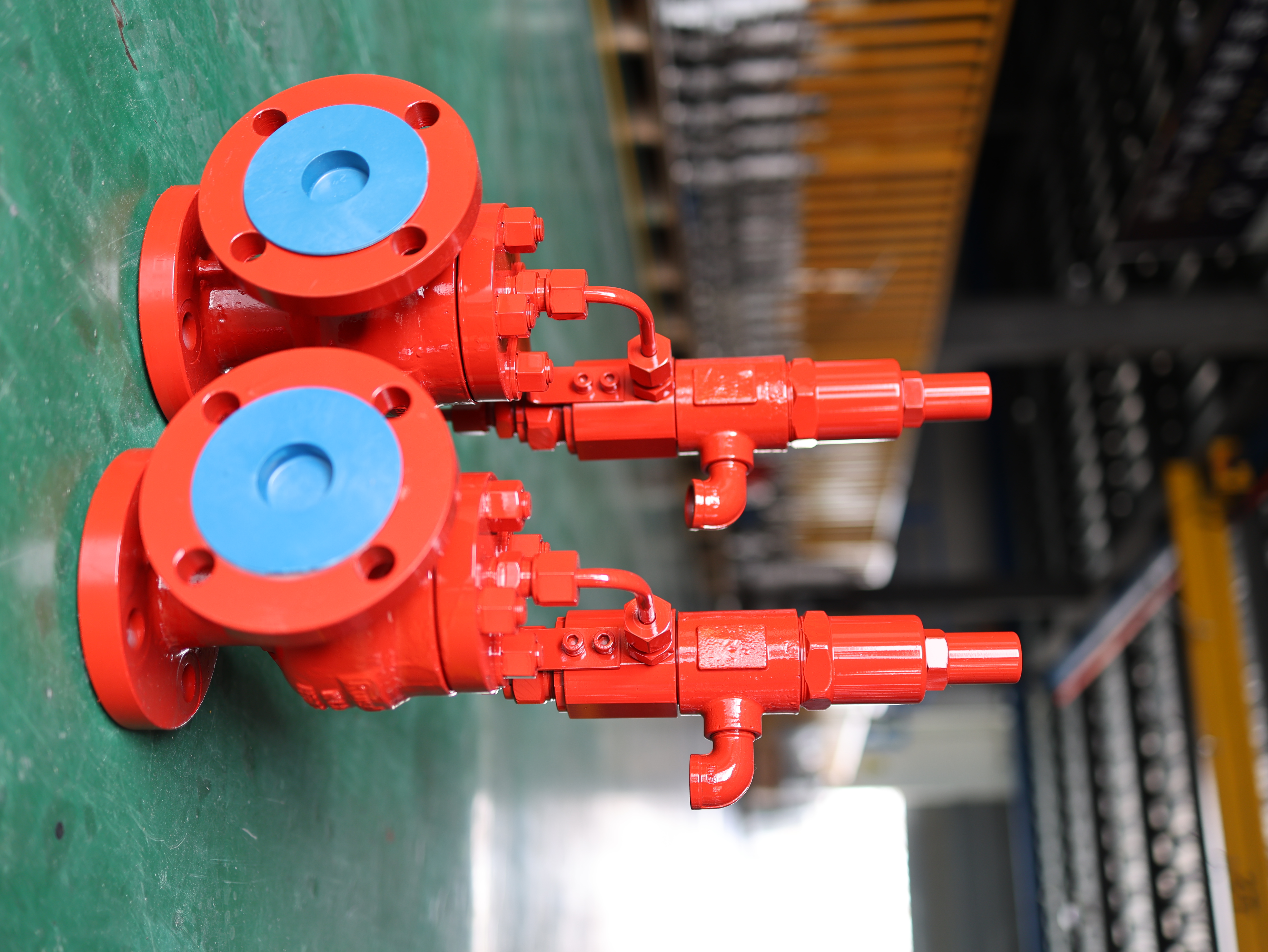
In high-pressure industrial systems, the integrity of pressure control equipment can mean the difference between smooth operations and catastrophic failure. The safety pilot valve stands as one of the most critical components in ensuring that pressurized systems remain within safe operating boundaries. Whether installed in oil and gas pipelines, chemical processing plants, power generation facilities, or refinery operations, this device plays a non-negotiable role in protecting both equipment and personnel from the unpredictable consequences of overpressure events.
Understanding what a safety pilot valve does, how it functions, and why it is indispensable to operational security requires a closer examination of pressure system engineering principles and real-world industrial requirements. This article provides a comprehensive overview of the safety pilot valve — its design logic, functional advantages, application environments, and the critical role it plays in maintaining system-wide protection. For professionals evaluating or specifying pressure relief solutions, the insights presented here are directly relevant to making informed, safety-first decisions.
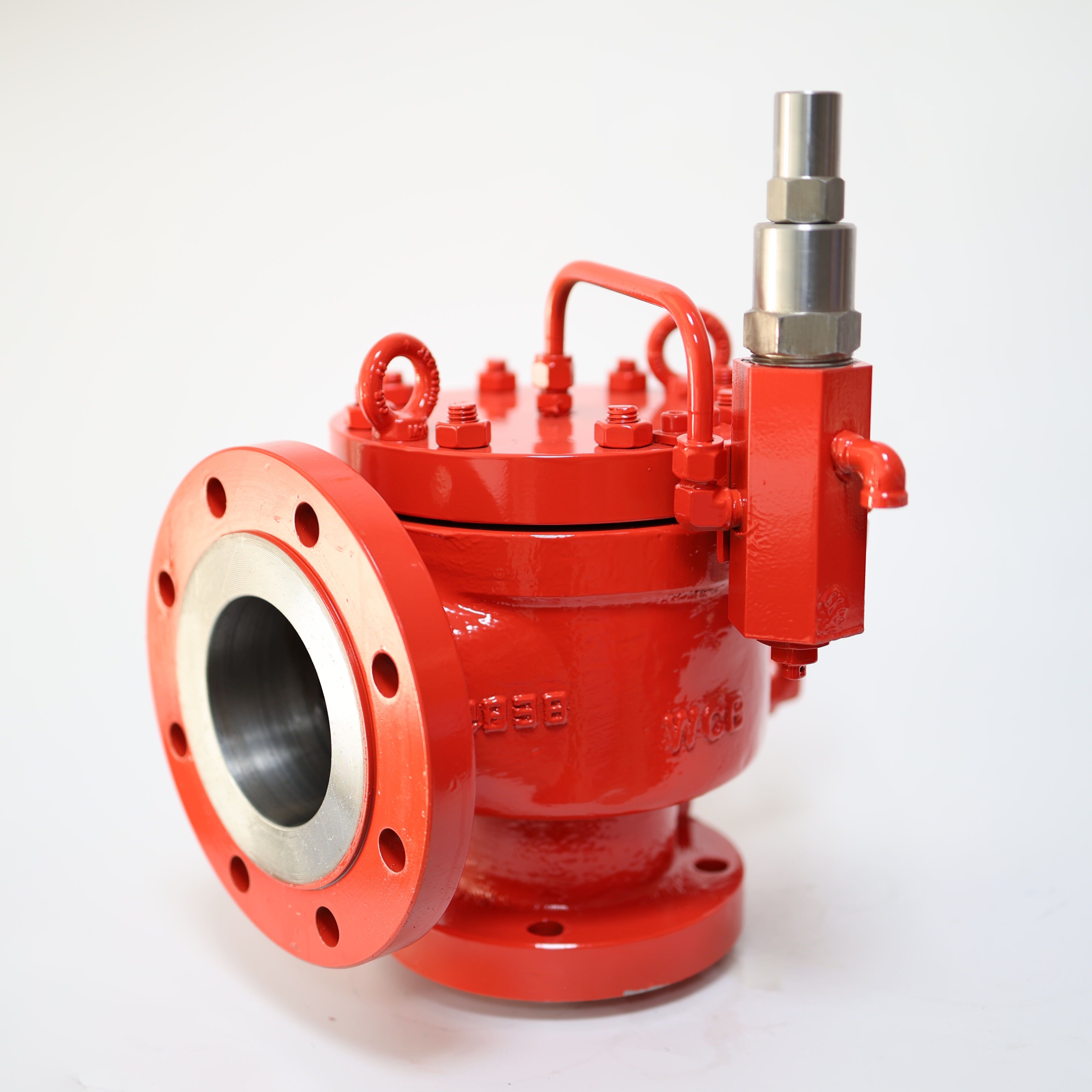
What a Safety Pilot Valve Actually Does
The Core Function in Pressure Management
At its most fundamental level, a safety pilot valve is designed to automatically relieve excess pressure from a system when that pressure exceeds a predetermined set point. Unlike manual relief devices, the safety pilot valve operates autonomously, responding to real-time system conditions without requiring operator intervention. This automatic response capability is what makes it an essential safeguard in facilities where pressure spikes can occur suddenly and without warning.
The valve achieves pressure relief through a pilot-operated mechanism. In a pilot-operated design, a smaller pilot valve monitors system pressure and controls the opening and closing of the larger main valve. When the system pressure reaches the set point, the pilot valve actuates, triggering the main valve to open and discharge the excess pressure. Once pressure drops back to a safe level, the pilot valve re-seats, closing the main valve and restoring normal operation.
This pilot-operated architecture provides a level of precision and control that conventional spring-loaded safety valves simply cannot match. The safety pilot valve delivers tighter pressure control bands, meaning it opens at exactly the intended set pressure and closes with minimal blowdown. This characteristic is critically important in processes where pressure fluctuations must be kept within narrow tolerances to maintain product quality and system stability.
Distinguishing Pilot-Operated from Conventional Safety Valves
Many industrial operators are familiar with traditional spring-loaded safety valves, which use mechanical spring tension to hold the valve closed against system pressure. While effective, spring-loaded valves can suffer from issues such as simmer, chatter, and premature opening at pressures below the actual set point. These issues waste process fluid and can cause valve wear over time, ultimately reducing reliability.
The safety pilot valve avoids these shortcomings by using the system's own pressure to keep the main valve sealed. Because the valve disc is loaded by system pressure rather than only spring tension, the seating force is proportional to the line pressure. This means the valve maintains a tighter seal at operating pressures that are close to the set point — a common scenario in many high-pressure industrial applications.
Additionally, the safety pilot valve can be designed to handle a wider range of operating pressures and fluid types, including gases, steam, and liquids. Its modular architecture also allows for easier field maintenance and set-point adjustment without requiring complete valve removal from the pipeline, a significant operational advantage in continuous process industries.
Operational Security: Why the Safety Pilot Valve Is Non-Negotiable
The Consequences of Inadequate Pressure Relief
Overpressure events are among the most dangerous scenarios in industrial operations. When a pressurized system is not adequately protected, excess pressure can cause pipe ruptures, equipment explosions, structural damage, and in the most severe cases, loss of life. Regulatory agencies worldwide mandate the installation of overpressure protection devices precisely because the risks are so significant and the consequences so severe.
A properly specified and installed safety pilot valve serves as the last line of defense against these consequences. Its automatic, reliable operation ensures that even in the event of a control system failure, a blocked outlet, or an unexpected heat source, the pressure in the system will be safely vented before reaching dangerous levels. This redundancy is what defines operational security in high-pressure environments.
Beyond preventing catastrophic failure, the safety pilot valve also contributes to the protection of downstream equipment. Pressure surges that do not result in immediate failure can still cause cumulative damage to pumps, compressors, heat exchangers, and instrumentation. By limiting peak pressures, the safety pilot valve extends the service life of the entire system, reducing maintenance costs and unplanned downtime.
Compliance with Industry Standards and Codes
Industrial pressure systems are governed by strict codes and standards, including API 520, API 526, ASME Section VIII, and ISO 4126, among others. These standards specify the design, sizing, testing, and installation requirements for pressure relief devices, including the safety pilot valve. Compliance with these standards is not optional — it is a legal and contractual requirement for most industrial facilities operating under national or international safety regulations.
A safety pilot valve designed and manufactured to API standards, for example, provides documented assurance that it has been tested and validated to perform reliably under the specified pressure and temperature conditions. This documentation is essential during regulatory audits, insurance evaluations, and facility certifications. Choosing a compliant safety pilot valve is therefore as much a business risk management decision as it is an engineering one.
Modern safety pilot valve solutions designed in accordance with API guidelines, such as those following the modulating API design philosophy, offer enhanced controllability and flexibility. The modulating design allows the valve to open proportionally to the degree of overpressure, rather than snapping fully open at the set point. This reduces unnecessary pressure loss and minimizes process disruption while still providing full protection when needed.
Key Design Features That Enhance Safety and Reliability
Modulating Action and Precise Pressure Control
One of the most important design features of an advanced safety pilot valve is its modulating action. In a modulating pilot-operated design, the main valve opens progressively as system pressure rises above the set point, discharging just enough fluid to bring the pressure back within the safe range. This modulation prevents the abrupt pressure drops and process upsets that can occur with snap-action valves, resulting in a more stable and controlled system response.
Modulating action is particularly valuable in systems where the protected equipment is sensitive to pressure fluctuations — for example, in compressor discharge systems, distillation columns, or high-pressure reactor vessels. In these environments, a safety pilot valve with true modulating capability not only provides protection but also supports process efficiency and product consistency.
The safety pilot valve in a modulating API configuration combines the precision of pilot control with the robustness of industrial-grade construction, making it suitable for demanding applications where standard relief valves fall short. Engineers specifying relief solutions for critical systems should give strong consideration to the modulating design for both its operational and safety advantages.
Materials, Construction, and Environmental Resistance
The long-term reliability of a safety pilot valve depends heavily on the quality of its construction materials and the compatibility of those materials with the process fluid and environmental conditions. In corrosive service environments such as those found in chemical processing or offshore oil and gas, the valve body, seat, disc, and pilot components must be manufactured from materials capable of withstanding aggressive media without degradation.
Common material choices for the safety pilot valve in industrial service include stainless steel, carbon steel, duplex stainless steel, and various nickel alloys, depending on the process temperature, pressure, and fluid chemistry. Sealing materials such as PTFE, Viton, and metal-to-metal seats are selected based on compatibility with the specific media to ensure leak-tight performance over extended service intervals.
Environmental resistance also encompasses the valve's ability to function reliably across a wide temperature range. A well-designed safety pilot valve should maintain consistent set-point accuracy and reliable actuation from cryogenic temperatures to elevated process temperatures, without requiring frequent recalibration. This thermal stability is a hallmark of high-quality pilot-operated valve design and is critical for facilities operating in extreme climate conditions.
Application Scenarios for the Safety Pilot Valve
Oil and Gas Processing and Pipeline Protection
In the oil and gas industry, the safety pilot valve is deployed across a wide range of applications, from wellhead protection to pipeline pressure management and refinery process vessels. The high pressures and flammable or toxic nature of the media involved make overpressure protection not just a regulatory requirement but an absolute operational imperative.
In pipeline applications, the safety pilot valve is often installed at compressor stations, pressure regulation points, and isolation segments to protect against pressure surges caused by rapid valve closure, compressor malfunctions, or thermal expansion of trapped fluid. The precision and reliability of the pilot-operated design make it especially well-suited for these dynamic pressure environments.
Refinery process units, including distillation columns, hydrotreaters, and reformers, rely on the safety pilot valve to protect against overpressure scenarios generated by heat input, chemical reactions, or blocked process flows. In these environments, the valve's ability to reseat tightly and minimize process fluid loss is economically significant, particularly when the process fluid is a valuable or hazardous hydrocarbon stream.
Power Generation, Chemical, and General Industrial Use
Power generation facilities — including thermal, nuclear, and combined-cycle plants — use the safety pilot valve to protect steam generators, turbines, heat recovery systems, and pressure vessels from overpressure events. The consequences of overpressure in these environments can include turbine damage, boiler failure, and extended plant outages, all of which represent enormous financial and safety risks.
In chemical and petrochemical manufacturing, process vessels and reactors operating under elevated pressures require reliable overpressure protection that can accommodate varying fluid phases, including gas-liquid mixtures. The safety pilot valve handles these complex service conditions more effectively than conventional relief valves, making it the preferred choice for many critical protection points in chemical plants.
General industrial applications — from compressed air systems and hydraulic circuits to specialty gas storage and pharmaceutical manufacturing — also benefit from the precision and reliability that the safety pilot valve provides. Its scalability across different pressure classes and flow capacities means that a single valve design principle can serve both small-scale and large-scale industrial operations with equal effectiveness.
Selecting and Maintaining a Safety Pilot Valve for Long-Term Performance
Sizing, Set-Point Specification, and Selection Criteria
Proper sizing is the foundation of effective safety pilot valve performance. An undersized valve will not be able to discharge fluid quickly enough to prevent overpressure, while an oversized valve may result in excessive blowdown and process instability. Accurate sizing requires knowledge of the relieving capacity needed, the inlet and outlet pressures, the fluid type and phase, and the back pressure conditions at the valve outlet.
Set-point specification must account for the maximum allowable working pressure of the protected equipment, the normal operating pressure, and the required pressure differential between operating and relieving conditions. A well-specified safety pilot valve set point ensures that the valve does not open prematurely during normal pressure fluctuations while still providing timely protection during genuine overpressure events.
Additional selection criteria include inlet and outlet connection sizes, body material compatibility with the process fluid, the operating temperature range, and whether the application requires a modulating or snap-action pilot design. Consulting the valve manufacturer's technical documentation and, where applicable, relevant API or ASME sizing standards is essential for arriving at a correct and compliant safety pilot valve specification.
Inspection, Testing, and Preventive Maintenance Practices
A safety pilot valve that is not regularly inspected and tested cannot be relied upon to perform when it is needed most. Industry best practices recommend periodic in-service testing and scheduled bench testing of safety pilot valves at intervals determined by the service severity, regulatory requirements, and the manufacturer's recommendations. These tests verify that the valve opens at the correct set pressure and reseats properly after actuation.
Preventive maintenance for a safety pilot valve typically includes inspection of the pilot assembly for contamination or wear, examination of the main valve seat and disc for erosion or corrosion, verification of set-point calibration, and replacement of elastomeric seals at scheduled intervals. Keeping detailed maintenance records supports regulatory compliance and helps identify patterns of premature wear that may indicate process conditions requiring adjustment.
The modular design of most modern safety pilot valve configurations facilitates maintenance without full system shutdown. The pilot assembly can often be removed, serviced, and replaced while the main valve body remains in line — a significant advantage for continuous process facilities where scheduled downtime is limited and unplanned outages are costly. This maintainability factor should be given appropriate weight when specifying a safety pilot valve for critical service.
FAQ
What is the primary difference between a safety pilot valve and a conventional spring-loaded safety valve?
A safety pilot valve uses the system's own pressure, controlled by a small pilot mechanism, to actuate the main valve, while a conventional spring-loaded safety valve relies solely on spring tension. This difference gives the safety pilot valve tighter pressure control, better reseating behavior, and reduced simmer or chatter, making it more suitable for high-pressure or high-value process applications where precise pressure control is critical.
In what industrial sectors is a safety pilot valve most commonly used?
The safety pilot valve is widely used in oil and gas production and refining, chemical and petrochemical processing, power generation, compressed gas systems, and general industrial pressure vessels. Any application involving elevated operating pressures that require reliable, automatic overpressure protection can benefit from a pilot-operated safety valve design.
How often should a safety pilot valve be tested or inspected?
Testing and inspection frequency for a safety pilot valve depends on the specific industry, regulatory jurisdiction, and service severity. In many sectors, annual inspection and testing is a minimum requirement, while high-cycle or highly corrosive services may require more frequent checks. Facility engineers should refer to applicable standards such as API 576 and consult the valve manufacturer's guidance to establish an appropriate maintenance schedule.
What does modulating action mean in the context of a safety pilot valve?
Modulating action refers to the safety pilot valve's ability to open proportionally in response to the degree of overpressure rather than snapping fully open at the set point. As pressure rises above the set point, the valve opens incrementally to discharge just enough fluid to stabilize the pressure, then closes progressively as normal pressure is restored. This controlled behavior minimizes process disruption, reduces fluid loss, and extends valve service life compared to full-lift snap-action designs.
Table of Contents
- What a Safety Pilot Valve Actually Does
- Operational Security: Why the Safety Pilot Valve Is Non-Negotiable
- Key Design Features That Enhance Safety and Reliability
- Application Scenarios for the Safety Pilot Valve
- Selecting and Maintaining a Safety Pilot Valve for Long-Term Performance
-
FAQ
- What is the primary difference between a safety pilot valve and a conventional spring-loaded safety valve?
- In what industrial sectors is a safety pilot valve most commonly used?
- How often should a safety pilot valve be tested or inspected?
- What does modulating action mean in the context of a safety pilot valve?