EN
EN

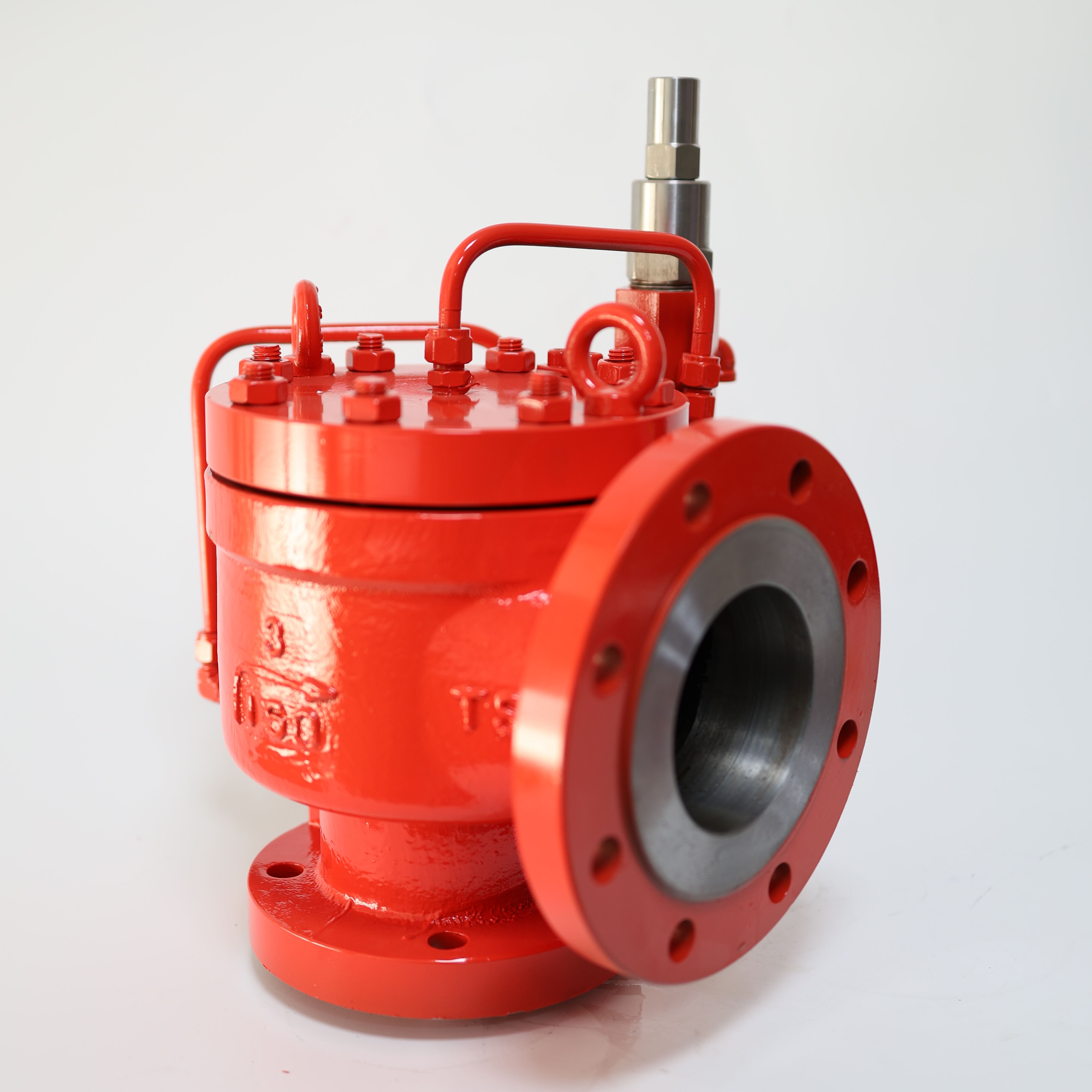
In high-stakes industrial environments, the integrity of a safety system is only as strong as its most critical components. Among these, the dual pilot valve stands out as a cornerstone of reliable pressure management, ensuring that process equipment remains protected under both normal operating conditions and emergency scenarios. From upstream oil and gas installations to chemical processing facilities and power generation plants, the dual pilot valve plays a defining role in determining whether a safety system responds accurately, quickly, and consistently when it matters most.
Understanding the key role of the dual pilot valve in safety systems requires looking beyond its mechanical simplicity toward the broader system-level functions it enables. Unlike single-pilot configurations, the dual pilot valve introduces a layer of redundancy, precision, and operational flexibility that single-component designs simply cannot match. This article explores in depth why the dual pilot valve is not merely a functional component, but a strategic element in the architecture of process safety, examining how it works, where it contributes most, and what engineering and operational factors make it indispensable.
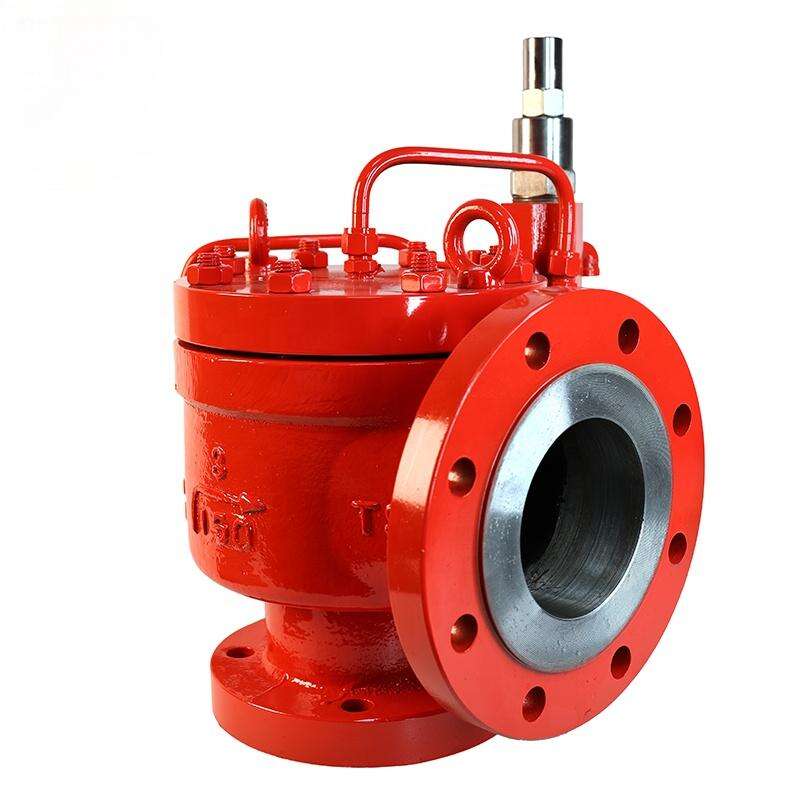
Understanding the Dual Pilot Valve in Safety System Architecture
What the Dual Pilot Valve Actually Does
At its core, a dual pilot valve is a control device that uses process pressure signals to operate a main safety valve — typically a pilot-operated safety relief valve. The pilot senses the inlet pressure of the protected system and sends a control signal that either holds the main valve closed under normal conditions or releases it when pressure exceeds a set point. In a dual configuration, two pilots are connected to the same main valve, offering either redundant sensing or the ability to set different response conditions for different operational phases.
This mechanism is fundamentally different from a conventional spring-loaded safety valve, where the opening force is determined solely by a mechanical spring. The dual pilot valve allows the main valve to remain fully sealed under operating pressure up to its set point, dramatically reducing seat leakage and improving overall system efficiency. When set pressure is reached, the pilot signals the main valve to open with precision and force, ensuring a fast, complete response.
The design of the dual pilot valve also allows for remote setpoint adjustment, more consistent performance across varying backpressures, and the ability to handle larger flow capacities with a relatively compact main valve body. This combination of precision and power makes it especially valuable in safety systems that must operate reliably over long service intervals without requiring frequent manual intervention.
How the Dual Configuration Enhances System Reliability
A single-pilot setup introduces a point of failure — if the pilot malfunctions due to clogging, corrosion, or mechanical wear, the main valve may fail to open at the correct pressure or fail to close when pressure subsides. The dual pilot valve configuration directly addresses this vulnerability by providing two independent sensing and control circuits. These can be arranged so that either pilot can independently trigger the main valve, or so that both must agree before the main valve acts — depending on the safety logic required.
In critical process systems, this redundancy is not optional — it is a fundamental safety requirement. Industries such as offshore oil production, petrochemical refining, and LNG processing demand that overpressure protection remain functional even during maintenance periods, where one pilot may be isolated or undergoing inspection. The dual pilot valve enables this without requiring a full system shutdown, allowing the second pilot to maintain protection while the first is serviced.
Reliability data across industrial deployments consistently shows that the mean time between failures for safety systems equipped with a dual pilot valve is significantly higher than those using single-pilot designs. This directly translates into fewer unplanned shutdowns, lower maintenance costs, and greater confidence that the safety system will perform as designed during an actual overpressure event.
Critical Safety Functions Enabled by the Dual Pilot Valve
Overpressure Protection with Reduced Blowdown Variability
One of the most important safety functions of any pressure relief system is consistent, repeatable performance — opening at the correct set pressure and closing at an appropriate blowdown pressure without excessive chatter or hunting. The dual pilot valve excels in this regard because it allows very precise control over both the opening and closing pressures of the main valve. Engineers can set a tight blowdown range, ensuring that the main valve closes promptly after pressure has been relieved, preventing unnecessary product loss and minimizing process disruption.
In conventional spring-loaded designs, blowdown is inherently tied to the spring characteristics and seat geometry, which limits flexibility. With a dual pilot valve arrangement, blowdown is controlled through the pilot's pressure differential settings, which can be tuned independently of the main valve mechanics. This makes it far easier to match the safety valve's performance envelope to the specific pressure profile of the protected system.
The consistency of this performance is especially critical in systems that experience frequent pressure fluctuations. Processes with dynamic load changes, variable production rates, or intermittent operations benefit greatly from the stable, programmable response that a dual pilot valve provides. Rather than being exposed to repeated mechanical loading from premature openings, the main valve seat is protected, extending service life and reducing fugitive emissions.
Online Testing and Maintenance Without Process Interruption
One of the most operationally significant advantages provided by the dual pilot valve is the ability to perform in-service testing and maintenance without taking the protected system offline. Because the dual configuration allows one pilot to remain active while the other is isolated, inspection and calibration of individual pilots can be carried out during normal operations. This capability is invaluable in continuous process industries where any interruption to production carries significant economic consequences.
Online testing using a dual pilot valve setup follows a structured procedure: one pilot is isolated from the process pressure source, tested against a reference pressure, and returned to service before the second pilot undergoes the same procedure. Throughout this process, the main valve remains under active protection from the pilot that was not isolated. This approach fully complies with process safety management requirements under standards such as API 510, API 576, and ASME codes that govern pressure vessel inspection programs.
The ability to maintain regulatory compliance without production downtime represents a compelling operational benefit that justifies the initial investment in a dual pilot valve system. Over the life of a plant, the reduction in turnaround time and emergency maintenance windows adds up to substantial savings — far exceeding the incremental cost of the dual-pilot configuration compared to a simpler single-pilot design.
Industry Applications Where the Dual Pilot Valve Delivers Maximum Value
Oil and Gas Processing Facilities
In oil and gas processing, both upstream production platforms and downstream refinery units operate under strict regulatory requirements for overpressure protection. Pressure vessels, separators, heat exchangers, and pipelines must all be protected by relief systems that are demonstrably functional, accurately calibrated, and capable of operating without failure during emergency conditions. The dual pilot valve is widely adopted in these environments precisely because it meets all of these criteria while also enabling the online testing and inspection capabilities that regulatory bodies require.
Offshore production platforms face particularly stringent safety standards, where space constraints and hazardous zone classifications make reliable, low-maintenance safety components a top priority. A dual pilot valve installed on a separator or pressure vessel can be serviced from the surface without requiring confined space entry or equipment isolation, dramatically reducing the exposure of maintenance personnel to hazardous conditions.
In downstream refining, processes involving high-temperature hydrocarbons and reactive chemical intermediates require overpressure protection that is not only reliable but also immune to process contamination. The dual pilot valve can be equipped with remote sensing lines and clean fluid barriers that prevent corrosive or high-viscosity process fluids from contacting the sensitive internals of the pilot mechanism, further enhancing its durability in demanding refinery environments.
Chemical and Petrochemical Plants
Chemical processing introduces a wide spectrum of fluid properties — from highly corrosive acids to viscous polymers and toxic gases — that can challenge the reliability of pressure relief systems. A dual pilot valve in these applications provides the benefit of material flexibility, since pilots can be manufactured from corrosion-resistant alloys or coated with protective materials tailored to the specific process fluid. The redundant pilot arrangement also ensures that even if one pilot's sensing line becomes partially blocked by process debris, the second pilot continues to provide accurate overpressure protection.
The precise setpoint control enabled by the dual pilot valve is particularly important in batch chemical processes, where operating pressures may approach the relief set pressure during normal production peaks. By ensuring that the main valve does not open prematurely, the dual pilot valve prevents unnecessary release of potentially toxic or environmentally hazardous vapors to the flare or vent system — a critical consideration for both environmental compliance and product yield.
Many modern chemical plants are also adopting digital instrumentation and process safety management platforms that integrate with smart pilot valve systems. The dual pilot valve is well-suited to this trend, as the two pilots can be equipped with pressure transmitters and position sensors that feed real-time data to the plant's safety instrumented system, providing continuous verification that the overpressure protection function is operational and within calibration tolerances.
Engineering Considerations for Selecting and Installing a Dual Pilot Valve
Setpoint Selection and Pressure Differential Design
Proper engineering of a dual pilot valve system begins with accurate determination of the set pressure, allowable overpressure accumulation, and required blowdown range. These parameters must be derived from a thorough pressure relief analysis that accounts for all credible overpressure scenarios for the protected equipment. The dual pilot valve must be sized so that the main valve's rated capacity is sufficient to prevent system pressure from exceeding the allowable accumulation limit under the maximum credible relief load.
When two pilots are set at different pressures — a common arrangement for systems with multiple operating modes — the engineer must carefully define the logic governing when each pilot takes priority. In some designs, the lower-set pilot handles routine pressure management while the higher-set pilot acts as a backup for emergency conditions. This layered approach ensures that normal operational upsets are managed without activating the full emergency relief capacity, preserving the main valve's condition and reducing wear on seating surfaces.
The pressure differential between operating pressure and set pressure — commonly called the operating ratio — is a critical design parameter for any dual pilot valve system. Engineers typically target an operating ratio of 90% or below, meaning that the normal operating pressure should not exceed 90% of the pilot set pressure. This margin prevents spurious openings caused by normal pressure fluctuations while maintaining a sufficiently sensitive response to genuine overpressure events.
Installation, Sensing Line Design, and Environmental Protection
The physical installation of a dual pilot valve requires careful attention to sensing line routing, isolation valve placement, and protection from environmental conditions. Sensing lines must be configured to prevent liquid accumulation in vapor service applications and to prevent vapor locking in liquid service, both of which can cause false readings that trigger either premature opening or delayed response. The use of proper tubing materials, traps, and drains is essential to maintaining the accuracy of the pilot's pressure sensing function.
Isolation valves are required on each pilot's sensing line to enable individual pilot isolation during online testing. These valves must be clearly labeled, positioned for safe access, and equipped with position indicators so that operators can immediately verify whether each pilot is in service or isolated. Procedures for managing these isolation valves must be included in the facility's lock-out/tag-out program to prevent accidental dual isolation, which would leave the main valve without any pilot control signal.
In cold climates or outdoor installations, the dual pilot valve may require heat tracing or insulation to prevent freezing of sensing lines and pilot internals. In high-vibration environments such as compressor stations or rotating equipment installations, the pilot mounting must be designed to isolate the sensitive pilot mechanism from mechanical vibration that could cause measurement errors or premature wear. These installation details are often where the long-term reliability of the dual pilot valve system is ultimately determined.
FAQ
What is the primary safety advantage of a dual pilot valve over a single-pilot design?
The primary safety advantage of a dual pilot valve is redundancy. With two independent pilots controlling the same main valve, the system continues to provide accurate overpressure protection even if one pilot experiences a failure or is temporarily isolated for maintenance. This redundancy is essential in processes where continuous protection is required and where a single-pilot failure could leave the system unprotected during a critical pressure event.
Can a dual pilot valve be tested while the system is operating at full pressure?
Yes, this is one of the most valued operational features of the dual pilot valve configuration. Because the two pilots can be independently isolated, one pilot can be tested, calibrated, and returned to service while the other maintains active protection of the system. This eliminates the need for a process shutdown to verify the safety valve's set pressure, saving significant time and production cost over the life of the installation.
How does a dual pilot valve improve main valve seat life?
A dual pilot valve keeps the main valve tightly closed up to the exact set pressure, eliminating the simmering and seat leakage that is common with spring-loaded valves operating close to their set point. Because the main valve only opens when the pilot commands it to do so — and closes sharply once pressure has been relieved — the number of partial opening cycles is greatly reduced, protecting the seating surfaces from wear and extending the interval between required maintenance inspections.
In what types of service conditions is a dual pilot valve most appropriate?
The dual pilot valve is most appropriate in high-consequence service conditions where continuous availability of overpressure protection is mandatory, operating pressures are close to the relief set point, online testing is required for regulatory compliance, or process fluids are corrosive, viscous, or otherwise challenging to conventional spring-loaded relief valves. It is also the preferred solution where precise blowdown control is needed to minimize product loss and protect the integrity of downstream process equipment.
Table of Contents
- Understanding the Dual Pilot Valve in Safety System Architecture
- Critical Safety Functions Enabled by the Dual Pilot Valve
- Industry Applications Where the Dual Pilot Valve Delivers Maximum Value
- Engineering Considerations for Selecting and Installing a Dual Pilot Valve
-
FAQ
- What is the primary safety advantage of a dual pilot valve over a single-pilot design?
- Can a dual pilot valve be tested while the system is operating at full pressure?
- How does a dual pilot valve improve main valve seat life?
- In what types of service conditions is a dual pilot valve most appropriate?