EN
EN

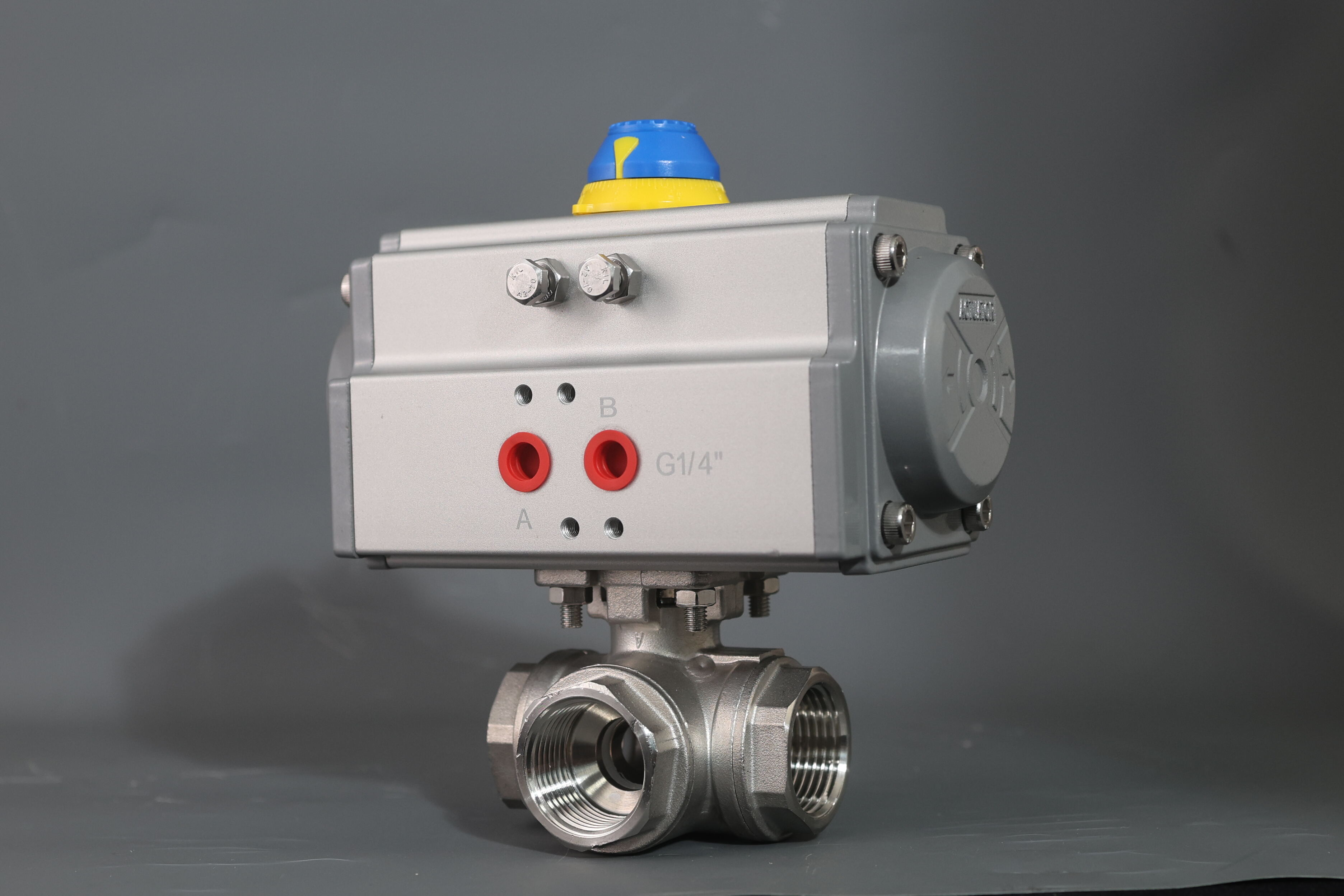
Understanding pilot valve function has become increasingly critical for industrial engineers and facility managers as system complexity and precision requirements continue to evolve in 2025. A pilot valve serves as a control mechanism that operates larger main valves through hydraulic or pneumatic pressure signals, enabling precise control of high-pressure systems while requiring minimal operator force. This sophisticated control technology forms the backbone of modern industrial automation, allowing operators to manage massive fluid flows and pressures with remarkable accuracy and reliability.
The fundamental principle behind pilot valve operation involves using a small control valve to direct pressure or vacuum signals to actuate much larger main valves, creating a force multiplication effect that enables efficient system control. This amplification mechanism allows operators to control thousands of pounds of force with just a few ounces of input pressure, making pilot valve systems indispensable in applications ranging from power generation and chemical processing to oil refining and water treatment facilities. Modern pilot valve designs incorporate advanced materials and precision manufacturing techniques that enhance durability, response time, and operational reliability under extreme conditions.
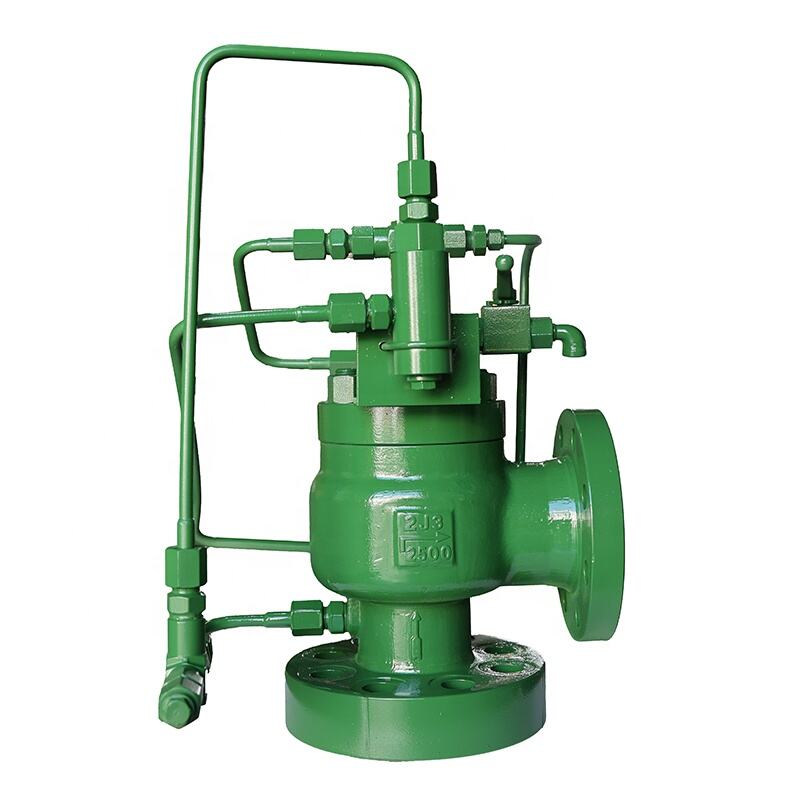
Core Operating Principles of Pilot Valve Systems
Pressure Signal Transmission Mechanics
The pilot valve functions by converting small input signals into proportional pressure changes that control larger actuating mechanisms. When an operator applies minimal force to the pilot valve control, it opens or restricts a pathway that allows high-pressure fluid to flow toward the main valve actuator. This pressure differential creates the necessary force to move heavy valve components that would otherwise require significant manual effort or large electric motors. The pilot valve essentially acts as a pressure amplifier, taking advantage of Pascal's principle to multiply force across different surface areas.
Modern pilot valve designs incorporate sophisticated pressure regulation features that maintain consistent control characteristics regardless of supply pressure variations. Advanced pilot valve systems include built-in pressure reducing elements, flow restrictors, and feedback mechanisms that ensure stable operation across wide pressure ranges. These improvements have made pilot valve technology more reliable and predictable, allowing engineers to design systems with tighter tolerances and more precise control requirements than previous generations of valve technology.
Signal Integration and Response Characteristics
Contemporary pilot valve systems excel at integrating multiple input signals to produce coordinated control responses. A single pilot valve can receive inputs from pressure sensors, temperature monitors, flow meters, and digital control systems to make intelligent decisions about main valve positioning. This integration capability allows the pilot valve to serve as both a signal processor and a control actuator, reducing system complexity while improving response accuracy and speed.
The response characteristics of modern pilot valve designs have been optimized to provide rapid actuation without creating pressure spikes or system instability. Engineers have developed pilot valve configurations that include dampening mechanisms, staged opening sequences, and variable response rates that adapt to different operating conditions. These refinements enable pilot valve systems to maintain smooth operation while delivering the quick response times required for safety-critical applications and process control scenarios.
Industrial Applications and Implementation Strategies
Power Generation and Energy Systems
Power plants rely heavily on pilot valve technology to control steam turbines, boiler feed systems, and cooling water circuits where precise flow control is essential for efficient energy generation. In these applications, the pilot valve must respond quickly to load changes while maintaining stable pressure relationships throughout the system. Steam turbine control systems use pilot valve arrangements to modulate steam flow based on electrical demand, allowing power plants to adjust output smoothly without causing mechanical stress or efficiency losses.
Nuclear power facilities represent one of the most demanding applications for pilot valve systems, where reliability and fail-safe operation are paramount concerns. The pilot valve components used in nuclear applications undergo extensive testing and qualification procedures to ensure they can operate reliably under radiation exposure, temperature extremes, and seismic conditions. These specialized pilot valve designs incorporate redundant control pathways, position feedback systems, and emergency override capabilities that enable safe shutdown procedures when needed.
Chemical Processing and Manufacturing
Chemical processing plants utilize pilot valve systems to control hazardous materials and maintain precise process conditions that determine product quality and safety. The pilot valve serves as a critical interface between automated control systems and the physical valves that regulate chemical flows, pressures, and temperatures throughout the manufacturing process. This application requires pilot valve designs that can withstand corrosive environments while maintaining precise control characteristics over extended operating periods.
Manufacturing facilities increasingly depend on pilot valve technology to implement flexible production strategies that can adapt quickly to changing product requirements. The pilot valve enables rapid reconfiguration of process flows without requiring manual intervention or extended shutdown periods. This capability has become especially valuable in pharmaceutical manufacturing, where pilot valve systems help maintain sterile conditions while enabling precise control of ingredient mixing, reaction temperatures, and product transfer operations.
Technical Design Considerations and Performance Factors
Material Selection and Environmental Compatibility
The selection of appropriate materials for pilot valve construction directly impacts long-term performance and maintenance requirements in industrial applications. Stainless steel components provide excellent corrosion resistance and mechanical strength, making them suitable for most standard applications where the pilot valve will encounter typical industrial fluids and operating conditions. However, specialized applications may require exotic alloys, ceramic components, or specialized coatings that can withstand extreme temperatures, aggressive chemicals, or abrasive particles.
Environmental factors such as temperature cycling, vibration exposure, and atmospheric conditions significantly influence pilot valve design requirements and material specifications. Offshore applications expose pilot valve systems to salt spray and humidity that can accelerate corrosion if materials are not properly selected. Arctic installations require pilot valve designs that remain functional at extremely low temperatures where standard materials might become brittle or lose their sealing capabilities.
Precision Engineering and Manufacturing Tolerances
Modern pilot valve manufacturing incorporates advanced machining techniques and quality control processes that achieve the tight tolerances necessary for consistent performance across thousands of operating cycles. Computer-controlled manufacturing equipment enables pilot valve producers to maintain dimensional accuracy within micrometers, ensuring that internal clearances and surface finishes meet design specifications that optimize flow characteristics and minimize leakage.
The precision requirements for pilot valve components have increased significantly as industrial processes demand higher levels of control accuracy and repeatability. Advanced pilot valve designs incorporate features such as lapped seating surfaces, precision-ground control ports, and carefully controlled spring rates that eliminate hysteresis and provide linear response characteristics. These manufacturing improvements have enabled pilot valve systems to achieve control accuracies that rival electronic control systems while maintaining the inherent reliability advantages of mechanical control mechanisms.
Maintenance Strategies and Operational Optimization
Preventive Maintenance Protocols
Effective pilot valve maintenance programs focus on preventing contamination and wear that can degrade control performance over time. Regular inspection of pilot valve components includes checking for proper sealing, verifying control response characteristics, and monitoring for signs of internal wear or damage. Maintenance technicians should pay particular attention to filter elements, pressure regulation components, and sealing surfaces that directly impact pilot valve function and reliability.
Scheduled maintenance intervals for pilot valve systems should be based on actual operating conditions rather than arbitrary time periods, taking into account factors such as fluid cleanliness, operating pressure cycles, and environmental exposure. Condition monitoring techniques such as vibration analysis, pressure signature analysis, and thermal imaging can provide early warning of developing problems that might affect pilot valve performance before they cause system failures or safety incidents.
Performance Optimization and Troubleshooting
Optimizing pilot valve performance requires careful attention to system pressure relationships, control signal quality, and environmental factors that can influence response characteristics. Technicians should verify that supply pressures remain within specified ranges and that control signals are free from electrical interference or mechanical vibration that might cause erratic operation. Proper pilot valve adjustment procedures ensure that control responses match system requirements while avoiding oscillation or instability.
Common pilot valve troubleshooting issues include sluggish response, control drift, and excessive leakage that can typically be traced to contamination, wear, or improper adjustment. Systematic diagnostic procedures help maintenance personnel identify root causes quickly and implement appropriate corrective actions. Understanding the relationship between pilot valve symptoms and underlying mechanical conditions enables more effective repairs and helps prevent recurring problems that could compromise system reliability.
Future Developments and Technology Integration
Smart Pilot Valve Systems and IoT Integration
The integration of digital sensors and communication capabilities into pilot valve designs represents a significant advancement in industrial control technology. Smart pilot valve systems can monitor their own performance parameters, detect developing maintenance needs, and communicate status information to centralized control systems. This connectivity enables predictive maintenance strategies that optimize equipment reliability while reducing unnecessary maintenance interventions and associated downtime costs.
Internet of Things connectivity allows pilot valve systems to participate in broader industrial automation networks where they can coordinate with other equipment to optimize overall process performance. These advanced pilot valve designs can adjust their control characteristics based on real-time feedback from downstream processes, enabling more responsive and efficient operation than traditional fixed-parameter control systems. The data collection capabilities of smart pilot valve systems also provide valuable insights into process optimization opportunities and equipment performance trends.
Advanced Materials and Manufacturing Technologies
Emerging materials technologies promise to enhance pilot valve durability and performance in challenging applications. Advanced ceramic components offer superior wear resistance and chemical compatibility, while additive manufacturing techniques enable complex internal geometries that optimize flow characteristics and reduce pressure losses. These manufacturing innovations allow pilot valve designers to create more compact and efficient designs that deliver improved performance in smaller packages.
Nanotechnology applications in pilot valve manufacturing include specialized coatings that reduce friction, prevent corrosion, and enhance sealing effectiveness. These advanced surface treatments can significantly extend pilot valve service life while maintaining consistent control characteristics throughout the operating range. The combination of advanced materials and precision manufacturing techniques continues to push the boundaries of what is possible with pilot valve technology in demanding industrial applications.
FAQ
What is the primary advantage of using a pilot valve instead of direct manual control?
The primary advantage of a pilot valve is force multiplication, allowing operators to control large, high-pressure valves with minimal physical effort. A pilot valve can amplify a few pounds of input force into thousands of pounds of actuating force, making it possible to operate heavy industrial valves safely and efficiently. This force multiplication also enables remote control and automation of valve systems that would otherwise require direct manual operation at potentially dangerous locations.
How does a pilot valve maintain accurate control under varying pressure conditions?
Modern pilot valve designs incorporate pressure regulation and feedback mechanisms that compensate for supply pressure variations. Built-in pressure reducing valves maintain consistent control pressure regardless of supply pressure fluctuations, while feedback springs and dampening mechanisms prevent control oscillation. This design approach ensures that the pilot valve responds predictably to input signals even when system pressures change during operation.
What are the most critical maintenance requirements for pilot valve systems?
The most critical maintenance requirements include keeping the control fluid clean through proper filtration, inspecting sealing surfaces for wear or damage, and verifying proper pressure regulation. Regular calibration checks ensure that control responses remain within specified tolerances, while routine replacement of filters and seals prevents contamination-related failures. Monitoring control response times and checking for proper zero and span adjustments are also essential for maintaining optimal pilot valve performance.
Can pilot valve systems be retrofitted with digital control and monitoring capabilities?
Many existing pilot valve installations can be upgraded with digital position sensors, pressure transmitters, and communication modules that provide remote monitoring and control capabilities. These retrofit solutions typically involve adding external sensors and control interfaces rather than replacing the entire pilot valve assembly. However, the extent of possible upgrades depends on the specific pilot valve design and available mounting space for additional components.
Table of Contents
- Core Operating Principles of Pilot Valve Systems
- Industrial Applications and Implementation Strategies
- Technical Design Considerations and Performance Factors
- Maintenance Strategies and Operational Optimization
- Future Developments and Technology Integration
-
FAQ
- What is the primary advantage of using a pilot valve instead of direct manual control?
- How does a pilot valve maintain accurate control under varying pressure conditions?
- What are the most critical maintenance requirements for pilot valve systems?
- Can pilot valve systems be retrofitted with digital control and monitoring capabilities?