EN
EN

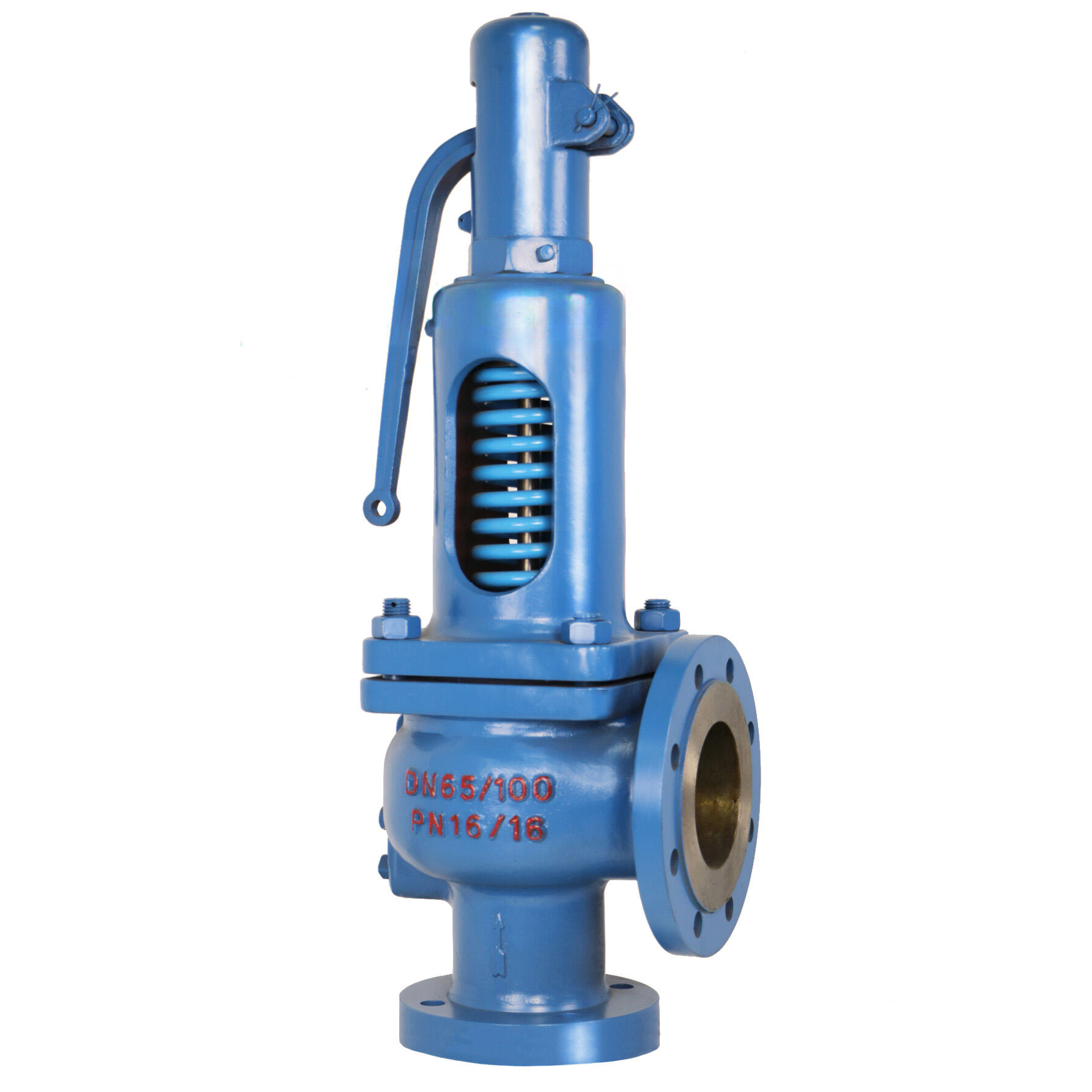
Industrial facilities handling liquefied gases at extremely low temperatures face unique challenges that demand specialized equipment. A cryogenic safety valve serves as a critical component in protecting personnel and equipment from dangerous pressure buildup in systems operating below -150°F (-101°C). These valves must withstand the harsh conditions of cryogenic applications while maintaining reliable operation when safety depends on their performance. Understanding the specific requirements and selection criteria for these essential safety devices can mean the difference between safe operations and catastrophic failure. The complexity of cryogenic systems requires careful consideration of material properties, operating pressures, and thermal dynamics that standard safety valves simply cannot handle.
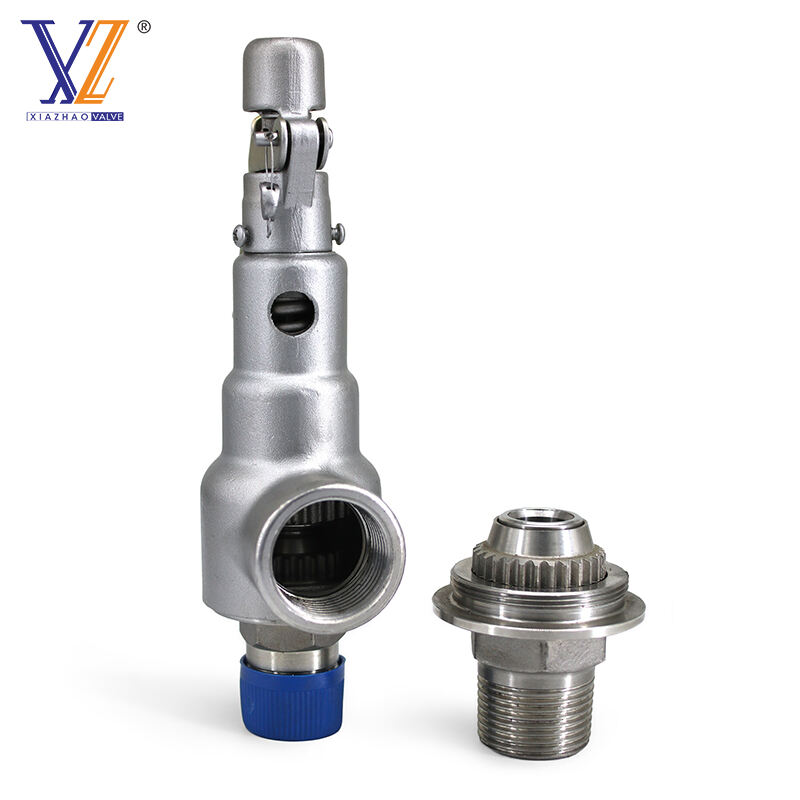
Understanding Cryogenic Operating Conditions
Temperature Extremes and Material Challenges
Cryogenic applications subject equipment to temperature ranges that create significant material stress and dimensional changes. Standard carbon steel becomes brittle at these extreme temperatures, making stainless steel alloys the preferred choice for cryogenic safety valve construction. The thermal shock experienced during rapid temperature changes can cause standard materials to crack or fail completely. Austenitic stainless steels like 316L maintain their ductility and strength at cryogenic temperatures, ensuring reliable valve operation throughout the temperature cycle.
The coefficient of thermal expansion differences between various components requires careful engineering to prevent binding or leakage. Valve seats and sealing surfaces must accommodate the dimensional changes without compromising the pressure relief function. Special consideration must be given to the valve internals, where differential thermal expansion could prevent proper opening or closing. These material science principles directly impact the selection process for any cryogenic safety valve application.
Pressure Dynamics in Cryogenic Systems
Pressure behavior in cryogenic systems differs significantly from ambient temperature applications due to the unique properties of liquefied gases. As cryogenic fluids absorb heat and vaporize, they can create rapid pressure increases that exceed the capacity of standard relief devices. The density difference between liquid and vapor phases means that even small heat inputs can generate substantial pressure rises. A properly sized cryogenic safety valve must account for these rapid pressure transients while maintaining stable operation.
The relationship between temperature and pressure in cryogenic systems requires specialized calculation methods for determining relief capacity requirements. Standard sizing formulas may not accurately predict the flow characteristics of cryogenic fluids through relief valves. Choking flow conditions and two-phase flow phenomena must be considered when selecting the appropriate valve size and configuration. These factors make proper engineering analysis essential for effective cryogenic safety valve selection.
Critical Design Features for Cryogenic Applications
Extended Bonnet Construction
Extended bonnet designs represent one of the most important features in cryogenic safety valve construction. This configuration positions the valve actuator and spring mechanism away from the extreme cold of the process fluid. The extended bonnet creates a thermal barrier that prevents the operating mechanism from becoming too cold to function properly. This design approach ensures that the valve spring maintains its calibrated characteristics and the actuator components remain operational.
The length of the bonnet extension must be carefully calculated based on the specific cryogenic fluid temperature and ambient conditions. Insufficient extension length can result in spring calibration drift or complete failure of the relief mechanism. The bonnet material and insulation requirements vary depending on the severity of the cryogenic application. Proper extended bonnet design is fundamental to reliable cryogenic safety valve performance in demanding industrial applications.
Sealing Technology and Leak Prevention
Sealing effectiveness becomes even more critical in cryogenic applications where leakage can create safety hazards and economic losses. Traditional elastomeric seals become rigid and lose their sealing capability at cryogenic temperatures. Metal-to-metal sealing surfaces or specialized low-temperature sealing compounds must be employed to maintain leak-tight operation. The valve seat design must accommodate thermal cycling without compromising the seal integrity.
Bellows-sealed designs offer advantages in cryogenic safety valve applications by eliminating potential leak paths through the valve stem. The bellows material must be compatible with cryogenic temperatures while maintaining flexibility throughout the operating range. Welded bellows construction typically provides superior reliability compared to formed bellows in these demanding applications. Proper sealing technology selection directly impacts both safety and operational efficiency in cryogenic systems.
Material Selection and Compatibility Requirements
Stainless Steel Grades and Properties
The selection of appropriate stainless steel grades forms the foundation of reliable cryogenic safety valve performance. Austenitic stainless steels maintain their mechanical properties at cryogenic temperatures while offering excellent corrosion resistance. Grade 316L provides superior performance in most cryogenic applications due to its low carbon content and molybdenum addition. The material's face-centered cubic crystal structure prevents the brittle transition that occurs in ferritic steels at low temperatures.
Special consideration must be given to the heat treatment and welding procedures used in manufacturing cryogenic safety valves. Improper heat treatment can create carbide precipitation that reduces corrosion resistance and impacts mechanical properties. Welding procedures must minimize heat input to prevent sensitization of the stainless steel. Material certification and testing at cryogenic temperatures verify that the selected grade meets the specific application requirements.
Special Alloys for Extreme Conditions
Some cryogenic applications require materials beyond standard stainless steel grades to handle extreme conditions or corrosive environments. Nickel-based alloys like Inconel or Hastelloy offer superior performance in oxidizing cryogenic environments. These materials maintain their strength and ductility at the lowest operating temperatures while providing enhanced corrosion resistance. The higher cost of these specialty alloys must be justified by the specific application requirements and operating conditions.
Aluminum alloys present another option for certain cryogenic safety valve applications where weight reduction is important. Properly selected aluminum grades maintain excellent mechanical properties at cryogenic temperatures while offering significant weight advantages. However, aluminum's lower strength compared to stainless steel may require larger valve bodies to achieve the same pressure ratings. Material compatibility with the specific cryogenic fluid must be thoroughly evaluated before final selection.
Sizing and Capacity Calculations
Flow Characteristics of Cryogenic Fluids
Calculating the required capacity for a cryogenic safety valve requires understanding the unique flow behavior of liquefied gases at low temperatures. The critical pressure ratio for cryogenic fluids often differs from that of gases at ambient temperature, affecting the choked flow calculations. Vapor density changes dramatically with temperature, influencing the mass flow rate through the relief valve. These factors necessitate specialized calculation methods that account for the thermodynamic properties of cryogenic fluids.
Two-phase flow conditions frequently occur in cryogenic safety valve applications as liquid flashes to vapor during the relief process. Standard gas flow equations may significantly underestimate or overestimate the actual relieving capacity under these conditions. Computational fluid dynamics modeling or specialized two-phase flow correlations provide more accurate capacity predictions. The complexity of these calculations often requires specialized software tools designed for cryogenic applications.
Pressure Relief Scenarios and Safety Factors
Identifying potential overpressure scenarios specific to cryogenic systems guides the sizing requirements for safety valves. External fire exposure represents a common sizing case, where rapid heat input vaporizes cryogenic liquids and creates extreme pressure rises. Blocked outlet conditions can trap vaporizing cryogenic fluids and generate pressures that exceed equipment design limits. Each potential scenario must be evaluated to determine the maximum relieving capacity requirements.
Safety factors applied to cryogenic safety valve sizing must account for the uncertainties in predicting cryogenic fluid behavior and potential variations in operating conditions. Industry codes and standards provide minimum safety factors, but specific applications may require additional margin based on the consequences of valve failure. The balance between adequate safety margin and economic considerations influences the final valve sizing decision. Oversizing can lead to stability problems, while undersizing creates obvious safety risks.
Installation and Maintenance Considerations
Proper Installation Practices
Installing a cryogenic safety valve requires specialized techniques that differ from standard valve installation procedures. The valve body must be properly insulated to prevent ice formation and maintain the thermal isolation provided by the extended bonnet design. Pipe stress analysis becomes critical as thermal cycling creates significant expansion and contraction forces that can affect valve alignment and performance. Support structures must accommodate these thermal movements without imposing excessive loads on the valve.
The inlet piping configuration significantly impacts cryogenic safety valve performance, particularly regarding pressure drop and flow distribution. Sharp elbows or restrictions immediately upstream of the valve can create turbulent flow patterns that affect relieving capacity and stability. Adequate straight pipe runs and properly designed inlet connections ensure optimal valve performance. The discharge piping must also be designed to handle the rapid expansion of cryogenic vapors during relief events.
Maintenance Requirements and Inspection Protocols
Maintenance programs for cryogenic safety valves must address the unique challenges posed by extreme temperature cycling and potential ice formation. Regular inspection schedules should include verification of the extended bonnet insulation integrity and checking for signs of thermal stress or fatigue. The valve spring calibration requires periodic verification as thermal cycling can affect spring characteristics over time. Specialized test equipment capable of simulating cryogenic conditions may be necessary for proper maintenance verification.
Replacement parts inventory for cryogenic safety valves must include materials specifically certified for low-temperature service. Standard replacement parts may not meet the material requirements for reliable cryogenic operation. Maintenance personnel require specialized training to understand the unique aspects of cryogenic safety valve service and repair. Documentation of maintenance activities becomes particularly important for tracking the performance history and predicting future maintenance needs in these demanding applications.
Industry Standards and Compliance Requirements
Applicable Codes and Standards
Cryogenic safety valve applications must comply with multiple industry standards that address both pressure relief requirements and low-temperature service conditions. The ASME Boiler and Pressure Vessel Code provides the foundation for pressure relief valve design and application, while additional standards like API 520 offer specific guidance for sizing calculations. ASME Section VIII Division 1 and 2 establish material requirements and design criteria for pressure vessels operating at cryogenic temperatures.
International standards such as ISO 4126 series provide alternative approaches to cryogenic safety valve design and testing that may be required for global applications. The European Pressure Equipment Directive and other regional regulations impose additional requirements for cryogenic equipment certification. Understanding the applicable standards and their specific requirements for cryogenic safety valve applications ensures compliance and proper documentation for regulatory approval.
Testing and Certification Procedures
Certification testing for cryogenic safety valves involves specialized procedures that verify performance under actual low-temperature conditions. Standard ambient temperature testing may not accurately predict valve behavior in cryogenic service due to material property changes and thermal effects. Cryogenic test facilities capable of simulating actual operating conditions provide the most reliable certification data. These tests verify set pressure accuracy, relieving capacity, and reseating characteristics under cryogenic conditions.
Documentation requirements for cryogenic safety valve certification extend beyond standard pressure relief valve records to include material certifications, cryogenic test data, and thermal analysis results. Traceability of materials and manufacturing processes becomes critical for ensuring consistent performance in safety-critical applications. Third-party certification may be required for certain applications, adding additional complexity to the procurement and installation process.
Common Applications and Selection Guidelines
Liquefied Natural Gas Systems
Liquefied natural gas facilities represent one of the largest applications for cryogenic safety valves due to the scale and safety requirements of LNG operations. Storage tanks operating at -259°F (-162°C) require specialized cryogenic safety valve designs capable of handling both liquid and vapor phases. The large volumes and rapid vaporization rates in LNG applications demand careful attention to valve sizing and capacity calculations. Fire exposure scenarios create particularly challenging design conditions where massive vapor generation requires high-capacity relief systems.
Process equipment in LNG facilities, including pumps, vaporizers, and transfer systems, each present unique cryogenic safety valve application requirements. The selection criteria must consider the specific process conditions, potential failure modes, and consequences of overpressure events. Material compatibility with natural gas and its trace components influences the valve construction materials and sealing technology choices. The harsh marine environment typical of many LNG facilities adds additional corrosion resistance requirements.
Industrial Gas Production and Distribution
Industrial gas production facilities handling oxygen, nitrogen, argon, and other cryogenic products require cryogenic safety valves throughout their process systems. Air separation plants operate multiple distillation columns at varying cryogenic temperatures, each requiring appropriate pressure relief protection. The high purity requirements for many industrial gas products demand specialized materials and cleaning procedures for cryogenic safety valve construction. Oxygen service applications require particular attention to material compatibility and fire resistance characteristics.
Distribution systems for industrial gases include road tankers, rail cars, and stationary storage vessels that must be equipped with appropriate cryogenic safety valves. Transportation applications face additional challenges from vibration, thermal cycling, and varying ambient conditions that can affect valve performance. The regulatory requirements for transportation of hazardous materials impose strict standards for cryogenic safety valve design and certification. Emergency response considerations influence the valve sizing and discharge arrangements for mobile applications.
FAQ
What makes a cryogenic safety valve different from a standard pressure relief valve?
A cryogenic safety valve incorporates specialized design features to handle the extreme low temperatures and unique properties of liquefied gases. The most significant difference is the extended bonnet construction that isolates the operating mechanism from the cryogenic temperatures, preventing the spring and actuator components from becoming too cold to function properly. Additionally, cryogenic safety valves use materials that maintain their mechanical properties at extremely low temperatures, typically austenitic stainless steels that resist brittle fracture. The sealing technology must also accommodate thermal cycling without leaking, often requiring metal-to-metal seats or specialized low-temperature sealing compounds.
How do I determine the correct size for a cryogenic safety valve?
Sizing a cryogenic safety valve requires specialized calculations that account for the unique flow characteristics of liquefied gases and potential two-phase flow conditions during relief events. The process involves identifying all possible overpressure scenarios, such as external fire exposure or blocked outlets, and calculating the maximum required relieving capacity for each case. Standard gas flow equations may not accurately predict cryogenic fluid behavior, so specialized software or correlations designed for low-temperature applications should be used. The calculation must also consider the critical pressure ratio, vapor density changes, and potential choking flow conditions specific to cryogenic fluids.
What maintenance is required for cryogenic safety valves?
Cryogenic safety valve maintenance requires specialized procedures that address the effects of extreme temperature cycling and potential ice formation. Regular inspections should verify the integrity of the extended bonnet insulation and check for signs of thermal stress or material fatigue. The valve spring calibration needs periodic verification since thermal cycling can affect spring characteristics over time. Maintenance personnel require training specific to cryogenic applications, and replacement parts must be certified for low-temperature service. Testing and recertification may require specialized cryogenic test facilities to verify performance under actual operating conditions.
Can standard materials be used in cryogenic safety valve construction?
Standard carbon steel and many common valve materials become brittle and unreliable at cryogenic temperatures, making them unsuitable for these applications. Cryogenic safety valves require materials that maintain their ductility and mechanical properties at extremely low temperatures, typically austenitic stainless steels like 316L that have a face-centered cubic crystal structure. For the most severe conditions or corrosive environments, specialized alloys such as Inconel or Hastelloy may be necessary. All materials used in cryogenic safety valve construction must be certified for low-temperature service and may require special heat treatment or welding procedures to ensure reliable performance throughout the temperature range.
Table of Contents
- Understanding Cryogenic Operating Conditions
- Critical Design Features for Cryogenic Applications
- Material Selection and Compatibility Requirements
- Sizing and Capacity Calculations
- Installation and Maintenance Considerations
- Industry Standards and Compliance Requirements
- Common Applications and Selection Guidelines
- FAQ