EN
EN

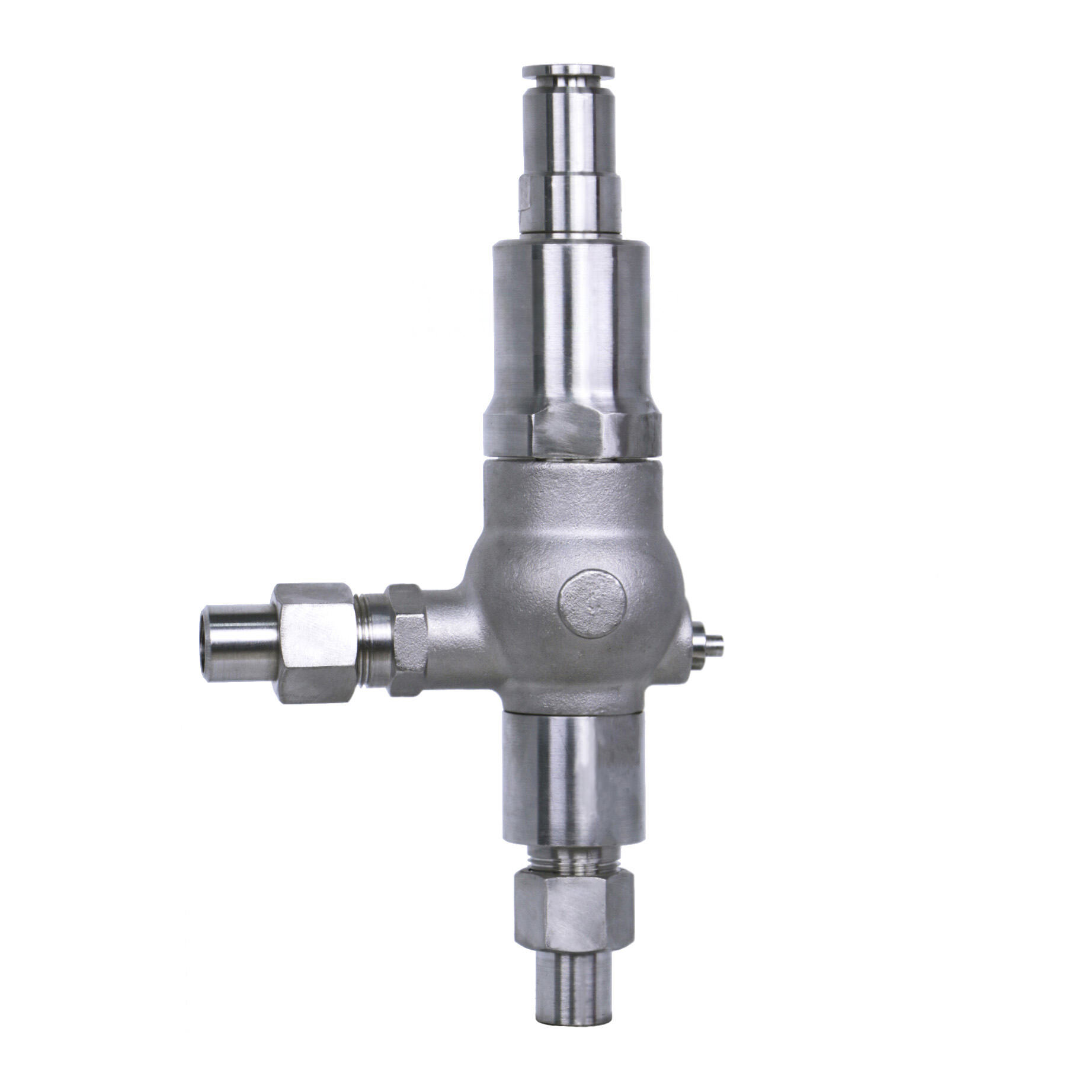
Understanding safety valve prices requires careful analysis of multiple factors that influence cost, performance, and long-term value. Industrial facilities rely heavily on these critical components to protect equipment and personnel from overpressure conditions. When evaluating safety valve prices, procurement professionals must consider material specifications, manufacturing standards, certification requirements, and operational parameters that directly impact both initial investment and lifecycle costs.
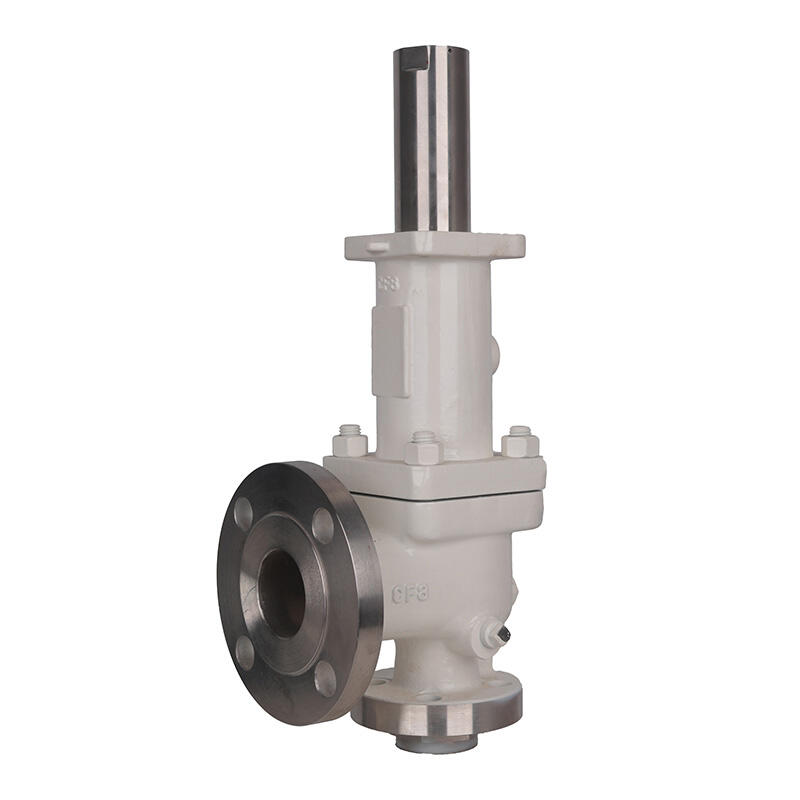
Market dynamics significantly affect safety valve prices across different industrial sectors. Oil and gas operations typically require specialized valves with enhanced corrosion resistance and precise pressure control capabilities. Chemical processing facilities demand materials that withstand aggressive media, while power generation plants need valves capable of handling high-temperature steam applications. Each application drives specific design requirements that influence manufacturing complexity and material selection, ultimately affecting pricing structures.
Quality standards and regulatory compliance add substantial value to safety valve investments beyond basic price considerations. API 526 certification ensures dimensional consistency and performance reliability across manufacturers. ASME Boiler and Pressure Vessel Code compliance guarantees adherence to stringent safety requirements. These certifications represent significant engineering validation and testing investments that manufacturers incorporate into their pricing models while delivering enhanced reliability and regulatory acceptance.
Material Specifications Impact on Pricing
Carbon Steel Construction Advantages
Carbon steel safety valves offer excellent value propositions for standard industrial applications where corrosion resistance requirements are moderate. WCB (Wrought Carbon steel Bonnet) construction provides robust mechanical properties and cost-effective manufacturing. These valves typically represent the most economical option when evaluating safety valve prices for general process applications including steam, air, and non-corrosive gas services.
Manufacturing efficiency with carbon steel materials enables competitive pricing while maintaining performance standards. Established supply chains and standardized machining processes reduce production costs compared to exotic alloy alternatives. Heat treatment requirements are minimal, and welding procedures are well-established across manufacturing facilities. These factors contribute to stable pricing structures and reliable delivery schedules for carbon steel safety valve configurations.
Stainless Steel Premium Options
Stainless steel construction commands premium pricing due to superior corrosion resistance and extended service life expectations. Type 316 stainless steel trim components provide enhanced chemical compatibility for aggressive process media. The material premium directly impacts safety valve prices but delivers substantial value through reduced maintenance requirements and extended replacement intervals in corrosive environments.
Investment in stainless steel safety valves demonstrates lifecycle cost optimization rather than simple initial cost minimization. Reduced frequency of valve replacement, decreased maintenance interventions, and improved process reliability justify higher upfront costs. Industries processing corrosive chemicals, marine applications, and food-grade operations typically achieve positive return on investment through stainless steel valve selection despite elevated initial safety valve prices.
Pressure Rating Classifications
ANSI Class 150 Applications
Class 150 pressure ratings represent the most common specification in industrial safety valve applications, offering optimal balance between performance capability and cost effectiveness. These pressure ratings accommodate working pressures up to 285 psig at ambient temperatures, covering majority of process applications. Manufacturing volumes for Class 150 configurations enable competitive safety valve prices through economies of scale and standardized production processes.
Design simplicity and material efficiency in Class 150 construction reduce manufacturing complexity compared to higher pressure ratings. Thinner wall sections, standard bolt patterns, and conventional gasket designs minimize material consumption while maintaining structural integrity. These factors contribute to attractive safety valve prices for applications where moderate pressure ratings suffice for process requirements.
Higher Pressure Rating Premiums
Class 300, 600, and higher pressure ratings require enhanced material thickness, specialized manufacturing processes, and rigorous quality control measures that significantly impact pricing structures. Forged construction methods replace casting processes for superior mechanical properties. Advanced heat treatment procedures ensure metallurgical integrity under elevated pressure conditions. These manufacturing requirements substantially increase safety valve prices compared to standard Class 150 alternatives.
Engineering complexity increases exponentially with pressure rating requirements, demanding specialized design analysis and validation testing. Finite element analysis, stress calculation verification, and prototype testing add development costs that manufacturers incorporate into final pricing. High-pressure applications justify these premiums through enhanced safety margins and operational reliability under extreme conditions.
Sizing Parameters and Cost Relationships
Inlet Connection Dimensions
Valve sizing directly correlates with material consumption, manufacturing complexity, and resulting safety valve prices across different inlet connection sizes. Standard sizes including 1 inch, 1.5 inch, 2 inch, and 3 inch represent common industrial applications with established manufacturing processes. Larger inlet dimensions require proportionally increased material quantities, machining time, and quality control efforts that scale pricing accordingly.
Manufacturing efficiency peaks at intermediate sizes where production volumes justify dedicated tooling investments while material costs remain reasonable. Extremely small sizes may carry premium pricing due to precision machining requirements and limited production volumes. Conversely, very large sizes command substantial premiums due to material costs, specialized handling equipment, and extended manufacturing cycles that influence overall safety valve prices.
Capacity Requirements Analysis
Flow capacity calculations determine appropriate valve sizing and directly influence safety valve prices through orifice area requirements. API 526 standard orifice designations provide standardized sizing increments that optimize manufacturing efficiency. Proper capacity selection ensures adequate pressure relief while avoiding oversizing that unnecessarily increases equipment costs without operational benefits.
Computational fluid dynamics analysis and flow coefficient calculations enable precise capacity determination for specific applications. Undersized valves create safety risks and regulatory compliance issues, while oversized selections waste capital resources through elevated safety valve prices. Professional engineering analysis balances capacity requirements with cost optimization to achieve optimal valve selection for each application.
Service Application Considerations
Gas Service Specifications
Gas service applications demand specialized design features that influence safety valve prices through enhanced manufacturing requirements. Compressible flow characteristics require different orifice calculations compared to liquid services. Seat leakage specifications become critical for gas applications where even minor seepage can create safety hazards or environmental concerns. These requirements necessitate precision manufacturing and quality control measures that affect pricing structures.
Material selection for gas service applications must address potential hydrogen embrittlement, stress corrosion cracking, and other gas-specific degradation mechanisms. Specialized heat treatment procedures and material certifications ensure long-term reliability under gas service conditions. These additional requirements contribute to safety valve prices while delivering enhanced performance and safety in gas handling applications.
Steam and Vapor Applications
Steam service creates unique challenges requiring specialized design considerations that impact safety valve prices through material selection and manufacturing complexity. High-temperature exposure demands materials capable of maintaining mechanical properties under thermal cycling conditions. Superheated steam applications require additional design margin and specialized materials that command premium pricing compared to standard configurations.
Condensation management becomes critical in steam applications where temperature variations can cause operational issues. Specialized drain connections, heating provisions, and insulation considerations add complexity to valve design and installation. These requirements influence total system costs beyond basic safety valve prices while ensuring reliable operation under challenging thermal conditions.
Quality Certifications and Standards
API 526 Compliance Benefits
API 526 certification ensures dimensional interchangeability and performance consistency across different manufacturers, providing significant value beyond initial safety valve prices. Standardized orifice areas, inlet and outlet dimensions, and mounting configurations enable direct replacement capability without system modifications. This standardization reduces long-term ownership costs through simplified maintenance and replacement procedures.
Certification processes involve rigorous testing and validation procedures that manufacturers incorporate into their pricing structures. Flow capacity verification, seat leakage testing, and dimensional inspection ensure compliance with API 526 requirements. These quality assurance measures justify premium safety valve prices through enhanced reliability and regulatory acceptance across industrial applications.
ASME Code Certification
ASME Boiler and Pressure Vessel Code certification represents the highest standard for pressure relief device quality and performance validation. Code stamp authorization requires comprehensive quality management systems, certified personnel, and rigorous manufacturing procedures. These requirements significantly influence safety valve prices while delivering uncompromising quality and regulatory compliance for critical applications.
Investment in ASME certification demonstrates manufacturer commitment to quality excellence and customer safety. Authorized inspection requirements, material traceability, and documentation procedures ensure complete compliance with regulatory standards. While these certifications increase safety valve prices, they provide essential value for applications where safety and reliability cannot be compromised.
Market Analysis and Procurement Strategies
Supplier Evaluation Criteria
Effective procurement requires comprehensive supplier evaluation beyond simple safety valve prices comparison. Manufacturing capabilities, quality certifications, delivery performance, and technical support services significantly impact total value delivered. Established manufacturers with proven track records often justify premium pricing through superior product quality and customer service capabilities.
Global sourcing options provide opportunities for cost optimization while requiring careful evaluation of quality standards and delivery reliability. Regional suppliers may offer competitive safety valve prices and reduced shipping costs but require thorough qualification to ensure product quality and technical compliance. Balancing cost considerations with quality requirements demands comprehensive supplier assessment and validation processes.
Volume Purchasing Advantages
Bulk purchasing strategies can significantly reduce unit safety valve prices through manufacturer volume discounts and production efficiency optimization. Standardization across multiple applications enables larger order quantities and improved negotiating positions. Annual blanket orders provide predictable demand forecasts that manufacturers can leverage for competitive pricing structures.
Inventory management considerations must balance volume purchasing benefits with carrying costs and obsolescence risks. Safety valve prices may fluctuate due to raw material costs, energy expenses, and manufacturing capacity utilization. Strategic purchasing timing and supplier relationship management can optimize total procurement costs while ensuring adequate inventory availability for maintenance and expansion requirements.
Installation and Maintenance Cost Factors
Installation Requirements
Installation complexity significantly influences total project costs beyond basic safety valve prices considerations. Proper mounting orientation, piping connections, and accessibility requirements affect installation labor and material costs. Specialized lifting equipment may be required for large valves, while confined space installations demand additional safety precautions and specialized personnel.
Commissioning procedures including hydrostatic testing, set pressure verification, and performance validation add project costs that must be considered alongside safety valve prices. Proper installation ensures optimal valve performance and regulatory compliance while avoiding costly rework or performance issues. Professional installation services may justify additional costs through expertise and warranty protection.
Lifecycle Maintenance Planning
Maintenance requirements significantly impact total ownership costs beyond initial safety valve prices investment. Regular inspection intervals, testing procedures, and component replacement schedules must be established based on service conditions and regulatory requirements. Preventive maintenance programs optimize valve performance while minimizing unexpected failures and associated costs.
Spare parts availability and pricing should be evaluated during initial valve selection to ensure long-term serviceability. Standardized designs with readily available components reduce maintenance costs compared to proprietary configurations with limited parts availability. Comprehensive maintenance planning considers these factors alongside initial safety valve prices to optimize total lifecycle costs.
FAQ
What factors most significantly influence safety valve prices
Material selection, pressure rating, size, and certification requirements represent the primary factors affecting safety valve prices. Carbon steel construction offers the most economical option, while stainless steel materials command premium pricing for enhanced corrosion resistance. Higher pressure ratings require thicker materials and specialized manufacturing processes that increase costs. API 526 and ASME certifications add value through quality assurance but increase initial pricing.
How do I determine the appropriate safety valve size for my application
Proper sizing requires calculation of required flow capacity based on process conditions, fluid properties, and relief scenarios. API 520 provides standardized sizing methodologies for different applications. Professional engineering analysis ensures adequate capacity while avoiding oversizing that unnecessarily increases safety valve prices. Consulting with qualified engineers or valve manufacturers ensures optimal selection for specific applications.
Are higher-priced safety valves always better quality
Price alone does not guarantee quality, but certified manufacturers typically justify premium safety valve prices through superior materials, manufacturing processes, and quality control measures. API 526 and ASME certifications provide objective quality indicators beyond pricing considerations. Established manufacturers with proven track records often deliver superior value despite higher initial costs through enhanced reliability and customer support.
When should I consider stainless steel construction despite higher costs
Stainless steel construction justifies premium pricing in corrosive environments where carbon steel would experience accelerated degradation. Chemical processing, marine applications, and food-grade services typically require stainless steel materials for optimal performance. Lifecycle cost analysis often demonstrates positive return on investment through reduced maintenance and extended service life despite elevated initial safety valve prices.