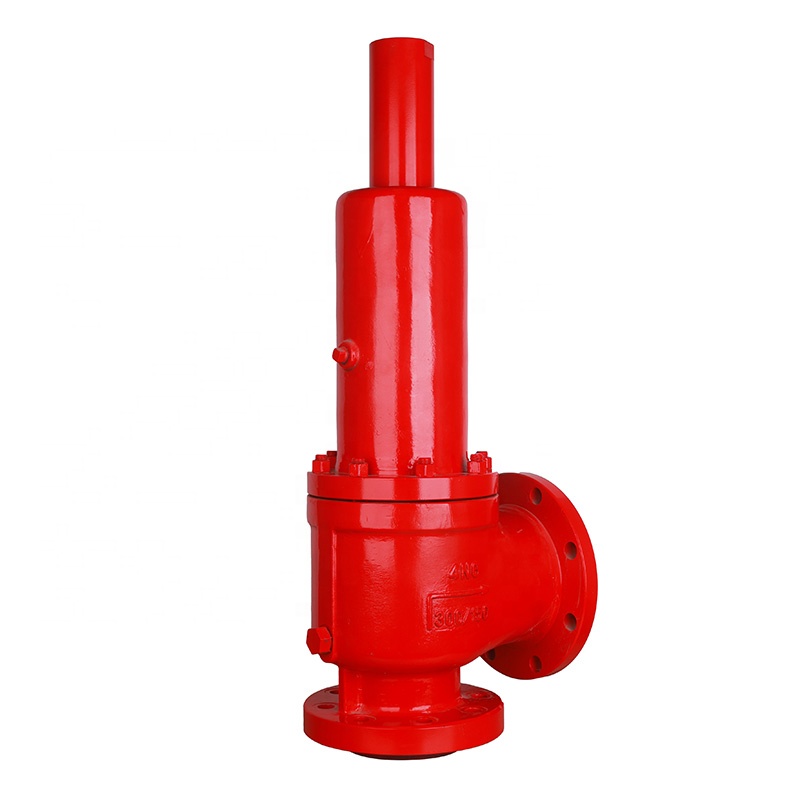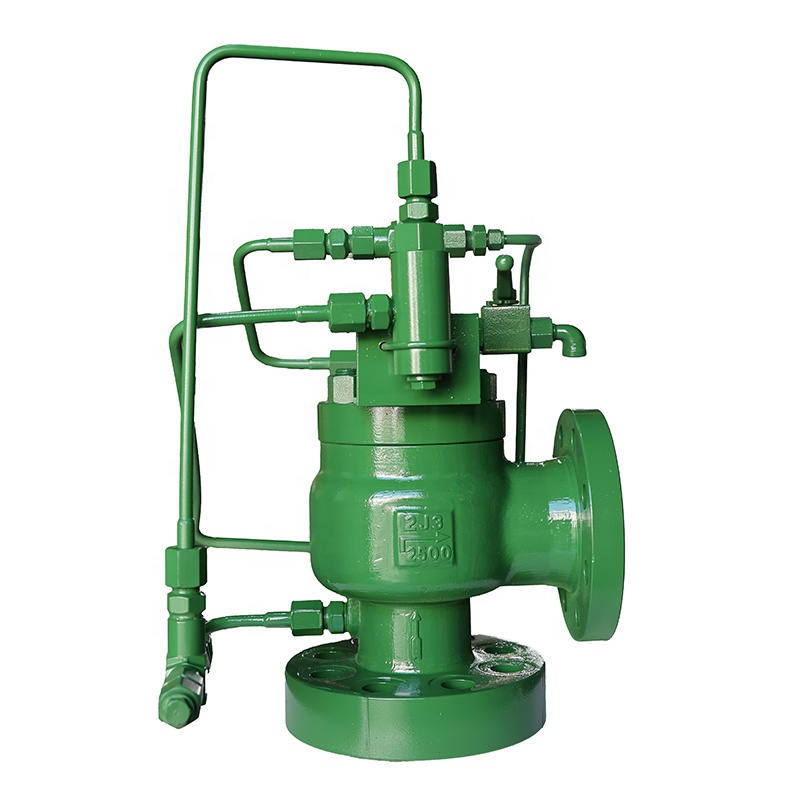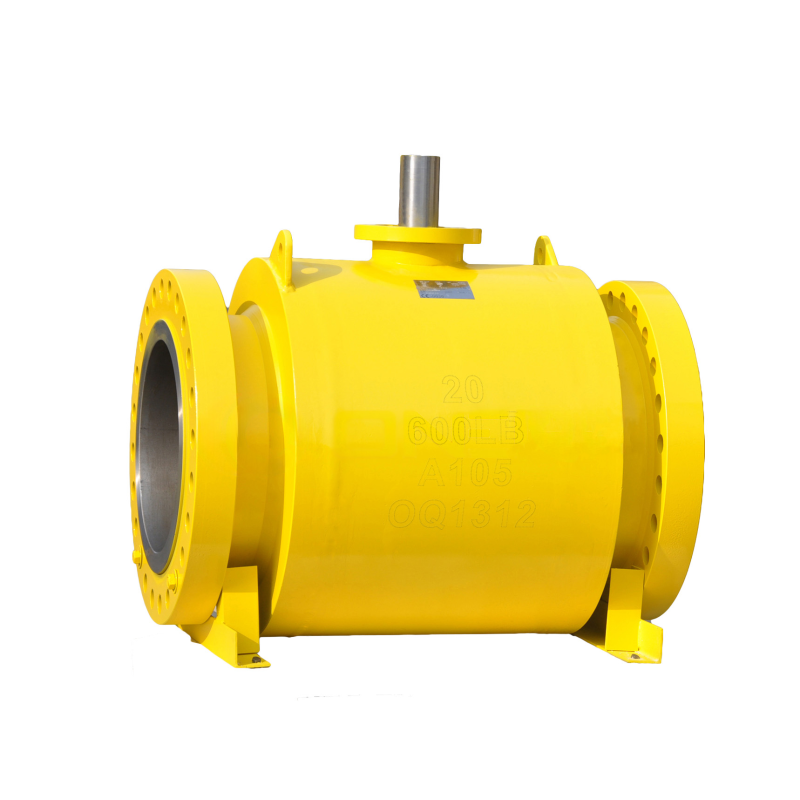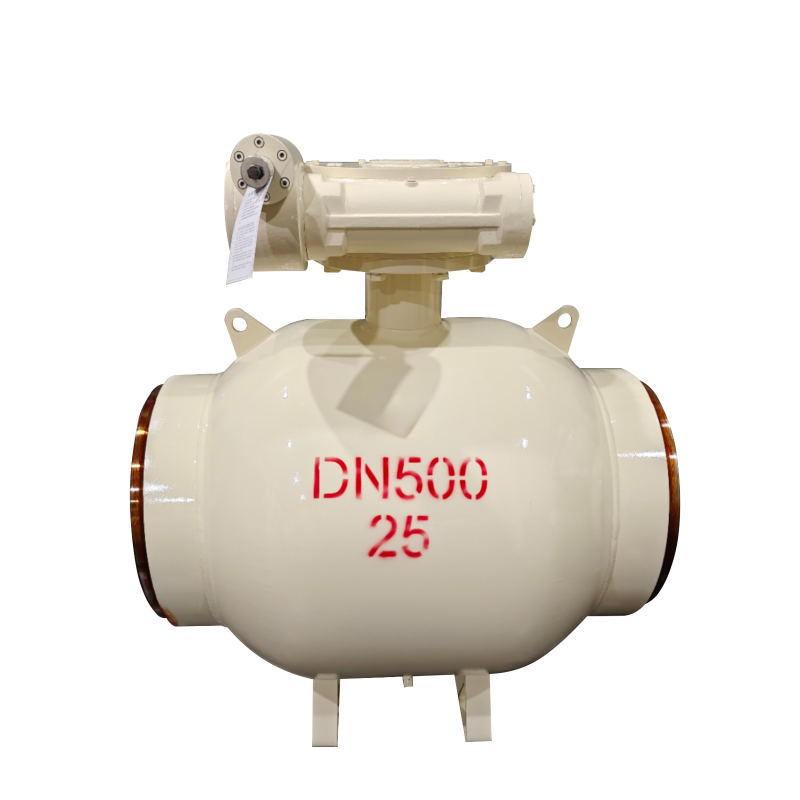

Hiilivetykaasu (HC-kaasu) on yleinen vaarallinen väliaine, jota käytetään laajalti luonnonkaasun käsittelyssä, petrokemiallisessa jalostuksessa ja kaasun siirrossa; se tunnetaan syttyvyydestään, rä explosiveisuudestaan ja tiukista vuotokontrollivaatimuksistaan. Perinteiset jousikuormitettujen turvaventtiilien suorituskyky ei ole riittävän tarkka ja vakaa tiukkojen toimintaehtojen vallitessa, kuten pienissä paine-eroissa, korkeassa takaisku-paineessa ja suurissa turvavirtausmääriässä. Pilottoitu turvaventtiili (POSRV) on luotettava korkean suorituskyvyn ylipainesuojauslaitteisto, joka on erityisesti suunniteltu monimutkaisiin HC-kaasun käyttötilanteisiin. Tässä artikkelissa käsitellään systemaattisesti pilottoitujen turvaventtiilien valintakriteerejä, keskeisiä teknisiä etuja, sovellettavia käyttötilanteita ja standardoituja mitoitusspesifikaatioita HC-kaasun käytölle, ottamalla lähtökohdaksi kenttätestattuja insinööritietoja Bintulun lisäkaasumyyntilaitoksen (BAGSF) projektista. Tämä analyysi noudattaa API 520 - ja ASME Section VIII -kansallisvia standardeja ja tarjoaa virallisesti hyväksyttyjä teknisiä viitteitä prosessi-insinööreille ja vanhoille hankintaprosessien asiantuntijoille, jotka osallistuvat globaaleihin petrokemiallisiin projekteihin.
Ylipaineensuoja toimii kriittisenä viimeisenä turvavarana paineistetuissa hiilivetykaasuprosessijärjestelmissä. Jopa pieni turvaventtiilien sisäinen vuoto voi aiheuttaa jatkuvaa hiilivetykaasun menetystä, lisätä tulipalon ja räjähdyksen vaaraa sekä johtaa globaalien vuotokasvujen sääntöjen noudattamatta jättämiseen.
Rajoitettuna omien mekaanisten rajoitustensa vuoksi jousikuormitettuja turvaventtiilejä vaivaa huomattava istukkatiukkuuden vuotaminen, kun käyttöpaine lähestyy aseteltua painearvoa. Lisäksi niiden purkukapasiteetti ja avautumistarkkuus ovat erityisen herkkiä alapuolisen vastapaineen vaikutukselle. Sen sijaan ohjausventtiilillä varustettuja turvaventtiilejä (POSRV) käytetään jakautuneessa rakenteessa, jossa paineen tunnistus ja pääventtiilin toiminta erotetaan toisistaan erillisellä ohjausyksiköllä. Tämä ainutlaatuinen rakenne tarjoaa erinomaisen tiukkuuden tiukentumiskykyyn, täydellisen suojan vastapaineelta sekä vakauden korkean virtausnopeuden turvapurkauksessa, mikä tekee POSRV-venttiileistä optimaalisen ylipainesuojaratkaisun monimutkaisiin ja vaativiin HC-kaasujen käyttöolosuhteisiin petrokemiallisissa ja luonnonkaasulaitoksissa.
Tässä artikkelissa tehdään syvällistä insinöörianalyysia ja tiivistetään yleisiä POSRV-venttiilien valintaperiaatteita hiilivetykaasun teollisiin sovelluksiin perustuen BAGSF-varoputkiston suojausjärjestelmän kokeelliseen turvaventtiiliin (piirustusnumero 05-BAGSF-B-1007-1), joka on suunniteltu prosessikaavion (P&ID) ja prosessisuunnittelun todellisten tietojen perusteella.
Kokeellinen turvaventtiili on asennettu BAGSF-varoputkistoon ABF-PSV:hen, jotta varmistetaan BIF-prosessiyksikön ylipainesuojaus BAGSF-kaasukäsittelylaitoksessa. Täydellinen joukko suunnitteluparametrejä – paine, lämpötila, purkukapasiteetti, takapaine ja ohjausrakenne – on esitetty alla.
Tekniset tiedot |
Numerinen arvo |
Tekninen kuvaus |
Laitteen suunnittelupaine |
63,8 bar(g) |
Vastaa venttiilin asetuspainetta |
Alin normaalikäyttöpaine |
56,5 bar(g) |
Pitkäaikainen vakaa käyttöpaine |
Suurin normaalikäyttöpaine |
61 barg |
Tavalliselle käyttöpaineelle asetettu yläraja |
Venttiilin asetuspaine |
63,8 bar(g) |
Ennalta määritetty aktivoitumispaine |
Sallittu ylipainesuhde |
10% |
Täydellinen turvaventtiilin avautumispaine: 70,18 barg |
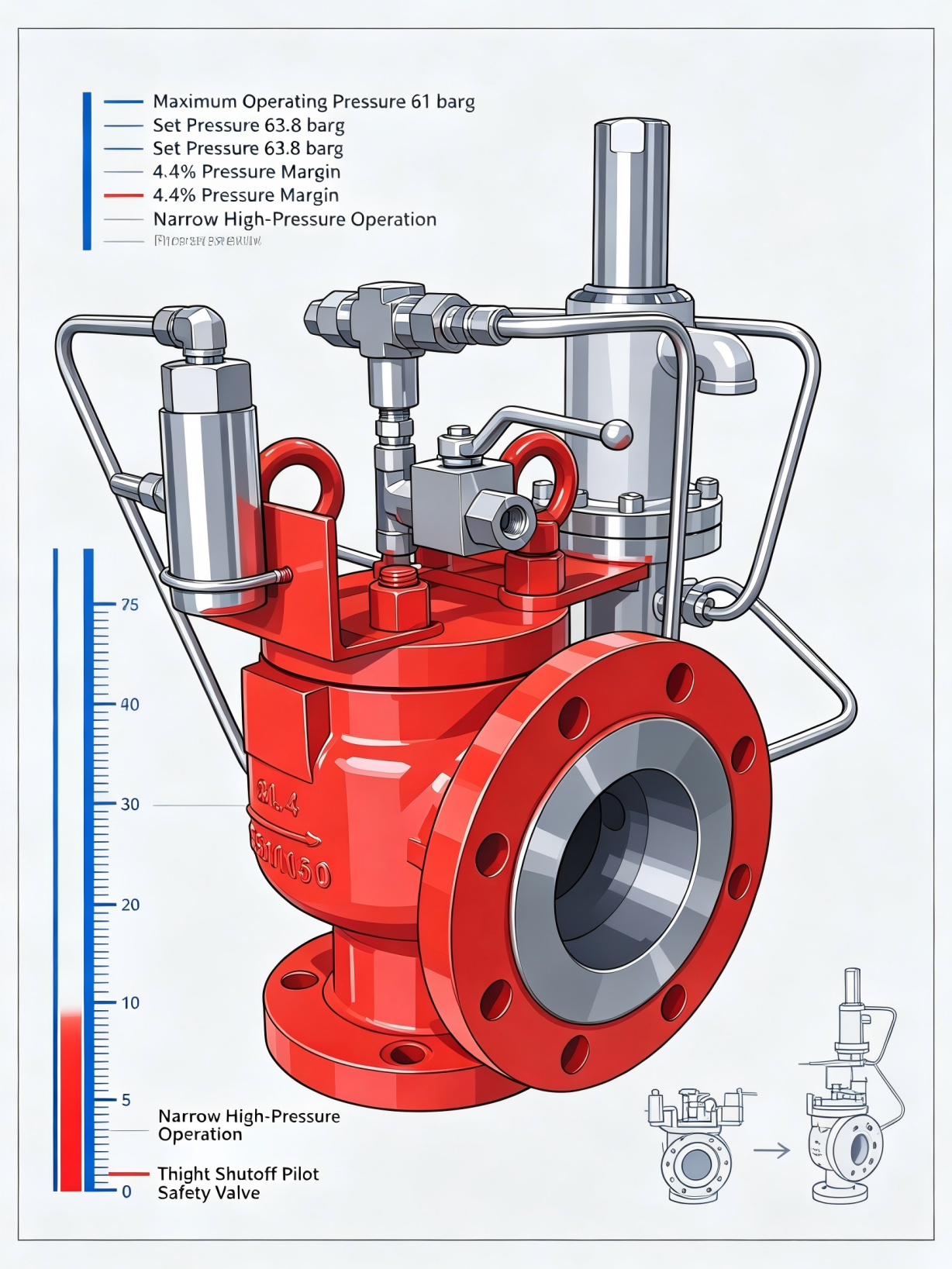
Tämän käyttöolosuhteen keskeinen tekninen ominaisuus on erinomaisen kapea painemarginaali: suurimman käyttöpaineen ja asetuspaineen välinen ero on vain 2,8 bar, mikä vastaa ainoastaan 4,4 %:a asetuspaineesta. Tällaisissa kapeamarginaalisissa korkeapainekäyttötilanteissa jousitetut turvaventtiilit aiheuttavat jatkuvaa mikrovuotoa paljon ennen kuin ne saavuttavat asetuspaineensa. Sen sijaan Xiazhao:n ohjattavat turvaventtiilit eivät aiheuta näkyvää vuotamista, kunnes päästö tapahtuu 97 %:n asetuspaineesta, mikä poistaa tehokkaasti hiilivetykaasun vuotamisriskin ja ratkaisee perinteisten turvaventtiilien yleisen tiivistysongelman pitkäaikaisessa jatkuvassa käytössä.
Tämä lämpötilaväli kuuluu lievään keskilämpötilaiseen käyttöön. Standardimainen hiiliteräksestä valmistettu venttiilirunko yhdessä ruostumattomasta teräksestä valmistetun sisäisen varustuksen ja fluoropolymeeristä valmistettujen pehmeiden tiivistysten kanssa täyttää täysin tämän projektin vaatimukset korroosionestolta ja alhaisen lämpötilan haurastumisen estämiseltä.
Kaikki virtauslaskelmat noudattavat tiukasti API 520 -osan I mukaisia todellisen kaasun mitoitusvaatimuksia hiilivetykaasujen sovelluksissa.
Mitoitusindeksi |
Tekninen data |
Prosessimateriaali |
HC-hiilivetykaasun höyry |
Vaadittu yksittäisen venttiilin turvalähtökapasiteetti |
181 300 kg/h |
Kaasun molekyylipaino |
19,38 g/mol |
Puristuvuuskerroin (Z) |
0.8305 |
Isentrooppinen ominaislämpösuhteellisuus (k) |
1.200 |
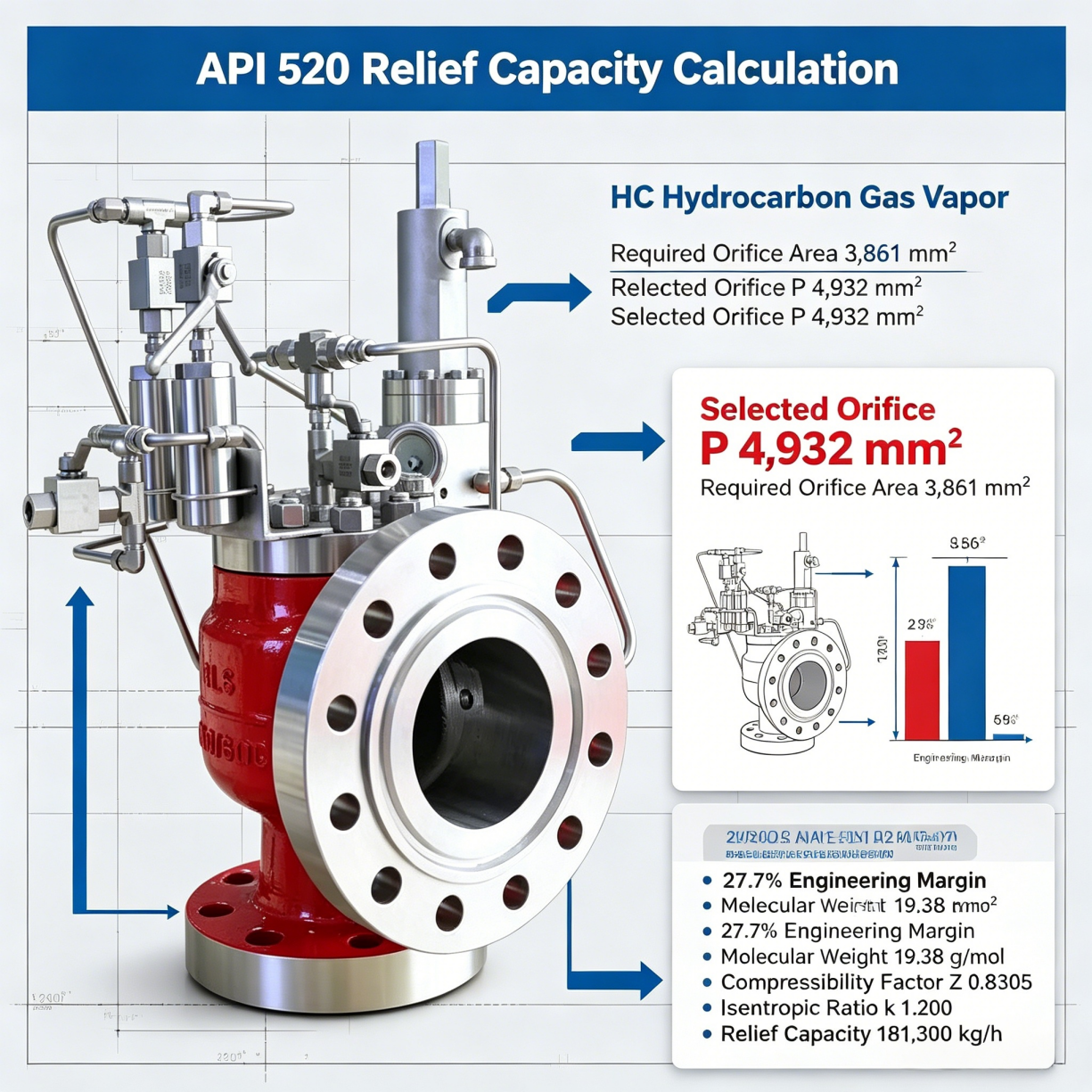
Laskettu pienin tehokas rei’än pinta-ala |
3 861 mm² |
Valittu standardirei’än määrittely |
Rei’än P, 4 932,248 mm² |
Todellinen valittu rei’än pinta-ala ylittää teoreettisen vähimmäisvaatimuksen 27,7 %:lla, mikä varaa riittävän suuren teknisen turvamarginaalin odottamattomia paineen nousuja vastaan. Tarkka HC-kaasun höyryn rei’än kokoaminen vaatii molekyylipainon, puristuvuuskertoimen ja adiabaattisen laajenemiskertoimen huomioimista, jotta vältetään liian pieni rei’än koko, joka johtuisi ideaalikaasun yksinkertaistuksesta.
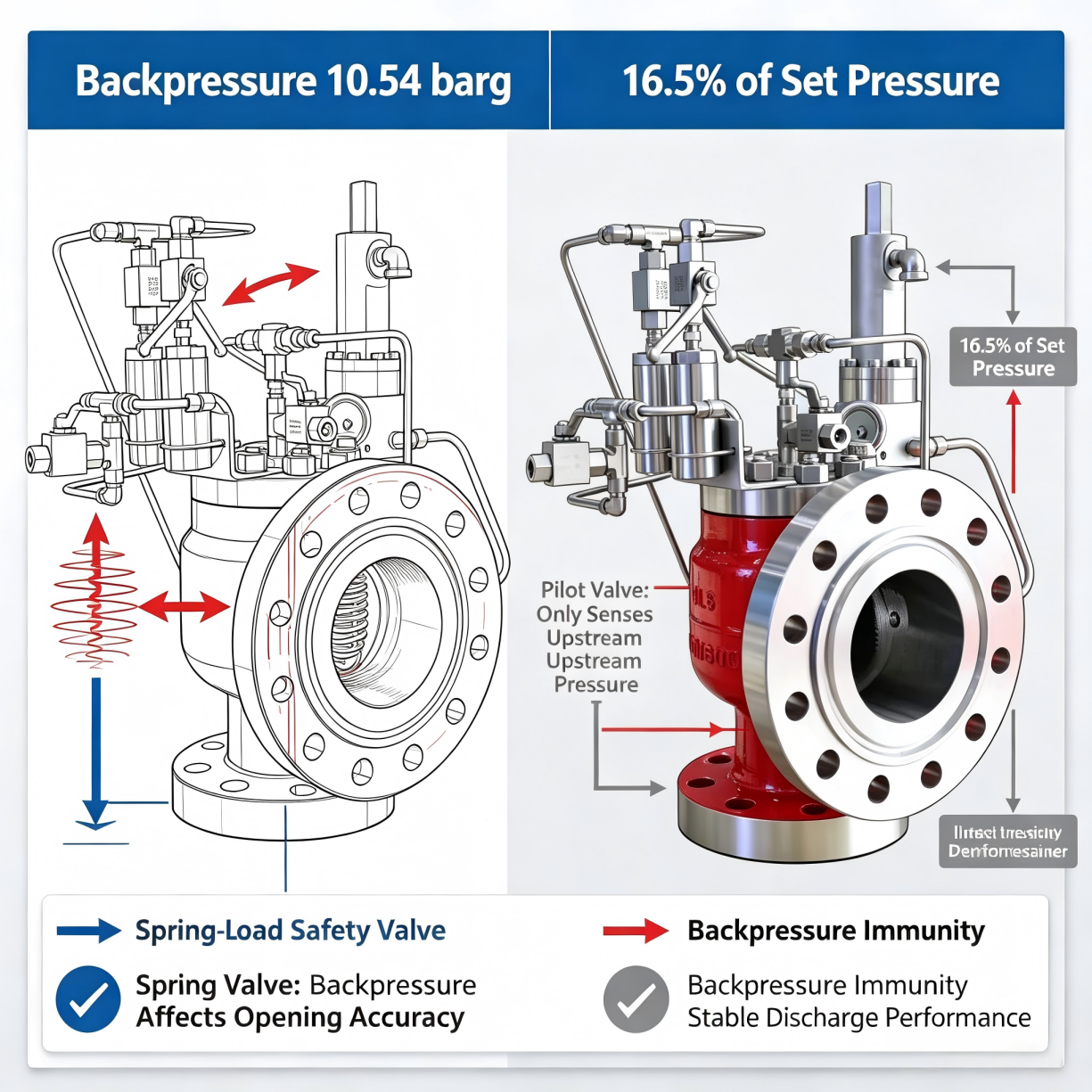
Kokonaistakapaine venttiilin ulostulossa on 10,54 bar(g), mikä vastaa 16,5 %:a venttiilin asetetusta paineesta.
Perinteisissä jousikuormituksisissa turvaventtiileissä alapuolinen takapaine vastatoimii jousien esikuormitusta, mikä johtaa todellisen avautumispaineen siirtymiseen ja purkutulon kapasiteetin heikkenemiseen. Sen sijaan POSRV-venttiilien ohjausjärjestelmä havaitsee ainoastaan yläpuolisen prosessipaineen ja erottaa täysin alapuolisen takapaineen häiriövaikutukset. Sen avautumistarkkuus ja täysi purkukapasiteetti pysyvät vakaina riippumatta takapaineen vaihteluista, mikä on keskeinen perustelu pilottoituun turvaventtiiliin siirtymiselle tässä korkean takapaineen omaavassa putkistoprojektissa.
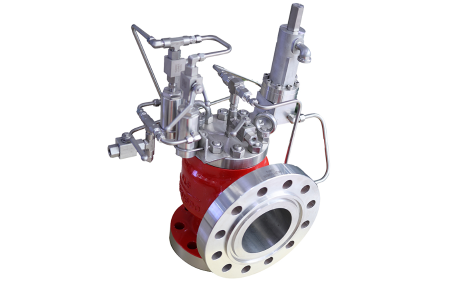
Venttiili on varustettu pilottoitulla napsautusohjatulla ei virtaa kulkemalla pilotrakenteella, joka tarjoaa kohdennettuja etuja HC-kaasumediaan:
Xiazhao:n ohjattavat turvaventtiilit, joiden painemarginaali maksimikäyttöpaineen ja asetuspaineen välillä on vain 4,4 %, hallitsevat vuotomäärän alle 0,01 kuplaa minuutissa ennen käynnistystä hiilivetykaasun (HC) käsittelyssä, saavuttaen alan johtavan tiukkuuden sulkeutumisominaisuuden. Vertailussa jousikuormitettujen venttiilien vuotomäärä on selvästi havaittavissa samoissa käyttöolosuhteissa. Syttyvien hiilivetykaasujen kohdalla pitkäaikainen mikrovuoto aiheuttaa taloudellisia tappioita, mahdollisia turvallisuusriskiä ja ei täytä kansainvälisiä vuotopäästöstandardeja.
Riippumatta vakioisesta staattisesta vastapaineesta tai rinnakkaisvalvainten vapautusoperaatioista syntyvästä vaihtelevasta dynaamisesta vastapaineesta ohjausventtiilillä toimivan turvaventtiilin itsenäinen ohjauspaineen mittausyksikkö poistaa alapuolella olevan paineen vaikutuksen. Se säilyttää merkityksettömän asetuspaineen poikkeaman ja nollavirtauksen vaimennuksen, mikä tekee tästä korkean vastapaineen kestävän turvaventtiilin ihanteellisen monimutkaisten kaasunpoistojärjestelmien käyttöön, joita laajalti käytetään kaasukäsittelylaitoksissa.
POSUV-venttiilit ovat varustettu pistooltyyppisellä pääventtiilirakenteella, joka tarjoaa suuremman tehollisen poistopinta-alan kuin jousilla toimivat vastaavat venttiilit samalla nimellisellä tulokoko mitalla, mikä mahdollistaa erinomaisen suurivirtauskykyisen vapautustoiminnon suurikapasiteettisille hiilivetykaasujärjestelmille. Tässä hankkeessa vaadittava suurivirtauskyky 181 300 kg/h hiilivetykaasun höyrylle täyttyy täysin standardin P-kanavan ohjausventtiilillä ilman liian suuria venttiilikuntoja tai monimutkaisia usean venttiilin rinnakkaiskonfiguraatioita.
Sopii happamalle kaasulle, kosteille hiilivetyille ja syövyille teollisille ympäristöille; Xiazhao-venttiili tukee mukautettuja sisäisiä kiertomateriaaleja (316L-ruostumaton teräs, Monel, Hastelloy) ja huippuluokan korroosiosuojapinnoitteita. BAGSF-hankkeessa luokitellaan C3-luokan kohtalaisen teollisen korroosion ympäristöksi, ja käytetään kestävää epoksipinnoitetta ulkopinnalle sekä ruostumatonta terästä kastuvien osien valintaan, jotta venttiilin käyttöikää pidennetään ja varmistetaan pitkäaikainen luotettava toiminta.
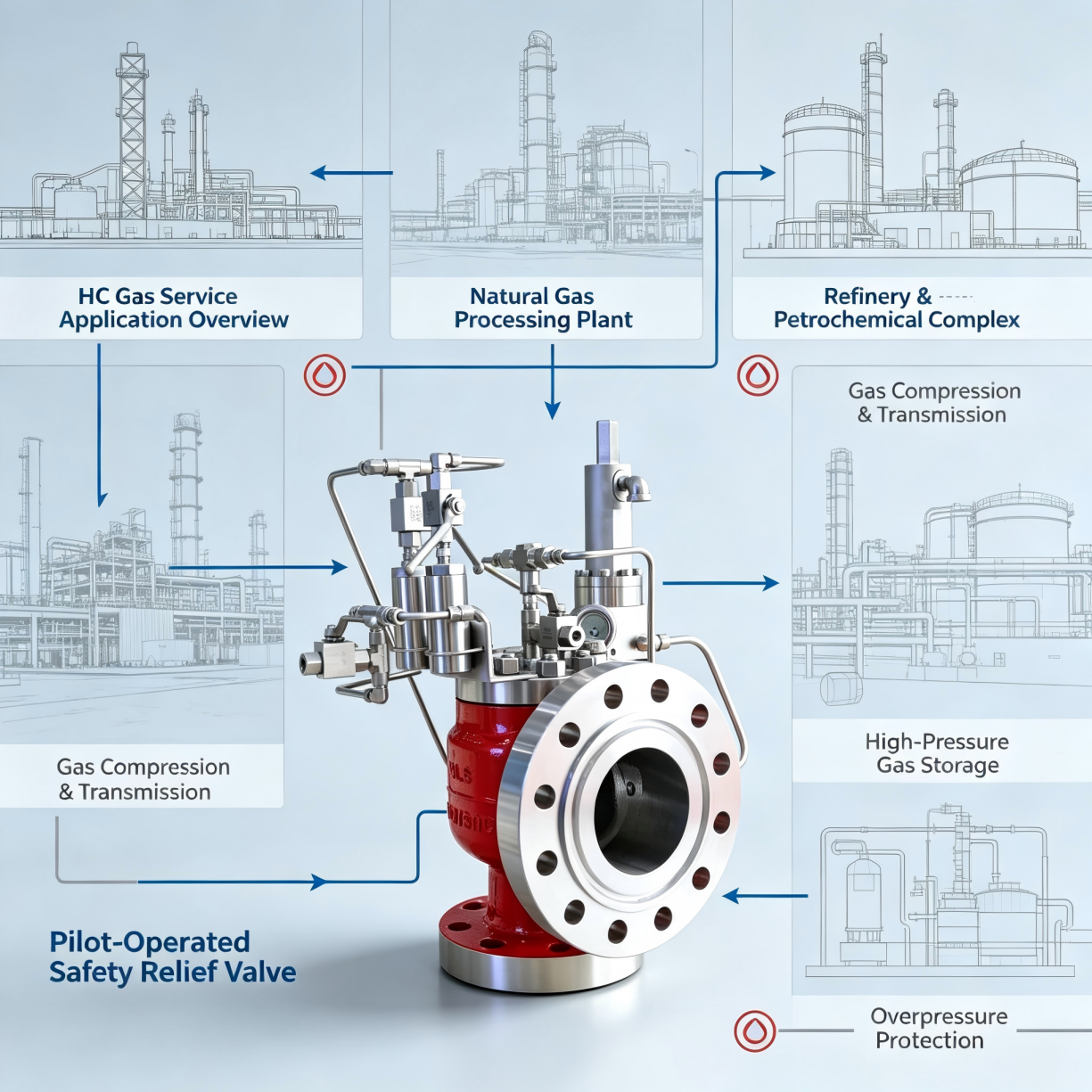
BAGSF-insinööritapauksen vahvistamana POSRV-venttiilit ovat suositeltavin ylipainonsuojausratkaisu kaikille hiilivetykaasun käsittelylaitoksille, kattaa seuraavat keskeiset sovellustilanteet:
Pilottiohjattuja turvaläppiä käytetään laajalti luonnonkaasun kuivauksessa, amiinipohjaisessa rikkidioksidin poistossa, jakautumisyksiköissä ja puristimiasemissa. Estetty, ei virtaava pilottirakenne ja vakaa tiivistysteho soveltuvat täydellisesti puhdistamattoman raaka-luonnonkaasun käsittelyyn ja vaativiin kaasun käsittelyyn liittyviin käyttöolosuhteisiin.
Teollisuuden jalostus- ja petrokemiallisissa komplekseissa korkean suorituskyvyn POSRV-läppiä käytetään kriittisinä petrokemiallisina turvaläppinä hiilivetykaasutuotteiden putkistojen, reaktoreiden ulostulojen ja väliaikaisvarastopullojen ylipaineensuojaamiseen katalyyttisessä krakkausprosessissa, hydrokäsittelyssä, reformoinnissa ja tislausprosesseissa.
Ideaalisia pistopuristimien ja keskipakopuristimien imuputkistoihin ja painepuolen putkistoihin, pitkän matkan kaasun siirtolinjoihin ja asemien ohitusvaravarauksiin, jotta voidaan täyttää korkeapaineiset ja suuret virtausvaatimukset.
Optimoitu paineastioiden varastointijärjestelmiin, joiden suunnittelupaine on yli 50 bar(g), joissa nollavuotoisuus pitkäaikaisessa käytössä on pakollista kapeiden käyttöpainealueiden vuoksi.
Tärkein suunnitteluparametri |
Projektiviitearvo |
Insinöörivalinnan merkitys |
Asetuspaine |
63,8 bar(g) |
Määrittää venttiilin paineluokan, liitoksen luokituksen ja materiaalin lämpötilaluokituksen |
Jatkuvan käyttölämpötila |
28,48 °C |
Määrittää kipinänmateriaalin ja pehmeän tiivisteen elastomeerimateriaalin valinnan |
Vaadittu turvaventtiilin kapasiteetti |
181 300 kg/h |
Määrittelee standardikokoisen aukon ja nimellisen venttiilimitan |
Kaasun molekyylipaino |
19,38 g/mol |
Ydinpanos API-yhteensopivan todellisen höyryn virtauksen laskentaan |
Puristuvuuskerroin (Z) |
0.8305 |
Korjaa poikkeama todellisen kaasun ja ideaalikaasun virtauskaavoissa |
Isentrooppinen ominaislämpösuhteellisuus (k) |
1.200 |
Tunnistaa kriittisen/ali-kriittisen virtausalueen tarkkaa mitoitusta varten |
Kokonaismuodostunut vastapaine |
10,54 bar(y) |
Tärkeä indikaattori siitä, milloin käytetään ohjattua venttiiliä sen sijaan, että käytettäisiin jousikuormitettua venttiiliä |
Sallittu ylipaine |
10% |
Määrittelee täyskäynnissä toimivan turbiventtiilin avautumispaineen ja venttiilin siirtymäominaisuudet |
Valittu suutinalue |
4 932 mm² (suutin P) |
Lopullistaa venttiilin kokonaisrakenteelliset mitat |
Ympäristökorroosioluokka |
C3 |
Ohjaa ulkoisen pinnoituksen, kiinnityskappaleiden ja korroosiosuojan suunnittelua |
Kaikki pilottiohjattujen turvaventtiilien mitoitus, materiaalivalinta ja suunnitteluspesifikaatiot noudattavat tiukasti maailmanlaajuisia teollisuusstandardeja, mukaan lukien API 520, API 526 ja ASME Section VIII Div. 1, mikä varmistaa standardoidun ja luotettavan ylipaineensuojausjärjestelmän kaikissa hiilivetykaasun käyttöolosuhteissa.
Hiilivetykaasun käyttöolosuhteissa, joissa painemarginaali on kapea, takapaine korkea ja poistovirtaus suuri, pilottiohjatut turvapainevastaventtiilit tarjoavat huomattavasti parempaa suorituskykyä kuin perinteiset jousikuormitettujen venttiilien tapauksessa tiukkuuden, toimintavarmuuden ja poistokyvyn osalta. BAGSF-hankkeen kenttätiedot osoittavat täysin pilottiohjattujen turvapainevastaventtiilien (POSRV) korvaamattomat tekniset edut ammattimaisena hiilivetykaasun paineenvalvontaventtiilinä hiilivetykaasun vaativissa käyttöolosuhteissa.
Soveltuu laajasti luonnonkaasun käsittelyyn, öljyn jalostukseen, petrokemialliseen tuotantoon ja pitkän matkan kaasun siirtoon. Tarkasti määritellyt POSRV-venttiilit vähentävät tehokkaasti vuotoja, minimoivat väliaineen tappiot ja varmistavat prosessiteollisuuden laitosten vakaa pitkän käyttöjakson toiminta, toimien olennaisena turvallisuuslaitteena paineistettujen hiilivetykaasujärjestelmien turvaksi.
Shanghai Xiazhao Valve keskittyy hiilivetykaasuun, happamille aineille ja korkean takapaineen vaativiin työolosuhteisiin suunnattujen ohjattujen turvaläppien (pilot-operated safety relief valves) tutkimukseen ja kehitykseen sekä niiden räätälöintiin. Tarjoamme maailmanlaajuisille prosessinsuunnittelijoille ja johtaville hankintapäälliköille kattavia ammattimaisia teknisiä palveluita koko elinkaaren ajan, mukaan lukien prosessiolosuhteiden arviointi, API 520 -standardin mukainen mitoituslaskenta, räätälöity materiaalivalinta ja paikan päällä annettava asennusohjeet, tarjoamalla erilaisiin kaasu- ja petrokemiallisia projekteja varten sopeutettuja turvaläppäratkaisuja.
Vastuuvapauslausuma: Kaikki tämän artikkelin tiedot on saatu todellisista ulkomaisten kaasutehtaiden insinööriprojekteista ainoastaan tekniseen viitteeseen. Lopullinen venttiilivalinta, mitoitus ja suunnittelu on varmistettava asiakkaan virallisten suunnitteluperusteiden mukaisesti.
SEO-periavainsanat: ohjattu turvaventtiili, ohjattu turvaventtiili hiilivetykaasuun, hiilivetykaasun paineenvapautusventtiili, API 520 -turvaventtiilien mitoitus, turvaventtiili korkealle vastapaineelle, tiukasti sulkeutuva ohjattu turvaventtiili, luonnonkaasutehtaan ylipainesuojaus, petrokemiallinen turvaventtiili, jousituksen ja ohjatun turvaventtiilin vertailu hiukkaspäästöjen osalta

Shanghai Xiazhao Valve Co., LTD. tarjoaa suorituskykyisiä pallo- ja turvaventtiilejä öljy- ja kaasuteollisuuteen, luonnonkaasuun ja teolliseen automaatioon. API 6D-, ANSI 600LB- ja tulipaloa kestävät suunnittelut takaavat luotettavuuden. 95 % toimituksista ajoissa. Pyydä tarjous.
Rakennus 12, 6133 Huyi Road, Jiading District, Shanghai
Tekijänoikeus © 2026 China Shanghai Xiazhao Valve Co., LTD. Kaikki oikeudet pidätetään. Tietosuojakäytäntö
 EN
EN