EN
EN

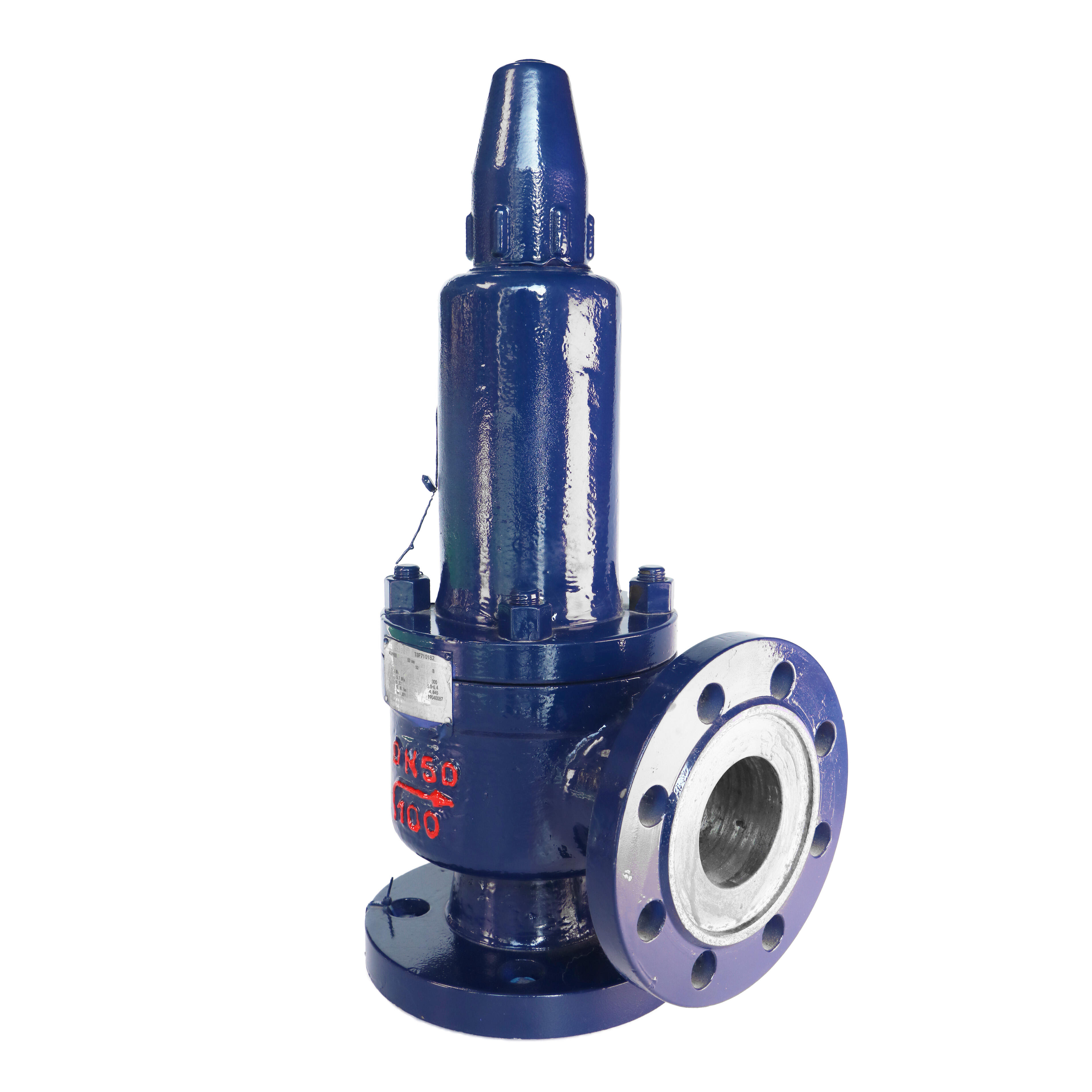
Industrial pressure management systems require precise control mechanisms to ensure operational safety and equipment longevity. Among the most critical components in these systems are pressure relief valves that provide automatic protection against dangerous pressure buildups. The spring loaded relief valve stands as one of the most reliable solutions for maintaining optimal pressure levels across diverse industrial applications. These sophisticated devices combine mechanical simplicity with exceptional reliability, making them indispensable for industries ranging from petrochemicals to power generation.
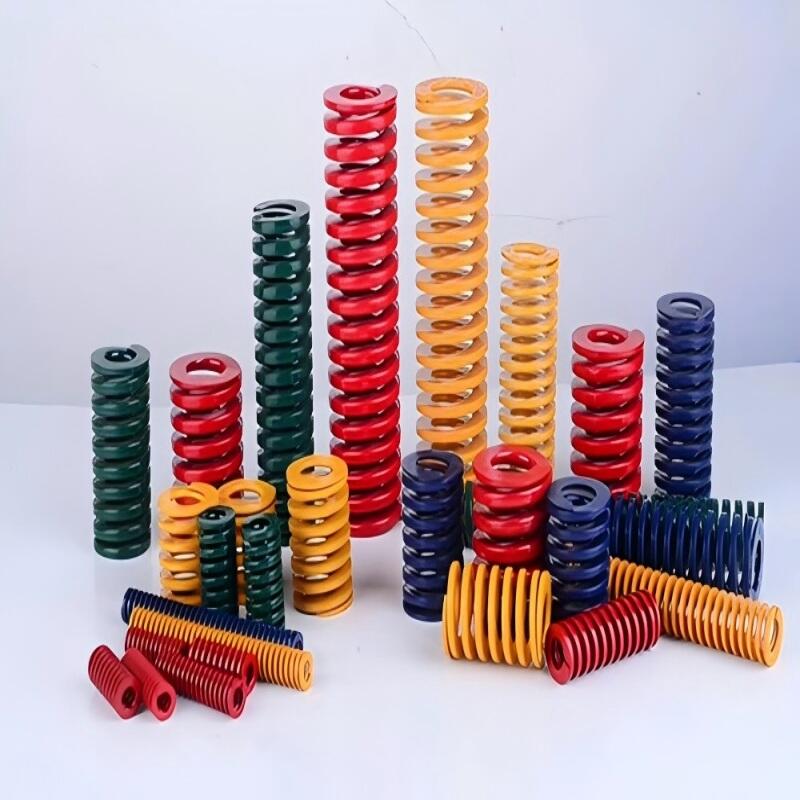
Modern manufacturing facilities depend on sophisticated pressure control systems to protect valuable equipment and maintain consistent production quality. The integration of advanced relief valve technology has revolutionized how industries approach safety protocols and operational efficiency. Understanding the fundamental principles behind these devices enables engineers and facility managers to make informed decisions about their pressure management strategies.
Understanding Spring Loaded Relief Valve Mechanisms
Core Operating Principles
The fundamental operation of a spring loaded relief valve relies on the precise balance between system pressure and spring force. When system pressure exceeds the predetermined setpoint, the valve disc lifts against the spring force, allowing excess pressure to escape. This mechanical action occurs automatically without requiring external power sources or control signals. The spring force determines the exact pressure at which the valve opens, providing consistent and reliable pressure protection.
The valve disc returns to its closed position once system pressure drops below the setpoint, effectively sealing the system. This automatic cycling capability ensures continuous pressure monitoring and protection without manual intervention. The spring compression can be adjusted to modify the setpoint pressure, offering flexibility for different operating conditions and system requirements.
Design Configuration Benefits
Modern spring loaded relief valves incorporate advanced design features that enhance their performance and reliability. The balanced design configuration reduces the effects of back pressure on valve operation, ensuring consistent opening pressures regardless of downstream conditions. This characteristic proves particularly valuable in complex piping systems where back pressure variations could otherwise affect valve performance.
The robust construction of these valves enables them to withstand extreme operating conditions including high temperatures, corrosive environments, and frequent cycling. Materials selection plays a crucial role in ensuring long-term reliability and compatibility with various process fluids. Stainless steel components resist corrosion while maintaining structural integrity under demanding conditions.
Industrial Applications and Performance Advantages
Petrochemical Industry Implementation
Petrochemical facilities rely heavily on spring loaded relief valves to protect critical process equipment from overpressure conditions. These valves safeguard expensive reactors, distillation columns, and heat exchangers from potentially catastrophic pressure excursions. The ability to handle corrosive chemicals and high-temperature conditions makes them ideal for refinery applications where safety and reliability are paramount.
The precise pressure control provided by these valves helps maintain optimal process conditions, contributing to improved product quality and operational efficiency. Their fail-safe operation ensures that even during power outages or control system failures, pressure protection remains active. This reliability has made them the preferred choice for critical safety applications in the petrochemical industry.
Power Generation Sector Benefits
Power plants utilize spring loaded relief valves throughout their steam and water systems to maintain safe operating pressures. These valves protect boilers, turbines, and associated piping from dangerous overpressure conditions that could result in catastrophic failures. The automatic operation eliminates the need for constant operator attention while providing reliable pressure protection around the clock.
The ability to handle high-pressure steam applications makes these valves essential components in both conventional and renewable energy facilities. Their proven reliability and low maintenance requirements contribute to improved plant availability and reduced operational costs. The consistent performance under varying load conditions ensures optimal protection regardless of operational demands.
Selection Criteria and Engineering Considerations
Pressure Rating and Sizing Requirements
Proper selection of a spring loaded relief valve requires careful consideration of system parameters including maximum operating pressure, required relief capacity, and fluid characteristics. The valve sizing must account for the maximum anticipated flow rate while maintaining stable operation throughout the relief event. Undersized valves may fail to provide adequate protection, while oversized valves can exhibit poor sealing characteristics.
The pressure rating must exceed the maximum system pressure with appropriate safety margins to ensure reliable operation. Material compatibility with process fluids prevents corrosion and ensures long-term reliability. Temperature considerations affect both spring characteristics and material selection, requiring careful evaluation of operating conditions.
Environmental and Operational Factors
Environmental conditions significantly impact valve selection and performance requirements. Extreme temperatures, corrosive atmospheres, and vibration levels all influence material choices and design configurations. Outdoor installations require weather-resistant materials and coatings to prevent degradation from environmental exposure.
Operational factors such as cycling frequency, back pressure variations, and maintenance accessibility affect valve selection and installation requirements. High-cycling applications may require specialized designs with enhanced durability features. Back pressure considerations influence the choice between conventional and balanced valve designs to ensure consistent performance.
Maintenance Best Practices and Reliability Enhancement
Preventive Maintenance Protocols
Effective maintenance programs for spring loaded relief valves focus on regular inspection and testing to ensure continued reliability. Visual inspections identify obvious signs of corrosion, damage, or leakage that could compromise valve performance. Regular testing verifies proper setpoint accuracy and confirms that the valve opens and closes at the correct pressures.
Scheduled maintenance intervals depend on operating conditions, fluid characteristics, and regulatory requirements. Harsh operating environments may require more frequent inspections and maintenance activities. Proper documentation of maintenance activities helps track valve performance trends and identify potential issues before they become critical problems.
Performance Optimization Strategies
Optimization of spring loaded relief valve performance involves careful attention to installation practices and system design considerations. Proper piping design minimizes pressure losses and ensures adequate flow capacity during relief events. Inlet and outlet piping configurations affect valve performance and must comply with applicable codes and standards.
Regular calibration ensures accurate setpoint maintenance and reliable operation over time. Environmental protection measures such as weather covers and insulation help maintain consistent performance under varying conditions. Proper spare parts inventory enables timely maintenance and repairs without extended downtime periods.
Future Trends and Technological Developments
Smart Monitoring Integration
The integration of smart monitoring technologies with traditional spring loaded relief valves represents a significant advancement in pressure safety systems. Digital sensors and wireless communication capabilities enable real-time monitoring of valve conditions and performance parameters. This technology provides early warning of potential issues and enables predictive maintenance strategies.
Advanced monitoring systems track valve lifting events, setpoint drift, and environmental conditions to optimize maintenance schedules. Data analytics help identify performance trends and potential failure modes before they impact system safety or reliability. The combination of mechanical reliability with digital intelligence creates enhanced safety and operational benefits.
Material Science Advancements
Ongoing developments in materials science continue to improve the performance and longevity of spring loaded relief valves. Advanced alloys and coatings provide enhanced corrosion resistance and temperature capabilities. These improvements extend service life and reduce maintenance requirements in challenging applications.
Additive manufacturing technologies enable the production of complex geometries and customized components that optimize valve performance for specific applications. These manufacturing advances support the development of more efficient and reliable valve designs while reducing production costs and lead times.
FAQ
How often should spring loaded relief valves be tested and maintained
Spring loaded relief valves should typically be tested annually or according to applicable code requirements, though harsh operating conditions may require more frequent testing. Regular visual inspections should be conducted monthly to check for obvious signs of damage or leakage. Comprehensive testing includes setpoint verification, seat leakage assessment, and overall valve condition evaluation. Maintenance intervals depend on operating conditions, fluid characteristics, and regulatory requirements, with critical applications often requiring more frequent attention.
What factors determine the proper sizing of a spring loaded relief valve
Proper sizing requires consideration of maximum system pressure, required relief capacity, fluid properties, and back pressure conditions. The valve must handle the maximum anticipated flow rate while maintaining stable operation throughout the relief event. System pressure rating, temperature conditions, and material compatibility with process fluids are essential factors. Sizing calculations must account for inlet pressure losses, back pressure effects, and applicable safety factors to ensure adequate protection.
Can spring loaded relief valves handle corrosive or high temperature applications
Yes, spring loaded relief valves can be designed with specialized materials and coatings to handle corrosive environments and high temperatures. Stainless steel construction provides excellent corrosion resistance for many chemical applications. Special alloys and protective coatings extend service life in challenging environments. Temperature considerations affect both spring characteristics and material selection, requiring careful evaluation of operating conditions to ensure reliable long-term performance.
What is the difference between conventional and balanced spring loaded relief valves
Conventional spring loaded relief valves are affected by back pressure variations, which can influence their opening pressure and overall performance. Balanced designs incorporate features that minimize back pressure effects, providing more consistent setpoint accuracy regardless of downstream conditions. Balanced valves are preferred for applications with variable back pressure or where precise pressure control is critical. The choice between designs depends on system requirements, back pressure conditions, and performance specifications.
Table of Contents
- Understanding Spring Loaded Relief Valve Mechanisms
- Industrial Applications and Performance Advantages
- Selection Criteria and Engineering Considerations
- Maintenance Best Practices and Reliability Enhancement
- Future Trends and Technological Developments
-
FAQ
- How often should spring loaded relief valves be tested and maintained
- What factors determine the proper sizing of a spring loaded relief valve
- Can spring loaded relief valves handle corrosive or high temperature applications
- What is the difference between conventional and balanced spring loaded relief valves