EN
EN

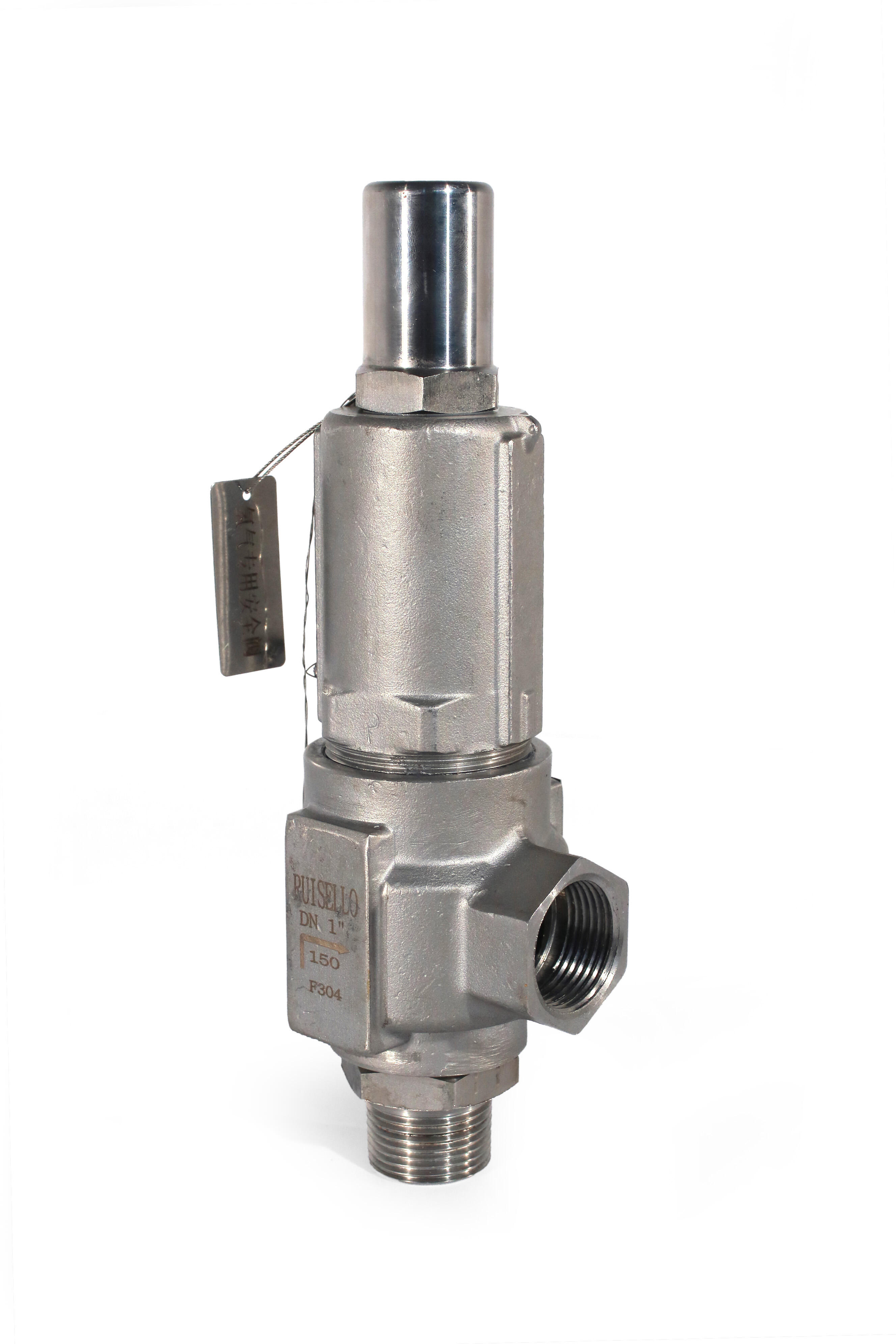
Industrial pressure management systems rely heavily on reliable safety mechanisms to prevent catastrophic equipment failures and ensure operational continuity. Among the most critical components in these systems, the spring loaded relief valve serves as the primary safeguard against excessive pressure buildup that could damage expensive machinery or create hazardous working conditions. However, conventional spring relief valves face numerous operational challenges that can compromise their effectiveness and reliability over time.
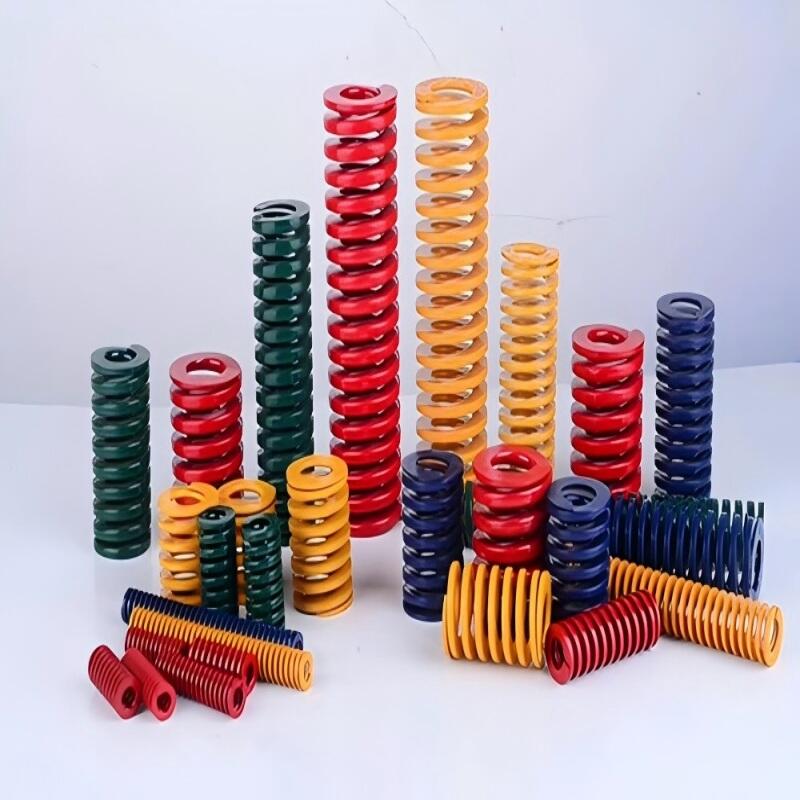
The fundamental design limitations of traditional spring relief mechanisms have become increasingly apparent as industrial processes demand higher precision, reliability, and performance standards. Manufacturing facilities across various sectors continue to experience costly downtime and safety incidents attributed to spring valve malfunctions, highlighting the urgent need for improved pressure relief solutions.
Mechanical Wear and Fatigue Issues
Spring Degradation Over Time
The primary mechanical component in a spring loaded relief valve system undergoes continuous stress cycles that gradually weaken its structural integrity. Metal fatigue becomes a significant concern as springs repeatedly compress and extend under varying pressure conditions, leading to reduced spring tension and altered set pressure points. This degradation process is accelerated in high-temperature environments where thermal expansion and contraction cycles compound the mechanical stress on spring materials.
Material selection for spring components often represents a compromise between cost considerations and performance requirements, resulting in springs that may not withstand the harsh operating conditions encountered in industrial applications. The metallurgical properties of conventional spring steel can deteriorate when exposed to corrosive chemicals, extreme temperatures, or excessive vibration, ultimately compromising the valve's ability to maintain accurate pressure settings.
Seat Leakage and Sealing Problems
Conventional spring relief valves frequently develop sealing issues at the valve seat interface, where repeated opening and closing cycles cause wear on both the valve disc and seat surfaces. This mechanical wear creates microscopic channels that allow process media to leak past the closed valve, reducing system efficiency and potentially creating safety hazards depending on the nature of the leaked substances.
The accumulation of debris, scale, or corrosion products on sealing surfaces further exacerbates leakage problems, particularly in systems handling dirty or chemically aggressive media. Once sealing integrity is compromised, the valve may fail to maintain proper system pressure or may not reseat properly after activation, leading to continuous pressure loss and potential system instability.
Accuracy and Calibration Challenges
Set Pressure Drift
One of the most persistent challenges with spring loaded relief valve systems is their tendency to experience set pressure drift over time, where the valve begins opening at pressures significantly different from its original calibration settings. This drift occurs due to spring relaxation, wear of internal components, and changes in the valve's internal geometry caused by thermal cycling and mechanical stress.
Temperature variations in the operating environment can significantly affect spring characteristics, causing the valve to open prematurely in hot conditions or fail to open at the correct pressure when temperatures are lower than the calibration baseline. This temperature sensitivity creates operational uncertainties and may require frequent recalibration to maintain system safety and efficiency.
Limited Adjustability
Traditional spring relief valve designs offer limited field adjustability, requiring complete disassembly and spring replacement to modify set pressure points significantly. This lack of flexibility becomes problematic in dynamic industrial environments where process conditions may change or where multiple pressure settings are needed for different operational modes.
The mechanical nature of spring adjustment mechanisms makes fine-tuning difficult and time-consuming, often requiring specialized tools and expertise that may not be readily available during critical maintenance windows. This limitation can result in extended downtime periods and increased maintenance costs when pressure settings need modification.
Environmental and Operational Limitations
Temperature Sensitivity
Spring loaded relief valve performance is inherently sensitive to ambient and process temperature variations, which can significantly impact the accuracy and reliability of pressure relief functions. High-temperature applications cause thermal expansion of metallic components and may alter spring tension characteristics, while low-temperature conditions can make springs more brittle and prone to failure.
Extreme temperature cycling creates additional stress on valve components beyond normal operational wear, potentially leading to premature failure of sealing elements, spring materials, and valve body components. These temperature-related challenges become particularly problematic in outdoor installations or processes with wide temperature swings.
Corrosion and Chemical Compatibility
Chemical compatibility represents a significant challenge for conventional spring loaded relief valve systems, particularly when handling corrosive media or operating in harsh environmental conditions. Standard metallic components may suffer from galvanic corrosion, stress corrosion cracking, or general chemical attack that compromises valve integrity and performance.
The selection of appropriate materials for spring components becomes critical but often results in increased costs or performance compromises. Even with careful material selection, long-term exposure to aggressive chemicals can gradually degrade valve performance and reliability, requiring more frequent maintenance and replacement cycles.
Maintenance and Reliability Concerns
Frequent Inspection Requirements
Spring loaded relief valve systems require regular inspection and testing to ensure continued reliable operation, creating significant maintenance overhead for industrial facilities. These inspections often require system shutdown or isolation, resulting in production losses and operational disruptions that can be costly for continuous process operations.
The complex internal mechanisms of spring relief valves make thorough inspection challenging without complete disassembly, increasing maintenance time and requiring specialized technical expertise. Visual inspection of spring condition, seat wear, and internal corrosion often requires valve removal from service, creating scheduling challenges for maintenance departments.
Unpredictable Failure Modes
Conventional spring relief valves can experience sudden, unpredictable failures that provide little warning before complete loss of pressure protection capability. Spring fracture, catastrophic seal failure, or internal component seizure can occur without obvious external indicators, creating potentially dangerous situations where pressure protection is lost without operator awareness.
The inability to monitor internal valve condition continuously makes it difficult to implement predictive maintenance strategies, forcing facilities to rely on time-based maintenance schedules that may be either too conservative or inadequate depending on actual operating conditions and component wear rates.
Economic Impact and Cost Considerations
Lifecycle Cost Analysis
The total cost of ownership for spring loaded relief valve systems extends beyond initial purchase price to include regular maintenance, testing, replacement parts, and potential production losses due to valve failures or maintenance requirements. These ongoing costs can accumulate significantly over the valve's operational lifetime, particularly in critical applications where reliability is paramount.
Unplanned maintenance events and emergency valve replacements often occur at inconvenient times, requiring premium pricing for expedited parts delivery and overtime labor costs. The economic impact of spring valve limitations becomes more pronounced in high-value production environments where even brief interruptions can result in substantial financial losses.
Replacement Parts Availability
Spring loaded relief valve systems often require specialized replacement components that may have limited availability or long lead times, particularly for older valve models or specialized applications. This parts availability challenge can result in extended equipment downtime when critical valve components fail unexpectedly.
The need to maintain spare parts inventory for spring relief valves creates additional carrying costs and warehouse space requirements, while the risk of parts obsolescence makes long-term maintenance planning challenging for facilities with extended equipment lifecycles.
FAQ
What causes spring loaded relief valves to lose calibration accuracy over time
Spring loaded relief valves lose calibration accuracy primarily due to spring fatigue and relaxation caused by repeated stress cycles, temperature variations that affect spring tension characteristics, and mechanical wear of valve seats and internal components. Environmental factors such as corrosion, contamination, and thermal cycling compound these effects, gradually altering the valve's opening pressure from its original set point.
How often should spring loaded relief valves be inspected and tested
Spring loaded relief valves should typically be inspected and tested annually or according to manufacturer recommendations and applicable safety codes, though high-stress applications may require more frequent inspection intervals. The testing frequency depends on factors including operating conditions, process media characteristics, safety criticality, and historical performance data for similar applications.
Can spring loaded relief valves be repaired in the field
Field repair of spring loaded relief valves is generally limited to basic maintenance tasks such as cleaning and minor adjustments, while major repairs involving spring replacement, seat refacing, or component rebuilding typically require shop facilities and specialized equipment. Most manufacturers recommend returning valves to authorized service centers for comprehensive repairs to ensure proper calibration and safety compliance.
What are the main alternatives to conventional spring loaded relief valves
Alternatives to conventional spring loaded relief valves include pilot-operated relief valves that offer improved accuracy and adjustability, electronic pressure relief systems with digital control capabilities, and balanced bellows relief valves designed for high back-pressure applications. Each alternative technology addresses specific limitations of conventional spring systems while introducing their own operational considerations and cost implications.