EN
EN

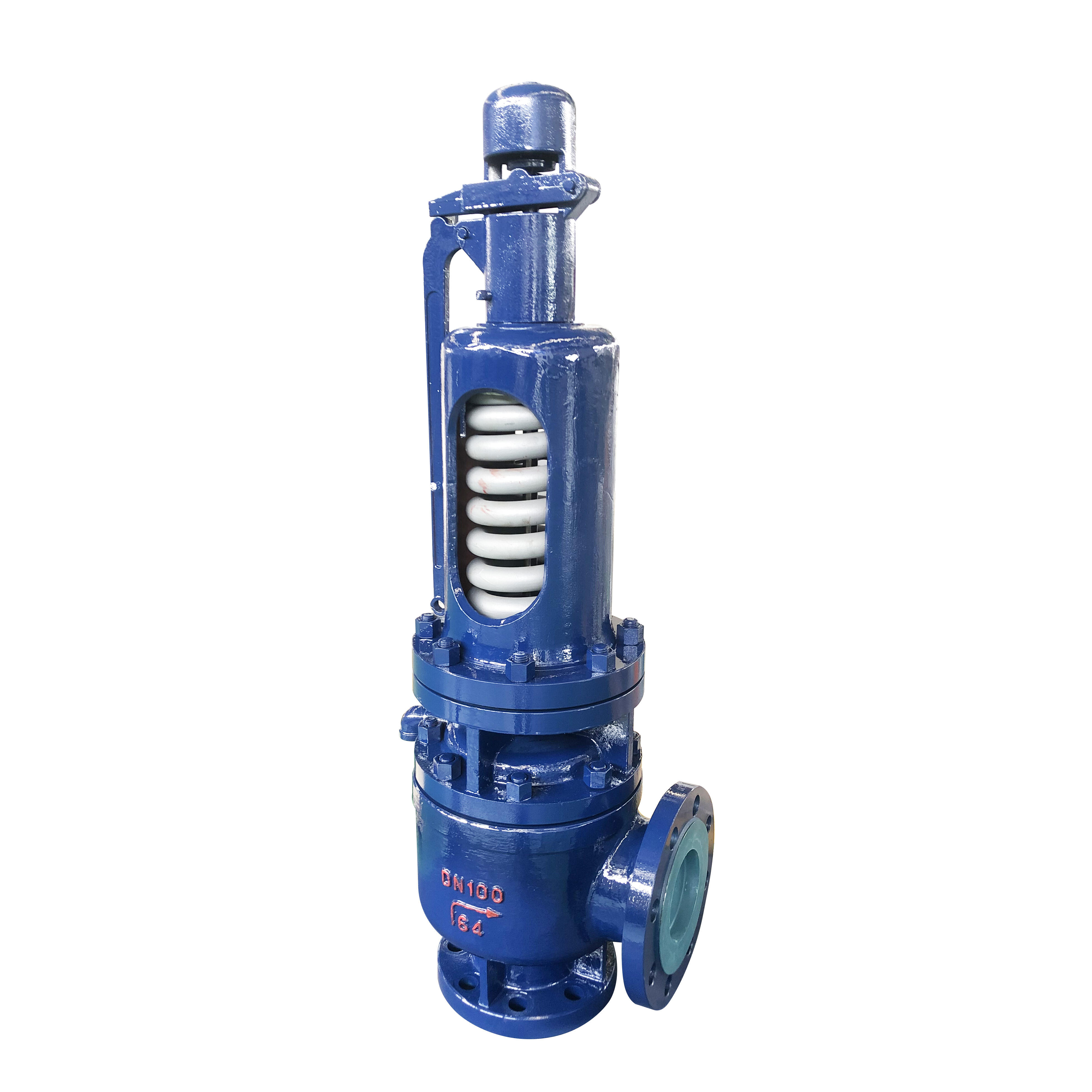
Industrial pressure management systems require reliable safety mechanisms to prevent catastrophic failures and protect equipment investments. A spring loaded relief valve serves as a critical component in maintaining system integrity by automatically releasing excess pressure when predetermined limits are exceeded. These valves combine mechanical precision with fail-safe operation, making them indispensable across manufacturing, petrochemical, and process industries where pressure control directly impacts operational safety and efficiency.
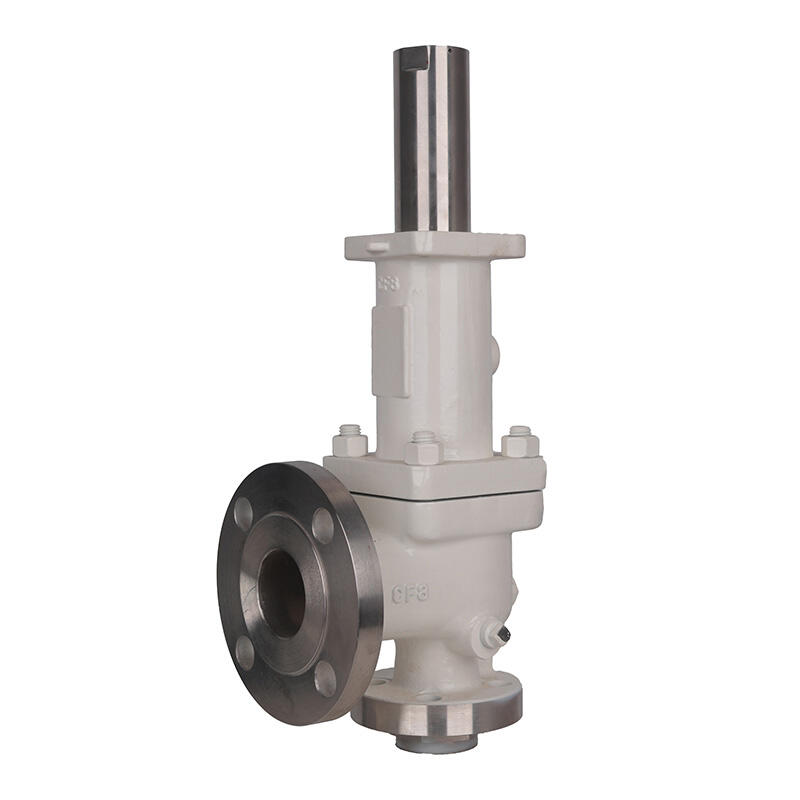
The fundamental design of these pressure relief devices utilizes compressed springs to maintain valve closure under normal operating conditions. When system pressure exceeds the spring's calibrated force threshold, the valve opens proportionally to release excess pressure, then automatically reseats when conditions normalize. This self-regulating behavior eliminates the need for external power sources or control systems, providing inherent reliability that makes spring loaded relief valves the preferred choice for critical safety applications.
Fundamental Operating Principles
Spring Mechanism Design
The heart of any spring loaded relief valve lies in its precisely calibrated spring assembly that determines opening pressure characteristics. Manufacturers engineer these springs using high-grade steel alloys that maintain consistent force properties across wide temperature ranges and extended service cycles. The spring compression setting directly correlates to the valve's set pressure, with adjustment mechanisms allowing field personnel to fine-tune performance parameters without complete valve replacement.
Spring design considerations include wire diameter, coil pitch, and material selection that must withstand repeated compression cycles while maintaining force accuracy. Advanced manufacturing techniques ensure uniform spring characteristics that translate to predictable valve performance under varying operational conditions. The spring housing protects the mechanism from environmental contamination while providing adjustment access through threaded bonnets or external adjustment screws.
Pressure Response Characteristics
Valve response to pressure variations follows established engineering principles that govern opening behavior, flow capacity, and reseating performance. The initial lift occurs when upstream pressure overcomes spring force plus any back pressure effects, with subsequent valve travel proportional to pressure increases above the set point. This proportional response enables precise pressure control while maximizing flow capacity during relief events.
Reseating behavior depends on pressure blowdown characteristics that ensure complete valve closure after relief events conclude. Proper blowdown prevents chattering or rapid cycling that could damage valve components or create operational instability. Engineers calculate blowdown percentages based on system requirements, typically ranging from five to ten percent below set pressure to ensure reliable reseating without compromising safety margins.
Industrial Applications and Benefits
Process Industry Integration
Chemical processing facilities rely extensively on spring loaded relief valve technology to protect reactors, distillation columns, and heat exchangers from pressure excursions that could result in equipment failure or process disruption. These valves integrate seamlessly with existing piping systems through standard flange connections while providing localized pressure protection without complex control infrastructure requirements.
Pharmaceutical manufacturing operations benefit from the sanitary design options available in spring loaded configurations that meet FDA and cGMP requirements for product contact surfaces. Specialized trim materials and surface finishes prevent contamination while maintaining the mechanical reliability essential for batch processing applications where pressure protection cannot compromise product quality or regulatory compliance.
Oil and Gas Sector Applications
Upstream oil and gas operations utilize spring loaded relief valve systems throughout production facilities, from wellhead equipment to processing plants where hydrocarbon handling demands fail-safe pressure protection. The mechanical operation principle provides inherent safety benefits in remote locations where electrical power reliability may be compromised, ensuring continuous pressure protection regardless of external power conditions.
Refinery applications showcase the versatility of spring loaded designs across diverse service conditions, from light hydrocarbon vapor service to heavy crude applications requiring specialized metallurgy. The ability to configure these valves for specific gravity, temperature, and corrosivity requirements makes them adaptable to virtually any refining process stream while maintaining consistent safety performance standards.
Design Advantages and Performance Features
Mechanical Reliability Benefits
The inherent simplicity of spring loaded relief valve design translates to exceptional reliability in field service conditions where complex control systems might fail or require extensive maintenance support. Mechanical operation eliminates dependencies on compressed air, electrical power, or instrument signals that could compromise safety function during emergency conditions when valve operation becomes most critical.
Maintenance requirements remain minimal due to the robust construction and self-contained operation that reduces wear points and potential failure modes. Periodic testing and calibration verification represent the primary maintenance activities, with extended service intervals possible when valves operate within design parameters and proper installation practices are followed during initial commissioning.
Cost-Effectiveness Analysis
Initial investment costs for spring loaded relief valves compare favorably to complex pilot-operated or electronically controlled alternatives while delivering equivalent or superior safety performance in many applications. The absence of auxiliary equipment reduces total installed costs and eliminates ongoing expenses associated with instrument air systems or electrical infrastructure required by alternative valve technologies.
Long-term operational economics benefit from extended service life and minimal maintenance requirements that reduce lifecycle costs compared to more complex pressure relief solutions. The ability to repair and recertify these valves through established service networks provides additional cost advantages while ensuring continued compliance with safety standards throughout the valve's operational life.
Installation and Maintenance Considerations
Proper Installation Practices
Successful spring loaded relief valve installation requires careful attention to piping configuration, valve orientation, and support structures that ensure optimal performance throughout the service life. Inlet piping design must minimize pressure drop while avoiding configurations that could create turbulence or reduce valve capacity below required levels for adequate system protection.
Discharge piping considerations include proper sizing to handle relief flow without creating excessive back pressure that could impair valve performance or prevent proper reseating after relief events. Support structures must accommodate reaction forces generated during valve operation while allowing thermal expansion and preventing stress concentration at valve connections that could compromise sealing integrity.
Preventive Maintenance Strategies
Effective maintenance programs for spring loaded relief valve systems emphasize regular inspection intervals that identify potential issues before they impact safety performance or operational reliability. Visual inspections can detect external corrosion, seal leakage, or mechanical damage while functional testing verifies set pressure accuracy and proper valve operation under controlled conditions.
Calibration verification represents a critical maintenance activity that ensures continued compliance with safety requirements and system protection parameters. Professional testing services utilize specialized equipment to verify set pressure, measure capacity, and assess valve condition without compromising safety systems during normal plant operations. Documentation of test results provides regulatory compliance evidence while supporting predictive maintenance strategies that optimize valve replacement timing.
FAQ
What factors determine spring loaded relief valve set pressure requirements
Set pressure determination depends on maximum allowable working pressure of protected equipment, applicable safety codes, and operational requirements that may require pressure settings below maximum design limits. Engineering analysis considers normal operating pressure ranges, pressure vessel design standards, and regulatory requirements that specify minimum safety margins between operating and relief pressures to ensure adequate system protection.
How often should spring loaded relief valves undergo testing and maintenance
Testing frequency varies based on service conditions, regulatory requirements, and manufacturer recommendations, typically ranging from annual to five-year intervals for most industrial applications. Harsh service conditions including corrosive environments, high temperatures, or frequent cycling may necessitate more frequent inspection and testing schedules to maintain safety performance standards and regulatory compliance throughout the valve's service life.
Can spring loaded relief valves handle multiple pressure relief scenarios effectively
Single spring loaded relief valve installations can protect against various overpressure scenarios provided the valve sizing and set pressure accommodate the most demanding relief requirement. Multiple relief scenarios may require separate valves with different set pressures or supplementary protection devices to ensure adequate capacity and appropriate response characteristics for each potential overpressure condition that could occur during normal or emergency operations.
What materials are recommended for different industrial service applications
Material selection depends on process fluid characteristics, operating temperature ranges, and corrosion resistance requirements specific to each application. Carbon steel construction suits general industrial service while stainless steel grades provide enhanced corrosion resistance for chemical processing. Specialized alloys including Inconel or Hastelloy may be necessary for extreme service conditions involving high temperatures, aggressive chemicals, or specific regulatory requirements in pharmaceutical or food processing applications.
Table of Contents
- Fundamental Operating Principles
- Industrial Applications and Benefits
- Design Advantages and Performance Features
- Installation and Maintenance Considerations
-
FAQ
- What factors determine spring loaded relief valve set pressure requirements
- How often should spring loaded relief valves undergo testing and maintenance
- Can spring loaded relief valves handle multiple pressure relief scenarios effectively
- What materials are recommended for different industrial service applications