EN
EN
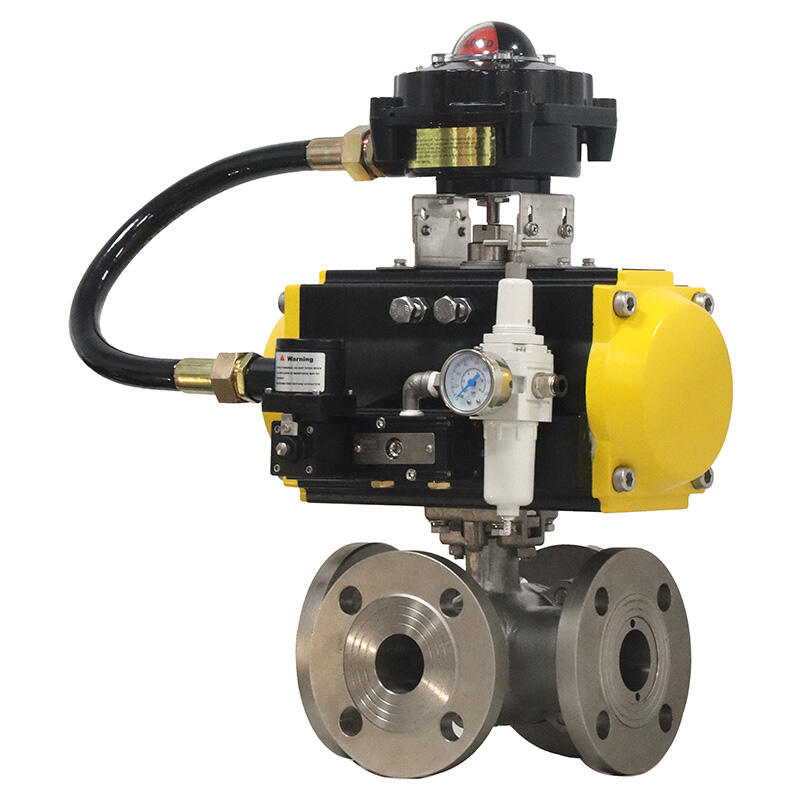
Industrial flow control systems rely heavily on precise and reliable valve operations, with motorized electric ball valves serving as critical components in automated processes across various sectors. These sophisticated devices combine the proven reliability of traditional ball valve design with advanced electric actuation technology, enabling remote operation, precise flow control, and seamless integration with modern control systems. Understanding the common issues that can affect motorized electric ball valves and implementing effective troubleshooting strategies is essential for maintaining optimal system performance and preventing costly downtime.
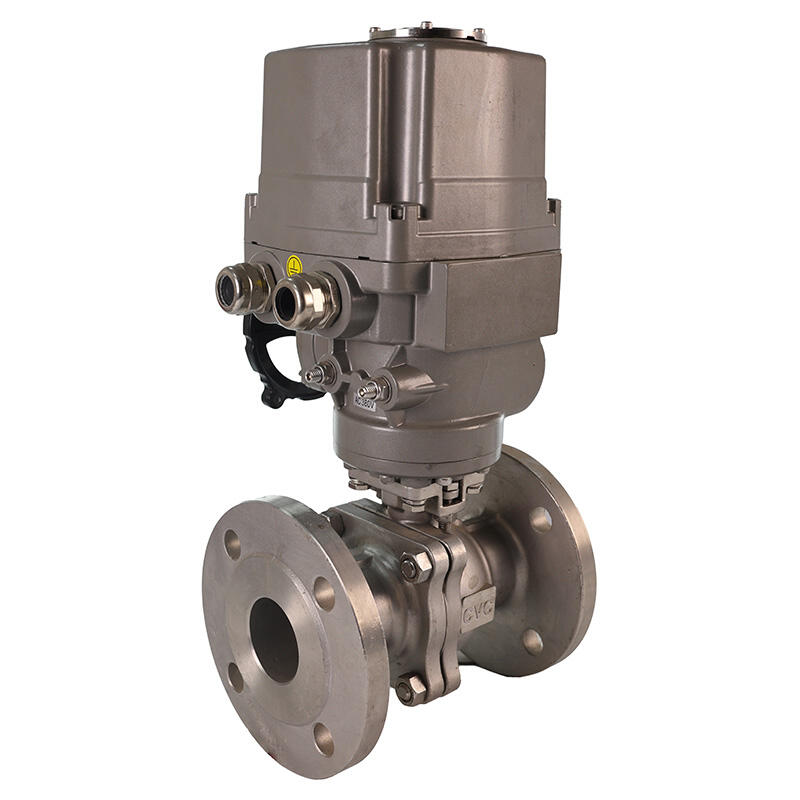
Modern industrial facilities depend on automated valve systems to maintain consistent process control, safety protocols, and operational efficiency. When motorized electric ball valves malfunction, the impact can cascade through entire production lines, affecting product quality, energy consumption, and overall plant productivity. The complexity of these systems requires a systematic approach to diagnosis and repair, combining mechanical, electrical, and control system expertise to identify root causes and implement lasting solutions.
Understanding Electric Ball Valve Components and Operation
Core Mechanical Elements
The fundamental design of an electric ball valve centers around a spherical closure element with a cylindrical bore that aligns with the pipeline when open and blocks flow when rotated 90 degrees. This quarter-turn operation provides rapid response times and excellent shut-off capabilities, making it ideal for applications requiring quick isolation or flow control. The ball itself is typically manufactured from stainless steel, carbon steel, or specialized alloys depending on the application requirements and fluid compatibility.
Seat materials play a crucial role in sealing performance and longevity, with options ranging from soft polymer seats like PTFE for general applications to metal-seated designs for high-temperature or abrasive service conditions. The stem connection between the ball and actuator must transmit torque reliably while maintaining a pressure seal, often accomplished through O-ring seals and packing arrangements that require periodic maintenance to prevent leakage.
Body construction varies significantly based on pressure ratings, temperature requirements, and installation preferences. Flanged connections provide robust mounting for high-pressure applications, while threaded or welded configurations offer alternatives for specific pipeline requirements. Understanding these mechanical foundations is essential for effective troubleshooting, as many operational issues stem from wear, corrosion, or improper selection of materials for the service conditions.
Electric Actuator Systems
Electric actuators convert electrical energy into rotational motion through various mechanisms, including gear trains, motor assemblies, and position feedback systems. AC and DC motor options provide different advantages, with AC motors offering robust performance for continuous duty applications and DC motors providing precise control and variable speed capabilities. The gear reduction system amplifies motor torque to overcome valve operating torque requirements while providing the precise positioning needed for throttling applications.
Position feedback mechanisms ensure accurate valve positioning and enable remote monitoring of valve status. Potentiometer-based systems provide analog position signals, while digital encoders offer enhanced accuracy and diagnostic capabilities. Limit switches serve as backup position indicators and safety interlocks, preventing over-travel and confirming full open or closed positions for critical safety functions.
Control circuits integrate power management, position control, and communication interfaces to enable seamless integration with plant control systems. Modern actuators often include microprocessor-based controllers that provide advanced features like torque monitoring, diagnostic reporting, and programmable operating parameters. These sophisticated systems require careful attention to wiring, grounding, and environmental protection to ensure reliable long-term operation.
Common Failure Modes and Diagnostic Approaches
Mechanical Issues and Solutions
Seat leakage represents one of the most frequent issues encountered with ball valves, often resulting from debris accumulation, seat wear, or improper closing torque. Internal debris can prevent proper seating of the ball against the seats, creating leak paths that compromise system integrity. Regular inspection and cleaning protocols help prevent debris-related failures, while proper filtration upstream of critical valves reduces contamination risks.
Stem packing failures manifest as external leakage around the valve stem, typically caused by packing deterioration, improper installation, or excessive operating temperatures. Preventive replacement of packing materials according to manufacturer recommendations prevents most stem leakage issues, while proper torque application during installation ensures effective sealing without over-compression that could bind the stem.
Actuator mounting problems can cause misalignment between the actuator output and valve stem, leading to binding, excessive wear, or incomplete valve operation. Proper alignment verification during installation and periodic inspection of mounting hardware prevents most alignment-related issues. When addressing these mechanical problems, selecting the appropriate ball valve configuration for the specific application requirements ensures optimal long-term performance.
Electrical System Troubleshooting
Power supply issues often manifest as intermittent operation, failure to respond to control signals, or complete actuator failure. Voltage fluctuations, inadequate current capacity, or poor connections can create operational problems that may appear as mechanical failures. Systematic electrical testing using appropriate meters and diagnostic tools helps isolate power-related issues from mechanical problems.
Motor failures typically result from overheating, contamination, or electrical overload conditions. Insulation breakdown, bearing wear, and winding faults require motor replacement or professional rebuilding services. Regular thermal monitoring and vibration analysis can detect developing motor problems before complete failure occurs, enabling planned maintenance activities that minimize production disruptions.
Control signal problems often stem from wiring issues, signal interference, or control system malfunctions. Proper shielding of control cables, correct grounding practices, and regular verification of signal integrity help prevent communication-related failures. When multiple valves exhibit similar symptoms simultaneously, the root cause typically lies in the control system or power distribution rather than individual valve components.
Preventive Maintenance Strategies
Scheduled Inspection Protocols
Establishing regular inspection schedules based on operating conditions, criticality, and manufacturer recommendations provides the foundation for effective preventive maintenance programs. Visual inspections should focus on external leakage, actuator mounting condition, and control cable integrity, while operational tests verify proper response to control signals and confirm full stroke capability under normal operating conditions.
Torque monitoring during valve operation can detect developing mechanical problems before they cause complete failure. Trending torque values over time reveals gradual changes that may indicate seat wear, stem binding, or actuator degradation. Modern smart actuators often include built-in torque monitoring capabilities that enable continuous condition assessment without additional instrumentation.
Temperature monitoring of actuator components helps detect motor overheating, bearing problems, or electrical issues that could lead to premature failure. Infrared thermography provides non-invasive temperature measurement capabilities that enable condition assessment during normal operation without system shutdown or access restrictions.
Lubrication and Component Replacement
Proper lubrication of moving components extends actuator life and ensures smooth operation throughout the service life. Gear reducers require periodic oil changes according to manufacturer specifications, while bearing lubrication may require grease application at specified intervals. Environmental conditions, operating frequency, and temperature exposure all influence lubrication requirements and replacement intervals.
Proactive replacement of wear components like packing, seals, and electrical contacts prevents unexpected failures and reduces maintenance costs over the valve lifecycle. Maintaining adequate spare parts inventory for critical components enables rapid response to maintenance needs while minimizing production impacts. Component lifecycle tracking helps optimize replacement schedules based on actual service experience rather than conservative manufacturer recommendations.
Documentation of maintenance activities, component replacements, and performance trends provides valuable data for optimizing maintenance strategies and identifying systemic issues that may affect multiple valves. Digital maintenance management systems enable efficient tracking and analysis of maintenance data while providing automated scheduling and parts management capabilities.
Advanced Diagnostic Techniques
Signature Analysis and Trending
Motor current signature analysis provides detailed insights into actuator condition by examining power consumption patterns during valve operation. Changes in current draw can indicate developing mechanical binding, motor degradation, or control system issues that may not be apparent through conventional testing methods. This technique enables condition-based maintenance strategies that optimize maintenance timing based on actual component condition.
Vibration analysis of actuator components can detect bearing wear, gear tooth damage, or mounting problems that could lead to premature failure. Portable vibration analyzers enable periodic assessment of actuator condition, while permanent monitoring systems provide continuous surveillance for critical applications. Establishing baseline vibration signatures during commissioning enables effective trending and early fault detection throughout the service life.
Partial stroke testing provides a method for verifying ball valve functionality without disrupting normal process operations. This technique involves moving the valve a limited distance from its normal position to verify actuator response and detect potential binding or degradation issues. Proper implementation requires careful consideration of process requirements and safety implications to ensure testing does not compromise system integrity or safety functions.
Digital Diagnostics and Smart Monitoring
Modern smart actuators incorporate microprocessor-based controllers that provide extensive diagnostic capabilities, including real-time monitoring of torque, position, temperature, and operating cycles. These systems can detect abnormal operating conditions and provide early warning of developing problems through integrated alarm functions and communication interfaces that enable remote monitoring and analysis.
Predictive analytics software can analyze historical operating data to identify patterns that precede component failures, enabling proactive maintenance scheduling that minimizes unexpected downtime. Machine learning algorithms continuously improve prediction accuracy by incorporating new operational data and failure modes, providing increasingly sophisticated condition assessment capabilities.
Integration with plant-wide asset management systems enables comprehensive valve fleet monitoring and optimization. Centralized data collection and analysis capabilities provide insights into systemwide performance trends, identify common failure modes, and optimize maintenance strategies across entire facilities. This holistic approach maximizes the value of individual valve diagnostic capabilities while providing broader operational insights.
Safety Considerations and Best Practices
Lock-Out Tag-Out Procedures
Proper isolation and de-energization procedures are essential for safe maintenance activities on motorized electric ball valves. Lock-out tag-out protocols must address both electrical and mechanical energy sources, including stored energy in actuator springs or hydraulic accumulators. Written procedures specific to each valve installation ensure consistent application of safety measures and prevent accidents during maintenance activities.
Verification of energy isolation through appropriate testing methods confirms that all energy sources have been effectively controlled before beginning maintenance work. Multiple lock systems ensure that maintenance activities cannot be inadvertently interrupted by unauthorized personnel, while clear communication protocols prevent misunderstandings that could compromise worker safety.
Personal protective equipment requirements vary based on the specific hazards present during maintenance activities, including electrical shock, chemical exposure, or mechanical injury risks. Regular training on proper safety procedures and equipment use ensures that maintenance personnel understand and follow established safety protocols consistently.
Environmental and Regulatory Compliance
Environmental sealing requirements protect internal actuator components from moisture, dust, and corrosive atmospheres that could cause premature failure or safety hazards. NEMA and IP rating systems provide standardized methods for specifying environmental protection levels appropriate for specific installation conditions. Regular inspection of sealing systems ensures continued protection throughout the service life.
Regulatory compliance requirements vary by industry and application, with safety-critical applications often requiring specific testing, documentation, and maintenance protocols. Understanding applicable regulations and standards ensures that maintenance activities meet required safety and performance criteria while avoiding regulatory violations that could result in operational restrictions or penalties.
Documentation requirements for safety-critical applications often mandate detailed records of maintenance activities, component replacements, and performance testing. Proper record-keeping systems ensure compliance with regulatory requirements while providing valuable data for optimizing maintenance strategies and demonstrating due diligence in safety management.
FAQ
What are the most common signs that a motorized electric ball valve needs maintenance?
The most common indicators include external leakage around the stem packing, increased operating torque requirements, erratic position feedback, unusual noise during operation, and failure to achieve full open or closed positions. Additionally, motor overheating, excessive power consumption, and delayed response to control signals often signal the need for immediate attention. Regular monitoring of these parameters enables early detection of developing problems before they cause complete system failure.
How often should preventive maintenance be performed on electric ball valves?
Maintenance frequency depends on operating conditions, criticality, and manufacturer recommendations, but typically ranges from quarterly inspections for critical applications to annual maintenance for standard service conditions. High-cycle applications, corrosive environments, or extreme temperatures may require more frequent attention, while clean service conditions may allow extended intervals. The key is establishing a baseline maintenance schedule based on manufacturer guidelines and adjusting based on actual operating experience and condition monitoring data.
Can electric ball valves be repaired in place, or do they require removal for service?
Many maintenance activities can be performed in place, including actuator motor replacement, control circuit troubleshooting, packing adjustment, and external component replacement. However, internal valve repairs typically require removal from the pipeline to access seats, seals, and internal components safely. The decision depends on the specific repair needed, accessibility constraints, and safety considerations for the particular installation.
What safety precautions are essential when troubleshooting energized electric actuators?
Essential safety measures include proper electrical safety procedures, use of appropriate personal protective equipment, implementation of lock-out tag-out protocols when required, and verification of energy isolation before beginning invasive maintenance. Workers should be trained in electrical safety practices, understand the specific hazards present in their work environment, and follow established procedures consistently. When working on energized equipment, appropriate meters and testing equipment rated for the voltage levels present must be used, and work should be performed by qualified personnel following applicable electrical safety standards.
Table of Contents
- Understanding Electric Ball Valve Components and Operation
- Common Failure Modes and Diagnostic Approaches
- Preventive Maintenance Strategies
- Advanced Diagnostic Techniques
- Safety Considerations and Best Practices
-
FAQ
- What are the most common signs that a motorized electric ball valve needs maintenance?
- How often should preventive maintenance be performed on electric ball valves?
- Can electric ball valves be repaired in place, or do they require removal for service?
- What safety precautions are essential when troubleshooting energized electric actuators?