EN
EN

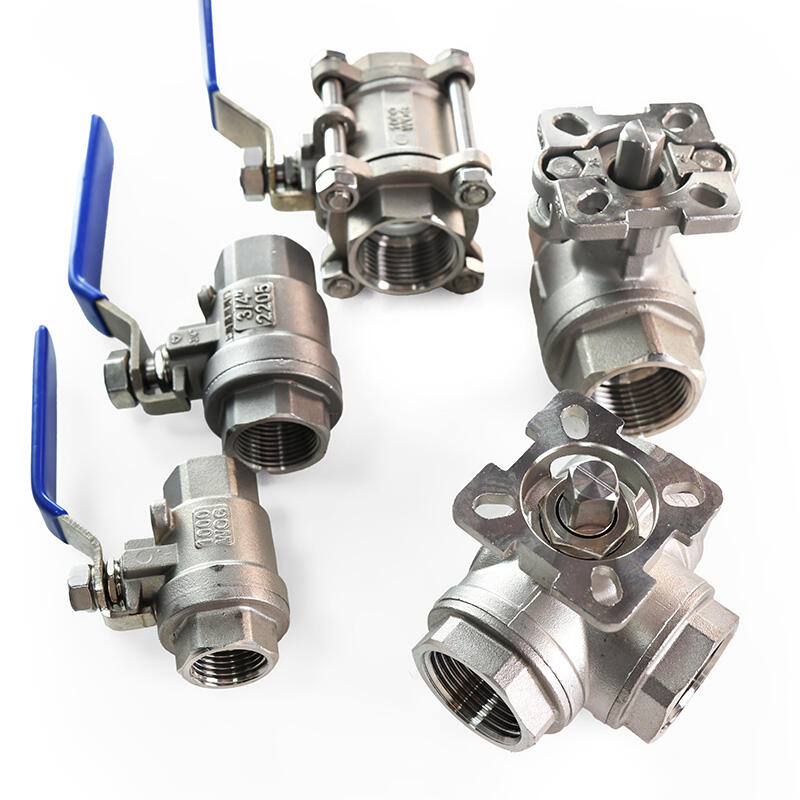
Industrial flow control systems require precision, reliability, and efficiency to maintain optimal operations across various manufacturing and processing environments. The selection of appropriate valve technology plays a critical role in ensuring system performance, minimizing downtime, and reducing maintenance costs. Understanding the technical specifications, material considerations, and operational requirements becomes essential when evaluating flow control solutions for demanding industrial applications.
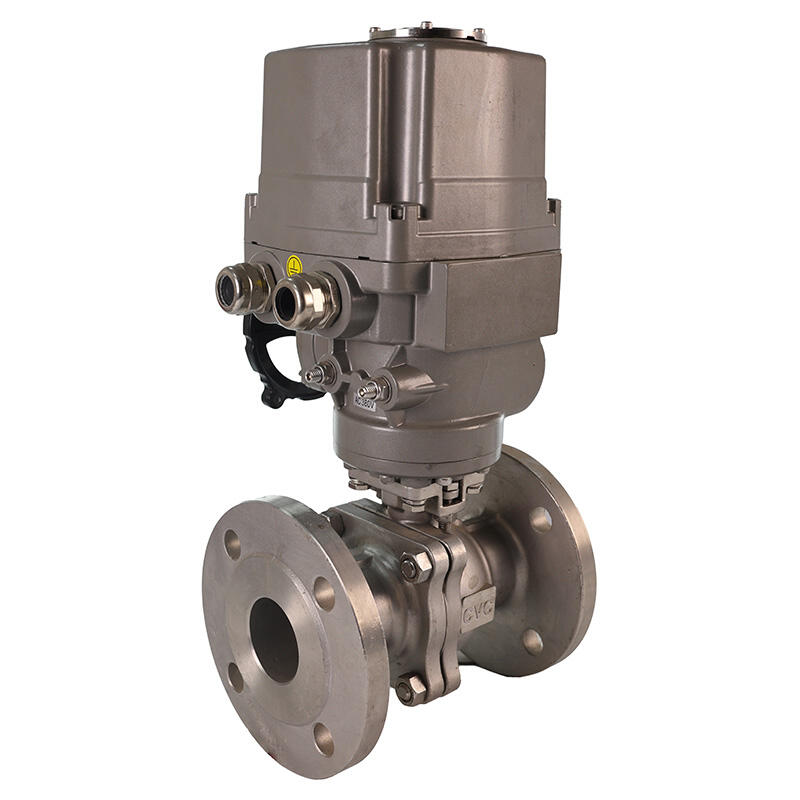
Modern automated valve systems have transformed industrial processes by providing precise control capabilities, enhanced safety features, and improved operational efficiency. These advanced systems integrate seamlessly with control networks, offering real-time monitoring and adjustment capabilities that traditional manual valves cannot match. The transition to automated solutions represents a significant advancement in industrial technology, enabling operators to maintain consistent process parameters while reducing manual intervention requirements.
Understanding Ball Valve Technology
Core Design Principles
The fundamental design of a ball valve centers around a spherical closure element that rotates within the valve body to control fluid flow. This simple yet effective mechanism provides excellent sealing characteristics and minimal pressure drop across the valve when fully open. The quarter-turn operation allows for rapid opening and closing, making it ideal for applications requiring quick shut-off capabilities or frequent operation cycles.
Material selection plays a crucial role in ball valve performance, with CF8 stainless steel offering exceptional corrosion resistance and mechanical strength. This austenitic stainless steel grade provides excellent service life in challenging chemical environments while maintaining structural integrity under high-pressure conditions. The material's compatibility with various process fluids makes it suitable for diverse industrial applications ranging from petrochemical processing to food and beverage production.
Operational Advantages
The inherent design characteristics of ball valve technology provide several operational benefits that make them preferred choices for critical applications. The full-bore design eliminates flow restrictions, reducing energy consumption and minimizing turbulence within the system. This feature becomes particularly important in applications where pressure drop must be minimized to maintain system efficiency and reduce pumping costs.
Maintenance requirements for ball valves are typically lower compared to other valve types due to the simple internal mechanism and robust construction. The self-cleaning action of the rotating ball helps prevent particle buildup, while the sealed design protects internal components from external contamination. These characteristics contribute to extended service intervals and reduced lifecycle costs, making ball valves economically attractive for long-term installations.
Automated Control Integration
Electric Actuator Benefits
Electric actuators provide precise positioning control and reliable operation in automated ball valve systems. These devices convert electrical signals into mechanical motion, enabling remote operation and integration with process control systems. The ability to receive feedback signals allows for accurate positioning verification and status monitoring, ensuring proper valve operation throughout the system lifecycle.
Power efficiency represents another significant advantage of electric actuators, as they consume energy only during positioning movements rather than maintaining continuous power draw. This characteristic reduces operational costs while providing consistent torque output across varying environmental conditions. The absence of compressed air requirements eliminates the need for pneumatic infrastructure, simplifying installation and reducing system complexity.
Control System Integration
Modern industrial networks require seamless integration capabilities to enable comprehensive process control and monitoring. Electric ball valve systems support various communication protocols, allowing direct connection to distributed control systems and supervisory control networks. This connectivity enables real-time status monitoring, diagnostic capabilities, and predictive maintenance scheduling.
Advanced control algorithms can be implemented to optimize valve performance for specific applications, including soft-start functions, position ramping, and emergency shutdown sequences. These programmable features enhance system safety while providing operational flexibility to accommodate changing process requirements. The ability to store and recall multiple operating configurations simplifies maintenance procedures and reduces commissioning time for new installations.
Material Specifications and Performance
CF8 Stainless Steel Properties
CF8 stainless steel offers exceptional mechanical properties that make it ideal for high-pressure ball valve applications. The material exhibits excellent tensile strength, fatigue resistance, and impact toughness across a wide temperature range. These characteristics ensure reliable performance under varying operating conditions while maintaining dimensional stability and sealing integrity throughout the service life.
Corrosion resistance represents a primary advantage of CF8 material, particularly in applications involving aggressive chemicals or marine environments. The chromium and nickel content provides passive film formation that protects against oxidation and pitting corrosion. This inherent resistance reduces maintenance requirements and extends service intervals, contributing to improved system reliability and reduced operational costs.
Pressure Rating Considerations
ANSI 600lb pressure rating provides substantial safety margins for demanding industrial applications while ensuring compliance with recognized industry standards. This rating corresponds to maximum allowable working pressures that vary with temperature, providing flexibility for different operating scenarios. The robust construction required to achieve this rating ensures long-term reliability and safety in critical process applications.
Pressure testing requirements for ANSI 600lb valves include both hydrostatic shell tests and seat leakage verification to ensure performance meets specification requirements. These stringent testing protocols provide confidence in valve integrity and help prevent unexpected failures during operation. The documentation provided with certified valves enables proper installation and maintenance planning while supporting regulatory compliance requirements.
Application Selection Criteria
Process Compatibility Assessment
Selecting appropriate ball valve technology requires careful evaluation of process conditions, fluid characteristics, and operational requirements. Temperature ranges, pressure variations, and fluid compatibility must be assessed to ensure proper material selection and design configuration. Consideration of potential upset conditions and emergency shutdown requirements influences actuator sizing and control system specifications.
Flow characteristics and pressure drop calculations help determine optimal valve sizing for specific applications. Proper sizing ensures adequate flow capacity while minimizing energy consumption and system stress. Oversized valves may result in poor control characteristics, while undersized units can create excessive pressure drops and velocity-induced erosion problems.
Installation Requirements
Physical installation constraints including space limitations, piping configurations, and accessibility requirements influence valve selection and mounting arrangements. Electric actuators typically require less space than pneumatic alternatives while providing greater mounting flexibility. Consideration of maintenance access and cable routing requirements during design phases prevents operational difficulties and reduces installation costs.
Environmental factors such as ambient temperature extremes, humidity levels, and exposure to corrosive atmospheres affect actuator selection and protection requirements. Proper enclosure ratings and environmental protection ensure reliable operation while minimizing maintenance intervals. Understanding local electrical codes and safety requirements helps ensure compliant installations and reduces commissioning delays.
Performance Optimization Strategies
Maintenance Planning
Implementing comprehensive maintenance programs maximizes ball valve performance and service life while minimizing unexpected failures. Regular inspection schedules should include visual examination of external components, actuator functionality testing, and position indication verification. Trending of operating parameters helps identify potential issues before they result in system failures or unplanned downtime.
Predictive maintenance techniques using vibration analysis, thermal imaging, and electrical signature analysis provide early warning of developing problems. These advanced diagnostic methods enable condition-based maintenance strategies that optimize resource allocation while improving system reliability. Documentation of maintenance activities and performance trends supports continuous improvement efforts and helps identify optimization opportunities.
System Integration Optimization
Control system tuning and parameter optimization ensure proper valve response characteristics while minimizing wear and energy consumption. Proper positioning loop tuning prevents oscillation and overshoot while maintaining responsive control performance. Regular calibration of position feedback devices maintains accuracy and prevents drift that could affect control quality.
Network communication optimization includes proper addressing, update rate configuration, and diagnostic alarm management to ensure reliable data exchange with control systems. Implementing proper cybersecurity measures protects against unauthorized access while maintaining system functionality. Regular firmware updates and security patches help maintain optimal performance and protect against evolving threats.
FAQ
What pressure ratings are available for automated ball valves?
Automated ball valves are available in various pressure ratings ranging from ANSI 150lb to 2500lb, with ANSI 600lb being common for high-performance industrial applications. The pressure rating determines the maximum allowable working pressure at different temperatures, with higher ratings providing greater safety margins for demanding applications. Selection depends on system operating pressures, safety requirements, and applicable industry standards.
How do electric actuators compare to pneumatic actuators for ball valve automation?
Electric actuators offer precise positioning control, lower operating costs, and simplified installation compared to pneumatic alternatives. They provide consistent torque output regardless of air supply variations and eliminate the need for compressed air infrastructure. Electric actuators also offer better integration with digital control systems and provide more detailed diagnostic information for maintenance planning.
What maintenance is required for automated ball valve systems?
Regular maintenance includes visual inspection of external components, verification of position indication accuracy, and testing of emergency shutdown functions. Lubrication of actuator components according to manufacturer schedules helps ensure smooth operation and extends service life. Periodic calibration of control loops and firmware updates maintain optimal performance and reliability.
Can ball valves handle abrasive or erosive media?
Ball valves can handle moderate levels of abrasive media when properly selected and configured. Hard-faced seating surfaces, erosion-resistant materials, and appropriate flow velocities help minimize wear in challenging applications. For highly abrasive services, special trim materials and protective coatings may be required to maintain acceptable service life and performance.