EN
EN

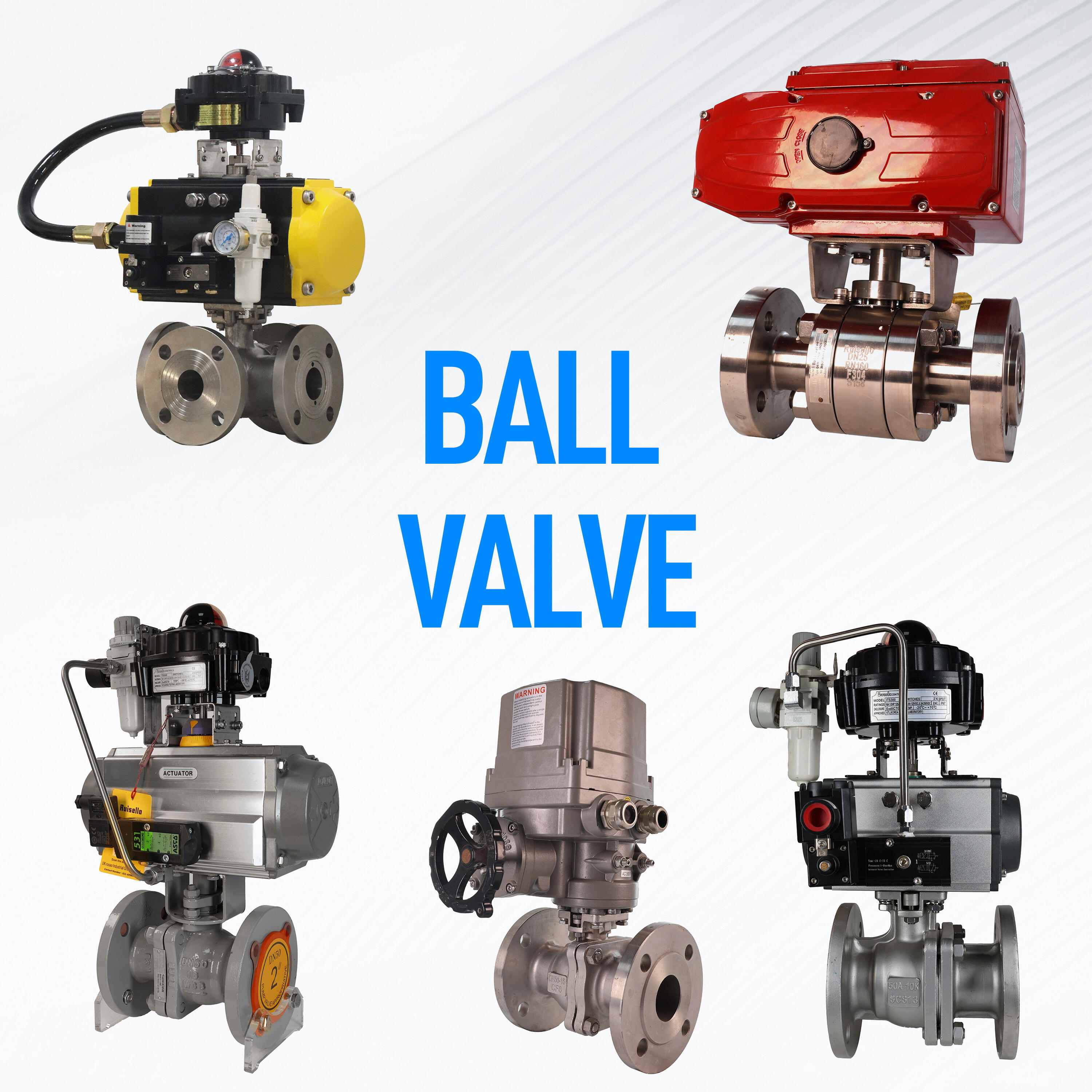
Industrial flow control systems demand precision, reliability, and efficiency to maintain optimal operational performance across diverse applications. Among the most critical components in these systems, automated ball valves stand as fundamental elements that determine overall system effectiveness. These sophisticated control devices have revolutionized how industries manage fluid flow, providing unparalleled accuracy and responsiveness in demanding environments. Modern manufacturing facilities, chemical processing plants, and water treatment operations rely heavily on advanced ball valve technology to ensure seamless operations and minimize costly downtime.
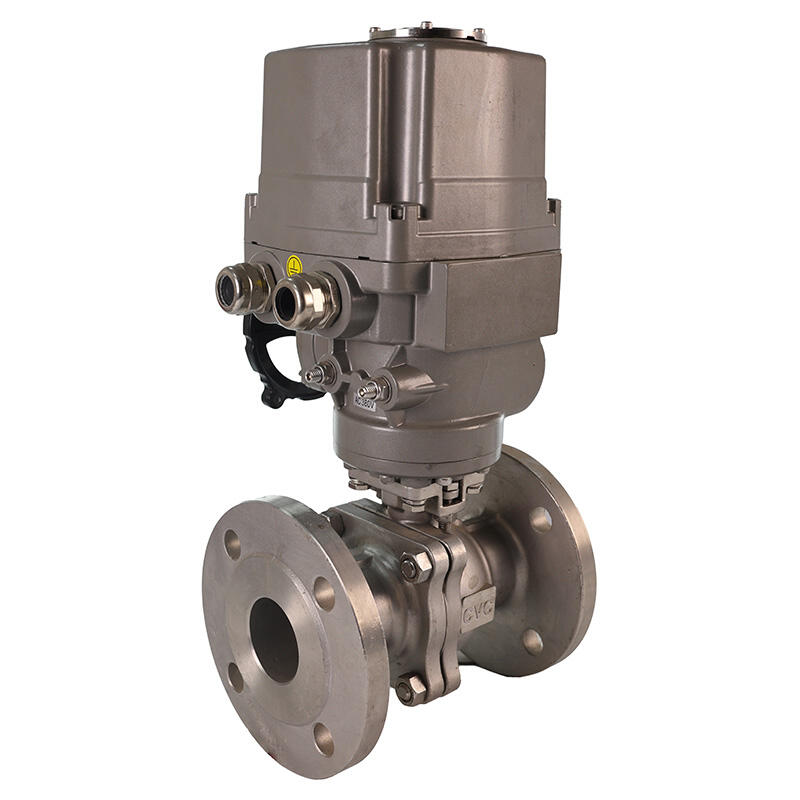
Understanding Ball Valve Automation Technology
Core Components and Design Principles
The foundation of efficient automated ball valve operation lies in understanding its sophisticated engineering design. These systems integrate precision-machined spherical closures with advanced actuator technology to deliver consistent performance under varying operational conditions. The spherical ball element features a through-hole that aligns with the pipeline when open, allowing unrestricted flow passage with minimal pressure drop. When rotated 90 degrees, the solid portion of the sphere blocks the flow path completely, providing reliable shut-off capabilities essential for process control applications.
Advanced actuator systems transform electrical, pneumatic, or hydraulic signals into precise rotational movement, enabling remote operation and automated control integration. These actuators incorporate sophisticated feedback mechanisms that provide real-time position indication and torque monitoring. The seamless integration between the valve body and actuator creates a unified control system capable of responding to process demands within milliseconds, ensuring optimal flow regulation throughout operational cycles.
Material Selection and Performance Characteristics
High-performance ball valve construction requires careful material selection to withstand specific operational environments and media characteristics. Stainless steel variants, particularly CF8 material grades, offer exceptional corrosion resistance and mechanical strength suitable for aggressive chemical applications. These materials maintain structural integrity across wide temperature ranges while providing excellent surface finish properties that minimize friction and wear during operation.
The selection of appropriate sealing materials significantly impacts long-term performance and maintenance requirements. Advanced polymer seals and metal-to-metal seating configurations provide reliable closure under extreme pressure and temperature conditions. These specialized sealing systems ensure zero-leakage performance while maintaining low operating torque requirements that extend actuator service life and reduce energy consumption.
Optimizing Performance Through Strategic Implementation
System Integration and Control Strategies
Maximizing automated ball valve efficiency requires comprehensive system integration that considers process requirements, control objectives, and operational constraints. Modern control systems utilize advanced algorithms that optimize valve positioning based on real-time flow demands, pressure variations, and system feedback. These intelligent control strategies reduce energy consumption while maintaining precise flow regulation throughout varying operational conditions.
Implementing proper control loop tuning ensures optimal response characteristics that prevent overshooting, hunting, or oscillating behavior. Advanced process controllers incorporate predictive algorithms that anticipate system demands and adjust valve positioning proactively. This forward-looking approach minimizes system disturbances and maintains stable process conditions even during rapid load changes or external influences.
Preventive Maintenance and Performance Monitoring
Establishing comprehensive maintenance protocols significantly extends ball valve service life while maintaining peak operational efficiency. Regular inspection schedules should include actuator calibration, seal condition assessment, and torque verification to identify potential issues before they impact system performance. Advanced diagnostic systems monitor valve operation continuously, tracking parameters such as cycle counts, operating torque, and response times to predict maintenance requirements accurately.
Condition monitoring technologies enable predictive maintenance strategies that optimize maintenance scheduling and minimize unexpected failures. Vibration analysis, thermal imaging, and acoustic monitoring provide early warning indicators of developing problems. These proactive approaches reduce maintenance costs while ensuring consistent performance throughout the valve service life, supporting overall system reliability objectives.
Application-Specific Optimization Techniques
High-Pressure Service Applications
Operating ball valves in high-pressure environments requires specialized optimization approaches that address unique challenges associated with elevated system pressures. ANSI 600lb pressure class valves demonstrate exceptional performance characteristics suitable for demanding applications where standard components would fail. These robust designs incorporate reinforced body construction and enhanced sealing systems that maintain integrity under extreme conditions while providing reliable operation throughout extended service periods.
Actuator sizing for high-pressure applications must account for increased breakaway torque requirements and potential pressure-induced binding effects. Proper actuator selection ensures adequate torque reserves for reliable operation under worst-case scenarios. Advanced actuator technologies incorporate torque limiting features that prevent over-stressing valve components while maintaining sufficient force for positive closure under maximum differential pressure conditions.
Chemical Processing and Corrosive Media
Chemical processing applications demand specialized ball valve configurations that resist aggressive media while maintaining operational efficiency. Advanced material combinations, including exotic alloys and specialized coatings, provide extended service life in corrosive environments. These materials resist chemical attack while maintaining mechanical properties necessary for reliable operation under process conditions.
Proper media compatibility assessment ensures optimal material selection that prevents premature failure and maintains system integrity. Chemical compatibility databases provide comprehensive guidance for material selection based on specific process media, temperature ranges, and concentration levels. This systematic approach prevents costly failures while ensuring long-term operational reliability in challenging chemical processing environments.
Advanced Control and Monitoring Systems
Digital Integration and Smart Valve Technology
Modern ball valve systems incorporate sophisticated digital interfaces that enable seamless integration with plant-wide control networks and monitoring systems. These intelligent valves provide comprehensive diagnostic information, including position feedback, torque monitoring, and operational status reporting. Digital communication protocols facilitate real-time data exchange between valve systems and central control platforms, enabling advanced process optimization and predictive maintenance strategies.
Smart valve technology incorporates embedded processors that execute local control algorithms and diagnostic routines independently. These systems can adapt to changing process conditions automatically while maintaining optimal performance characteristics. Advanced features include automatic calibration, self-diagnostic capabilities, and remote configuration options that simplify maintenance and reduce operational complexity.
Performance Analytics and Optimization
Implementing comprehensive performance analytics systems enables continuous optimization of ball valve operations through data-driven insights. Advanced monitoring platforms collect operational data from multiple valve systems simultaneously, identifying patterns and trends that indicate optimization opportunities. These analytics systems provide actionable recommendations for improving efficiency, reducing energy consumption, and extending component service life.
Machine learning algorithms analyze historical performance data to identify optimal operating parameters for specific applications and conditions. These systems continuously refine control strategies based on actual performance results, ensuring maximum efficiency throughout varying operational scenarios. Predictive analytics capabilities enable proactive adjustments that prevent performance degradation and maintain optimal system operation.
FAQ
What factors determine optimal ball valve actuator sizing
Actuator sizing depends on several critical factors including maximum operating torque requirements, valve size and pressure class, safety factor considerations, and environmental conditions. Calculate breakaway torque, running torque, and seating torque under maximum differential pressure conditions. Include appropriate safety factors, typically 25-50% above calculated requirements, and consider environmental factors such as temperature extremes that may affect actuator performance.
How often should automated ball valves undergo maintenance inspection
Maintenance frequency varies based on application severity, operating conditions, and valve design. Critical applications typically require monthly inspections including actuator calibration verification and seal condition assessment. Standard industrial applications may extend intervals to quarterly or semi-annually. Implement condition monitoring systems to optimize maintenance scheduling based on actual performance indicators rather than arbitrary time intervals.
What are the key performance indicators for ball valve efficiency monitoring
Monitor stroke time consistency, operating torque trends, position accuracy, and leakage rates as primary efficiency indicators. Track cycle counts, response time variations, and power consumption patterns to identify developing issues. Advanced systems monitor vibration signatures and acoustic emissions that indicate internal wear or damage. Establish baseline performance metrics during commissioning for accurate trend analysis.
Can existing manual ball valves be converted to automated operation
Many manual ball valves can be successfully converted to automated operation through retrofit actuator installation. Evaluate existing valve condition, mounting compatibility, and torque requirements before conversion. Ensure adequate structural support for actuator weight and verify that existing valve design can withstand automated cycling loads. Professional engineering assessment ensures successful conversion while maintaining system safety and performance requirements.