EN
EN

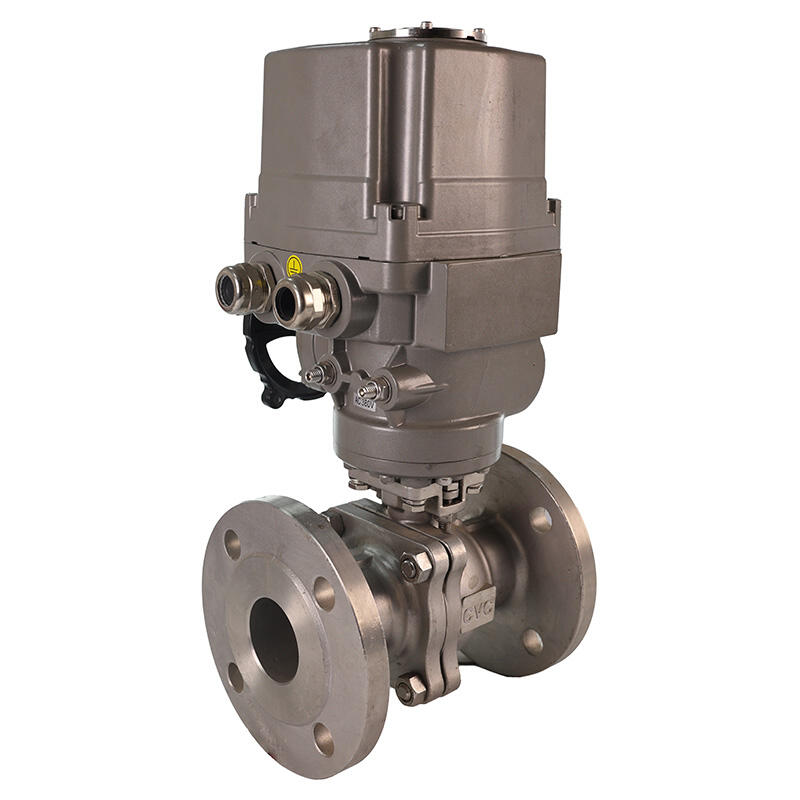
Understanding the Economic Impact of Valve Automation in Modern Industries
The industrial landscape continues to evolve rapidly, with automation technologies leading the charge in operational efficiency. At the forefront of this transformation is the automated ball valve, a critical component that has revolutionized fluid control systems across numerous sectors. These sophisticated devices represent a significant investment in infrastructure modernization, but their long-term benefits often outweigh the initial costs by a substantial margin.
Industrial facilities worldwide are increasingly recognizing the strategic advantage of implementing automated ball valve systems. These precision-engineered components offer unprecedented control over fluid flow, pressure regulation, and process automation, while simultaneously reducing human intervention and associated labor costs. Understanding the complete financial picture requires a thorough analysis of both immediate expenses and long-term returns.
Financial Considerations of Valve Automation
Initial Investment Analysis
When evaluating the implementation of automated ball valve systems, organizations must first consider the upfront costs. These typically include the base valve price, actuator components, control systems, and installation expenses. While premium automated ball valve units may command higher initial prices compared to manual alternatives, the investment often proves worthwhile when considering the complete operational lifecycle.
Installation costs can vary significantly based on facility requirements, existing infrastructure, and the complexity of the system being implemented. Organizations should factor in expenses related to system integration, calibration, and staff training during the initial deployment phase. Additionally, consideration must be given to any necessary modifications to existing piping systems or control networks.
Operational Cost Savings
The implementation of automated ball valve technology typically leads to substantial operational cost reductions. Labor savings emerge as one of the most significant benefits, as automated systems minimize the need for manual valve operation and monitoring. This reduction in human intervention not only decreases direct labor costs but also minimizes the risk of human error and associated expenses.
Energy efficiency represents another crucial area of cost savings. Automated ball valve systems provide precise control over flow rates and pressure levels, resulting in optimized energy consumption. Modern automated valves incorporate advanced sealing technologies and flow control mechanisms that prevent leakage and reduce waste, further contributing to operational savings.
Performance and Reliability Metrics
Maintenance and Longevity
The durability and reliability of automated ball valve systems directly impact their long-term cost-effectiveness. Modern automated valves are engineered with high-quality materials and advanced sealing technologies that extend their operational lifespan. Predictive maintenance capabilities, enabled by integrated sensors and monitoring systems, allow organizations to address potential issues before they develop into costly problems.
Regular maintenance requirements for automated ball valve installations are generally lower than those of manual systems, though they require different types of expertise. The reduction in mechanical wear, thanks to precise automated operation, contributes to extended service intervals and reduced replacement frequency. This translates to lower maintenance costs over the system's lifetime.
Process Optimization Benefits
The implementation of automated ball valve technology enables unprecedented levels of process control and optimization. Real-time monitoring and adjustment capabilities allow systems to maintain optimal flow conditions continuously, resulting in improved product quality and reduced waste. The precision control offered by automated systems helps maintain consistent processing parameters, leading to better production outcomes.
Advanced automated ball valve systems can integrate with facility-wide control networks, enabling comprehensive process automation and optimization. This integration capability supports data-driven decision-making and allows for continuous improvement of operational efficiency. The resulting optimization can lead to significant reductions in processing time and material waste.
Safety and Compliance Advantages
Risk Mitigation Features
Safety considerations represent a crucial aspect of the cost-benefit analysis for automated ball valve systems. These devices incorporate multiple safety features, including emergency shutdown capabilities and fail-safe positions, which can prevent costly accidents and production disruptions. The reduction in human interaction with potentially hazardous processes also contributes to improved workplace safety.
Modern automated ball valve installations include sophisticated monitoring systems that can detect and respond to abnormal conditions before they escalate into serious problems. This proactive approach to risk management can significantly reduce the likelihood of costly equipment damage or production downtime.
Regulatory Compliance Benefits
Automated ball valve systems often help facilities meet increasingly stringent regulatory requirements more effectively. The precise control and monitoring capabilities support compliance with environmental regulations by ensuring accurate flow control and minimizing emissions or leakage. Documentation and reporting features built into modern control systems simplify audit processes and compliance verification.
The ability to maintain consistent operating parameters and provide detailed operational records helps organizations demonstrate regulatory compliance more efficiently. This can result in reduced compliance-related costs and minimize the risk of penalties or production shutdowns due to regulatory violations.
Frequently Asked Questions
What factors determine the return on investment for an automated ball valve system?
The ROI for an automated ball valve system depends on several key factors, including initial installation costs, potential energy savings, reduced labor requirements, maintenance costs, and improvements in process efficiency. Additional considerations include the specific application requirements, operating environment, and potential impact on production quality and throughput.
How do automated ball valve systems impact facility insurance costs?
Many insurance providers offer reduced premiums for facilities utilizing automated ball valve systems due to their enhanced safety features and reduced risk of accidents. The implementation of these systems can demonstrate a commitment to risk management and may qualify facilities for preferential insurance rates.
What are the typical maintenance requirements for automated ball valve systems?
Maintenance requirements typically include periodic calibration, sensor checking, actuator testing, and seal inspection. However, these systems generally require less frequent maintenance than manual valves due to reduced mechanical wear and built-in diagnostic capabilities that enable predictive maintenance approaches.