EN
EN

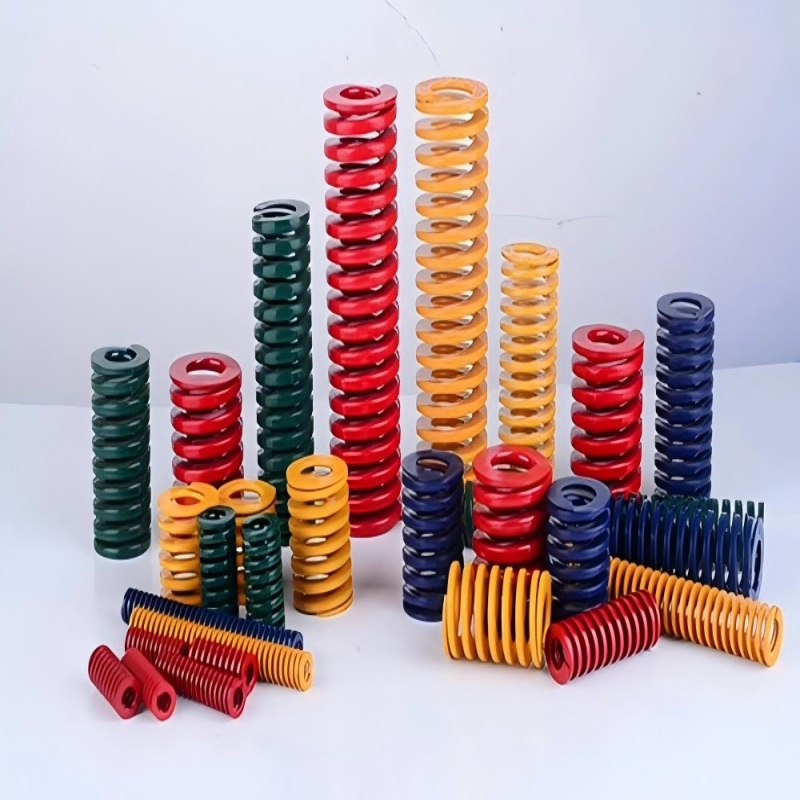
Modern industrial systems rely heavily on precise control mechanisms, and spring valves represent one of the most critical components in maintaining optimal performance across various applications. These sophisticated devices combine mechanical reliability with responsive operation, making them indispensable in industries ranging from automotive manufacturing to oil and gas processing. Understanding the proper implementation and maintenance of spring valves can significantly impact system efficiency, safety, and operational costs.
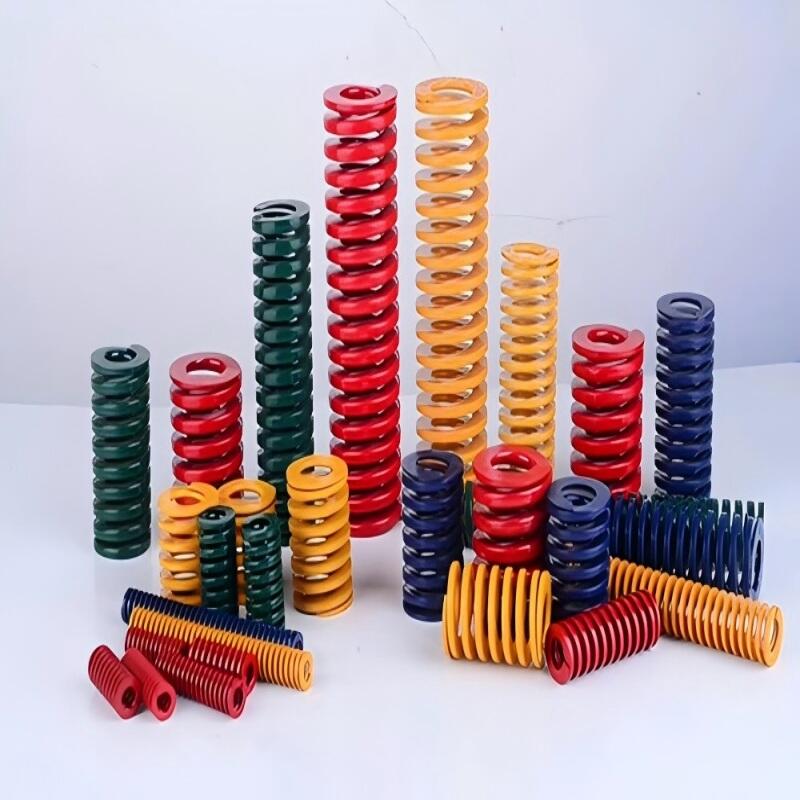
The integration of spring valves into industrial processes requires careful consideration of multiple factors including pressure requirements, temperature ranges, and material compatibility. Engineering teams must evaluate these parameters thoroughly to ensure optimal valve performance throughout the system's operational lifecycle. Proper implementation not only enhances system reliability but also reduces maintenance costs and minimizes unplanned downtime.
Understanding Spring Valve Mechanics and Design Principles
Core Components and Functionality
Spring valves operate through a sophisticated interplay of mechanical components designed to provide precise control over fluid flow. The primary spring mechanism responds to pressure differentials, automatically adjusting the valve position to maintain desired system parameters. This self-regulating capability makes spring valves particularly valuable in applications where consistent performance is critical. The valve body houses the spring assembly, which is engineered to withstand repeated compression and extension cycles while maintaining its calibrated response characteristics.
The design of effective spring valves incorporates advanced metallurgy and precision engineering to achieve reliable operation under demanding conditions. High-grade spring steel provides the necessary elasticity and fatigue resistance, while specialized coatings protect against corrosion and wear. The valve seat and disc interface must maintain tight sealing properties throughout the operational range, requiring careful material selection and surface finishing techniques.
Pressure Response Characteristics
Understanding how spring valves respond to varying pressure conditions is essential for proper system integration. The spring constant determines the valve's sensitivity to pressure changes, with stiffer springs providing less sensitive but more stable operation. Engineers must balance responsiveness against stability when selecting spring specifications for specific applications. Proper calibration ensures that the valve opens and closes at predetermined pressure thresholds, maintaining system safety and efficiency.
Temperature effects on spring performance require careful consideration during the design phase. Thermal expansion and contraction can alter spring characteristics, potentially affecting valve operation accuracy. Advanced spring valve designs incorporate temperature compensation mechanisms to maintain consistent performance across the specified operating temperature range.
Selection Criteria for Industrial Applications
Material Compatibility Assessment
Selecting appropriate materials for spring valves requires comprehensive analysis of the operating environment and fluid characteristics. Chemical compatibility between valve materials and process fluids prevents degradation and ensures long-term reliability. Stainless steel grades offer excellent corrosion resistance for many applications, while specialized alloys may be required for extreme chemical environments. The spring material must maintain its mechanical properties throughout the expected service life, resisting fatigue, corrosion, and thermal cycling effects.
Material selection also impacts the overall cost-effectiveness of spring valve implementation. While premium materials may require higher initial investment, they often provide superior service life and reduced maintenance requirements. Engineering teams should conduct thorough cost-benefit analyses considering both initial costs and lifecycle expenses when evaluating material options for spring valves.
Sizing and Capacity Requirements
Proper sizing of spring valves is crucial for achieving desired system performance while avoiding unnecessary energy losses. Undersized valves create excessive pressure drops and may not provide adequate flow capacity during peak demand periods. Conversely, oversized valves may exhibit poor control characteristics at low flow rates and increase system costs unnecessarily. Flow coefficient calculations help determine appropriate valve sizes based on system requirements and operating conditions.
Capacity requirements must account for both normal operating conditions and potential surge scenarios. Spring valves should provide sufficient margin to handle temporary flow increases without compromising system stability. This approach ensures reliable operation during transient conditions while maintaining energy efficiency during normal operations.
Installation Best Practices and System Integration
Pre-Installation Preparation
Successful implementation of spring valves begins with thorough pre-installation preparation and system analysis. Pipeline cleaning and flushing removes debris that could interfere with valve operation, while pressure testing verifies system integrity before valve installation. Proper storage and handling of spring valves during the construction phase prevents damage to sensitive components and ensures optimal performance upon commissioning.
Documentation review and verification confirms that selected spring valves meet all system requirements and regulatory standards. Installation teams should verify that valve specifications align with design parameters, including pressure ratings, temperature limits, and flow capacities. Any discrepancies should be resolved before proceeding with installation to avoid costly modifications later.
Mounting and Connection Procedures
Proper mounting orientation ensures optimal spring valve performance and accessibility for maintenance activities. Vertical installations typically provide better debris clearance, while horizontal mounting may be preferred in space-constrained applications. Support structures must accommodate valve weight and operational forces without introducing excessive stress on connected piping. Proper alignment prevents binding and ensures smooth valve operation throughout the service life.
Connection procedures should follow established industry standards and manufacturer recommendations to ensure reliable sealing and structural integrity. Thread compound application, torque specifications, and gasket selection all contribute to leak-free operation. Quality control inspections during installation verify that all connections meet specified requirements and industry best practices.
Maintenance Strategies and Performance Optimization
Preventive Maintenance Programs
Implementing comprehensive maintenance programs maximizes spring valve reliability and extends service life significantly. Regular inspection schedules identify potential issues before they impact system performance, allowing for proactive maintenance interventions. Visual inspections, performance monitoring, and periodic testing provide valuable data about valve condition and operational trends. Maintenance teams should document all activities and observations to build historical performance databases for future reference.
Preventive maintenance activities for spring valves include spring tension verification, seal inspection, and actuation testing. Lubrication of moving components prevents wear and ensures smooth operation, while calibration checks verify that valve response characteristics remain within specified tolerances. Replacement of wear components before failure prevents costly system downtime and secondary damage.
Performance Monitoring and Diagnostics
Advanced monitoring systems provide real-time data about spring valve performance, enabling predictive maintenance approaches that optimize system availability. Pressure monitoring, flow measurement, and vibration analysis detect developing problems before they cause failures. Data trending capabilities identify gradual performance degradation, allowing maintenance teams to schedule interventions during planned outages rather than emergency situations.
Diagnostic techniques for spring valves include acoustic monitoring, thermal imaging, and pressure testing procedures. These non-destructive evaluation methods assess valve condition without system shutdown, minimizing operational disruption. Regular diagnostic activities build baseline performance data that supports accurate condition assessment and maintenance planning decisions.
Troubleshooting Common Issues and Solutions
Operational Problems and Root Causes
Common operational issues with spring valves include erratic opening and closing, excessive leakage, and inadequate flow capacity. These problems often stem from contamination, wear, or improper installation practices. Systematic troubleshooting approaches identify root causes and guide effective repair strategies. Understanding the relationship between symptoms and underlying causes enables maintenance teams to implement targeted solutions that address problems comprehensively.
Spring fatigue represents one of the most significant long-term reliability concerns for spring valves. Repeated cycling, temperature variations, and corrosive environments can degrade spring performance over time. Early detection of spring degradation through regular testing and inspection prevents sudden failures that could compromise system safety and performance.
Repair and Replacement Strategies
Effective repair strategies for spring valves require careful assessment of component condition and remaining service life. Minor adjustments and component replacement can often restore performance without complete valve replacement. However, extensive wear or damage may necessitate full valve replacement to ensure reliable long-term operation. Economic analysis helps determine the most cost-effective approach based on repair costs, expected service life, and system criticality.
Replacement planning should consider lead times, inventory requirements, and installation scheduling to minimize system downtime. Standardization of spring valve specifications across similar applications simplifies spare parts management and reduces inventory costs. Emergency repair procedures and backup systems provide additional protection against unexpected failures in critical applications.
Advanced Applications and Industry-Specific Considerations
Specialized Industrial Requirements
Different industries impose unique requirements on spring valve performance and reliability. Chemical processing applications demand superior corrosion resistance and chemical compatibility, while power generation requires high-temperature operation and extended service life. Oil and gas applications emphasize safety systems and explosion-proof designs, while pharmaceutical manufacturing requires sanitary designs and documentation compliance. Understanding these industry-specific requirements guides proper valve selection and implementation strategies.
Regulatory compliance adds another layer of complexity to spring valve applications in many industries. Safety standards, environmental regulations, and quality requirements influence design specifications and documentation requirements. Compliance verification through testing, certification, and periodic inspection ensures continued regulatory approval and operational authorization.
Emerging Technologies and Innovations
Technological advances continue to enhance spring valve capabilities and expand application possibilities. Smart valve technologies integrate sensors and communication capabilities that enable remote monitoring and control. Advanced materials provide improved performance characteristics and extended service life under demanding conditions. Manufacturing innovations reduce costs while improving quality and consistency across production volumes.
Digital integration capabilities allow spring valves to participate in Industry 4.0 initiatives and smart manufacturing systems. Predictive analytics, machine learning, and artificial intelligence applications enhance maintenance planning and system optimization. These technological developments promise continued improvements in spring valve performance, reliability, and cost-effectiveness across industrial applications.
FAQ
What factors determine the appropriate spring valve size for a specific application
Spring valve sizing depends on several critical factors including maximum flow rate requirements, operating pressure range, fluid properties, and acceptable pressure drop. Engineers must calculate the flow coefficient based on these parameters and select valves with adequate capacity margins. Temperature effects, viscosity variations, and potential surge conditions also influence sizing decisions. Proper sizing ensures optimal performance while avoiding energy losses from oversized valves or flow restrictions from undersized units.
How often should spring valves undergo maintenance and inspection
Maintenance frequency for spring valves varies based on operating conditions, system criticality, and manufacturer recommendations. Typical inspection intervals range from monthly visual checks to annual comprehensive evaluations. High-cycling applications or harsh environmental conditions may require more frequent maintenance activities. Condition-based maintenance approaches using performance monitoring data can optimize maintenance scheduling by identifying actual valve condition rather than relying solely on time-based intervals.
What are the most common failure modes for spring valves in industrial applications
The most common failure modes include spring fatigue from repeated cycling, seal degradation causing internal leakage, and contamination affecting valve operation. Corrosion can compromise both spring performance and sealing surfaces, particularly in chemical processing environments. Improper installation or system design can cause premature wear and operational problems. Understanding these failure modes helps maintenance teams implement appropriate preventive measures and monitoring strategies.
Can spring valves be retrofitted into existing systems without major modifications
Spring valves can often be retrofitted into existing systems with minimal modifications, provided that connection sizes and pressure ratings are compatible. However, engineers must verify that the new valves meet system performance requirements and safety standards. Flow characteristics, response times, and control algorithms may require adjustment to accommodate different valve types. Proper planning and system analysis ensure successful retrofits that improve performance without compromising safety or reliability.
Table of Contents
- Understanding Spring Valve Mechanics and Design Principles
- Selection Criteria for Industrial Applications
- Installation Best Practices and System Integration
- Maintenance Strategies and Performance Optimization
- Troubleshooting Common Issues and Solutions
- Advanced Applications and Industry-Specific Considerations
-
FAQ
- What factors determine the appropriate spring valve size for a specific application
- How often should spring valves undergo maintenance and inspection
- What are the most common failure modes for spring valves in industrial applications
- Can spring valves be retrofitted into existing systems without major modifications