EN
EN

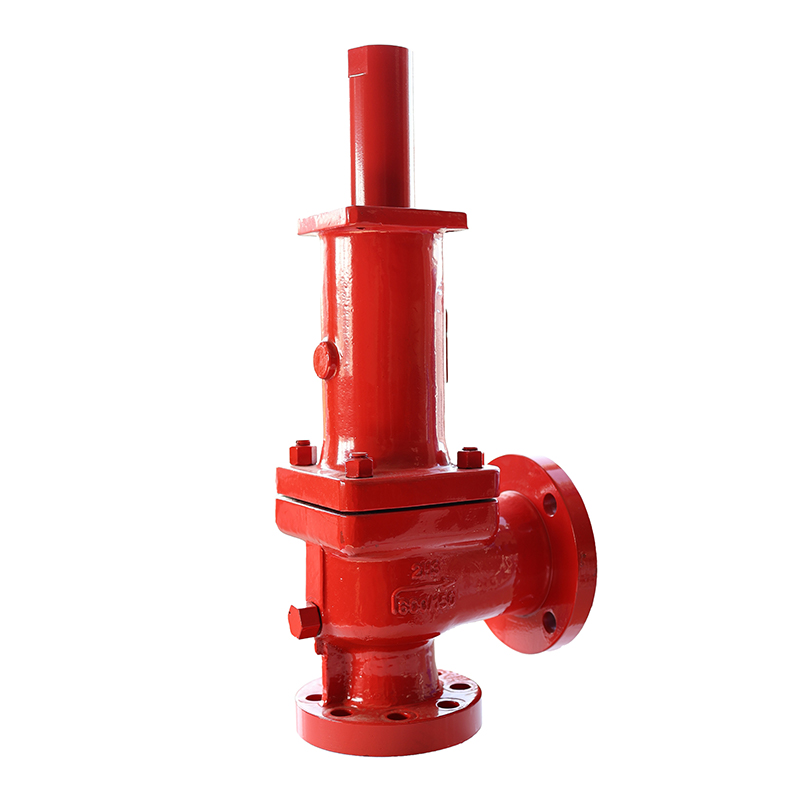
Industrial facilities handling cryogenic fluids face unique safety challenges that require specialized equipment designed for extreme temperature conditions. A cryogenic safety valve represents a critical component in these systems, providing essential protection against overpressure events while maintaining reliable operation in temperatures as low as -196°C. These specialized valves must withstand thermal shock, prevent ice formation, and ensure consistent performance across extreme temperature ranges that would compromise standard safety relief devices.
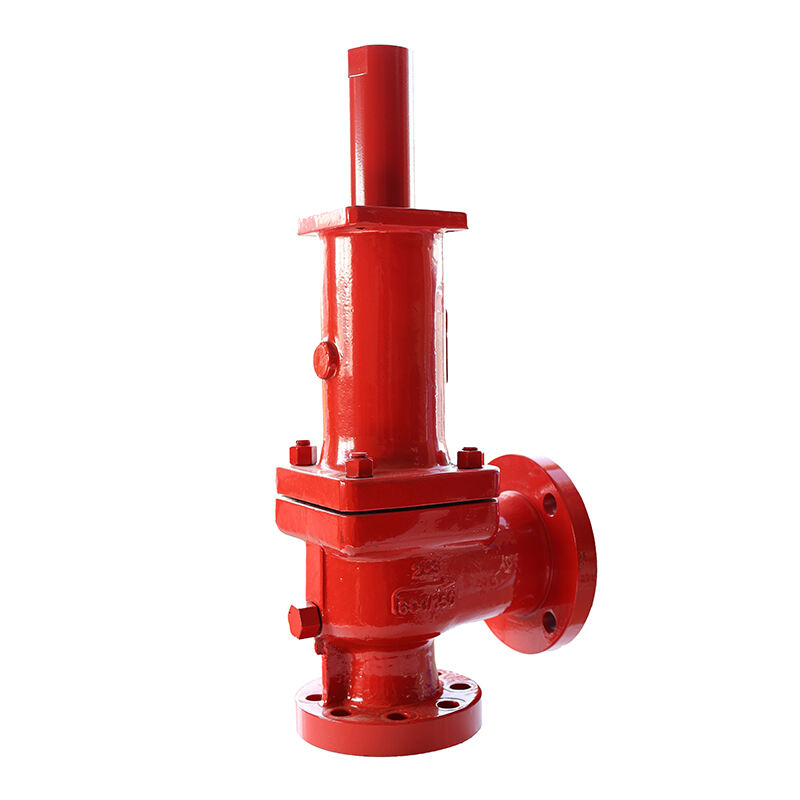
The complexity of cryogenic applications demands safety valves engineered with specialized materials, advanced sealing technologies, and rigorous testing protocols. Understanding the fundamental principles behind cryogenic safety valve design and operation is essential for engineers, facility managers, and safety professionals working in industries such as LNG processing, industrial gas production, and petrochemical manufacturing.
Understanding Cryogenic Safety Valve Design Principles
Material Selection for Extreme Temperature Performance
Material selection forms the foundation of effective cryogenic safety valve design, as standard materials become brittle and unreliable at extremely low temperatures. Austenitic stainless steels, particularly grades 304 and 316, maintain their toughness and ductility at cryogenic temperatures, making them preferred choices for valve bodies and internal components. These materials exhibit excellent fracture toughness and resist the embrittlement that affects carbon steel and other alloys when exposed to liquid nitrogen, liquid oxygen, or LNG temperatures.
Advanced cryogenic applications often require specialized alloys such as Inconel 625 or Hastelloy for components exposed to the most severe conditions. The thermal expansion characteristics of selected materials must be carefully matched to prevent binding, leakage, or mechanical failure during temperature cycling. Engineers must also consider the galvanic compatibility of dissimilar metals to prevent corrosion in the presence of moisture or process fluids.
The seat and disc materials in a cryogenic safety valve require particular attention, as these components must maintain tight sealing while experiencing rapid temperature changes. Hard-faced materials such as stellite or specialized coatings provide the necessary wear resistance and sealing integrity. The coefficient of thermal expansion differences between mating materials must be calculated to ensure proper seating forces across the operating temperature range.
Thermal Management and Insulation Considerations
Effective thermal management is crucial for cryogenic safety valve performance, as heat transfer from the environment can cause ice formation, thermal shock, or inadequate cooling of internal components. Extended bonnets create a thermal barrier between the actuating mechanism and the cryogenic process fluid, protecting springs and other temperature-sensitive components from extreme cold while maintaining operational reliability.
Insulation systems must be carefully designed to prevent moisture infiltration while allowing for thermal expansion and contraction. Vacuum-jacketed designs provide superior thermal isolation but require more complex installation and maintenance procedures. The selection of insulation materials must consider their performance characteristics at cryogenic temperatures, as many conventional insulating materials become ineffective or brittle when exposed to extreme cold.
Purge systems using dry nitrogen or other inert gases prevent ice crystal formation in valve bonnet areas, ensuring reliable spring operation and preventing seizure of moving parts. These systems must be properly sized and controlled to maintain adequate purge flow without creating excessive back-pressure that could affect valve operation. Regular monitoring of purge system performance is essential for maintaining cryogenic safety valve reliability.
Critical Performance Parameters in Cryogenic Applications
Pressure Relief Capacity and Set Point Accuracy
The pressure relief capacity of a cryogenic safety valve must be accurately calculated considering the unique properties of cryogenic fluids, including their low density, high expansion ratios, and compressibility effects at different temperatures. Standard calculation methods may not adequately account for the thermodynamic behavior of fluids undergoing rapid phase changes or experiencing significant temperature variations during relief events.
Set point accuracy becomes particularly critical in cryogenic applications where process conditions can change rapidly and system components may be sensitive to pressure variations. Temperature effects on spring rates and seat loading must be compensated through design modifications or calibration adjustments. Many cryogenic safety valve designs incorporate temperature compensation mechanisms to maintain consistent set points across their operating temperature range.
Capacity certification for cryogenic applications requires specialized testing facilities capable of reproducing actual operating conditions. The flow characteristics of cryogenic fluids differ significantly from those of standard test media, necessitating correction factors or direct testing with representative fluids. Manufacturers must provide detailed capacity curves and correction factors specific to the intended cryogenic application.
Response Time and Dynamic Performance
Response time characteristics of cryogenic safety valves can differ significantly from conventional applications due to thermal effects on spring materials, fluid properties, and potential ice formation. The valve must open quickly enough to prevent dangerous overpressure conditions while avoiding chatter or instability that could lead to premature wear or failure to maintain system pressure.
Dynamic performance testing must simulate actual cryogenic conditions to verify proper valve operation under thermal shock conditions. Rapid temperature changes can affect spring constants, sealing forces, and component dimensions in ways that may not be apparent during steady-state testing. Manufacturers must provide comprehensive dynamic performance data specific to the intended operating temperature range.
Blowdown characteristics require special consideration in cryogenic applications where process economics and safety both depend on minimizing product loss during relief events. Adjustable blowdown mechanisms allow optimization for specific applications but must maintain their adjustment capability throughout repeated thermal cycling. The selection of appropriate blowdown settings requires careful analysis of the process dynamics and downstream equipment capabilities.
Installation and Maintenance Best Practices
Proper Installation Techniques for Cryogenic Service
Installation of a cryogenic safety valve requires specialized techniques and materials to ensure reliable long-term performance. Piping connections must accommodate thermal expansion and contraction while maintaining structural integrity and preventing vibration-induced fatigue. Flexible connections or expansion joints may be necessary to isolate the valve from thermal stresses generated by connected piping systems.
Support systems must account for the additional weight of insulation and the dynamic forces generated during valve operation. Proper anchoring and guiding of connected piping prevents excessive loads on valve flanges while allowing for thermal movement. The installation orientation should consider drainage of any condensate that may form during operation or testing procedures.
Electrical connections for position indicators or remote monitoring systems require special attention in cryogenic applications. Wiring insulation and junction boxes must be suitable for extreme temperature exposure, and heat tracing may be necessary to prevent ice formation on electrical components. Proper grounding and explosion-proof certification are essential in many cryogenic applications involving flammable gases.
Preventive Maintenance and Testing Protocols
Preventive maintenance programs for cryogenic safety valves must address the unique challenges posed by extreme temperature operation and potential ice formation. Regular inspection schedules should include visual examination of insulation systems, purge gas connections, and support structures in addition to standard valve maintenance procedures. Ice accumulation or frost formation may indicate insulation failure or inadequate purge gas flow.
Testing procedures must be carefully planned to minimize thermal cycling while ensuring compliance with regulatory requirements. Online testing systems using pilot-operated mechanisms can reduce the frequency of full-lift testing while maintaining verification of proper set point and capacity. When full-lift testing is required, proper warm-up and cool-down procedures prevent thermal shock damage to valve components.
Spare parts inventory for cryogenic safety valve maintenance should include specialized materials and components that may not be readily available. Gaskets, seals, and springs designed for cryogenic service require different materials and specifications than standard safety valve parts. Proper storage conditions for these components ensure they maintain their performance characteristics when needed for maintenance activities.
Industry Applications and Regulatory Requirements
LNG Processing and Storage Facilities
LNG processing facilities represent one of the most demanding applications for cryogenic safety valves, with operating temperatures reaching -162°C and pressures varying significantly throughout the liquefaction and storage process. These facilities require safety valves that can handle the unique characteristics of methane at cryogenic conditions while meeting stringent safety and environmental regulations.
The design of cryogenic safety valve systems for LNG applications must consider the high expansion ratio of liquefied natural gas when it vaporizes, potentially requiring larger relief capacities than initially apparent. Fire exposure scenarios require special consideration, as rapid heating of LNG storage tanks can generate enormous relief loads that must be safely handled by the pressure relief system.
Regulatory compliance in LNG facilities involves multiple international standards and local regulations that may specify particular design features or testing requirements for safety valves. The API 526 standard provides guidance for pressure relief valve design, while additional requirements from organizations such as the National Fire Protection Association and the International Maritime Organization may apply to specific installations.
Industrial Gas Production and Distribution
Industrial gas production facilities handling liquid nitrogen, oxygen, argon, and other cryogenic products require specialized safety valve systems designed for the specific properties of each gas. Oxygen service applications demand particular attention to material compatibility and ignition risks, while nitrogen applications may involve extremely low temperatures that challenge even specialized cryogenic materials.
Distribution systems for cryogenic gases often involve mobile equipment such as transport trailers and portable storage vessels that subject safety valves to additional challenges including vibration, thermal cycling, and varying orientations. These applications require robust valve designs that maintain their performance characteristics despite repeated handling and transportation stresses.
Quality assurance programs for industrial gas applications must verify that cryogenic safety valve performance meets the purity requirements of the stored product. Contamination from valve materials or lubricants can compromise product quality, particularly in high-purity applications such as semiconductor manufacturing or medical gas supply systems.
Troubleshooting Common Issues
Ice Formation and Moisture Control
Ice formation represents one of the most common operational challenges for cryogenic safety valves, potentially causing valve seizure, incorrect set points, or complete failure to operate when needed. Moisture sources include atmospheric humidity, inadequate purge systems, or leakage from process connections that allows warm, humid air to enter the valve bonnet area.
Prevention strategies focus on maintaining dry conditions around temperature-sensitive components through effective purge systems, proper insulation, and elimination of air leakage paths. Desiccant systems may be necessary in high-humidity environments, while heat tracing can prevent ice formation on critical surfaces. Regular monitoring of purge gas quality ensures that the supplied gas meets dryness specifications.
When ice formation does occur, removal procedures must avoid thermal shock or mechanical damage to valve components. Gradual warming using controlled heat sources prevents rapid thermal expansion that could damage sealing surfaces or spring mechanisms. Emergency procedures should be established for situations where ice formation prevents proper valve operation during critical process conditions.
Thermal Cycling Effects and Component Fatigue
Repeated thermal cycling between ambient and cryogenic temperatures can cause fatigue in valve components, particularly in areas where different materials meet or where stress concentrations exist. Spring materials are especially susceptible to thermal cycling effects that can alter their force characteristics and potentially lead to set point drift or spring failure.
Monitoring programs should track valve performance over time to identify gradual changes that may indicate thermal fatigue or material degradation. Set point testing should be performed more frequently on valves subject to severe thermal cycling, and trending analysis can help predict when maintenance or component replacement will be necessary.
Design modifications such as thermal barriers, flexible connections, or stress relief features can minimize thermal cycling effects on critical components. When planning maintenance schedules, consideration should be given to the number and severity of thermal cycles experienced by each cryogenic safety valve installation.
FAQ
What makes a cryogenic safety valve different from standard safety valves
A cryogenic safety valve incorporates specialized materials, extended bonnets, and thermal management features that standard safety valves lack. These modifications ensure reliable operation at extremely low temperatures where conventional materials become brittle and standard designs fail. The extended bonnet design isolates temperature-sensitive components from the cryogenic process fluid, while specialized alloys maintain their mechanical properties at temperatures as low as -196°C.
How often should cryogenic safety valves be tested and maintained
Testing frequency for cryogenic safety valves typically follows the same regulatory requirements as standard safety valves, usually annually or every five years depending on the application and local regulations. However, the maintenance approach must account for additional factors such as thermal cycling effects, purge system performance, and insulation integrity. More frequent inspections may be necessary for valves experiencing severe thermal cycling or operating in challenging environmental conditions.
What are the key considerations when selecting materials for cryogenic safety valve construction
Material selection for cryogenic safety valve construction must prioritize fracture toughness, thermal expansion compatibility, and resistance to low-temperature embrittlement. Austenitic stainless steels like 316 provide good performance for most applications, while specialized alloys such as Inconel may be required for extreme conditions. The coefficient of thermal expansion must be matched between mating components to prevent binding or leakage during temperature changes, and all materials must maintain their mechanical properties throughout the intended operating temperature range.
Can standard safety valves be modified for cryogenic service
Standard safety valves cannot simply be modified for reliable cryogenic service, as the fundamental design requirements differ significantly from conventional applications. Attempting to adapt standard valves typically results in unreliable performance, safety risks, and potential regulatory non-compliance. Proper cryogenic safety valve design requires specialized engineering from the initial concept stage, incorporating appropriate materials, thermal management systems, and testing protocols specific to extreme temperature applications.