EN
EN

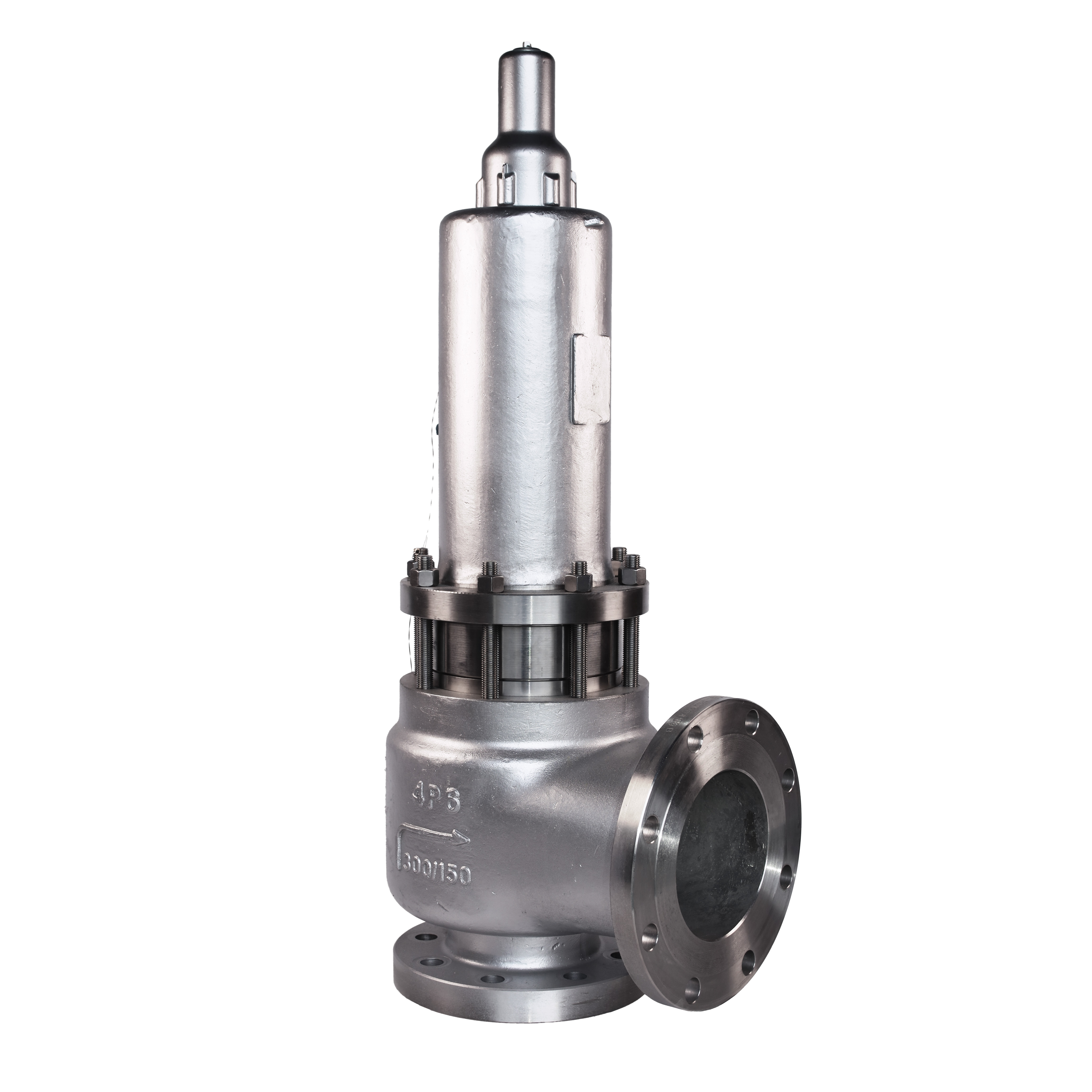
Industrial facilities across manufacturing, petrochemical, and energy sectors rely heavily on pressure relief systems to maintain operational safety and equipment integrity. Among the various pressure relief solutions available, full bore safety valves have emerged as a critical component for applications requiring maximum flow capacity and reliable performance under extreme conditions. These specialized valves provide unrestricted flow paths that enable efficient pressure relief while minimizing back pressure effects that could compromise system performance.
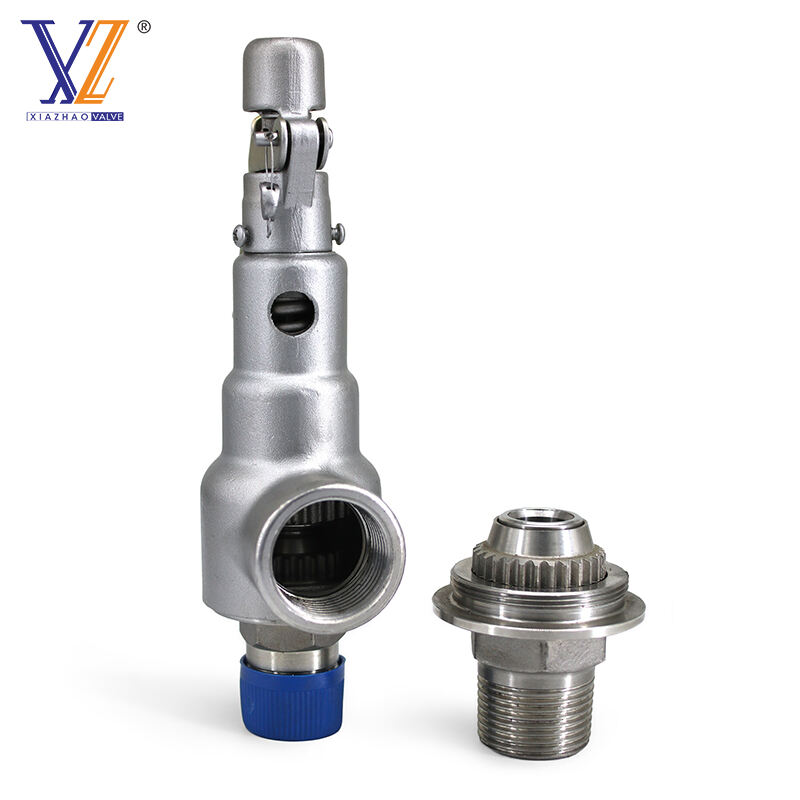
Understanding the advantages and limitations of full bore safety valves becomes essential for engineers and facility managers tasked with selecting appropriate pressure relief equipment. These valves differ significantly from conventional safety valves in their internal construction and flow characteristics, making them particularly suitable for specific industrial applications where maximum discharge capacity takes precedence over other design considerations.
The decision between full bore and conventional safety valve designs involves careful analysis of system requirements, operating conditions, and long-term maintenance considerations. This comprehensive evaluation helps ensure optimal safety performance while maintaining cost-effectiveness throughout the valve's operational lifecycle.
Design Characteristics and Operating Principles
Internal Flow Path Configuration
The fundamental design principle behind full bore safety valves centers on providing an unobstructed flow path from inlet to outlet. Unlike conventional safety valves that feature reduced bore configurations, full bore safety valves maintain the same internal diameter throughout the valve body. This design approach eliminates flow restrictions that could create pressure drops and turbulence during relief operations.
The valve disc and seat arrangement in full bore safety valves typically features a larger seating area compared to standard designs. This increased seating surface provides enhanced sealing capabilities while accommodating the larger flow passage requirements. The spring loading mechanism must be proportionally sized to generate sufficient closing force across the larger disc area.
Flow coefficient values for full bore safety valves generally exceed those of equivalent-sized conventional valves by significant margins. This enhanced flow capacity translates directly into improved system protection capabilities, particularly in applications where rapid pressure relief becomes critical for preventing equipment damage or safety incidents.
Actuation and Response Characteristics
The opening characteristics of full bore safety valves differ from conventional designs due to the larger disc area and modified force balance relationships. These valves typically require precise calibration to achieve proper set pressure accuracy while maintaining stable operation throughout the relief cycle. The larger disc area can introduce challenges related to chattering or instability if not properly engineered.
Response time considerations become particularly important for full bore safety valves due to their enhanced flow capacity. Faster opening characteristics can provide improved protection for sensitive equipment, but may also introduce operational challenges in systems with limited downstream capacity or complex piping configurations.
The closing behavior of these valves requires careful attention to reseat pressure settings and blowdown characteristics. Proper closing ensures system pressure recovery while preventing excessive pressure loss that could impact normal operations.
Advantages of Full Bore Safety Valve Implementation
Maximum Flow Capacity Benefits
The primary advantage of full bore safety valves lies in their superior discharge capacity compared to conventional valve designs. This enhanced flow capability proves particularly valuable in high-volume applications where large quantities of fluid must be rapidly relieved to prevent system overpressurization. Industries such as petroleum refining, chemical processing, and power generation frequently benefit from this increased capacity.
Reduced back pressure effects represent another significant benefit of full bore safety valves. The unrestricted flow path minimizes pressure losses that could impair valve performance or create upstream pressure accumulation. This characteristic becomes especially important in systems with complex piping networks or multiple relief devices operating simultaneously.
System protection effectiveness improves substantially when full bore safety valves provide adequate relief capacity for worst-case scenarios. Engineering calculations often demonstrate that fewer full bore safety valves can provide equivalent protection compared to multiple conventional valves, potentially simplifying system design and reducing overall costs.
Installation and Integration Advantages
Space utilization benefits emerge when full bore safety valves replace multiple smaller conventional valves. Single large-capacity valves typically require less overall installation space compared to parallel arrangements of smaller valves. This space efficiency becomes valuable in congested industrial facilities where real estate comes at a premium.
Piping complexity reductions often accompany full bore safety valve installations. Simplified header configurations and reduced interconnecting piping requirements can lower installation costs while improving system reliability. Fewer connection points mean fewer potential leak paths and reduced maintenance requirements over time.
Maintenance scheduling advantages result from having fewer individual valve units requiring periodic testing and servicing. Centralized maintenance activities on larger valves often prove more efficient than distributed maintenance on multiple smaller units, leading to reduced downtime and labor costs.
Limitations and Disadvantages
Initial Cost and Economic Considerations
The higher initial purchase price of full bore safety valves represents a significant disadvantage compared to conventional designs. Larger valve bodies, increased material requirements, and more complex manufacturing processes contribute to elevated costs that can impact project budgets. These premium prices may not be justifiable for applications where conventional valves provide adequate performance.
Installation costs typically increase due to the larger size and weight of full bore safety valves. Heavy-duty mounting structures, larger piping connections, and specialized handling equipment may be required during installation. These additional requirements can substantially increase overall project costs beyond the valve purchase price alone.
Long-term operating costs may also be higher due to the specialized nature of full bore safety valves. Replacement parts, specialized maintenance expertise, and extended downtime requirements during servicing can contribute to increased lifecycle costs that offset initial performance benefits.
Technical and Operational Limitations
Size and weight constraints limit the applicability of full bore safety valves in certain installations. Structural support requirements may exceed available capacity in existing facilities, necessitating costly modifications or alternative solutions. Weight limitations become particularly challenging in offshore applications or elevated mounting configurations.
Precise set pressure calibration becomes more challenging with full bore safety valves due to their larger disc areas and modified force relationships. Achieving consistent performance across varying operating conditions requires careful engineering and quality control measures that may not be necessary with conventional designs.
Limited availability of full bore safety valves in certain size ranges or pressure classes can restrict their application in specific industries. Standard valve manufacturers may not offer full bore configurations in all sizes, potentially requiring custom fabrication with associated delays and costs.
Application Suitability and Selection Criteria
Optimal Application Scenarios
High-volume gas service applications represent ideal scenarios for full bore safety valves implementation. Natural gas processing facilities, gas turbine installations, and large-scale pneumatic systems benefit significantly from the enhanced flow capacity these valves provide. The ability to handle large volumetric flow rates while maintaining acceptable back pressure levels makes full bore safety valves particularly suitable for gas service applications.
Critical process applications where system protection takes absolute priority over cost considerations often warrant full bore safety valves selection. Nuclear facilities, high-pressure steam systems, and hazardous chemical processes may require the maximum available relief capacity to ensure safe operations under all conceivable scenarios.
Retrofit applications in existing facilities sometimes benefit from full bore safety valves when increased capacity becomes necessary without extensive piping modifications. Upgrading from multiple smaller valves to single larger units can improve performance while simplifying maintenance requirements.
Evaluation Criteria and Decision Framework
Flow capacity analysis forms the foundation of any full bore safety valves selection process. Engineers must calculate required relief rates under various scenarios and compare these requirements against available valve capacities. This analysis should consider both normal operating conditions and emergency situations that might demand maximum relief performance.
Economic evaluation must encompass both initial costs and long-term operating expenses associated with full bore safety valves. Life cycle cost analysis helps determine whether the premium prices are justified by performance improvements and operational benefits. This evaluation should include maintenance costs, downtime implications, and potential risk mitigation benefits.
Space and installation constraints require careful assessment before specifying full bore safety valves. Structural analysis, piping modifications, and access requirements must be evaluated to ensure successful implementation. These physical limitations often determine whether full bore safety valves represent feasible solutions for specific applications.
Performance Comparison with Conventional Designs
Flow Coefficient and Capacity Analysis
Comparative flow testing demonstrates that full bore safety valves typically achieve flow coefficients 20-40% higher than equivalent-sized conventional valves. This performance advantage translates directly into increased relief capacity for identical operating conditions. The enhanced flow characteristics prove particularly beneficial in applications where maximum discharge rates are required to prevent system damage.
Back pressure sensitivity comparisons reveal that full bore safety valves maintain consistent performance across wider ranges of downstream conditions. Conventional valves may experience capacity reductions of 10-15% under elevated back pressure conditions, while full bore safety valves typically maintain near-rated capacity throughout their operating range.
Pressure drop characteristics across full bore safety valves remain minimal compared to conventional designs due to the unrestricted flow path. This reduced pressure drop translates into improved system efficiency and reduced energy consumption during relief operations, particularly in applications with extended discharge durations.
Operational Reliability and Maintenance
Field experience data indicates that full bore safety valves may experience different failure modes compared to conventional designs. While the larger seating areas can provide improved sealing capabilities, they also require more precise manufacturing tolerances and careful installation procedures to achieve optimal performance.
Maintenance interval comparisons show mixed results depending on service conditions and application requirements. Some installations report extended service intervals due to improved sealing and reduced wear rates, while others experience increased maintenance requirements due to the specialized nature of full bore safety valves components.
Testing and calibration procedures for full bore safety valves often require specialized equipment and expertise compared to standard valve maintenance. This requirement can impact maintenance costs and scheduling flexibility, particularly for facilities with limited specialized maintenance capabilities.
Industry Standards and Regulatory Compliance
Applicable Codes and Standards
Full bore safety valves must comply with the same industry standards and codes that govern conventional safety valve designs. ASME Section I and Section VIII requirements apply equally to both valve types, ensuring that full bore safety valves meet identical safety and performance criteria. The API 520 and API 521 standards provide guidance for sizing and selection regardless of valve bore configuration.
International standards such as ISO 4126 series and EN ISO 23251 establish performance requirements that full bore safety valves must satisfy. These standards address testing procedures, capacity certification, and quality assurance requirements that ensure reliable operation across various industrial applications. Compliance with multiple international standards may be necessary for global projects or multinational facilities.
Special regulatory requirements in industries such as nuclear power, petroleum refining, and chemical processing may impose additional criteria for full bore safety valves selection and testing. These requirements often exceed basic code compliance and may specify enhanced documentation, traceability, or performance verification procedures.
Certification and Testing Requirements
Capacity certification procedures for full bore safety valves typically follow established industry protocols despite their unique design characteristics. Flow testing laboratories must accommodate larger test volumes and modified test fixtures to properly evaluate full bore safety valves performance under simulated operating conditions.
Quality assurance programs for full bore safety valves manufacturing often require enhanced controls due to the precision required in larger components. Manufacturing tolerances, material specifications, and assembly procedures receive increased attention to ensure consistent performance across production batches.
Third-party verification and certification processes apply to full bore safety valves just as they do for conventional designs. Independent testing organizations must validate capacity ratings, set pressure accuracy, and compliance with applicable codes before valves receive approval for specific applications.
FAQ
What makes full bore safety valves different from standard safety valves
Full bore safety valves feature an internal diameter that remains constant from inlet to outlet, eliminating flow restrictions present in conventional designs. This unrestricted flow path provides significantly higher discharge capacity, typically 20-40% greater than equivalent-sized standard valves. The larger flow area reduces back pressure effects and allows for more efficient pressure relief during emergency situations.
When should facilities consider installing full bore safety valves
Full bore safety valves become most beneficial in high-volume gas applications, critical process protection scenarios, and situations where maximum relief capacity is essential for safety. Industries such as natural gas processing, petroleum refining, and large-scale chemical manufacturing frequently require the enhanced capacity these valves provide. The decision should be based on flow capacity analysis, available space, and economic considerations including lifecycle costs.
Are full bore safety valves more expensive to maintain than conventional valves
Maintenance costs for full bore safety valves can be higher due to their specialized components and larger size requirements. However, some installations experience cost savings through reduced maintenance frequency and simplified system configurations. The overall maintenance cost impact depends on specific application conditions, available expertise, and facility maintenance capabilities. Proper evaluation should include both routine maintenance and emergency repair scenarios.
How do full bore safety valves perform under varying back pressure conditions
Full bore safety valves typically maintain more consistent performance under varying back pressure conditions compared to conventional designs. The unrestricted flow path minimizes pressure losses that could affect valve operation, allowing these valves to maintain near-rated capacity across wider ranges of downstream conditions. This characteristic makes them particularly suitable for applications with complex piping systems or multiple relief devices operating simultaneously.