EN
EN

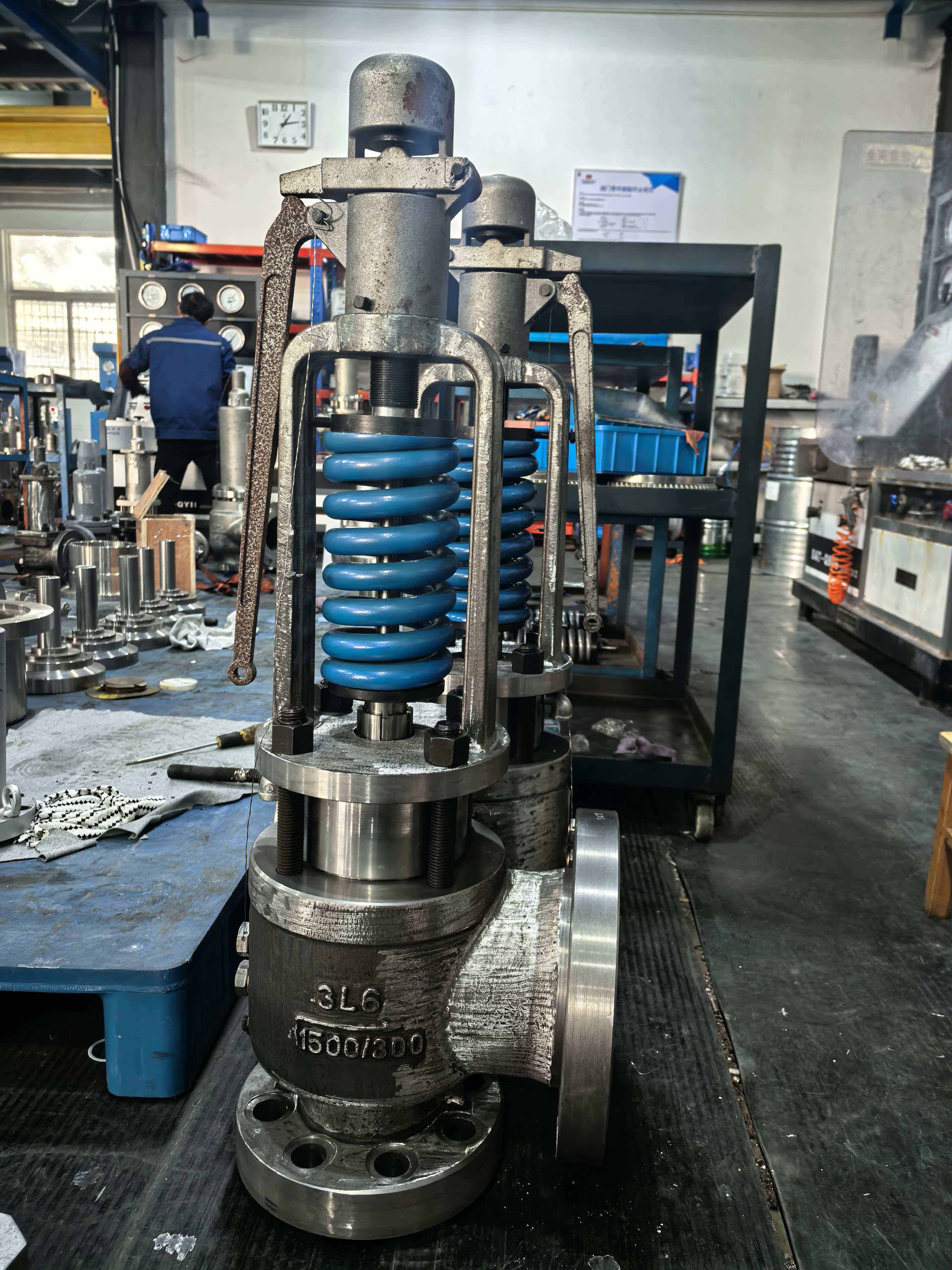
תרחישים מורחבים ליישום וניתוח ביצועים מבוסס נתונים של שסתום בטיחות קיטור 1500 רطل, 3" × 6"
שסתומי בטיחות קיטור מהווים את שכבת ההגנה האחרונה במערכות קיטור בע presión גבוהה. כאשר מתרחשת עלייה לא תקינה בלחץ במרתף קיטור, בראש קיטור או בלולאת תהליך, שסתום הבטיחות חייב להיפתח במהירות, לפלוט כמות מספקת של קיטור ולאחר מכן לסגור באופן אמינה כדי למנוע אובדן מתמיד של התווך. במקרים קשים (לחץ גבוה, טמפרטורה גבוהה, מחזורי חום שכיחים או קיטור מקלקל), חומרי המבנה הפנימי של השסתום, יציבות הנחיתה והעקביות בלחץ ההפעלה הם חשובים באותה מידה כמו קיבולת הזרימה.
מאמר זה מתמקד ב שנגחאי שיאו-ג'או 1500LB (ASME כיתה 1500) שסתום בטיחות לסטים בקוטר 3" × 6" (3L6) , מעוצב כדי API 526 לעמוד בדרישות ומעוצב להגנה על סטימס מפני לחץ יתר קיצוני עד 450°C . נכסה תרחישים מורחבים של יישום, לוגיקת בחירה הנדסית נפוצה ומצביעי ביצועים החשובים בתפעול מציאותי של מפעל.
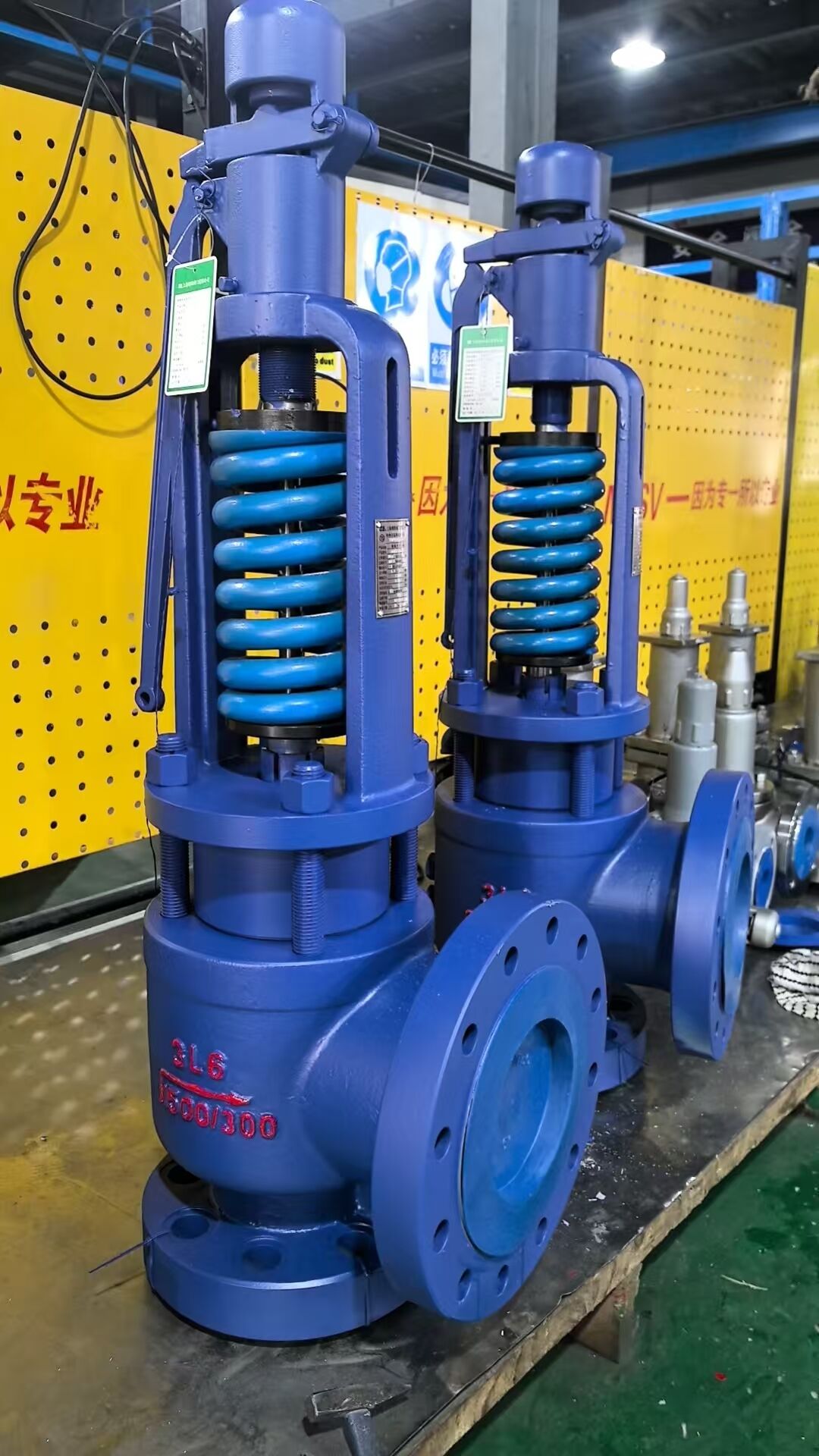
1) מה הופך שסתום בטיחות לסטים בקוטר 3" × 6" וכיתה 1500LB למשתנה במערכות קשות
מערכות סטים רבות משתמשות בשסתומי בטיחות טיפוסיים בעלי קפיץ. עם זאת, כאשר תנאי הפעלה מתקרבים לקצה העליון של דרגות הלחץ המותרות, תקלות טיפוסיות מתרחשות בתדירות גבוהה יותר: שחיקה של המושב, סטייה בלחץ ההפעלה, התנעה לא יציבה, רטט (simmering), עיכוב בהחזרה למצב הסגור, ודליפת סטים לאחר ההתנעה. בעיות אלו גורמות לעתים קרובות לאיבוד אנרגיה, לקיצור אורך חיים של הציוד ולתחזוקה בלתי מתוכננת.
עבור יישום סטים בכיתה 1500, המיקוד ההנדסי העיקרי אינו רק "פתיחה בלחץ ההפעלה המוגדר", אלא גם התנהגות הרמה יציבה, חוזקנית (repeatability) ותפקוד איטמי (sealing integrity) לאורך זמן בטמפרטורות גבוהות.
נקודות ציון עיקריות בעיצוב (מבחינה הנדסית)
- תאימות לממדים של API 526 לכדי קביעת גודל צפוי ויכולת החלפה בתרגול העיצוב התעשייתי
- פתיחה מלאה, פטיש פתוח לחלוטין לכדי מקסום את קיבולת ההשראת אדים ולצמצם את הלחץ המרבי מעל הלחץ המתוכנן
- מבנה דיסק מונחה לכדי פתיחה יציבה והתייצבות מהירה
- חגורת יושב ודיסק מעורק #7718 מוצקה לכדי עמידות בפני נזק תרמי גבוה ונעילת איטימיות אמינה
- שליטה ניתנת להתאמה בפיחות הלחץ לאחר הפעלה להפחית את הפעימה ולשפר את ביצועי ההשתלבות מחדש
2) תחומים טיפוסיים לעומת תרחישים מורחבים ליישום
שסתום הבטיחות לגז דלף מסוג 1500LB 3L6 נבחר בדרך כלל בתחנות ייצור חשמל, במפעלי פטרוכימיה ובמערכות אינדוסטריות גדולות של גז דלף. בנוסף, יתרונות העיצוב שלו מתאימים גם למספר תרחישים 'לא מסורתיים' או בעלי צמיחה מהירה, שבהם אמינות הגנת הגז הדלף היא דרישה הנדסית עיקרית.
2.1 מערכות גז דלף לאגירת פחמן (CCUS)
במתקני CCUS, גז דלף משמש באופן רגיל לאינטגרציה תרמית, לריענון הממסים ולמערכות דחיסה עזר. מערכות אלו עלולות לחוות תנודות תרמיות ותנודות בלחץ בתדירות גבוהה עקב שינויים בעומס והחלפת תהליכים. בתנאים אלו, שסתום בטיחות חייב לשמור על יציבות בלחץ ההגדרה ולהתנגד לפגיעות ברכיבי הפנים (trim) הנגרמות על ידי גז דלף בטמפרטורה גבוהה ואפשרויות זרמים מזדמנים.
שסתום בטיחות מדרגה 1500 עם ציוד עליון ללחצים גבוהים נבחר לעיתים קרובות כאשר לולאת האדים פועלת בקרבת גבול הלחצים העליון, במיוחד באזורים שבהם אירועים חוזרים של פתיחה יכולים להאיץ את ההתעכלות של המושב בחומרים הסטנדרטיים של הציוד.
2.2 מערכות כוח מתקדמות ומודולים קומפקטיים לאדים בלחץ גבוה
מודולים קומפקטיים לאדים בלחץ גבוה (כולל מערכות אנרגיה מתקדמות וחבילות אדים תעשייתיות בעלות יעילות גבוהה) דורשים בדרך כלל ביצועי פליטה יציבים ותהליך החזרה עקבי. אילוצי מקום ומחזור עבודה גבוהים מגבירים את החשיבות של הנחיה יציבה והפחתת הדליפות לאחר הפעלה.
במערכות אלו, יציבות החזרה היא לעיתים קרובות חשובה באותה מידה כמו הקיבולת, משום שא даже אבדן קטן ואינטראקטיבי של אדים עלול להשפיע באופן משמעותי על יעילות האנרגיה.
2.3 תחנות אדים מביומסה, ביוגז ואנרגיה מתחדשת
תנורי ביומסה ותחנות ביוגז נפגעות מהבדלים באיכות האדים, מסוכנת של סחיפה של חלקיקים ומזיהמים קורוזיביים. חלקי החילוף הרגילים עלולים לבלות במהרה כאשר הם מוצבים בפני אדים מחסרי או מזוהמים. חלקי חילוף מחלקה עמידה בטמפרטורות גבוהות משפרים את העמידות ועוזרים להאריך את פרקי התיקון.
עבור תחנות עם עומסים משתנים, התאמה של שסתום הפליטה (blowdown) היא גם כן מועילה, ועוזרת למנוע רתיחה מתמדת ולפחית את הנזק לישיבה שנגרם על ידי הרמה מיקרוסקופית לא יציבה.
2.4 מערכות אדים ימיות ואוффשיור
מערכות אדים ימיות דורשות הגנה אמינה מפני לחץ יתר תחת תנודות, שינויים בעומס ותנאי תחזוקה קשים. מבנה מודרך עמיד ומשטחי איטום בעלי שלמות גבוהה מפחיתים את הסיכון לדליפת ארוכת טווח, דבר שחשוב במיוחד במרחבים צפופים של ציוד.
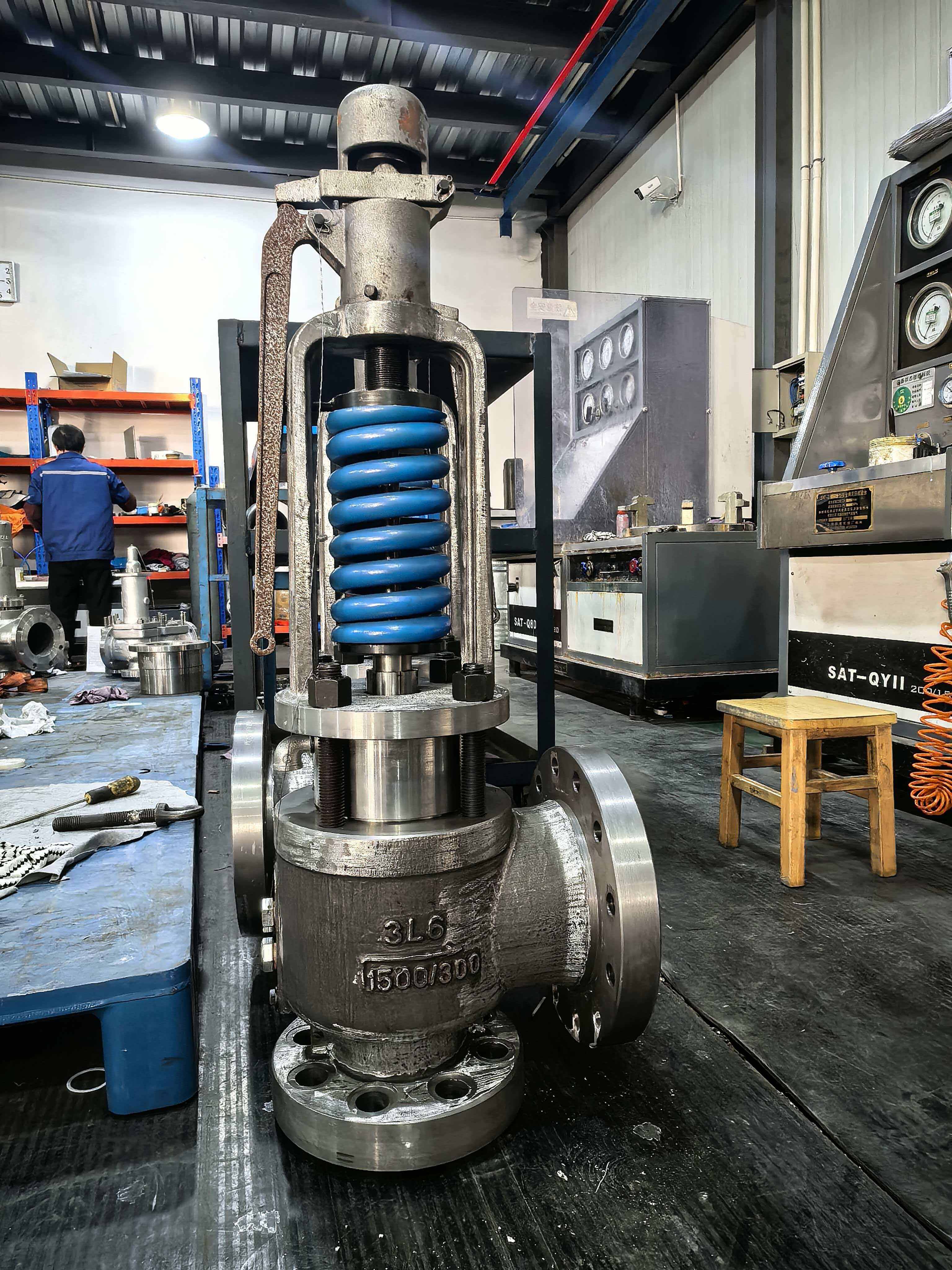
3) עקרון הפעולה ונתוני הביצוע העיקריים
שסתום בטיחות קיטור בעל קפיץ נשאר סגור תחת לחץ הפעלה נורמלי. כאשר לחץ המערכת מגיע לנקודת ההגדרה, כוח הקיטור עולב על כוח הקפיץ והדיסק עולה במהירות. בעיצוב של הרמה מלאה, השסתום מגיע למהלך המרומז שלו בזריזות כדי להוציא קיבולת קיטור גבוהה. לאחר שבלחץ יורד מתחת לנקודת החזרה, כוח הקפיץ מושך את הדיסק חזרה לישיבה, ומשחזר את החסימה המוצקה.
להלן סיכום פרקטי של מדדי הביצועים העיקריים ומהם המשמעות שלהם לפעולת המפעל במציאות.
| בדיקה/מצביע | מדוע זה חשוב | התמקדות הנדסית מומלצת |
|---|---|---|
| קיבולת הפליטה (התנהגות הרמה מלאה) | מגדיר כמה מהר ניתן להפחית את הלחץ במהלך אירוע לחץ יתר | לבחור עיצוב הרמה מלאה עם נחיתה יציבה ותפקוד קיבולת מוכח |
| חזרתיות נקודת ההגדרה | מפחית את הסיכון להרמת שסתום לא רצויה או לפתיחת מאוחרת תחת עומסים משתנים | להשתמש בעיצוב קפיץ עמיד בחום ובפני שטח ישיבה/דיסק מעובדים במדויק |
| יציבות החזרה למצב התחנה (בקרת פליטת הלחץ) | מונע דליפת ממושכת ואיבוד אדים לאחר הפעלה | לוודא שטבעת הפליטה/עיצוב התאמה תומכים ביציבות החזרה למצב התחנה |
| שלמות החסימה בטמפרטורות גבוהות | משפיע ישירות על הדליפה, איבוד האנרגיה ותדירות התיקונים | להשתמש ברכיבי סגירה מברזל עמיד לחום, כגון סגירה ממתכת #7718 מוצקה |
| עמידות לבלאי תחת מחזורי חום | מתח תרמי עלול לגרום לפגיעות במושב, לדביקות (galling) ולסחיפה לאורך זמן | לבחור רכיבי סגירה בעלי קשיחות גבוהה בטמפרטורה גבוהה ועמידות לקליטה |
איך רכיבי הסגירה ממתכת #7718 המוצקה משפרים את האמינות
למשימות קשות של אידוי, המושב והדיסק הם רכיבי הה Haoה החשובים ביותר. חומר השדרוג מהאליאג' הקובלטי #7718 המוצק מציע קשיחות גבוהה בטמפרטורות גבוהות, עמידות מעולה בפני ניקוז ובלאי תחת לחיצה (galling), וביצועי איטום יציבים בתנאי אידוי סופר-חמים בטמפרטורות גבוהות. בהשוואה לחומרים סטנדרטיים למושב, הוא מסייע להפחית את הסבירות לפגם מהיר באיטום כאשר השסתום עובר מחזורי הרמה חוזרים.
4) השוואת ביצועים: שסתום Xiazhao 1500LB 3L6 לעומת שסתומים קונבנציונליים
מנקודת מבט הנדסית, ההשוואה הפעילה ביותר אינה רק 'האם הוא נפתח', אלא גם: באיזו מהירות הוא מוריד את הלחץ , באיזו מידה הוא מתאפס מחדש באופן יציב , ו לאילו תקופות משטחי האיטום יכולים לשמור על אמינותם בתנאי פעילות חוזרת בטמפרטורות גבוהות.
| תכונה | שִׁיאְזָהוֹ 1500LB 3L6 | שַׁעֲרֵת קפיץ קונבנציונלית |
|---|---|---|
| קיבת זרימה | עיצוב הרמה מלאה לשם יעילות פריקה גבוהה | לרוב גובה הרמה מוגבל / קיבולת אפקטיבית נמוכה יותר |
| ביצועי החזרה למצב סגור | התאפסות מהירה, הפחתת אובדן אידוי מתמשך | השבת איטית, סיכון גבוה יותר לדליפת ממושכת |
| אטימה בטמפרטורות גבוהות | חגורת יושב ודיסק מעורק #7718 מוצקה | חומר הרכבה הסטנדרטי עלול להידרדר מהר יותר |
| יציבות תרמית | מעוצב ללחץ הגדרה יציב תחת מחזורי חום | סיכון גבוה יותר לשינוי בלחץ ההגדרה עם הזמן |
| התאמה לשירות | מתוכנן לשירות קיצוני עבור יישומים של קיטור בלחץ ובטמפרטורה גבוהים (HPHT) | לשימוש כללי; עלול לדרוש תחזוקה שכיחה יותר |
5) יישומים טיפוסיים (מיפוי הנדסי)
להלן יישומים הנדסיים נפוצים שבהם מציינים לעיתים קרובות שסתומי בטיחות לקיטור מדרגה 1500. הבחירה הסופית חייבת תמיד להתבסס על חישובי העיצוב של המערכת, דרישות קיבולת ההתרפה והתקנות החלות.
- ייצור חשמל: קווים ראשיים לקיטור, מחממים עליונים, רכזות קיטור, הגנה על כניסת טורבינה
- תעשיית הפטרוכימיה: מתקנים להפקת מימן באמצעות אידוי, מתקנים לשבירה תרמית של אתילן, מתקנים להידרו-שבירה, רשתות אדים בלחץ גבוה
- מערכות אדים תעשייתיות: סירים גדולים, הסקה מקומית, מעגלי אדים בעלי לחץ גבוה
- מיוני: הגנה מפני לחץ יתר במבשל הראשי/המשני
6) مواפיינים טכניים (התייחסות מהירה)
| תבנית עיצוב סטנדרטית | API 526 |
| דרגת לחץ | ASME כיתה 1500 (1500LB) |
| גוֹדֶל | 3 אינץ' × 6 אינץ' (כניסה × יציאה); סדרות L אחרות זמינות |
| טמפרטורה מרבית | 450° צלזיוס (842° פרנהייט) |
| חומר גוף | ASTM A182 F91/F22/F316L (דרגות מותאמות לפי בקשת הלקוח) |
| חומר קיצוץ | סגסוגת #7718 מוצקה (מושב ודיסק סטנדרטיים) |
| אביב | פלדת סגסוגת טמפרטורה גבוהה שעברה טיפול בחום |
| קשרים | פלנגות RF (ASME B16.5); קצות חיבור על-ידי ריתוך זמינים |
| מערכת איכות | מערכת ניהול איכות מאושרת ISO 9001 |
7) טעויות נפוצות בבחר ודרכים למניעתן
בפרוייקטים אמיתיים, רבות מהבעיות בשסתומי בטיחות נובעות מטעויות בבחר או בהתקנה, ולא מעיצוב השסתום עצמו. להלן טעויות הנדסיות נפוצות ודרכים למניעתן במערכות אדים מכיתה 1500.
| שגיאה נפוצה | סיכון טיפוסי | שיטה למניעת הסיכון |
|---|---|---|
| בחירת השסתום לפי מחלקת הלחץ בלבד | קיבולת פליטה לא מספקת, לחץ יתר מופרז | לאמת את קיבולת הפליטה הנדרשת ואת חישובי הגודל |
| התעלמות מטמפרטורת האדים וממחזוריות הפעולה | בלאי המושב, דליפה, סטייה בלחץ ההפעלה | להשתמש ברכיבי גוף עמידים לטמפרטורות גבוהות ובתבנית קפיץ עמידה לחדות חום |
| התאמת שיעור הירידה (blowdown) לא תקינה | רעידת שסתום (simmering), הרמה חוזרת ונשנית של השסתום בטווח קטן מאוד, בלאי מהיר של המושב | להתאים את טבעת הפליטה בהתאם לתנאי הפעולה |
| עיצוב לקוי של צינור הפליטה | אי-יציבות בלחץ הזרימה החוזרת, ירידה בקיבולת | לעמוד בהנחיות הצינורות ולשלוט בלחץ הזרימה החוזרת המצטבר |
| אין תוכנית תחזוקה לשירות קיצוני | דליפה בלתי צפויה, עצירה מאולצת | לממש מחזורי בדיקה בהתאם לקשיחות המשימה |
8) אזהרות התקנה (משימה של אדים, דרגת לחץ 1500)
התקנה נכונה היא תנאי הכרחי להישג ביצועי שסתום בטחון יציבים. גם שסתום איכותי במיוחד עלול לסבול מדליפה או מפעילות לא יציבה אם הוא מותקן באופן שגוי. להלן אזהרות עיקריות להתקנה במערכות אדים בע presión גבוהה:
- לשמור על צינור הקליטה קצר ונתמך כראוי לצמצם רטט ומעמסה מכנית.
- להימנע מלחץ אחורי מופרז בפריקה ולוודא שקוטר צינור הפריקה מתאים.
- להתקין במיקום אנכי אלא אם כן העיצוב מאפשר במפורש התקנה חלופית.
- למנוע זיהום על ידי שאריות על ידי ודאות שצינורות הובלה נקיים לפני ההפעלה הראשונית.
- לאמת את לחץ ההגדרה ואת החסימה באמצעות הליכי בדיקה מתאימים במהלך ההפעלה הראשונית.
9) מדוע לבחור בשנגחאי שיאו ואלב (נקודת מבט של יצרן)
שנגחאי שיאז'או ואלב מאחדת תכנון הנדסי, עיבוד מדויק ופקוח איכות מחמיר כדי לספק שסתומים בטיחותיים לשירות תעשייתי דרמטי. עבור שירות קיטור בדרגה 1500, אנו מתמקדים בתחומי הביצועים החשובים ביותר בתפעול מציאותי: יציבות פליטה, שלמות איטום והישנות תחת מחזורים בטמפרטורות גבוהות.
שסתום הבטיחות לקיטור 1500LB 3L6 זמין עם התאמה חומרית מותאמת ותמיכה טכנית לבחירת הפרויקט. אם המערכת שלכם דורשת רכיבי עבודה קשים במיוחד, ביצוע יציב של סגירה חוזרת ואימונים ארוכי-טווח של איטום, צו ההנדסה שלנו יכול לתמוך בגודל, בקביעת المواصفות ובהגדרת הتكوين.
בקש/י גיליון נתונים / הצעת מחיר
פנה/י אל שنغחאי שיאז'או ואלב לקבלת גיליוני נתונים טכניים, הצעת מחיר ויעוץ הנדסי לבחירת שסתום בטיחות לקיטור בדרגה 1500.
אתר אינטרנט: www.ruisellovalve.com
שאלות נפוצות
האם שסתום בטיחות 1500LB נדרש תמיד במערכות קיטור בעלות לחץ גבוה?
לא תמיד. המ_osad_ הנכון תלוי בלחץ העיצובי שלכם, בטמפרטורה, בדרוג הציריות ובדרישות הקודים החלים. עבור מערכות שפועלות קרוב לגבולות של מ_osad_ 900, מהנדסים עלולים לבחור במ_osad_ 1500 כדי לשפר את שולי הבטיחות והאימונים, במיוחד תחת מחזורי חום.
למה ביצוע החזרה למקומה של השסתום חשוב באותה מידה כמו קיבולת הפליטה?
אם שסתום בטיחות אינו חוזר למקומו במהירות ולא נסגר באופן אמין, המערכת עלולה לסבול מדליפת אדים מתמדת. תופעה זו גורמת לאובדן אנרגיה, לפעולת מערכת לא יציבה ותדירות תחזוקה גבוהה יותר. עבור שסתומי בטיחות באדים בתנאי עבודה קשים במיוחד, יציבות החזרה למקומה היא מדד מפתח לאיכות השסתום.
מה היתרונות של ציפוי האלומיניום #7718 המוצק לשסתומי בטיחות באדים?
ציפוי האלומיניום #7718 המוצק מספק קשיחות טובה בטמפרטורות גבוהות ועמידות גבוהה בפני בלאי, הדבקה (galling) ובלאי תרמי. בשימוש באדים בטמפרטורות גבוהות, הוא עוזר לשמור על שלמות החתימה ומצמצם את הסבירות לפגיעות מהירות במשטח החתימה במהלך אירועים חוזרים של הרמת השסתום.
האם ניתן להתאים את שסתום ה-API 526 בגודל 3" × 6" לצרכים מיוחדים מבחינת חומרי הגוף?
כן. בהתאם לכימיה של האדי המבושל, לטמפרטורה ולדרישות הפרויקט שלכם, ניתן להגדיר חומרים שונים לגוף השסתום (כגון F91, F22, F316L או דרגות אחרות). התצורה הסופית חייבת להתאים הן לתנאי הפעולה והן לתקנים החלים.
אילו נתונים נדרשים לבחירת שסתום בטיחות תקינה?
מהנדסים זקוקים בדרך כלל ללחץ העיצוב, ללחץ ההגדרה, ללחץ הפעולה, לטמפרטורת האדים, לקיבולת ההשחרור הנדרשת, לפרטי צינורות הכניסה/יציאה, ולכל תנאי לחץ אחורי. סיפוק פרמטרים אלו מאפשר גודל ותצורה מדויקים.
תוכן העניינים
- תרחישים מורחבים ליישום וניתוח ביצועים מבוסס נתונים של שסתום בטיחות קיטור 1500 רطل, 3" × 6"
- 1) מה הופך שסתום בטיחות לסטים בקוטר 3" × 6" וכיתה 1500LB למשתנה במערכות קשות
- 2) תחומים טיפוסיים לעומת תרחישים מורחבים ליישום
- 3) עקרון הפעולה ונתוני הביצוע העיקריים
- 4) השוואת ביצועים: שסתום Xiazhao 1500LB 3L6 לעומת שסתומים קונבנציונליים
- 5) יישומים טיפוסיים (מיפוי הנדסי)
- 6) مواפיינים טכניים (התייחסות מהירה)
- 7) טעויות נפוצות בבחר ודרכים למניעתן
- 8) אזהרות התקנה (משימה של אדים, דרגת לחץ 1500)
- 9) מדוע לבחור בשנגחאי שיאו ואלב (נקודת מבט של יצרן)
- בקש/י גיליון נתונים / הצעת מחיר
-
שאלות נפוצות
- האם שסתום בטיחות 1500LB נדרש תמיד במערכות קיטור בעלות לחץ גבוה?
- למה ביצוע החזרה למקומה של השסתום חשוב באותה מידה כמו קיבולת הפליטה?
- מה היתרונות של ציפוי האלומיניום #7718 המוצק לשסתומי בטיחות באדים?
- האם ניתן להתאים את שסתום ה-API 526 בגודל 3" × 6" לצרכים מיוחדים מבחינת חומרי הגוף?
- אילו נתונים נדרשים לבחירת שסתום בטיחות תקינה?