EN
EN
Understanding valve torque requirements across different valve types is crucial for engineers and plant operators who need to optimize system efficiency while ensuring reliable operation. Valve torque directly impacts the power requirements for valve actuation, energy consumption patterns, and the overall performance of fluid control systems in industrial applications.
The efficiency comparison between valve types reveals significant differences in torque requirements that affect both operational costs and system design considerations. Different valve configurations exhibit varying torque characteristics due to their unique flow paths, sealing mechanisms, and structural designs, making torque analysis essential for proper valve selection and actuator sizing.
Ball Valve Torque Characteristics and Efficiency
Torque Profile During Operation
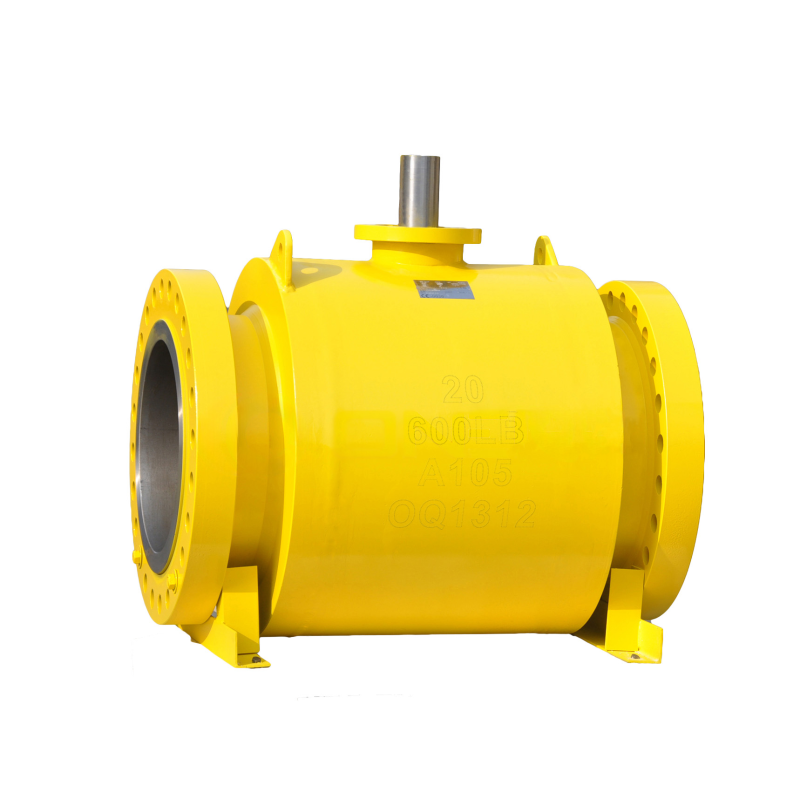
Ball valves demonstrate a distinctive valve torque pattern that varies significantly between the closed and open positions. The initial torque requirement to break the seal and begin rotation is typically the highest, often called breakaway torque, which can be 2-3 times higher than the running torque needed to continue the rotation.
During the opening sequence, valve torque decreases as the ball rotates from the closed position, reaching minimum levels around the mid-stroke position. This torque reduction occurs because the differential pressure across the valve decreases as flow area increases, reducing the force acting on the ball surface that opposes rotation.
The efficiency advantage of ball valves becomes apparent in their quick quarter-turn operation, which minimizes the time spent in high-torque conditions. This characteristic makes ball valves particularly suitable for automated applications where rapid cycling is required, as the total energy consumption per operation remains relatively low despite peak torque demands.
Factors Affecting Ball Valve Torque Requirements
Seat design significantly influences valve torque in ball valve applications. Soft-seated ball valves typically require higher breakaway torque due to the deformation of elastomeric seats around the ball, while metal-seated designs may exhibit different torque patterns depending on the seat contact geometry and surface finish.
Pressure differential across the valve creates the most substantial impact on valve torque requirements. Higher system pressures increase the force pressing the ball against the downstream seat, requiring greater torque to overcome this sealing force and initiate rotation. Temperature effects also play a role, as thermal expansion can increase seat contact forces.
Valve size directly correlates with torque requirements, as larger ball valves present greater surface area exposed to differential pressure. The relationship is not linear, however, as geometric factors and seat configuration changes at different sizes affect the torque multiplication factor.
Gate Valve Torque Patterns and Performance
Linear Motion Torque Characteristics
Gate valves exhibit fundamentally different valve torque characteristics compared to rotary valves, with torque requirements varying throughout the linear stroke of the gate. The initial unseating torque is typically the highest, as the gate must overcome the sealing force created by system pressure acting on the gate faces.
As the gate lifts from its seat, valve torque requirements generally decrease because the pressure differential no longer acts directly on the sealing surfaces. The torque needed to continue lifting the gate is primarily determined by the thread efficiency of the stem mechanism and any friction in the packing system.
The efficiency of gate valves in terms of torque utilization is generally good once the gate clears the seat, as the subsequent lifting motion encounters minimal flow-induced forces. This makes gate valves suitable for applications where the valve remains in fixed positions for extended periods.
Wedge Design Impact on Torque
Flexible wedge gate valves typically require lower valve torque compared to solid wedge designs because the flexible wedge can accommodate slight misalignment and thermal distortion without creating excessive binding forces. The flexibility reduces the contact stress on the seats, thereby reducing the force needed to unseat the gate.
Parallel slide gate valves present different torque characteristics, as the gate slides between parallel seats without the wedging action. This design can reduce unseating torque in some applications, particularly when differential pressure is high, because the gate is not mechanically wedged into the seat structure.
The angle of the wedge surfaces affects the mechanical advantage during seating and unseating operations. Steeper wedge angles can reduce the axial force needed to achieve tight shutoff but may increase the torque required to overcome the mechanical advantage during unseating.
Butterfly Valve Torque Efficiency Analysis
Disc Position and Torque Relationship
Butterfly valves demonstrate unique valve torque patterns that depend heavily on disc position and flow conditions. The torque requirement is typically minimal when the disc is fully open or fully closed, but reaches maximum values at intermediate positions, particularly around 60-70 degrees of rotation from fully closed.
The peak torque occurs because the disc presents maximum resistance to flow at these intermediate angles, creating substantial hydrodynamic forces that oppose further rotation. This characteristic makes butterfly valves less suitable for frequent throttling applications but highly efficient for on-off service.
Flow direction significantly affects valve torque in butterfly valves. When flow attempts to close the disc, the hydrodynamic forces assist the actuator, reducing torque requirements. Conversely, when flow tends to open the disc, higher actuator torque is needed to maintain position or achieve closure.
Seat Configuration Effects on Torque
Resilient-seated butterfly valves typically exhibit higher valve torque during the final degrees of closure as the disc compresses the elastomeric seat material. This compression creates increasing resistance that peaks just before full closure, requiring actuators to provide sufficient torque to achieve tight shutoff.
Metal-seated butterfly valves may show different torque patterns, with peak torque occurring earlier in the closing sequence due to metal-to-metal contact initiation. The torque profile depends on the specific seat geometry and the precision of machining tolerances.
Double-offset and triple-offset butterfly valve designs modify the torque requirements by changing the disc-to-seat contact pattern. These designs can reduce the peak torque needed for sealing while improving the consistency of torque requirements across multiple operating cycles.
Globe Valve Torque Considerations
Plug Design and Flow Effects
Globe valves present consistent valve torque characteristics throughout their stroke, with torque requirements primarily determined by the pressure differential across the plug and the thread efficiency of the stem mechanism. Unlike other valve types, globe valves maintain relatively steady torque demands during operation.
The flow direction through globe valves significantly impacts torque requirements. When flow is under the seat, the flow forces assist in opening the valve, reducing the actuator torque needed. When flow is over the seat, flow forces oppose opening, increasing torque requirements for the same operating conditions.
Plug design variations affect valve torque through their impact on flow coefficient and pressure recovery characteristics. Contoured plugs may create different force patterns compared to simple flat-disk designs, influencing the net torque requirements during throttling operations.
Stem Threading and Efficiency Factors
The thread pitch and diameter of globe valve stems directly influence the mechanical advantage and therefore the valve torque requirements. Finer thread pitches provide greater mechanical advantage but require more turns to achieve full stroke, while coarser threads reduce the number of turns but increase torque requirements.
Packing friction contributes significantly to the total valve torque in globe valves, particularly in high-pressure applications where packing compression creates substantial friction forces. The packing design and material selection can optimize this friction to balance sealing performance with operating torque.
Stem material and surface treatment affect the coefficient of friction in threaded connections, directly impacting torque efficiency. Proper lubrication and surface treatments can reduce operating torque while maintaining the structural integrity of the stem-to-yoke connection.
Actuator Sizing and Efficiency Optimization
Torque Safety Factors and Selection
Proper actuator sizing requires understanding the complete valve torque profile under all operating conditions, including startup, normal operation, and emergency shutdown scenarios. Safety factors typically range from 1.5 to 2.5 times the calculated maximum torque, depending on the application criticality and valve type.
Electric actuators offer excellent torque control and can be programmed to provide variable torque output matching the valve torque requirements throughout the operating range. This capability improves overall system efficiency by avoiding over-torquing during low-demand portions of the valve stroke.
Pneumatic actuators provide rapid response but may be less efficient in applications requiring precise torque control. The air consumption and pressure requirements must be evaluated against the valve torque characteristics to ensure adequate performance while minimizing operational costs.
Smart Actuation and Torque Monitoring
Advanced actuator systems can monitor valve torque in real-time, providing insights into valve condition and performance degradation. Trending torque data helps identify maintenance needs before failure occurs, improving system reliability and efficiency.
Torque signature analysis allows operators to detect changes in valve torque patterns that may indicate seat wear, packing adjustment needs, or other maintenance requirements. This predictive approach reduces unplanned downtime and optimizes maintenance scheduling.
Integration with plant control systems enables optimization of valve torque utilization across entire process units, coordinating actuator operation to minimize total energy consumption while maintaining process control requirements.
FAQ
Which valve type requires the lowest torque for operation?
Ball valves typically require the lowest average torque for operation due to their quarter-turn design and minimal friction during the majority of their stroke. However, gate valves may require lower torque once fully open, as they present minimal flow restriction. The specific torque requirements depend on size, pressure, and application conditions.
How does system pressure affect valve torque requirements?
Higher system pressure increases valve torque requirements in most valve types by creating greater sealing forces that must be overcome during operation. Ball valves and gate valves are particularly sensitive to pressure effects, while butterfly valves may show less pressure sensitivity depending on their design and disc position.
What factors should be considered when comparing valve torque efficiency?
Key factors include peak torque requirements, average torque throughout the operating cycle, speed of operation, frequency of cycling, and total energy consumption per operation. The duty cycle and application requirements should be evaluated alongside torque characteristics to determine the most efficient valve type for specific applications.
Can actuator efficiency compensate for high valve torque requirements?
Modern actuators can improve overall system efficiency through intelligent torque control and monitoring, but they cannot fundamentally change the valve torque characteristics. The most efficient approach involves selecting valve types with inherently suitable torque profiles for the intended application, then optimizing the actuator selection and control strategy.