EN
EN

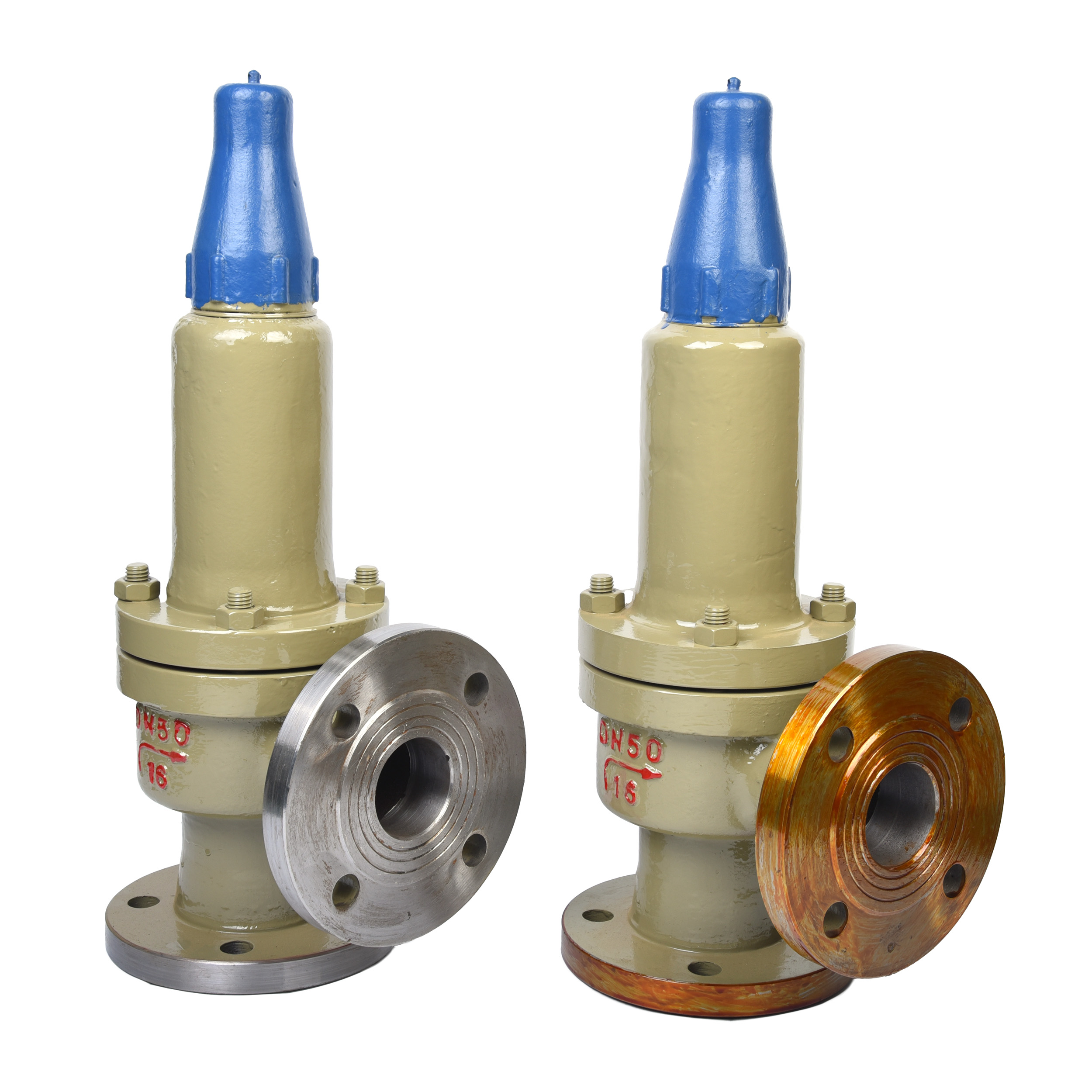
The Physics of Safety: Flow Coefficient (K) Matters
The fundamental difference between valve types lies in their Discharge Coefficient (K). This value determines how much media can escape during an overpressure event.
Key Data Comparison
- Full Lift Valve (K = 0.7~0.8): Features a backflow disc. It "pops" open instantly at set pressure, creating a massive circular discharge channel.
- Low Lift Valve (K = 0.14~0.16): Opens proportionally and slowly. The narrow annular gap significantly limits the discharge area.
Simulation: DN40 Steam System (1.6 MPa Set Pressure)
- Full Lift Valve: Relieved 765 kg/h of steam, dropping pressure to a safe range in 12 seconds.
- Low Lift Valve: Relieved only 98 kg/h. Pressure remained dangerously high after 90 seconds, creating a significant explosion hazard.
Global Compliance & Calibration Documents
At Shanghai Xiazhao Valve, we understand that international shipments require rigorous documentation. We provide:
- ISO 9001 & CE Compliance Documents.
- Official China Special Equipment (TS) Calibration Certificates.
- Customized labels for "Pressure Vessel" or "Gas Cylinder" applications to speed up customs clearance.
[View Our ISO & TS Calibration Samples | Shanghai Xiazhao Valve]