EN
EN

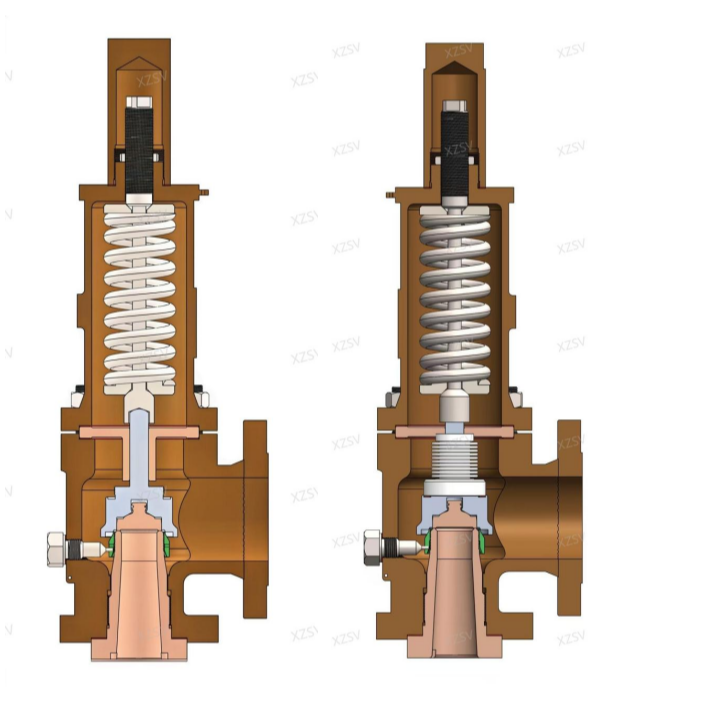
Meta Description: Referencing ASME BPVC VIII, API 520, API 526 and ISO 4126 industrial standards, this professional guide clarifies safety valve set pressure, relieving pressure, reseating pressure and blowdown principles. It covers standard definitions, calculation formulas, parameter ranges, operating logic and field troubleshooting for precise safety valve calibration.
SEO Keywords: safety valve set pressure, relieving pressure, reseating pressure, blowdown pressure, ASME API safety valve, pressure relief valve parameters, safety valve calibration standard
1. Introduction: Why Three Core Pressure Parameters Matter
Safety valves serve as the ultimate overpressure protection barrier for boilers, pressure vessels, industrial pipelines and chemical processing systems. In international project acceptance, overseas bidding procedures and industrial compliance audits, set pressure, relieving pressure, and reseating pressure act as three non-negotiable benchmark parameters. They directly govern pressure relief accuracy, operational stability and overall equipment safety compliance.
Most prevalent on-site valve issues, including intermittent fluttering, failure to re-seat, persistent micro-leakage and insufficient overpressure relief, stem from improperly matched pressure parameter settings. This guide strictly aligns with ASME BPVC Section VIII, API 520 Part I, API 526 and ISO 4126 global industrial standards. It unifies universal engineering terminology, quantifies authoritative parameter ranges, and follows Google SEO best practices and B2B technical reading conventions for global engineers.
2. Terminology Clarification: Set Pressure vs Actual Opening Pressure
A common terminology discrepancy exists in domestic field operations, where opening pressure and set pressure are defined separately. This practice deviates from global industrial standards and creates unnecessary technical confusion in international project communication.
- Set Pressure: The predefined benchmark pressure for factory calibration and regulatory compliance certification. As a fixed design parameter, it remains unchanged regardless of field operating conditions.
- Actual Opening Pressure: The real-world cracking pressure observed on-site, subject to influencing factors such as medium temperature, system back pressure, spring fatigue and fluid properties. Per ISO 4126, the allowable pressure deviation is restricted within ±1% to ±3%.
Industry Standard Verdict: Set pressure is the sole valid benchmark for engineering design, official technical documentation and international project bidding.
3. Core Pressure Parameter Definitions (With Authoritative Standard Data)
A complete safety valve operating cycle consists of three distinct phases: pressure rise and initial cracking, full-capacity pressure relief, and pressure drop and re-seating. Each phase corresponds to one of the three core pressure indicators.
【INSERT IMAGE 1: Safety Valve Pressure-Time Curve – Display set pressure, relieving pressure, reseating pressure and blowdown full cycle trend】
Standard Term |
Professional Definition |
ASME / API Standard Range |
Set Pressure |
The predetermined inlet pressure at which a safety valve initiates cracking and medium discharge. It must never exceed the equipment’s Maximum Allowable Working Pressure (MAWP). |
90%–100% of MAWP for single safety valve installations; a maximum of 105% of MAWP is permitted for parallel pressure relief systems |
Relieving Pressure |
The stable inlet pressure maintained when the safety valve is fully open and operating at its rated relief capacity, ensuring adequate discharge of overpressurized medium. |
+10% overpressure for gas/steam service; +21% overpressure for fire emergency conditions; +10%–25% overpressure for liquid service |
Reseating Pressure |
The inlet pressure at which the valve disc fully recontacts the seat and ceases medium discharge. The pressure differential between set pressure and reseating pressure is defined as blowdown pressure. |
5%–15% blowdown for steam systems; 7%–12% blowdown for gas systems; 10%–20% blowdown for liquid systems |
4. Calculation Formulas & Practical Engineering Examples (Bar/PSI Dual Units)
4.1 Relieving Pressure Calculation
Formula: Relieving Pressure = Set Pressure × (1 + Overpressure Rate)
Field Application Example: For a steam service safety valve with a set pressure of 10 bar (145 psi) and a standard 10% allowable overpressure, relieving Pressure = 10 × 1.1 = 11 bar (159.5 psi).
4.2 Reseating Pressure Calculation
Formula: Reseating Pressure = Set Pressure − Blowdown Pressure
Field Application Example: For a gas service safety valve with a 10 bar (145 psi) set pressure and a standard 8% blowdown margin, reseating Pressure = 10 − 0.8 = 9.2 bar (133.4 psi).
5. Operating Logic of the Three Pressure Parameters
The complete pressure relief cycle follows a fixed sequential logic: System pressure rises steadily → reaches the set pressure to trigger initial valve cracking and pressure relief → climbs to the relieving pressure for full-capacity overpressure discharge → system pressure drops rapidly → falls to the reseating pressure to enable full valve closure → the system returns to its normal stable operating pressure.
Core Engineering Functions:
- Set Pressure: Safeguards equipment MAWP and prevents premature or delayed valve activation
- Relieving Pressure: Ensures full relief capacity and eliminates potential overpressure hazards
- Reseating Pressure: Stabilizes system operation and prevents valve fluttering, medium leakage and unnecessary energy loss
【INSERT IMAGE 2: Safety Valve Internal Structure Diagram – Show core components related to pressure opening and reseating action】
6. Standard Parameter Comparison for Different Medium Services
Service Condition |
Standard Overpressure |
Standard Blowdown |
Applicable Standard |
Steam Service |
10% |
5%–15% |
ASME BPVC Sec.VIII |
Air & Gas Service |
10% |
7%–12% |
API 520 Part I |
Liquid Service |
10%–25% |
10%–20% |
API 520 Part II |
Fire Emergency Condition |
21% |
Custom Engineered Design |
API 521 |
【INSERT IMAGE 3: Overpressure & Blowdown Comparison Chart – Visual parameter contrast for steam, gas and liquid services】
7. Common Field Failures & Standardized Solutions
7.1 Post-Opening Reseat Failure & Continuous Medium Leakage
Causes: Excessive blowdown reduces reseating pressure and impairs sealing performance; foreign contaminants trapped on the valve seat; spring fatigue and degraded mechanical performance.
Solutions: Adjust blowdown to meet standard specifications (5%–10% for steam service), clean valve seat contaminants thoroughly, and calibrate spring preload on a regular basis.
7.2 Frequent Valve Cycling & Fluttering Wear
Causes: Insufficient blowdown results in a reseating pressure nearly identical to the set pressure, causing minor system pressure fluctuations to trigger repeated valve opening and closure.
Solutions: Moderately increase the blowdown margin to adapt to normal pipeline pressure fluctuation ranges.
7.3 Failure to Open at Rated Set Pressure
Causes: Set pressure calibration deviation, residual back pressure interference, and excessive spring preload tension.
Solutions: Perform annual professional calibration in strict accordance with ISO 4126 requirements, keeping overall pressure deviation within ±3%.
8. Authoritative Industry Standard References
- ASME BPVC Section VIII Division 1: Specifies overpressure limits and MAWP matching criteria for pressure vessel safety valves
- API 520 Part I/II: Provides guidelines for safety valve capacity calculation, overpressure determination and blowdown parameter selection
- API 526: Defines factory calibration procedures and pressure setting specifications for industrial safety valves
- ISO 4126-1: Establishes global unified test methods and allowable pressure deviation tolerances for safety valve operation
9. SEO Image Configuration for Google Image Ranking
All configured images adopt standardized English file names and optimized ALT texts to maximize Google image search visibility, fully compatible with overseas website media libraries:
Figure 1: Safety Valve Pressure-Time Curve
File Name: safety-valve-pressure-time-curve.png
ALT Text: Safety valve pressure time curve illustrating set pressure, relieving pressure, reseating pressure and blowdown operating range
Figure 2: Safety Valve Internal Structure Diagram
File Name: safety-valve-internal-structure.png
ALT Text: Spring-loaded safety valve internal structure diagram for industrial pressure relief protection systems
Figure 3: Pressure Parameter Comparison Chart
File Name: safety-valve-blowdown-overpressure-comparison.png
ALT Text: Comparative chart of overpressure and blowdown values for steam, gas and liquid safety valve services per ASME and API standards
10. Official Brand Resource Link
Shanghai Xiazhao Valve manufactures full-series safety valves compliant with ASME and API international standards, supporting customized pressure parameter setting, on-site calibration and industrial compliance verification. Our valves are widely deployed in overseas chemical, energy, boiler and pressure vessel industrial projects.
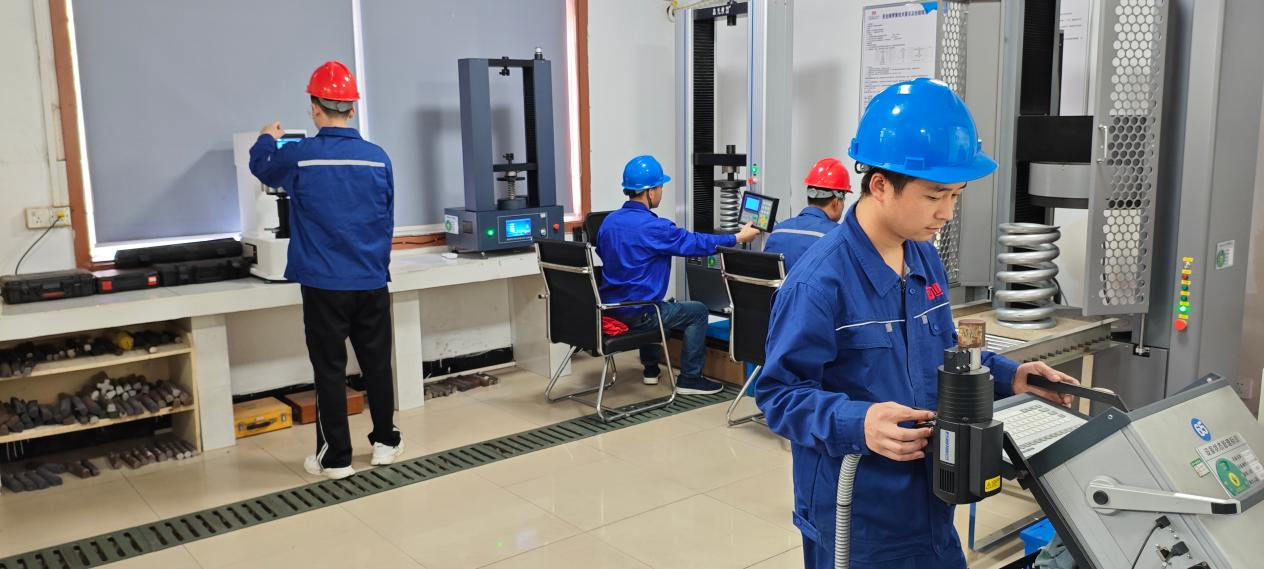
We provide professional technical support and tailored valve solution services for global industrial clients.
11. FAQ | Frequently Asked Questions for Global Engineers
Q1: What is the core difference between set pressure and opening pressure?
A: Set pressure refers to the standardized design and factory calibration value, while opening pressure is the actual on-site cracking pressure. The normal operating deviation is controlled within ±3%, and set pressure serves as the unified design benchmark for all industrial projects.
Q2: Is a smaller blowdown value always better for safety valve performance?
A: No. An excessively narrow blowdown margin causes valve fluttering and sealing surface wear, while an oversized blowdown leads to persistent medium leakage. Blowdown values must strictly comply with ASME and API standard ranges corresponding to different service media.
Q3: Can safety valve overpressure values be adjusted arbitrarily?
A: No. Overpressure parameters are strictly limited by equipment MAWP and international industrial standards. Unregulated overpressure adjustment will cause equipment overloading and potential safety hazards.
Conclusion
Set pressure, relieving pressure and reseating pressure collectively form the complete technical framework for safety valve overpressure protection. Accurate understanding and standardized configuration of these three parameters are essential prerequisites for equipment safe operation, international project acceptance and standardized industrial production. Adhering to international standard manufacturing precision and professional parameter calibration,Shanghai Xiazhao Valve delivers stable, reliable overpressure protection solutions for global industrial pressure systems.
Table of Contents
- 1. Introduction: Why Three Core Pressure Parameters Matter
- 2. Terminology Clarification: Set Pressure vs Actual Opening Pressure
- 3. Core Pressure Parameter Definitions (With Authoritative Standard Data)
- 4. Calculation Formulas & Practical Engineering Examples (Bar/PSI Dual Units)
- 5. Operating Logic of the Three Pressure Parameters
- 6. Standard Parameter Comparison for Different Medium Services
- 7. Common Field Failures & Standardized Solutions
- 8. Authoritative Industry Standard References
- 9. SEO Image Configuration for Google Image Ranking
- 10. Official Brand Resource Link
- 11. FAQ | Frequently Asked Questions for Global Engineers
- Conclusion