EN
EN

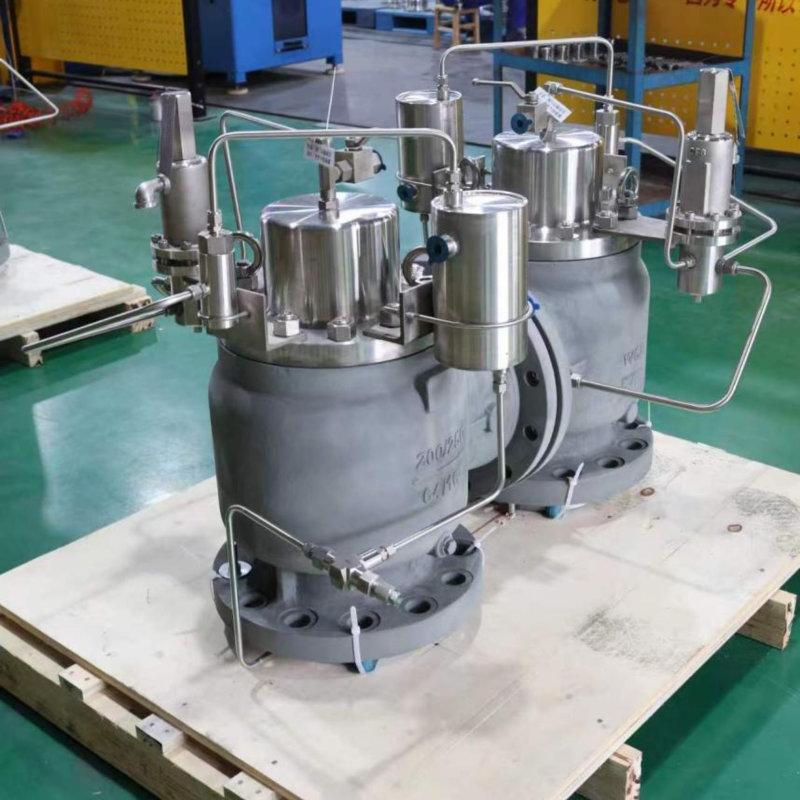
The chemical industry involves flammable, explosive, corrosive and high-risk media such as natural gas, chemical raw materials, and reaction solvents. Overpressure protection of reactors, transmission pipelines, and storage tanks relies entirely on reliable pressure relief valve (PSV) and rupture disc valve systems. For chemical plant engineers and purchasers, selecting explosion-proof, closed, and corrosion-resistant pressure safety valve PSV is the primary guarantee for plant safety production.
Industry data shows that 38% of chemical plant safety accidents related to pressure equipment are caused by improper selection of pressure relief valves and incorrect pressure reference setting, especially in natural gas pipeline and vacuum reactor working conditions.
1. Gauge & Absolute Pressure Application in Chemical Plants
Most chemical production pipelines, natural gas transmission systems, and atmospheric pressure reaction kettles usegauge pressure as the standard for spring loaded safety valve set pressure. In vacuum distillation, negative pressure reaction and low-temperature thermodynamic reaction scenarios, absolute pressure must be used for accurate calculation to avoid negative pressure system protection failure.
Chemical vacuum system cases prove that when the gauge pressure is -0.08MPa, the absolute pressure is 0.02MPa. Only by confirming the true absolute pressure value can the matching rupture disc valve and vacuum-resistant PSV be selected to prevent equipment implosion damage.
2. Chemical Industry Common Pressure Unit Matching Standard
Chemical projects have frequent cross-border cooperation, and valves of various standards are mixed. Unified unit conversion is essential for accurate valve selection:
- Low-pressure natural gas pipeline: 0.1–0.5MPa (14.5–72.5psi), matched with conventional closed pressure relief valve
- Medium-pressure chemical reactor: 1.0–2.0MPa (145–290psi), suitable for high-pressure resistant main pressure relief valve
- High-pressure chemical storage tank: 5.0MPa and above, customized reinforced PSV valve
3. Exclusive Valve Solutions for Chemical & Natural Gas Scenarios
Aiming at the flammable, explosive and corrosive characteristics of chemical and natural gas industries, Xiazhao Valve’s scene-based valve products solve the pain points of traditional valves such as easy corrosion, spring exposure damage and poor explosion-proof performance:
- Enclosed angle-type safety valve: The whole machine is fully closed with no exposed spring, which can effectively resist chemical gas corrosion and natural gas medium erosion, and is specially used for natural gas transmission pipelines and chemical process pipelines.
- Rupture disc valve: Cooperates with PSV to form a double overpressure protection system, suitable for high-risk chemical reaction kettles, with fast pressure relief speed and high safety factor.
- Fire safe ball valve: Used for chemical flammable liquid storage tanks and LNG terminal pipelines, realizing fire emergency pressure relief and cut-off protection.
- Pressure relief valve engine & propane tank safety valve: Customized for chemical auxiliary gas storage equipment, with stable pressure limiting performance.
4. Chemical Valve Selection Core Tips
Chemical equipment must mark G (gauge pressure) or A (absolute pressure) when ordering pressure safety valve PSV. Vacuum and negative pressure equipment must use absolute pressure calibration, while conventional positive pressure pipelines and natural gas facilities all use gauge pressure standards. At the same time, avoid using informal "kg" unit in chemical equipment inspection reports and valve nameplates to meet international safety audit standards.